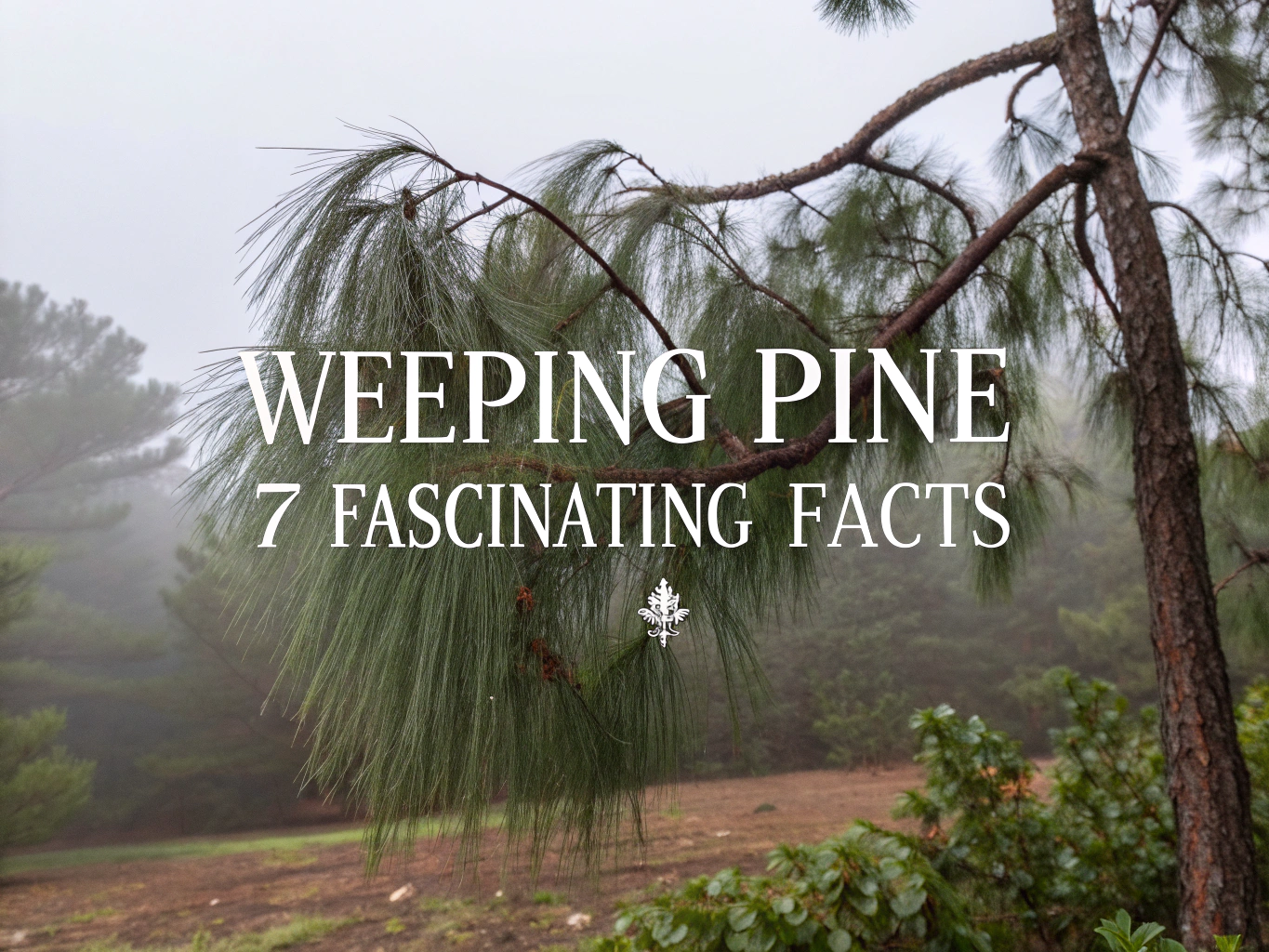

What makes a weeping pine so eye-catching? Its branches hang in long, graceful sweeps. Needles stay green all year. Some types, like the weeping white pine, have soft, feathery foliage. This post shares seven clear facts to help you choose, plant, and care for a weeping pine in your yard.
Table of Contents
Weeping pine trees bring graceful movement and sculptural lines to gardens, blending soft needles with flowing branches. They suit beginners and plant collectors who want a distinctive focal tree with clear care steps and reliable performance.
What Makes Weeping Pine Trees So Special
Origins and Development
Gardeners use the name weeping pine for several conifers with drooping forms, but the classic example is Pinus strobus ‘Pendula’, the weeping eastern white pine. It began as a cultivated selection of the wild eastern white pine, chosen for its cascading habit and expressive, irregular structure that differ from the upright species.
Nurseries propagate these forms by grafting or layering to keep the weeping traits stable. For a clear overview of the cultivar and its landscape use, see Garden Gate Trees — Pinus strobus ‘Pendula’.
The pendula distinction
The term “pendula” flags a naturally drooping habit. While the straight species forms tall, upright trunks, pendulous selections pour their branches downward, creating waterfall-like silhouettes that shift with every stake, tie, or pruning cut.
Each specimen grows with a unique character. Growers often train a leader to the height they want, then allow the tree to weep, giving a custom look without complicated maintenance.
Distinctive Growth Habits and Appearance
Cascading Branch Structure
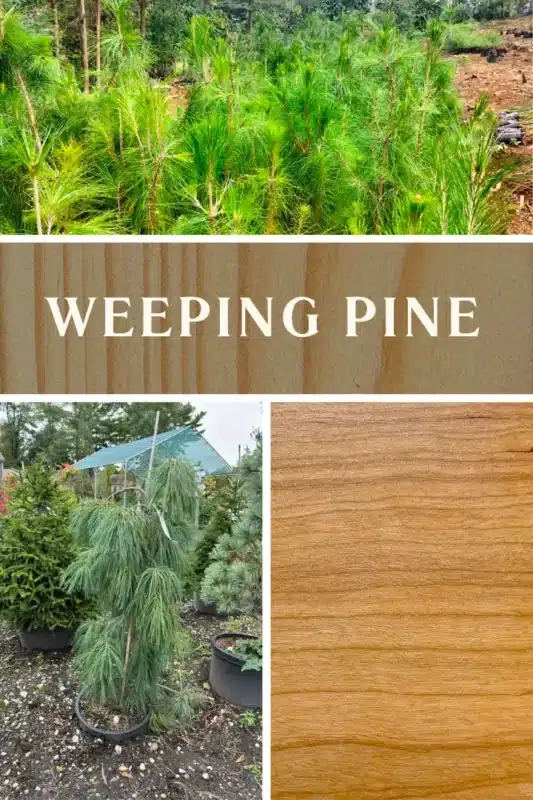
Weeping pines show flowing, pendulous branches that bend and twist in artistic arcs. This creates a living sculpture that stands out in winter and frames views in spring and summer.
Staking sets the initial height; removing the stake lets growth droop into a fountain form. For a practical plant profile and habit notes, browse Faller Landscape — Weeping White Pine.
Foliage and Needle Characteristics
Needles are soft, bluish-green to light green, usually in bundles of five typical of eastern white pine. The fine texture reads as a gentle haze from a distance, yet up close you’ll notice silky needles that invite touch.
Color holds year-round, so the plant gives steady evergreen interest. In bright light, the foliage shows subtle blue tones that pair well with silver, purple, and burgundy companions.
Size Variations by Cultivar
Sizes vary based on cultivar, staking, site, and age, so plan space for both height and spread. Use the table below as a quick guide for common choices and training outcomes.
| Cultivar / Form | Approx. Mature Height | Approx. Spread | Notes |
|---|---|---|---|
| Pinus strobus ‘Pendula’ | 12–20 ft | 8–15 ft | Larger, variable with age; dramatic weeping. |
| Pinus strobus ‘Angel Falls’ | 6–8 ft | 3–4 ft | Upright leader with tight, graceful fall. |
| Staked leader (any) | Height set by stake | Varies | Stake to target height, then allow to weep. |
| Unstaked form (any) | Lower, mound-like | Wider | Flows outward with layered branches. |
Popular Weeping Pine Varieties
Weeping White Pine Cultivars
Two favorites dominate: Pinus strobus ‘Pendula’ and ‘Angel Falls’. ‘Pendula’ offers broad, expressive weeping lines, while ‘Angel Falls’ keeps a tidier, upright leader with even, ribbon-like cascades; see details at Plant Addicts — Angel Falls.
Pick based on space and the look you want: larger and more variable for ‘Pendula’, or compact and uniform for ‘Angel Falls’. Nurseries often stake young leaders so you can set the final height during the first few years.
Alternative Weeping Conifers
If you like the look but want other species, try a weeping limber pine (Pinus flexilis) with blue-gray needles or a weeping Engelmann spruce for finer texture. These give similar motion and year-round structure with different colors and growth rates.
Here are well-reviewed options you can compare for color, size, and habit:

Weeping White Pine — 2-Year Live
- Graceful drooping habit adds elegant vertical interest
- Evergreen needles provide year-round color and texture
- Hardy and low-maintenance once established
- Ideal as a focal specimen or accent plant
- Excellent for landscapes, containers, and small gardens
 Buy on Amazon

Weeping Blue Limber Pine — 2-Year
- Striking blue-gray needles give bold color and texture
- Wind- and drought-tolerant once established
- Distinct weeping habit adds sculptural appeal
- Slow-growing for long-lasting landscape presence
- Ideal for rock gardens, slopes, and specimen use
Buy on Amazon
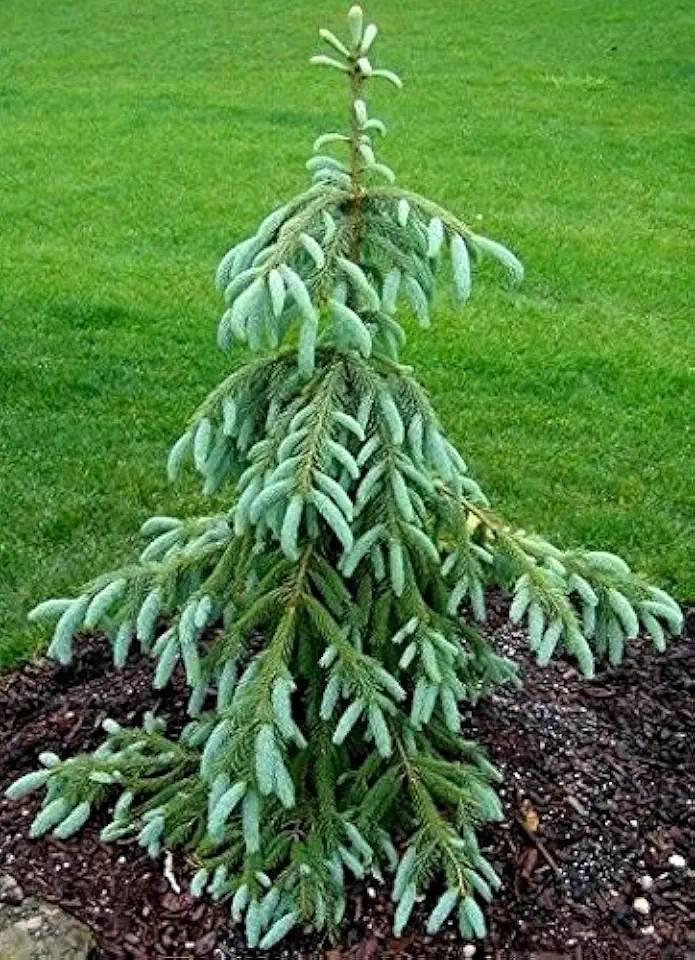
Weeping Engelmann Spruce 'Bushes Lace'
- Delicate, lacy foliage with a unique weeping form
- Cold-hardy and suited to mountain gardens
- Compact size works well in small landscapes or rock gardens
- Low water needs once established
- Attractive ornamental for year-round interest
Buy on Amazon
Optimal Growing Conditions
Climate and Hardiness Zones
Weeping white pine thrives in USDA Zones 3–8, where cold winters support long life and good color. In hot climates, choose cooler micro-sites and give afternoon shade to reduce stress.
Cold air drains downhill, so plant slightly upslope in frost pockets. In windy plains or coastal sites, add windbreaks to prevent browning on exposed needles.
Soil and Sunlight Requirements
Give your tree a spot with well-drained, slightly acidic soil. Aim for full sun to light shade, with at least 6 hours of direct light for strongest color and dense branching.
Heavy clay holds water and can suffocate roots; raise the bed with composted bark and mineral grit if needed. Avoid siting near chronic downspouts or soggy lawns.
Watering Needs
Keep soil evenly moist the first two growing seasons. After establishment, water deeply during dry spells rather than frequent, shallow sprinkles.
Mulch 2–3 inches with shredded bark to steady soil temperatures and moisture. Pull mulch back from the trunk by 3 inches to prevent rot.
Care and Maintenance Essentials
Pruning for Shape Control
Shape work is simple: select a single leader and stake it to your target height, then let side branches fall. Trim only to guide flow or remove damaged wood, keeping cuts small and clean; see training tips at Tips on How to Grow a Weeping White Pine.

Light, early-season pruning keeps the cascade elegant; heavy summer cuts spoil the line.
Grower tip
Fertilizing and Health Tips
Feed lightly in spring if growth looks weak or foliage pales. Use a slow-release, balanced formula, or top-dress with composted bark to boost microbial life and steady nutrition.
- Test soil pH and aim for slightly acidic range for stronger color and root health.
- Stop fertilizing by midsummer to avoid tender late growth before winter.
- Inspect for pests while candles elongate; address issues before needles harden.
Winter Protection Strategies
Site trees out of harsh winter winds or add a windscreen while young. Water well before the ground freezes so foliage heads into winter fully hydrated.
In late fall, refresh mulch and gently tie long whips to reduce breakage from snow load. Avoid salt spray and plow piles that can scorch needles and compact soil.
Creative Landscape Applications
Specimen and Focal Point Uses
Use a weeping pine as a single, visual anchor near an entry, pond, or terrace. Its flowing outline draws the eye and adds calm structure that reads in every season.
Frame views by placing it at path bends or lawn edges. Prune lightly to keep the line clean and protect that signature cascade.
Container and Small Garden Options
Compact forms like ‘Angel Falls’ fit patios and small courtyards in large, drained containers. Use a gritty conifer mix and raise the pot on feet to keep water moving and roots happy.
On cool evenings, many gardeners enjoy outdoor fires with fragrant pinon wood; if you’re curious about aroma and burn qualities, see pinon wood. Keep fires and heat sources well away from containers and plant canopies.
Design Combinations
Pair blue-needled forms with purple heuchera, silver artemisia, and dark-leaved smoke bush. For a wood-and-evergreen theme, hardscape with durable cedar wood accents; see material basics at cedar wood.
For contrast, add upright columnar junipers or grasses that play off the weeping line. Repeat colors in pots, furniture, or a small bench made from Douglas fir wood to tie the scene together.
Year-Round Benefits and Advantages
Evergreen Appeal
Weeping pines keep color through winter, adding calm structure when perennials sleep. Snow outlines each cascade, turning the plant into a natural sculpture.
Soft needles read as a gentle texture near entries and patios. Their silhouette works from both close and long views.
Low Maintenance Qualities
Once established, care is light: seasonal cleanup, a check on stakes, and brief pruning. They’re deer-resistant in many regions, saving time on protection measures.
Right plant, right place cuts work further. Good drainage, sun, and wind shelter keep foliage full and healthy.
Wildlife and Environmental Benefits
Dense weeping branches provide shelter for songbirds in storms and cold snaps. Evergreen cover also softens noise and screens views with living greenery.
Mixed conifer plantings support urban biodiversity with year-round habitat. Add water and native understory plants to create a compact but effective refuge.
Common Questions About Weeping Pine Trees
Growth Rate and Mature Size
Most forms grow at a slow to moderate pace, hitting specimen size in several years with proper care. Expect mature sizes in the 6–20 ft tall range and 4–20 ft wide, depending on cultivar and training.
Stake to set the height, then let branches develop the signature cascade. Wider, ground-hugging shapes come from unstaked leaders and selective thinning.
Troubleshooting Issues
Most problems trace back to siting and watering. Poor drainage, wind scorch, or prolonged drought can cause browning tips and sparse growth; see practical care notes at TreeCareZone — Weeping Pine Tree.
- Brown tips: check wind exposure and soil moisture, then adjust watering and add windbreaks.
- Sparse growth: increase sun, reduce competition, and feed lightly in spring.
- Floppy leader: re-stake gently and set height before midsummer hardening.
Variety Selection Tips
Match the cultivar to your space and style: ‘Pendula’ for bold, irregular flow; ‘Angel Falls’ for compact, ordered lines. In small lots or containers, choose slower, tighter forms and set the leader height early for a neat, long-term fit.
If you’re comparing overall pine traits, you might like this quick read on yellow pine to better grasp color and grain you might echo in nearby garden structures. Keep plant selection focused on site fit and your visual goals.
FAQs
What Are The Best Conditions For Planting A Weeping Pine?
Plant weeping pines in full sun to light shade on well drained, slightly acidic to neutral soil. Provide good air circulation and space for the mature spread, amend heavy clay with organic matter before planting, and avoid low spots that collect water. Spring or fall planting gives the best establishment window.
How Do You Care For A Weeping Pine In Winter?
Water deeply in autumn until the ground freezes to reduce winter desiccation, apply a 2 to 3 inch layer of mulch to protect roots, and gently remove heavy snow from branches to prevent breakage. Avoid pruning late in the season and consider temporary wind protection or burlap wraps in areas with harsh winter winds.
What Are Common Pests Or Diseases That Affect Weeping Pines?
Weeping pines can be affected by pests like pine needle scale, aphids, sawflies, and bark beetles, and diseases such as needle blight, root rot in poorly drained soils, and pine wilt in some regions. Good cultural care, proper spacing, monitoring, and targeted treatments such as horticultural oil, insecticidal soap, or fungicides as recommended can help manage problems; contact an arborist for severe issues.
How Fast Does A Weeping Pine Grow?
Growth rate varies by species and site but most weeping pines grow at a moderate pace, typically 6 to 24 inches per year. Growth is faster in fertile, well watered, sunny conditions and slower in poor, dry, or shaded sites; young trees often establish slowly before increasing growth.
Can A Weeping Pine Be Grown In A Container?
Yes, smaller or dwarf weeping pine varieties can be grown in containers. Use a large pot with excellent drainage, a free draining potting mix, regular watering and feeding, and periodic root pruning or repotting every few years. Be prepared to protect containerized trees from winter cold since roots are more vulnerable than in the ground.