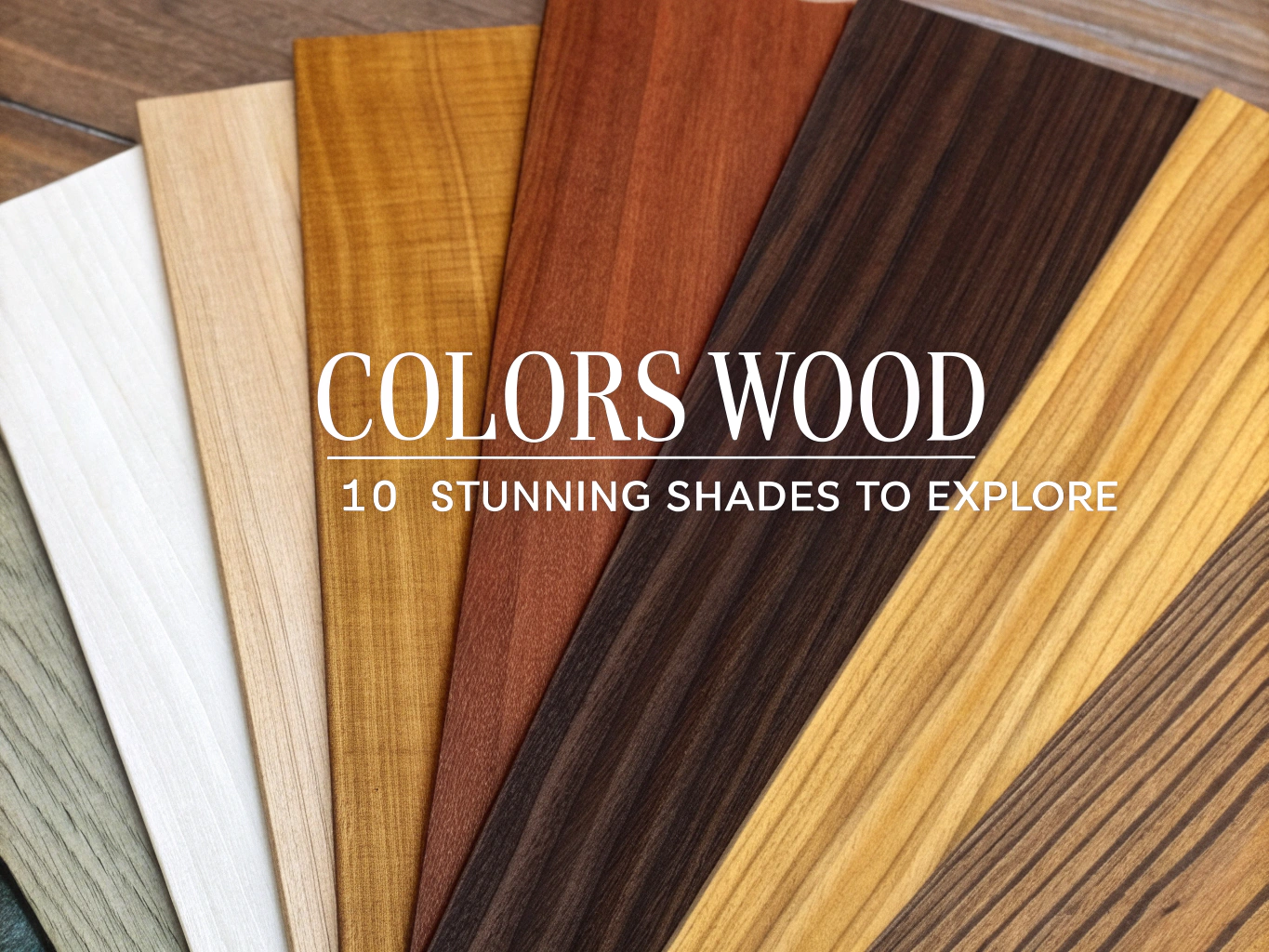

Which wood shade makes a room feel warm and inviting? The right colors of wood can change how a space looks. This guide shows 10 popular shades, plus outdoor stain picks and easy finish tips. Use small steps to pick a shade that fits your home.
Table of Contents
The colors of wood shape mood, warmth, and style, whether you’re choosing floors, cabinets, or outdoor decks, and the right finish can shift tone without hiding the grain. This guide explains natural types of wood colors, trending tones for 2026, and practical finishing methods that deliver reliable results.
Understanding the Natural Colors of Wood
Natural wood spans light blonde to deep espresso, with undertones that read pink, yellow, red, or olive, and each choice affects how large or cozy a room feels; designers highlight warmer palettes in recent trend reports (Interior Design: Wood Trends 2026). Matching your space starts with reading grain, figuring undertone, and picking a finish that reinforces your natural wood tones.
| Shade/Color | Example Woods | Primary Use | Notes |
|---|---|---|---|
| Light/Blonde | Birch, Pine, Maple | Flooring, Furniture | Bright, modern, airy |
| Warm Golden/Honey | Oak, Pine | Floors, Cabinets | Cozy, inviting, on-trend |
| Mid-tone Brown | Walnut, Beech, Ash | Cabinets, Interior Doors | Versatile, classic |
| Deep Chocolate | Walnut, Chestnut | Luxury, Focal Points | Rich, dramatic |
| Neutral/Earthy | Stained Oak, Elm | Modern, Rustic | Sand, taupe, beige |
| Dark/Black | Ebony, Mahogany | Accents, Statements | High-contrast, chic |
| Vibrant (Painted) | N/A (painted pine, etc.) | Accent Furniture | Creative color use |
Light and Blonde Woods
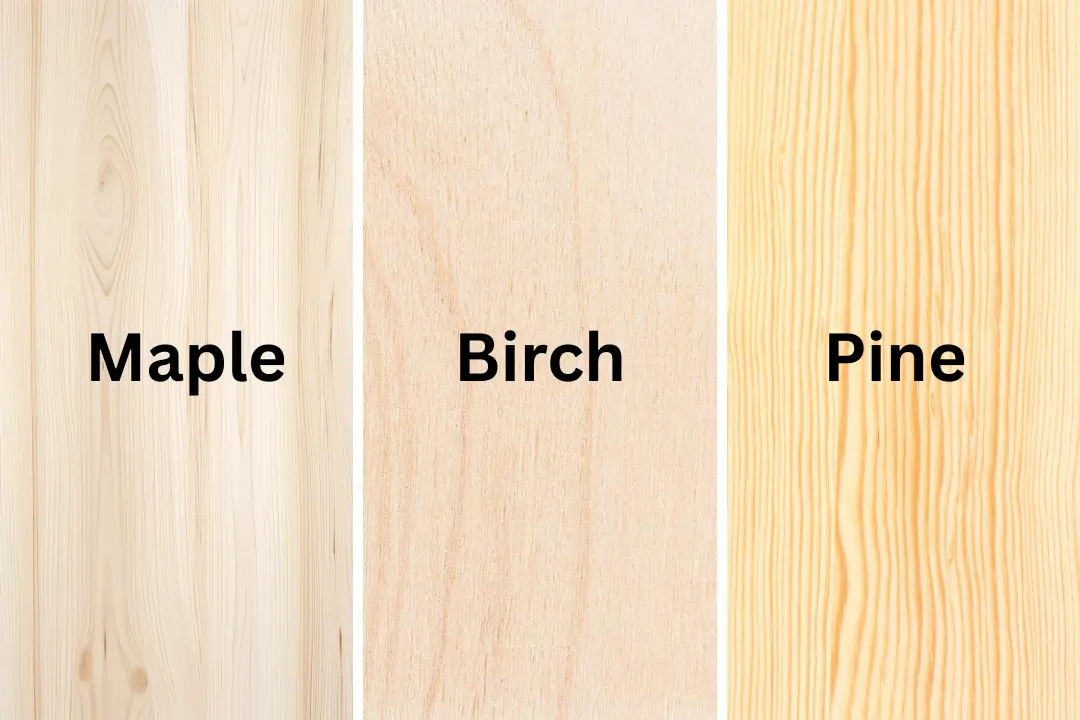
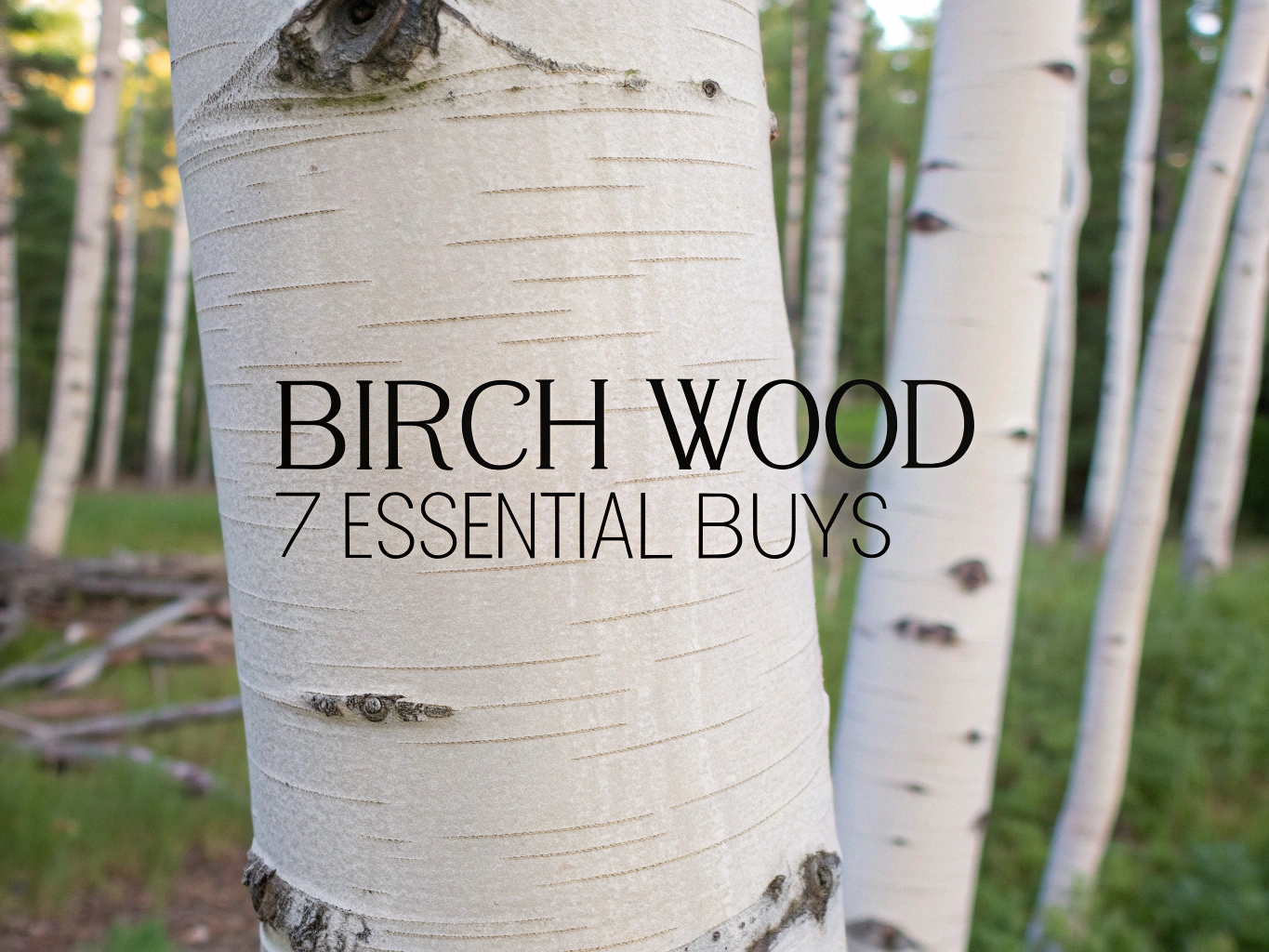
Birch, maple, and pine lean beige to creamy, bounce light well, and suit small rooms and minimalist styles where brightness matters. A soft whitewash can mute yellow undertones while keeping the grain’s light wood character visible.
Warm and Honey Tones
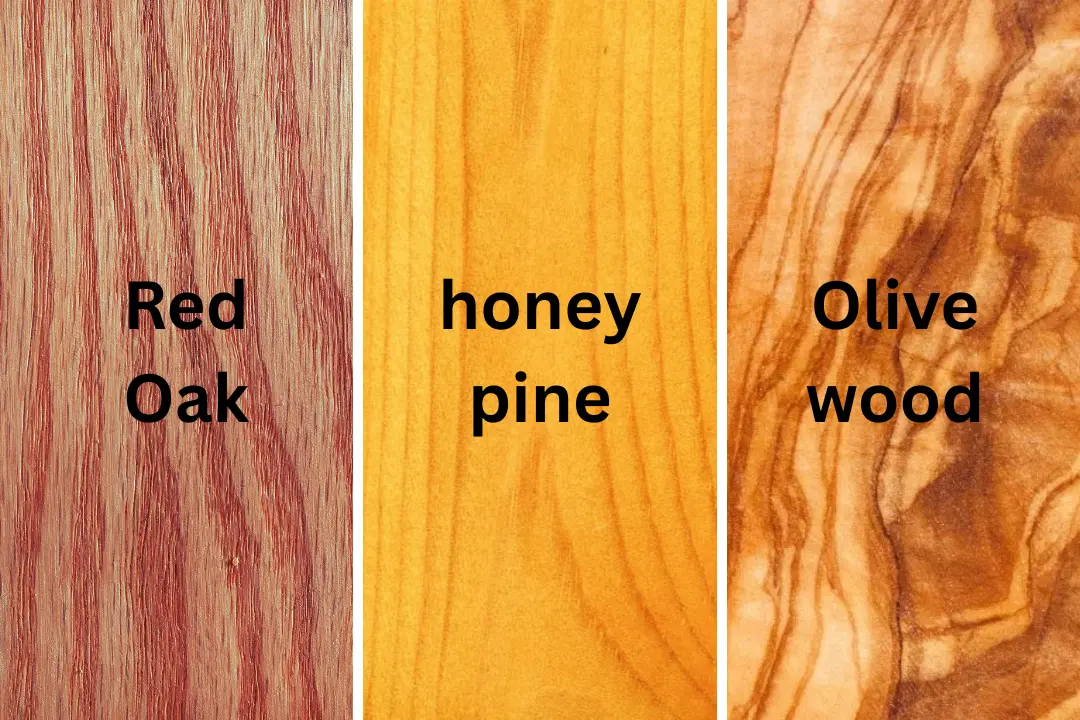
Golden oak and honey pine give cozy, welcoming color that pairs with whites, clays, and muted greens for calm spaces. For a refined twist, olive woods can add subtle figuring and warmth; see this look in olive wood pieces with lively grain and warm wood tones.
Mid-Tone Browns
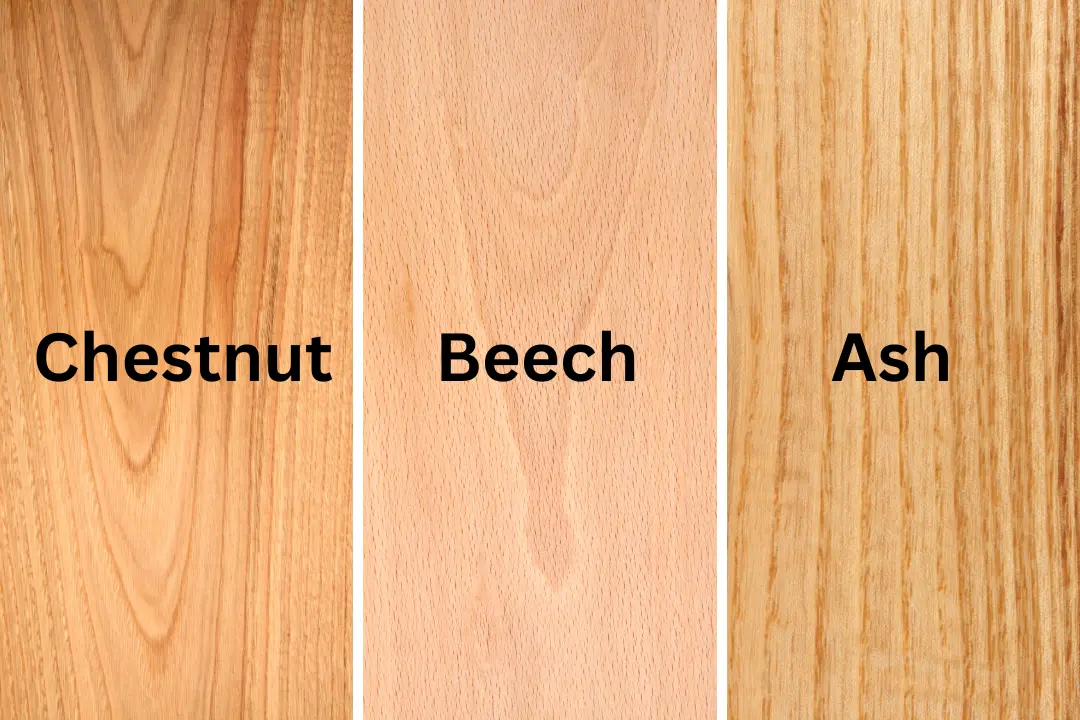
Chestnut, beech, and ash balance depth with versatility, so they fit both modern and traditional rooms. The tight, flowing grain in black walnut reads sophisticated while delivering a consistent mid-tone base for many palettes.
Deep and Dark Woods
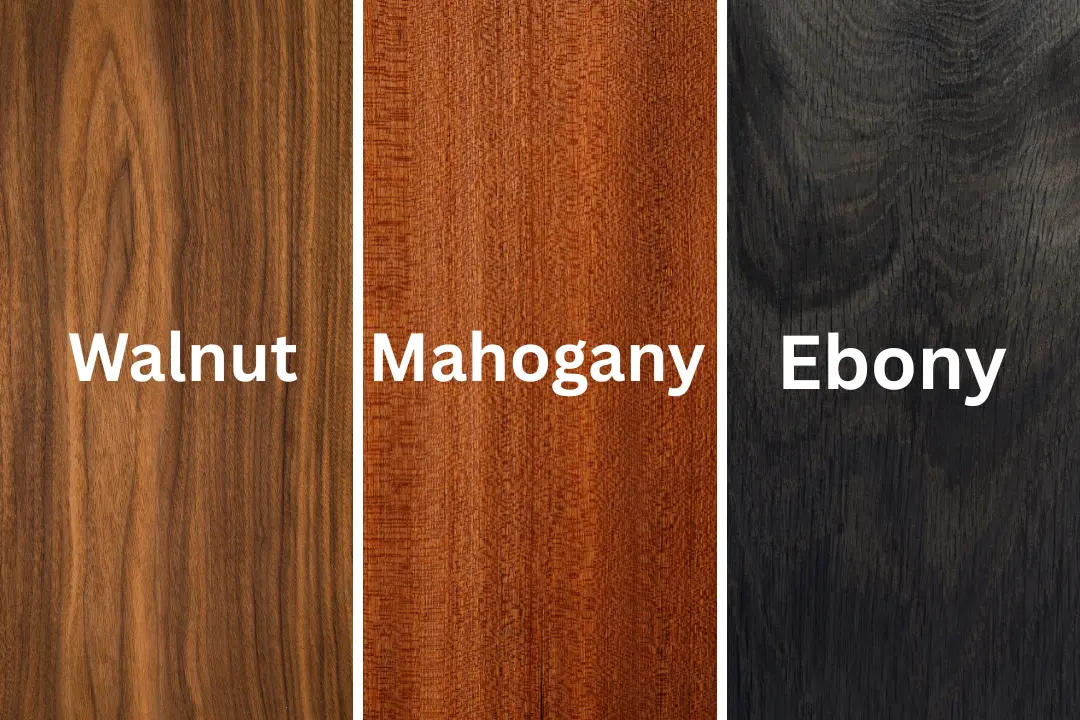
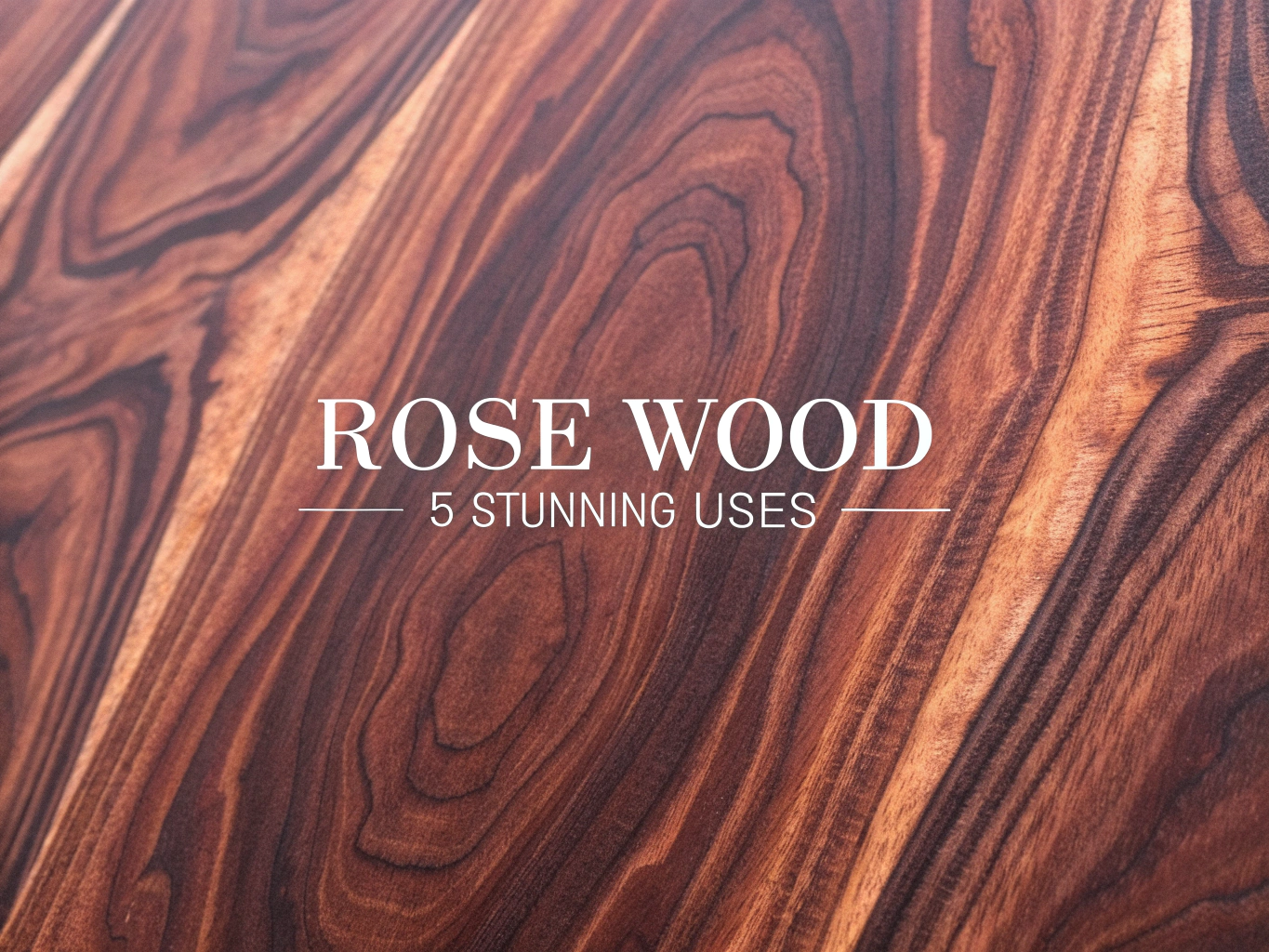
Walnut, mahogany, and ebony bring drama for focal islands, vanities, or feature walls. For inky accents with striking grain, authentic ebony wood offers intense color that pairs well with satin finishes and dark wood shades.
Trending Wood Colors for 2026
Design reports show a move to warm neutrals, golden tones, and rich earthy shades, with gray taking a back seat in wood stain colors 2026 (Flooring Trends 2026). You’ll see sunlit honey floors, sand-taupe cabinets, and caramel trims that look timeless and inviting.
Warmer woods feel grounded and cozy, and they complement natural stone, clay, and soft greens.
Flooring Trends 2026
Warm Neutrals and Earth Tones
Sand, beige, taupe, and soft olive stains give subtle depth while keeping spaces calm and easy to style. Pair these with creamy walls and textured fabrics to highlight natural wood grain without visual noise.
Golden Oak and Honey Pine
Golden oak flooring delivers a classic look that hides dust better than ultra-dark finishes. Honey pine accents add sunny warmth and make small rooms feel bigger and more welcoming.
Moving Away from Cool Grays
Cool gray stains can flatter concrete-heavy spaces, but many homeowners now prefer caramel, chestnut, and walnut for a cozier mood. If you loved gray, try greige-taupe blends that keep neutrality with a whisper of warmth.
Neutral and Earthy Wood Tones
Earth tones pair well with clay tiles, linen, and stone, so they’re easy to build around in kitchens and living rooms (Kitchen Color Trends Set to Shine in 2026). Choose stains that read sand or olive to keep the palette grounded and calming.
Beige and Taupe Stains
Beige and taupe soften strong undertones and help different wood species look cohesive across open-plan homes. Test on offcuts to confirm undertone alignment with your existing floors.
Sand and Soft Olive
Sand stains mimic sun-aged timber and pair with white oak or ash for a fresh, natural feel. Soft olive tints add a subtle green cast that complements plants and brass without turning the wood muddy.
Terracotta and Clay Finishes
Clay and terracotta tones bring gentle warmth to mantels, beams, and accent furniture. Keep sheen low so the color reads earthy, letting texture and pores stay tactile.
Colors of Outdoor Wood Stain
Outdoor formulas highlight grain while adding UV protection, with cedar, redwood, and dark walnut topping many 2025 shortlists (Best Colours for Wood: 2026 Guide). To pick the best stain for outdoor wood, sample clear, semi-transparent, and semi-solid options on the same board and judge after a full dry.
Popular Outdoor Shades
- Cedar glow: warm amber that flatters tan and brown decking accessories.
- Redwood tone: richer red-brown for fences and pergolas with contrast.
- Dark walnut: deep brown for modern rails and privacy screens.
- Clear/semi-clear: preserves natural hue with subtle warm-up.
Cedar and Redwood Tones
Cedar stains mute pink cast while keeping golden-brown depth, great for siding and planters. Redwood tones add saturated warmth that pairs well with black hardware and charcoal trim.
Weather-Resistant Options
Semi-transparent stains often last longer than clears because pigments help block UV, while solid stains act more like paint and hide grain. For docks and benches, choose products rated for high UV and moisture, then refresh with a light clean and a quick recoat every 1–3 years.
Vibrant and Creative Wood Colors
Bright blues, greens, and reds come from dyes or paint, not from natural lumber, so plan for a primer or conditioner to keep color even. For dramatic natural color instead, explore purpleheart wood and the rich red of bloodwood as artistic accents.
Painted Wood Techniques
Use a shellac-based primer on tannin-heavy species, then apply two thin color coats and a protective topcoat for durability. Lightly scuff between coats to keep edges crisp and color smooth.
Bold Staining Options
Aniline dyes create saturated blues and greens while preserving figure, and you can glaze over stain to shift temperature without losing grain. Try a charcoal glaze over walnut for depth, or a teal dye on ash for a vivid yet textural look.
Artistic Statement Pieces
Use contrasting species to create patterns, such as pairing ash with striped zebra wood for graphic fronts. Mix matte color with natural edges to keep the piece bold yet grounded.
Finishing Techniques That Transform Wood Colors
Prep sets the result: sand through 120–180 grit, raise the grain if using water-based stain, and test on scrap before the final piece (Hardwood Flooring Trends 2026). A consistent process avoids blotching and keeps color predictable.
Oil-Based vs Water-Based Stains
Oil-based stains penetrate deeply and warm the tone, great for walnut or oak that benefits from richer amber. Water-based stains dry faster, smell less, and keep color closer to the raw wood.
Matte, Satin, and Gloss Finishes
Matte hides scratches and feels modern; satin balances glow with practicality; gloss boosts depth and makes colors pop. Match sheen to use: matte for floors, satin for cabinets, gloss for small accents.
Whitewashing and Color Drenching
Whitewash with diluted paint or toner to soften yellow woods, then topcoat to lock in the tone. For color drenching, paint walls, trim, and select wood furniture the same hue so grain becomes subtle texture within a cohesive palette.
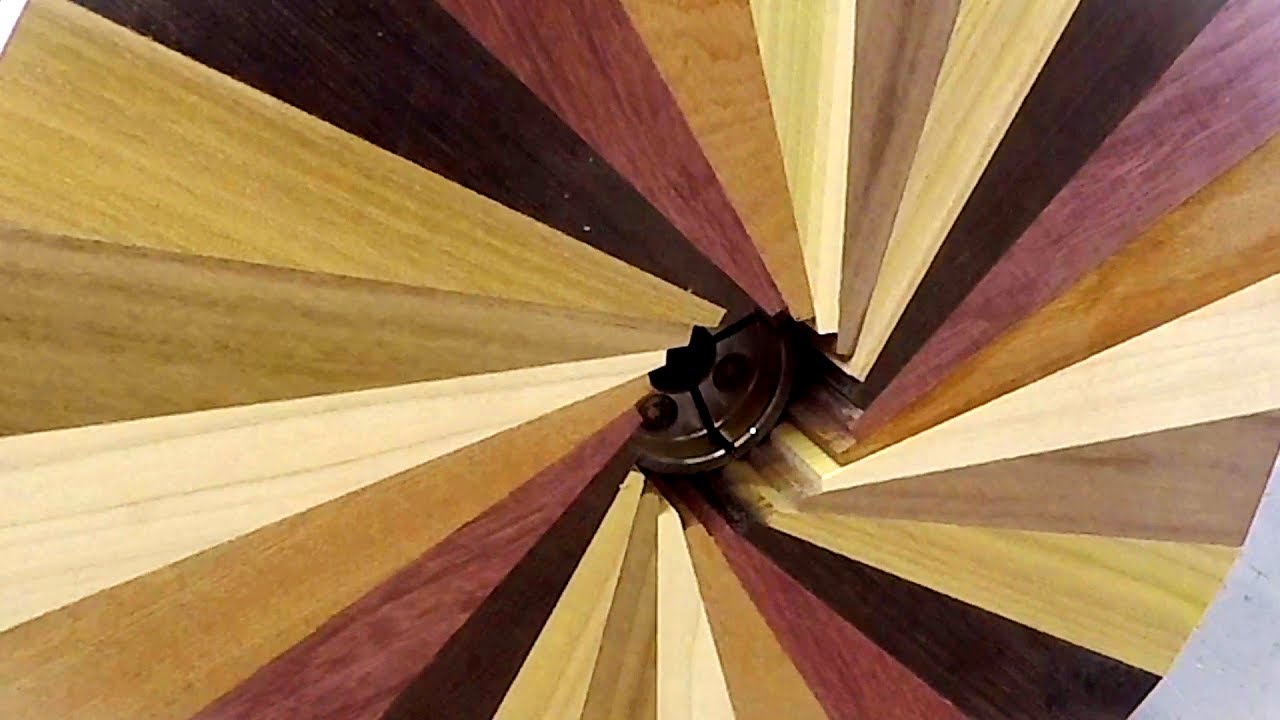
Factors Affecting Wood Color Appearance
Species and Age Considerations
Species vary in porosity and tannins, so two boards can take the same stain very differently; age also darkens many woods over time. Cherry and walnut mellow to deeper shades, while pine can yellow unless you choose a neutralizing topcoat.
Lighting Conditions Impact
North light cools colors, south light warms them, and LEDs shift undertone based on Kelvin rating. Test samples where they’ll live and check at morning, afternoon, and evening for a true read.
Stain Type and Application
Condition blotch-prone species like pine or birch, wipe stain in the grain direction, and keep a wet edge to avoid lap marks. For large surfaces, work in sections and time your wipe-off to match the desired depth.
Product Recommendations for Wood Color Projects
The picks below help you match, shift, or repair colors of wood for floors, cabinets, furniture, and decks. Use them to handle scratch repairs, custom mixes, and protective finishes with confidence.

13-Piece Wood Repair Marker & Wax Stick Kit
- Markers and wax sticks for matching a wide range of wood tones
- sharpener included for precise tip restoration
- hides scratches, nicks, and stains on furniture and floors
- quick, easy touch-ups for DIYers and pros
- compact kit for on-the-go repairs
 Buy on Amazon
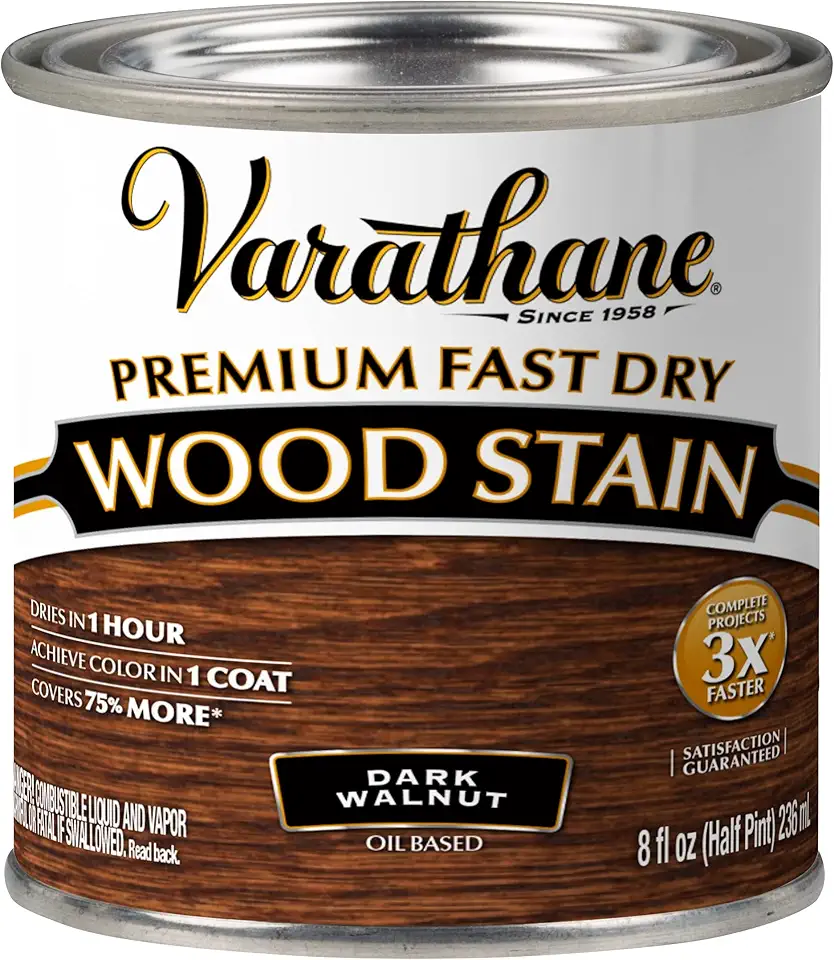
Varathane Fast-Dry Dark Walnut Stain (Half Pint)
- Fast-drying formula gets projects done quickly
- rich dark walnut color enhances wood grain
- penetrates to stain evenly for consistent results
- easy wipe-on application for furniture and trim
- ideal for small repairs and refinishing
Buy on Amazon
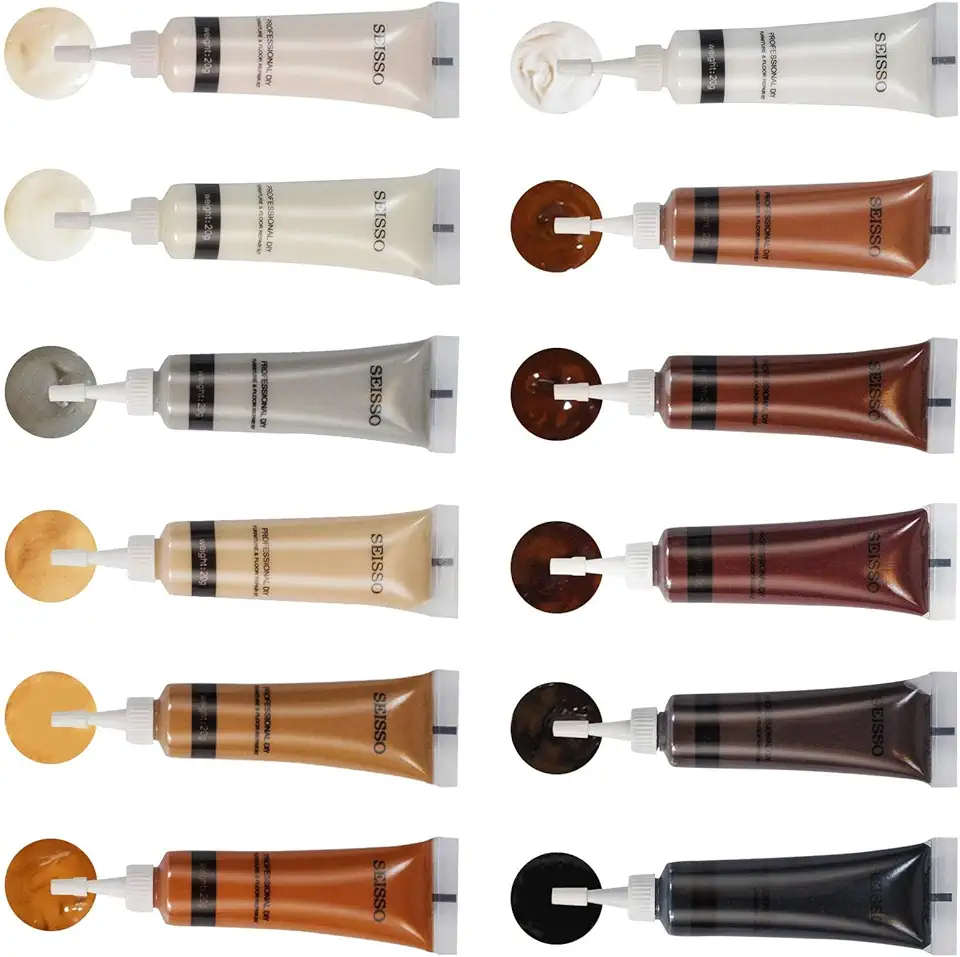
SEISSO 12-Color Wood Touch-Up Repair Kit
- Twelve blendable colors for precise color matching
- covers scratches, stains, and surface imperfections
- includes filler for small gouges and chips
- water-resistant finish for durable repairs
- suitable for floors, tables, cabinets, and doors
Buy on Amazon

Fast-Dry Wood Dye Powder 5-Color Kit
- Concentrated dye powders for creating custom wood shades
- mixes easily with solvent for quick application
- usable indoors and outdoors for versatile projects
- fast-drying for speedy results
- great for crafts, furniture, and small repairs
Buy on Amazon
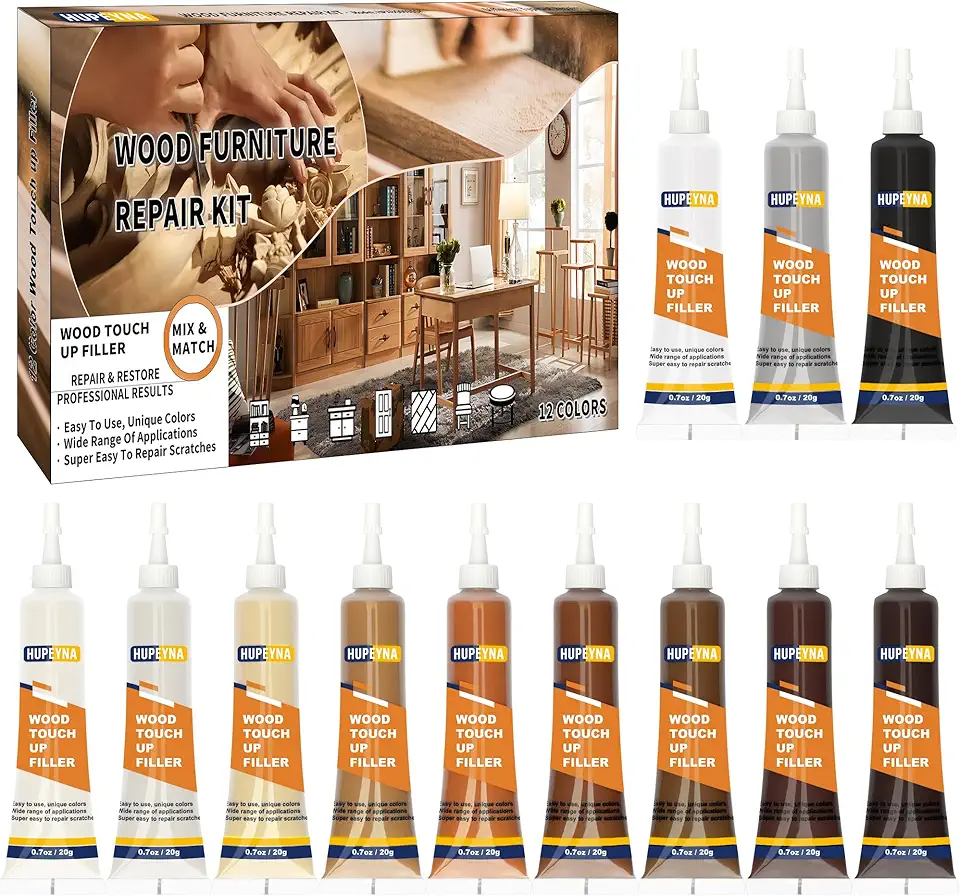
12-Color Wood Filler Touch-Up Kit
- Multiple colors to match common wood tones and blends
- smooth, blendable filler conceals scratches and cracks
- works on cabinets, floors, doors, and furniture
- easy application for quick DIY fixes
- long-lasting finish resists wear
Buy on Amazon
Touch-Up and Repair Kits
Marker and wax kits cover scratches fast on door frames and table edges, while putty-style fillers patch small chips before you color-match. Keep a multi-tone kit on hand so you can blend shades for tricky undertones.
Stains and Dyes
Oil-based walnut stain adds warmth and depth to oak, while dye powders let you create custom mixes for vibrant or subtle tones. If you’re deciding the best shade for hardwood floors, sample three values—light, mid, and dark—on your actual boards, then pick the easiest to live with in daily light.
Maintenance Tools
Microfiber pads, tack cloths, and fine grits (150–220) keep surfaces clean for even staining and smooth topcoats. For outdoor pieces, a mild cleaner and a soft brush prep the surface before new coats of your chosen colors of outdoor wood stain.
For deep, near-black accents with refined grain, explore ebony wood again as a premium option that complements both light and honey interiors. Matching dramatic species with thoughtful finishes gives you long-lasting color and satisfying contrast.
FAQs
What Are The Most Common Natural Wood Colors?
Natural wood colors Range From Very Pale Creams And Yellows (Like Maple And Pine) Through Warm Golden Tones (Red Oak), To Reddish Hues (Cherry, Mahogany) And Medium To Dark Browns (Walnut, Teak). Individual Boards Can Vary Widely Based On Species, Cut, And Growing Conditions, So Color Swatches Or Samples Are Helpful When Choosing Wood.
How Can You Change The Color Of Wood?
You Can Change Wood Color By Staining Or Dyeing To Add Pigment, Painting For Opaque Coverage, Bleaching To Lighten, Or Using Heat Treatments And Torrefaction To Darken And Stabilize Color. Surface Preparations Like Sanding And Conditioning, Plus A Final Finish (Oil, Varnish, Or Polyurethane), Also Affect The Perceived Color. Always Test Methods On Scrap Or An Inconspicuous Area First.
What Wood Color Is Best For Furniture?
The Best Wood Color For Furniture Depends On Your Style, Room Lighting, And Desired Mood: Light Woods (Maple, Ash) Feel Airy And Modern; Medium Warm Tones (Oak, Walnut) Are Versatile And Timeless; Dark Woods (Mahogany, Wenge) Add Formality And Drama. Consider Coordination With Flooring, Wall Colors, And Maintenance Needs When Choosing A Tone.
Does Wood Color Darken Over Time?
Yes, Many Woods Darken Or Develop A Patina Over Time Due To Oxidation And Exposure To Light (Especially UV). Some Species May Slightly Lighten, But Sunlight, Heat, And Chemical Exposure Usually Alter Color Gradually. Using UV-Resistant Finishes And Controlling Light Exposure Can Slow Changes.
How Do Different Finishes Affect The Color Of Wood?
Finishes Strongly Influence Color And Tone: Penetrating Oils (Tung, Linseed) Deepen And Enrich Grain; Oil-Based Polyurethanes And Shellac Often Add A Warm, Amber Tint; Water-Based Finishes Remain Clearer With Less Yellowing; Lacquer Gives A Clean, Glossy Look. The Same Finish On Different Species Will Yield Different Results, So Always Test Before Committing.