Brazilian Wood Plant: Meaning, Benefits, Care, and Where to Buy

Table of Contents
Brazilian wood can mean a houseplant, dense tropical lumber, the historic pau-brasil tree, or even a product branding term. In houseplant searches, it usually means the Brazilian wood plant, a small cane-style indoor plant grown in shallow water or soil, with bright indirect light, clean water, warmth, and patience.
What Brazilian Wood Means

Brazilian wood is an ambiguous search term, so the first step is sorting out which meaning fits your goal. If you’re looking for a desk plant, you need care advice for the Brazilian lucky wood plant; if you’re building a deck, you need lumber details for species such as ipe, cumaru, or jatoba.
| Term | What It Usually Means | Best Next Step |
|---|---|---|
| Brazilian wood | Broad term with mixed meanings | Clarify plant, lumber, tree, or product use |
| Brazilian wood plant | Small cane-style indoor plant | Use plant-care guidance |
| Brazilian lucky wood plant | Decorative lucky plant kit | Check viability and care instructions |
| Brazilian hardwood | Dense lumber for decking or flooring | Compare species and sourcing |
| Brazilwood / pau-brasil | Historic tree, Paubrasilia echinata | Don’t confuse it with plant kits |
| Supplement branding | Unrelated commercial product name | Treat as a separate topic |
Brazilian Wood Plant
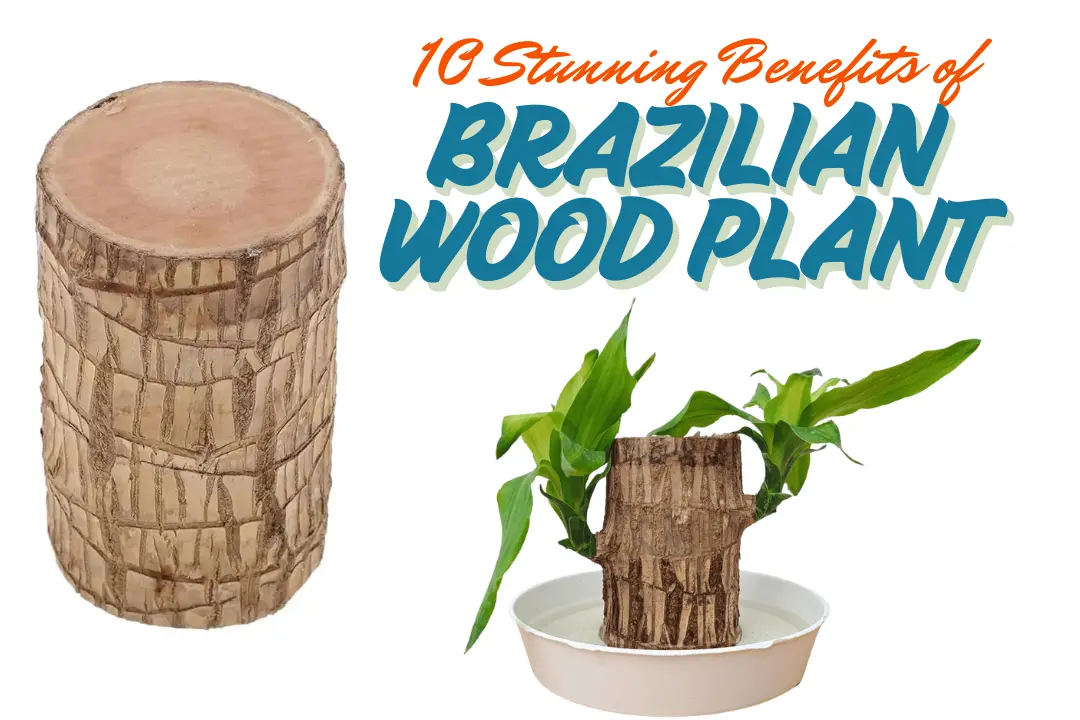
The Brazilian wood plant sold online is usually a small brown cane, stump, or log-like cutting that sits in a shallow tray of water and may send up green shoots. A healthy piece feels firm under light pressure, with a clean woody smell rather than a sour, swampy odor.
Brazilian Lucky Wood
Brazilian lucky wood is mainly a marketing name used for gift plants, desk plants, “abundance tree” kits, and small indoor displays. The lucky meaning comes from presentation and plant-gifting culture, not from a verified botanical category, so judge the plant by firmness, nodes, and seller care details.
Brazilian Hardwood
Brazilian hardwood refers to dense tropical lumber used for decking, flooring, furniture, and outdoor structures. Common examples include ipe wood, cumaru wood, tigerwood, garapa, and jatoba wood; woodworkers often compare these using hardness, density, movement, and durability data from references such as the USDA Wood Handbook.
Brazilwood and Pau-Brasil
Brazilwood, also called pau-brasil, is a real tree with the scientific name Paubrasilia echinata. It has historic ties to red dye, Brazil’s name, and bow making, but it isn’t the same thing as a Brazilian lucky wood plant kit; botanical databases such as Plants of the World Online list it as a distinct species.
Supplement Branding
Some products use Brazilian wood as a branding phrase for supplements or wellness items, which can confuse plant and lumber searches. This guide stays focused on the Brazilian wood plant and related wood meanings because plant care, pet safety, and hardwood sourcing need very different advice.
Brazilian Wood Plant Identity and Benefits

The Brazilian wood plant is best treated as a cane-style houseplant sold under a common or marketing name rather than a clearly verified species name. Many listings resemble Dracaena-type cane cuttings, so the safest care plan is the one used for water-grown Dracaena-style plants: shallow water, clean containers, warm rooms, and indirect light.
Common Names
Common names include Brazilian lucky wood, Brazilian wood plant, lucky wood plant, Brazilian wood stump plant, mini Brazilian wood plant, and Brazilian willow wood plant. Sellers use these names loosely, so don’t assume two listings contain the same plant just because the product title matches.
Brazilian Willow Wood
Brazilian willow wood is another phrase shoppers use for the same novelty plant category, but it doesn’t mean the plant is a true willow. Real willow roots fast from cuttings, while these cane-style kits behave more like slow houseplant canes that may take weeks before visible growth appears.
Dracaena-Style Cane
A Dracaena-style cane has woody segments, growth nodes, and green shoots that push from the side or top when conditions are right. This matters because a cane can look plain and lifeless for a while, yet still be viable if it stays firm, clean-smelling, and free from black mush.
Visual Identification
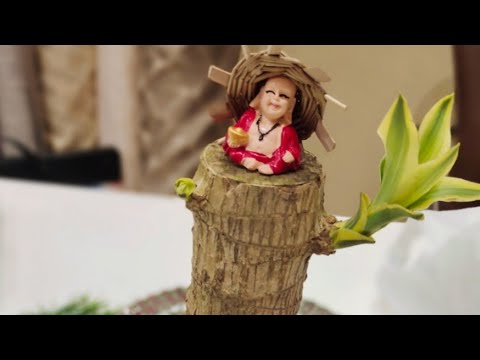
Look for a brown cane segment sitting upright in a shallow tray, often with stones, figurines, or a tiny display pot. New shoots should look glossy green, and the cane surface may feel slightly ridged or waxy rather than soft, slimy, or hollow.
Healthy Signs
Healthy signs include a firm cane, clear water, no foul smell, visible nodes, green shoots, and roots that look pale, cream, tan, or light brown. When I rinse a good tray, the water feels clean and slick only from normal plant film, not sticky or rotten.
Warning Signs
Warning signs include a black base, sour odor, cloudy water, fuzzy mold, deep cracks, collapsing bark, or a cane that gives way like a soaked cork. Beginners often wait too long with a smelly cane; the better move is to clean the tray, reduce water depth, and remove soft tissue right away.
Plant Benefits
Brazilian wood plant benefits are mostly practical and decorative: it fits tight spaces, adds green growth to desks, works as a small gift plant, and teaches water-growing basics without a large pot of soil. Its biggest benefit is visual feedback; clear water, firm cane texture, and leaf color tell you fast whether care is working.
Brazilian Wood Plant Care
Brazilian wood plant care works best when you keep the cane warm, bright, clean, and only partly wet. Most failures come from deep water, dirty trays, cold rooms, harsh sun, or fertilizer used before the plant has active roots and shoots.
| Care Factor | Recommendation | Risk If Ignored |
|---|---|---|
| Light | Bright, indirect light | Weak growth in shade; scorched leaves in direct sun |
| Water level | About 0.5–1 inch for many small kits | Rot if too much cane stays submerged |
| Water changes | Every 3–7 days | Algae, bacteria, odor, cloudy water |
| Temperature | 65–80°F | Slow sprouting or cold stress |
| Humidity | Moderate indoor humidity | Brown tips in very dry air |
| Fertilizer | ¼-strength during active growth | Burned tips, algae, root stress |
| Soil | Well-draining mix after roots form | Soggy soil and rot |
Light Requirements
Bright indirect light is the sweet spot for Brazilian lucky wood. An east window, a bright desk away from direct sunbeams, or a spot a few feet from a south or west window gives enough light without heating the water like a little greenhouse.
Water Level

Use shallow water, often around 0.5–1 inch for small cane kits, unless your seller gives a different depth for that exact product. The base should stay wet, but the whole cane should never sit underwater because the covered bark softens and starts to rot.
Temperature Range
The best temperature range is 65–80°F, with steady warmth doing more for sprouting than extra fertilizer. Cold windowsills, drafty doors, and air-conditioning vents slow the cane down; below 55–60°F for long periods, stress signs show fast.
Humidity Needs
Humidity needs are moderate, so most homes work if the plant sits away from heat vents. If leaf tips feel dry and papery, group it near other houseplants or use a nearby pebble tray, but don’t keep the cane constantly wet above the base.
Fertilizer Use
Use fertilizer sparingly, only after shoots or roots are active, and dilute liquid plant food to about ¼-strength. Too much feed in standing water turns the tray slick, green, and sour-smelling, and it can burn tender roots before the plant can use the nutrients.
Soil Conditions
Soil conditions matter only after the cane has roots. Use a small pot with drainage and a loose indoor mix; heavy garden soil packs around young roots, holds water against the cane, and makes the base feel cold and soggy.
Practical Notes From Real-World Use: the fastest decline I see comes from owners topping up water without rinsing the tray, so the old film stays behind and feeds bacteria. A quick rinse every few days, using your fingers to feel for slime around the base, prevents more failures than any special additive.
How to Grow Brazilian Wood
To grow Brazilian wood, place a firm cane base in shallow clean water, set it in bright indirect light, change the water every 3–7 days, and keep the room near 65–80°F. Sprouting can take 2–8 weeks, so judge progress by firmness and smell before giving up.
Water Setup
Water setup should be simple and clean. Rinse the tray first, stand the cane upright, add 0.5–1 inch of water, place it in bright indirect light, and keep decorative stones from trapping rotting bits against the base.
- Rinse the container with clean water before use.
- Set the cane upright with only the base touching water.
- Add shallow water, usually 0.5–1 inch for small kits.
- Place the plant in bright indirect light.
- Change water every 3–7 days.
- Wipe away slime or algae when you refill the tray.
- Wait for shoots or roots before feeding.
Sprouting Timeline
The usual sprouting timeline is 2–8 weeks, with little visible change during the first 1–2 weeks. Warmth, fresh cane tissue, clean water, and active nodes shorten the wait, while shipping stress, cold rooms, and stale water stretch it out.
Move to Soil
Move to soil only after visible roots reach about 1–2 inches and the cane is still firm. Potting too early forces a rootless cane to handle a new moisture pattern, and that shock often shows as yellowing leaves or a soft base.
Soil Aftercare
Soil aftercare means light watering, bright indirect light, and no fertilizer for the first few weeks after potting. Keep the mix slightly moist but never muddy; when the surface starts to dry and the pot feels lighter, water again.
Growing Mistakes
Growing mistakes include fully submerging the cane, leaving old water in the tray, placing it in direct sun, adding strong fertilizer, or assuming every decorative stump is guaranteed to sprout. The pro workaround is boring but reliable: shallow water, steady warmth, and frequent tray rinses.
Common Brazilian Wood Problems
Brazilian wood problems usually trace back to water depth, water cleanliness, light, temperature, or cane viability. Troubleshoot by touching the cane, smelling the water, checking light exposure, and looking for firm nodes before adding fertilizer or moving it again.
| Problem | Likely Cause | Best Fix |
|---|---|---|
| Not sprouting | Cold, low light, stale water, weak cane | Improve warmth and light, wait up to 8 weeks if firm |
| Turning black | Rot from deep or dirty water | Clean tray, lower water, remove soft tissue |
| Yellow leaves | Stress, old water, low light, overfeeding | Refresh water, improve light, pause fertilizer |
| Brown tips | Dry air, water chemicals, fertilizer burn | Use filtered water, dilute feed, avoid vents |
| Mold and algae | Dead tissue, light hitting nutrient-rich water | Clean weekly, reduce fertilizer, keep out of direct sun |
| Bad smell | Stagnant water or decay | Rinse tray and inspect cane for soft rot |
Not Sprouting
Not sprouting doesn’t always mean the cane is dead. If it stays firm and clean-smelling, give it up to 8 weeks, move it to brighter indirect light, keep water shallow, and hold the room near 65–80°F.
Turning Black
Turning black at the base usually points to rot, especially if the area feels soft or smells sour. Remove the cane, rinse the tray, trim away mushy tissue if there’s still firm wood above it, and restart with fresh shallow water.
Yellow Leaves
Yellow leaves can come from low light, shipping stress, stale water, heavy fertilizer, or natural aging of older leaves. Remove fully yellow leaves, pause feeding, refresh the water, and watch whether new growth comes in green.
Brown Tips
Brown tips often point to dry air, mineral-heavy tap water, chlorine or fluoride sensitivity, or fertilizer burn. Filtered, distilled, or rainwater helps, and a weaker nutrient mix is safer than trying to push faster growth.
Mold and Algae
Mold and algae show up when wet organic surfaces, bright light, and nutrients sit together too long. Clean the tray every week, change water every 3–7 days, remove dead tissue, and keep the container out of hot direct sun.
Bad Smell
A bad smell is one of the clearest signs something is wrong. Fresh plant water may smell faintly earthy, but sour, swampy, or rotten-egg odors mean stagnant water, decaying tissue, or a cane that’s failing from the inside.
Safety and Similar Plants
Brazilian lucky wood should be treated cautiously around pets and children because many kits resemble Dracaena-type plants, and the exact identity may not be verified. It also gets confused with lucky bamboo, corn plant, pau-brasil, and Brazilian hardwood, which are different categories with different risks.
Pet Toxicity
Pet toxicity is a real concern if your Brazilian wood plant is a Dracaena-type cane. The ASPCA Dracaena listing notes toxicity to cats and dogs, with possible signs such as vomiting, drooling, appetite loss, lethargy, and dilated pupils in cats.
Child Safety
Child safety mostly involves choking hazards and dirty plant water. Keep pebbles, tiny figurines, and trays out of reach, and don’t let children touch or drink water that may contain fertilizer, bacteria, algae, or decaying plant film.
Vs Lucky Bamboo

Lucky bamboo is commonly linked to Dracaena sanderiana and grows as slender green stalks, while Brazilian lucky wood is sold as a thicker stump or cane. Both can grow in water, and neither is true bamboo.
Vs Corn Plant
Corn plant usually refers to Dracaena fragrans, a larger cane houseplant with long strap-like leaves. Brazilian lucky wood may resemble a small cane cutting from that plant group, but mini kits stay much smaller for a long time.
Vs Brazilwood Tree
The Brazilwood tree is Paubrasilia echinata, the historic pau-brasil tree tied to red dye and conservation concerns. A Brazilian wood plant kit is an indoor novelty cane, not a young pau-brasil tree.
Vs Brazilian Hardwood
Brazilian hardwood is lumber, not a houseplant, and it includes species used for decks, floors, and furniture. If your search is about flooring tones, grain, or hardness, compare options such as Brazilian cherry and the wood hardness scale instead of plant-care advice.
Where to Buy Brazilian Wood Plant
The best answer to where to buy Brazilian wood plant is: start with plant-focused listings that clearly say live plant, starter plant, or viable cane, then verify reviews, photos, shipping protection, and care instructions. A cheap kit with no growth guarantee can cost more in frustration than a slightly better one with firm canes and clear support.
Buying Channels
Buying channels include Amazon, Etsy, Walmart-style marketplaces, online plant shops, and local plant stores. Local stores may not use the Brazilian lucky wood name, so ask for Dracaena cane plants, lucky bamboo, hydroponic desk plants, or small cane starter plants.
Quality Checklist
Use this quality checklist before buying, especially if the listing uses heavy gift language but gives little plant detail. Good listings show real customer photos, clear size notes, live-plant wording, and instructions for shallow water care.
- Choose listings that say live plant, viable cane, or starter plant.
- Look for visible green shoots or firm cane photos.
- Check recent reviews for mold, bad smell, and no-growth complaints.
- Confirm whether a tray, pot, stones, or nutrient solution is included.
- Read the replacement or refund policy before checkout.
- Avoid listings that mix plant, supplement, and lumber wording in one product page.
Pricing Factors
Pricing factors include cane size, number of canes, tray quality, decorative accessories, nutrient solution, packaging, shipping speed, and whether the seller treats it as a live plant or a novelty gift. Always compare the delivered cost because low item prices can lose their appeal after shipping fees.
Seller Red Flags
Seller red flags include edited-only images, no care instructions, no live-plant wording, repeated reviews mentioning rot, and vague claims that every stump will sprout. A reliable seller explains water level, light, shipping stress, and what to do if the cane arrives soft or damaged.
Starter Plant Kits
Starter plant kits are useful if you want the cane, tray, and display pieces in one package rather than sourcing each part separately. Compare these options by cane firmness, care instructions, customer photos, and shipping protection.

Brazilian Lucky Wood Plant
- Easy-care indoor plant with a unique decorative look
- compact size fits desks shelves and small spaces
- adds a natural touch to home or office decor
- great for gifting or personal display
- comes ready to brighten your space
 Buy on Amazon

Brazilian Lucky Wood Starter Plant
- Includes nutrient solution for easier plant care
- compact starter plant for home or office display
- adds a fresh natural accent to your room
- simple setup for beginner-friendly growing
- makes a thoughtful decorative gift
Buy on Amazon

Mini Lucky Wood Gift Kit
- Fun mini kit with tray and decorative figures
- designed for desk decor and small spaces
- playful housewarming gift with lucky charm appeal
- compact display adds personality to any room
- great for offices dorms and tabletops
Buy on Amazon

Lucky Wood Houseplant Kit
- Natural houseplant kit for home or office decor
- compact size works well in bedrooms and workspaces
- chosen for its lucky charm and fresh look
- adds a calming green touch to your room
- easy decorative plant gift for any occasion
Buy on Amazon
Plant Food
Plant food can support active growth, but it won’t revive a rotten or dead cane. Use a diluted liquid formula only after roots or shoots appear, and flush the tray with fresh water if the surface turns slick, green, cloudy, or sharp-smelling.

Brazilian Wood Plant Food
- Liquid formula for easy feeding and mixing
- supports fuller green leaves and healthy growth
- helps encourage strong cane development
- convenient 8 oz bottle for routine care
- ideal for maintaining vibrant indoor plants
Buy on Amazon
FAQs
What Is Brazilian Lucky Wood?
Brazilian lucky wood is a popular ornamental plant piece often sold as a stem cutting or rooted plant for indoor growing. It is commonly associated with lucky bamboo-style houseplants and is valued for its easy care and decorative look.
Is Brazilian Wood A Real Plant?
Yes, Brazilian wood is a real plant, but the name is often used loosely by sellers. In many cases, it refers to a woody tropical houseplant or a decorative cutting rather than a single official botanical species.
How Do You Take Care Of A Brazilian Wood Plant?
Brazilian wood plants do best in bright, indirect light, warm temperatures, and well-draining soil. Water when the top layer of soil feels dry, and avoid letting the roots sit in standing water.
Wiping the leaves occasionally and using a balanced fertilizer during the growing season can also help the plant stay healthy.
Why Is My Brazilian Wood Not Growing?
Your Brazilian wood may not be growing because of low light, overwatering, underwatering, or cold temperatures. Slow growth can also happen if the plant is adjusting to a new location.
Check the roots, improve light levels, and keep care consistent to encourage healthy new growth.
Where Can I Buy A Brazilian Wood Plant?
You can buy a Brazilian wood plant from garden centers, local nurseries, and online plant shops. Make sure the seller provides clear photos and care details so you know exactly what plant you are getting.
Buying from a reputable source also reduces the chance of receiving a damaged or mislabeled plant.
Affiliate Disclosure: Some links in this post are affiliate links. If you make a purchase through these links, we may earn a small commission at no extra cost to you. We only recommend products we genuinely believe in.