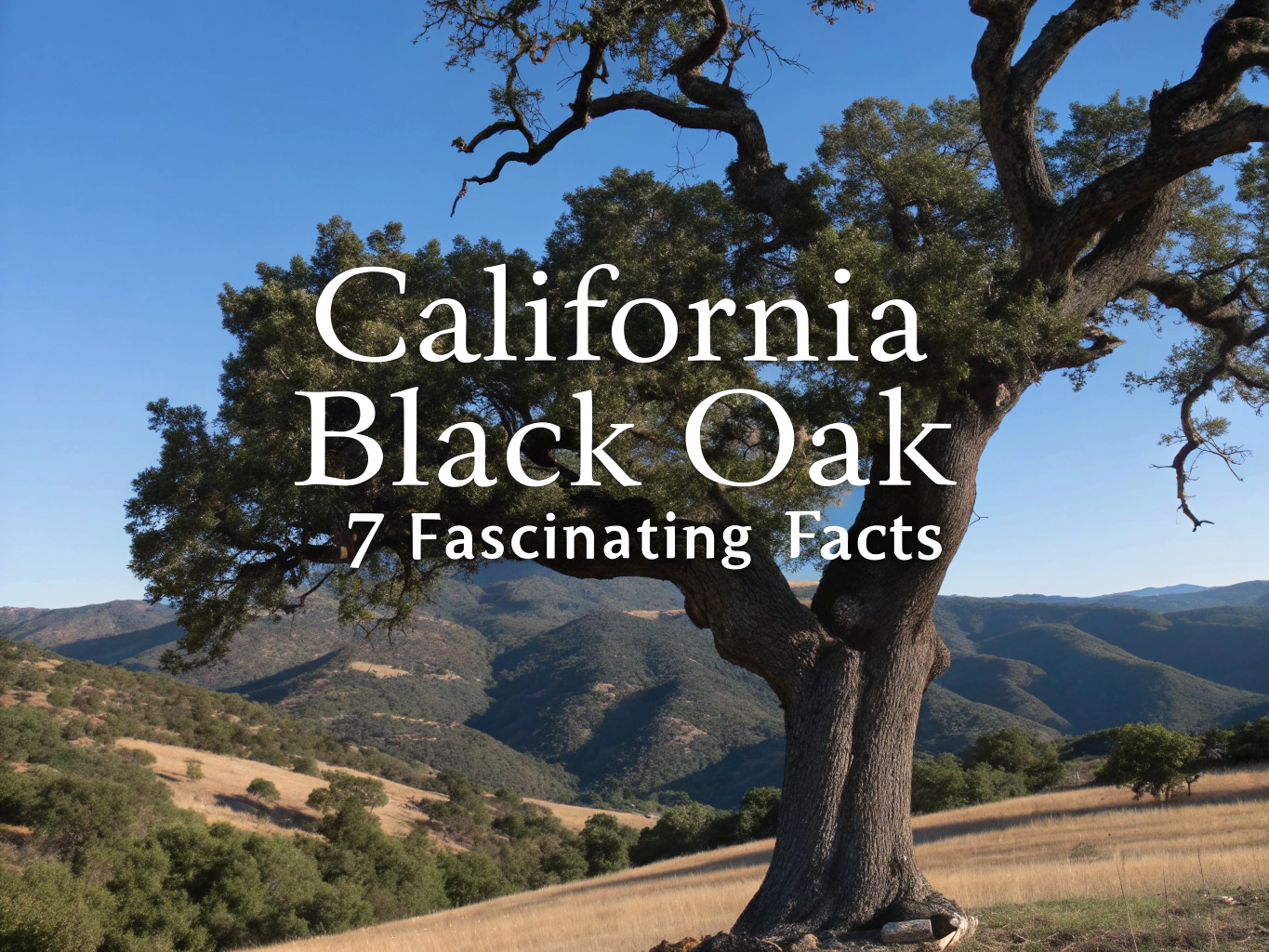

Surprising fact: some California black oaks can live up to 500 years and reach 130 feet. They drop large crops of acorns that feed birds and deer. After fire or cutting, many trees sprout from the base and grow again. This post shares seven clear facts about the California black oak, including where it grows, how big it gets, how it helps wildlife, and how people use its wood.
Table of Contents
Learn what makes the California black oak stand out among North American hardwoods. This guide packs quick facts, science-backed details, and practical tips for growing, managing, and using black oak wood.
1. Origin and Natural Classification
Quercus kelloggii grows native in western North America, with strongholds in California and pockets in southern Oregon. It thrives in oak woodlands and mixed hardwood–conifer forests across slopes, valleys, and foothills, according to the USDA FEIS profile (USDA FEIS).
This species sits in the red oak group and differs from the eastern black oak found east of the Rockies. For wood buyers comparing grain and performance, start with a plain-language look at red oak wood to see how group traits show up in lumber.
Site preference is flexible but favors full sun to partial shade and deep, well-drained soils. You’ll also see it on moist benches and dry slopes where roots can spread wide and anchor the tree.
2. Impressive Physical Dimensions and Growth
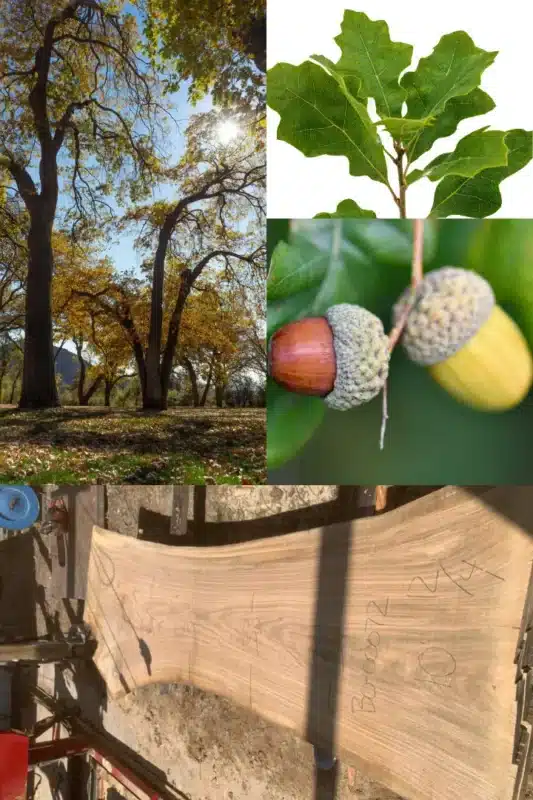
Mature trees usually reach 30–90 feet, with exceptional giants up to 130 feet. Trunks often measure 14–40 inches in diameter, and record trees top out near 108 inches; bark ages from dark brown to nearly black with deep, blocky ridges that look like “puzzle pieces” (Oregon State OWIC).
Growth is quickest in the first 25 years, then slows as crowns expand and stands compete for light. By age 65, open-grown trees often reach 13–14 inches in diameter; crowded trees lag behind.
| Trait | Typical Range | Exceptional Records |
|---|---|---|
| Height | 30–90 ft | Up to 130 ft |
| Trunk diameter | 14–40 in | Up to 108 in |
| Bark (maturity) | Dark, ridged | Thick, deeply fissured |
| Leaf color (season) | Pink-red to olive | Yellow-orange in fall |
3. Remarkable Longevity and Maturity Timeline
These oaks can live up to 500 years, with many stands dominated by older individuals. Full maturity often arrives near 90 years, though site quality and competition shift the pace (NPS Yosemite: Black Oaks).
Early life focuses on height and canopy expansion, midlife on diameter and crown shape, and late life on cavity formation and wildlife value. Stand-level density drives form: open-grown trees spread wide; shaded trees reach up and stay narrow.
4. Critical Wildlife and Ecosystem Support
Acorns are a keystone food for birds, rodents, deer, and bears; big mast years can shift local deer numbers and movement. Large, hollow oaks create nesting and den space, further boosting biodiversity (USDA FEIS).
- Food: Steller’s jays, woodpeckers, scrub-jays, band-tailed pigeons, ground squirrels, bears, and deer rely on the crop.
- Habitat: Cavities in older trunks shelter owls, chickadees, nuthatches, raccoons, and martens.
- Understory value: Leaf litter and shade support fungi, invertebrates, and soil health.
“Where black oak is abundant, acorn production and cavity habitat shape much of the wildlife community.”
USDA FEIS summary
5. Unique Reproduction and Regeneration Methods
After fire or cutting, trees respond with vigorous basal sprouts, and larger parent trees usually sprout best. Seeds germinate readily, yet many seedlings fail to become saplings because of drought, gophers, and late spring frost, so managers target that bottleneck.
To boost survival, combine light thinning, controlled burns, and brush reduction to open light and reduce competition. Simple fertilization and protective tubes can lift early growth and cut browse damage.
If you’re milling or drying this species, the following references help reduce defects in boards and improve yield.

Handbook for Managing California Black Oak & Hardwoods
- Practical guidance for harvesting and utilizing hardwoods
- species-specific care for California black oak, pacific madrone, and tanoak
- step-by-step manufacturing and drying techniques
- marketing and economic tips for small-scale operations
- region-focused advice for California and southern Oregon
 Buy on Amazon

Guide to Drying California Black Oak
- Detailed methods for air-drying and kiln-drying California black oak
- tips to minimize cracking, warping, and staining
- suggested drying schedules for different boards and thicknesses
- practical storage and seasoning advice for woodworkers
- historically rooted techniques tested in the region
Buy on Amazon
6. Traditional and Contemporary Uses
Communities across California leached and ground acorns into food for centuries, a practice still used by some for seasonal dishes. The nut remains edible once tannins are leached, adding a regional tie to modern cuisine.
Today the wood serves in cabinetry, flooring, turning blanks, and firewood, with color and grain similar to other red oaks. For specs and buying tips, compare red oak vs white oak before you pick grade, cut, and finish for your project.
Landscapers value its shade, habitat benefits, and drought tolerance in native gardens once established. If you’re planting, a nursery-grown start is a simple way to get going.

California Black Oak Seedling — Medium
- Healthy medium-sized black oak seedling ready for transplanting
- ideal for shade trees and native landscaping projects
- establishes quickly with basic care
- low-maintenance once established
- shipped and supplied by The Jonsteen Company
Buy on Amazon
7. Environmental Adaptations and Conservation Status
Deep, wide roots boost drought survival and slope stability, while thick, fissured bark on mature trees adds fire protection. Young trees start with thin bark, then build defenses as diameter increases and crowns expand.
Many valleys show high numbers of seedlings and old trees but fewer saplings, hinting at a survival gap into adulthood. Yosemite studies discuss these trends and management responses (NPS Yosemite: Black Oaks), prompting projects that favor light, reduce browsing, and time burns to protect regeneration.
For homes and offices, the foliage inspires art and decor that connects people to native forests. A quality print pairs well with natural frames and warm wood interiors.

Black Oak Leaves Giclee Art Print
- High-quality giclee reproduction capturing dynamic leaf movement
- available in multiple sizes for custom framing
- vivid archival inks for long-lasting color
- unframed format for flexible display options
- elegant nature-themed decor for home or office
Buy on Amazon
FAQs
What Are The Growth Requirements For California Black Oak?
California Black Oak Thrives In Well-Drained Soils Ranging From Sandy To Loamy, Prefers Full Sun To Light Shade, And Is Adapted To Dry Summers With Most Rainfall In Winter. It Grows Best In USDA Zones Roughly 5–9, Tolerates A Range Of Elevations, And Needs Regular Deep Watering While Young; Once Established It Is Drought Tolerant But Benefits From Supplemental Water In Extended Dry Spells.
How Can You Identify A California Black Oak Tree?
Identify California Black Oak By Its Deeply Lobed, Sharp-Toothed Leaves That Turn Golden Or Reddish In Fall, Dark, Rough, And Furrowed Bark, And The Presence Of Small Acorns With Shallow Cups. Mature Trees Often Have An Open, Spreading Crown And Can Be Found On Hillsides And Mixed Oak Woodlands.
Are California Black Oaks Good For Wildlife Habitats?
Yes. California Black Oaks Produce Acorns That Provide Critical Food For Deer, Squirrels, Birds, And Other Wildlife, Offer Nesting And Roosting Sites For Birds, And Support A Diverse Insect Community That Benefits The Entire Food Web. Their Presence Greatly Increases Local Biodiversity.
What Is The Lifespan Of A California Black Oak Tree?
California Black Oaks Commonly Live 100–300 Years Depending On Site Conditions, Disturbance, And Disease Pressure. Some Individuals May Live Longer Under Ideal Conditions, While Others Reach Maturity More Quickly But Have Shorter Lifespans If Stressed By Drought, Fire, Or Human Impacts.
How Do You Properly Care For A California Black Oak?
Plant In A Sunny Spot With Well-Drained Soil, Water Deeply And Infrequently To Encourage Deep Roots, Apply Mulch To Conserve Moisture And Protect Roots, And Avoid Excessive Fertilization. Prune Sparingly To Remove Dead Or Crossing Branches, Protect The Root Zone From Compaction And Trunk Damage, And Monitor For Pests Or Disease; In Fire-Prone Areas, Follow Local Best Practices For Fuel Management.