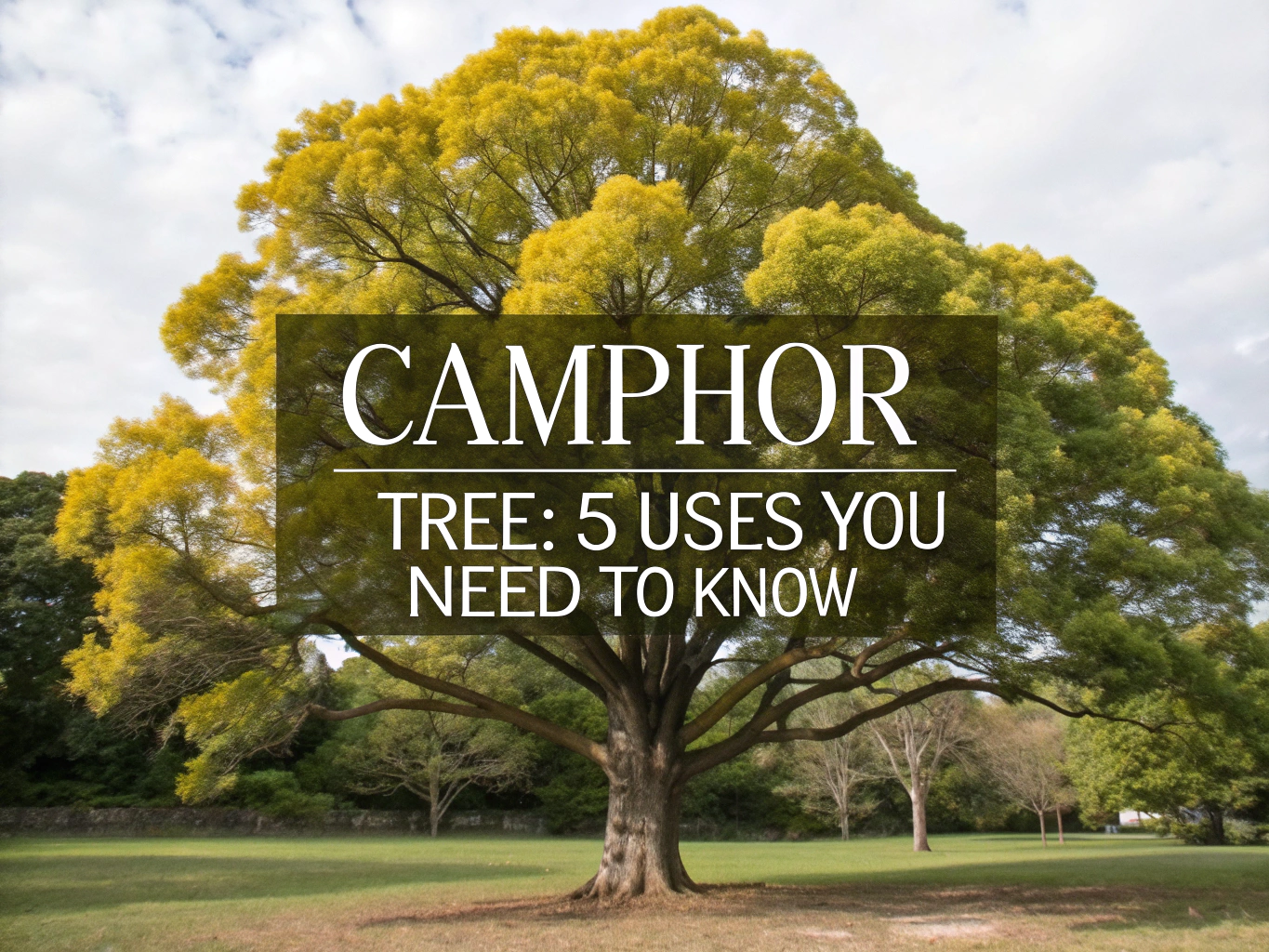
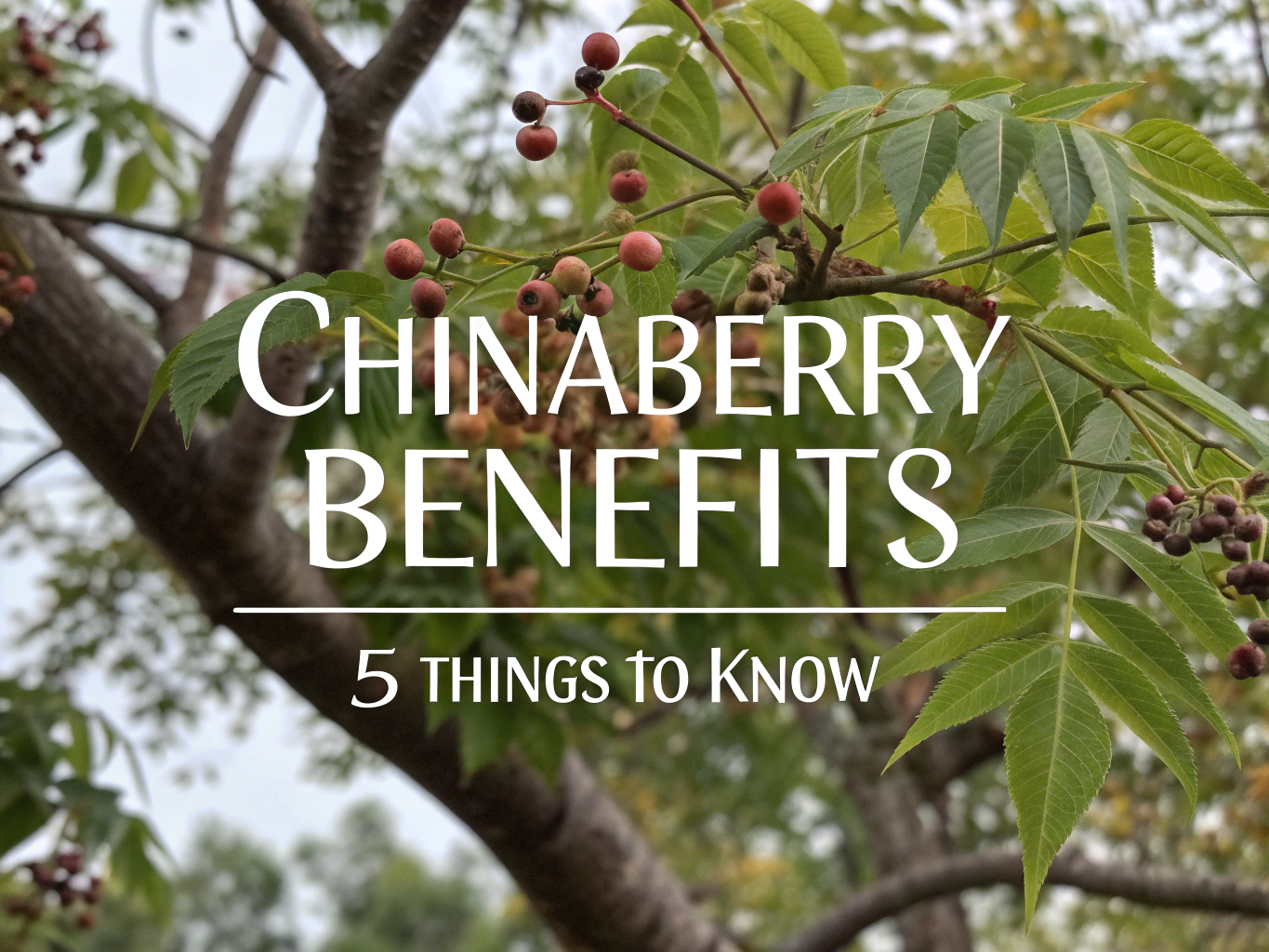

Did you know chinaberry fruits attract birds that help the tree spread far from where it was planted? The wood has a warm grain and is often used for small bowls and crafts. At the same time, the tree can be invasive in some places and parts of it are toxic. Read on for five clear points about chinaberry wood, including uses, risks, and safety tips.
Table of Contents
Chinaberry is a fast-growing hardwood known for showy flowers, yellow fruit, and useful wood. This guide explains the chinaberry tree, its uses, risks, and where it thrives, including common questions about the china berry tree and the chinaberry tree Texas.
1. What Is Chinaberry Wood
Botanical Profile and Identification
Botanically, chinaberry (Melia azedarach) goes by many names: chinaberry tree, china berry tree, Texas umbrella tree, Indian lilac, bead tree, and white cedar berry. Look for bipinnate to tripinnate leaves up to about 2 feet long, lilac‑purple spring flowers in clusters, and yellow drupes that hang on into winter.
In North America it usually reaches about 50 ft with a rounded crown and a single trunk. For a detailed botanical summary, see the USDA Fire Effects Information System entry on Melia azedarach USDA FEIS species review.
Native Origins and Global Distribution
The species is native to eastern and southern Asia and parts of Australia. It was exported widely as an ornamental, so you’ll now see naturalized trees in warm regions across many continents.
Physical Characteristics and Growth
Chinaberry grows well in USDA zones 7b–11 and tolerates heat, drought once established, and varied soils. Expect fast juvenile growth, fragrant spring blooms, and persistent fruit that feeds birds but can be toxic to people and pets.
| Trait | Details |
|---|---|
| Mature height | Up to ~50 ft (15 m) |
| Crown form | Rounded, spreading |
| Leaves | Alternate, bi/tripinnate, to ~2 ft |
| Flowers | Showy clusters, pink to purple, spring |
| Fruit | Yellow wrinkled drupes, ~0.4–0.5 in, persisting |
| Hardiness | USDA 7b–11 |
| Growth rate | Fast when young |
2. Origins and Spread Across the United States
Introduction as Ornamental Species
Chinaberry arrived in the U.S. in the early 1800s as a showy shade tree. Historical notes on its introduction and horticultural appeal appear in the Melia azedarach entry, which matches nursery catalogs from that era and later landscape use.
Chinaberry Tree Texas Distribution
Texans know the chinaberry tree Texas for its tough nature along fencerows, creeks, and vacant lots. It thrives from the Gulf Coast to Central and North Texas, where birds spread seeds from landscapes into wild sites.
Current Range and Naturalization
Today it’s common across the South and Southeast, with scattered records in warmer pockets of the West. You’ll find it along roadsides, open woods, disturbed ground, and riparian edges where seedlings form small thickets.
3. Practical Uses and Applications
Traditional and Modern Woodworking
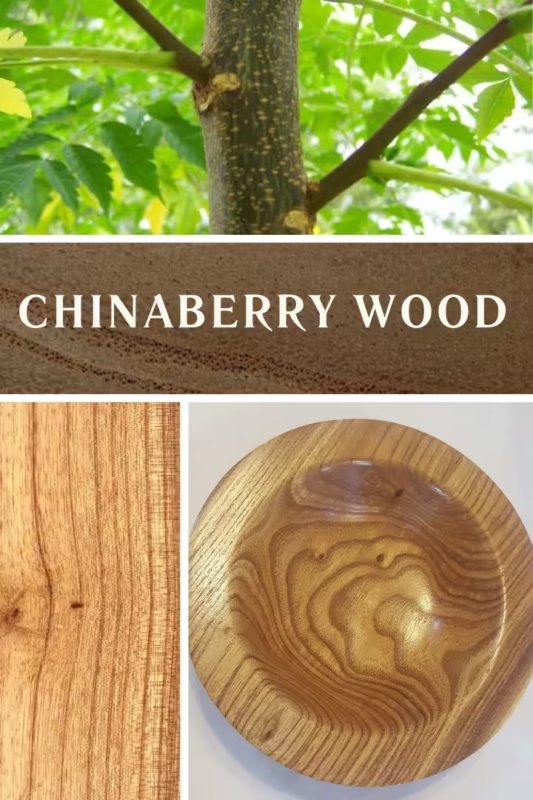
Woodworkers turn chinaberry into bowls, trays, beads, and small furniture. The wood machines easily and finishes to a soft luster; for reference on tone and workability, compare to cherry wood or lighter olive wood pieces for color pairing in mixed‑species projects.
For best results, sticker-dry boards to reduce warp, use sharp carbide for end grain, and seal with a food-safe oil for decorative bowls. If you sell crafts, add a care card and mark items “for decorative use” because fruit and seeds are poisonous.
Quick shop tips can save time and material. Use these practical steps to get clean results:
- Pre-drill small hardware to prevent splitting in drier stock.
- Apply dewaxed shellac as a sanding sealer before oil/varnish.
- Keep offcuts for beads or inlay; chinaberry carves smoothly.
- Match grain with contrasting species like mahogany wood for visual depth.
Natural Insecticidal Properties
Leaves and wood have compounds that repel some insects, a trait used in traditional storage practices. Don’t use any part on or near food, and keep plant materials away from kids and pets because the same compounds make the tree toxic.
Ornamental and Shade Value
Homeowners plant it for quick shade and spring flowers. If you value wildlife without spread, deadhead fruit clusters where possible and monitor seedlings; consider native or less-assertive alternatives if your site connects to natural areas.
See a short, relaxing clip that pairs nicely with tree talk and seasonal interest. It can spark fresh ideas for garden design or craft inspiration.
4. Top Chinaberry Products and Crafts
Here are popular chinaberry items for decor, crafting, and planting; check options that fit your project goals.
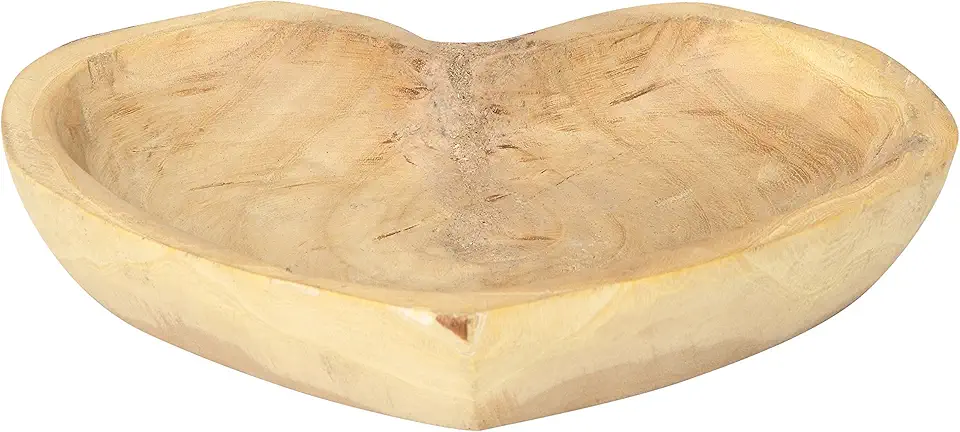
Chinaberry Wood Heart Bowl — Decorative Catchall
- Handcrafted heart-shaped bowl
- unique grain, decorative accent, fits dresser or entryway
 Buy on Amazon

Chinaberry Bark (Ku Lian Pi) — 4 oz
- Clean, dried chinaberry bark for traditional or craft uses
- airtight packaging
Buy on Amazon
Naturals Chinaberry Powder — 200 g
- Finely-ground chinaberry powder
- pure and versatile, resealable, 200 g pack
Buy on Amazon

Melia azedarach Chinaberry Seeds — 10 Pack
- Pack of 10 seeds for ornamental/landscape planting
- beginner-friendly, compact
Buy on Amazon
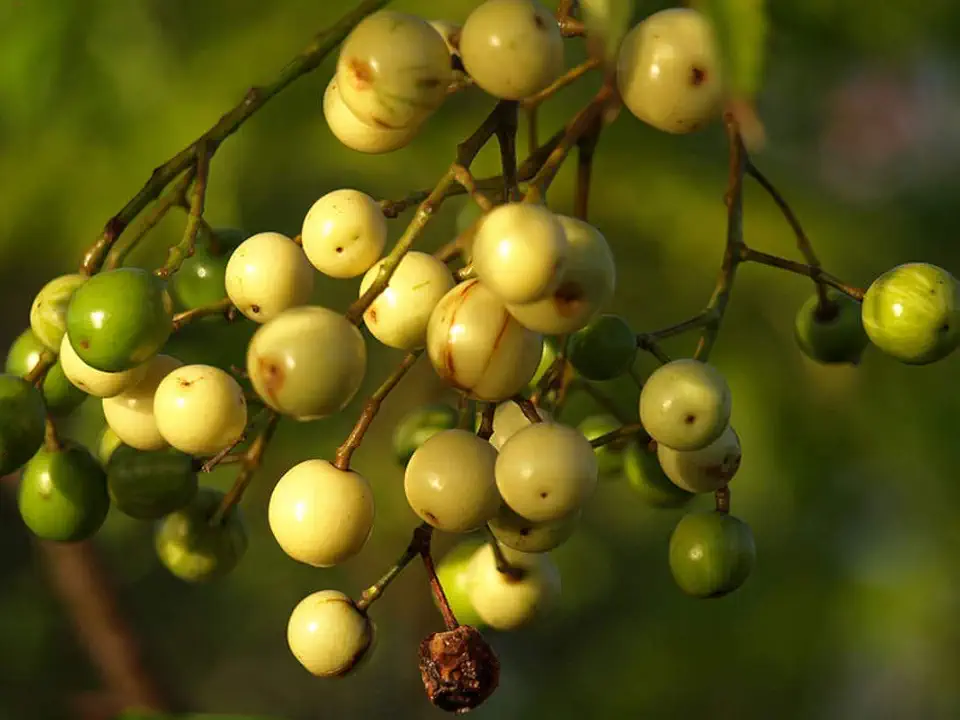
20 Chinaberry Tree Seeds (Melia azedarach)
- Pack of 20 seeds for landscaping
- shade and ornamental use, easy planting
Buy on Amazon
Plant seeds only where spread is manageable, and label craft items to indicate non-food use. For species pairing in mixed projects, consider the tighter grain of persimmon wood for small accents.
5. Invasive Species Status and Environmental Impact
Classification as Invasive Species
Several states list chinaberry as invasive because it escapes cultivation, forms thickets, and displaces natives. See the profile at California Invasive Plant Council for a concise risk summary used by land managers and stewards.
Seed Dispersal and Spread Patterns
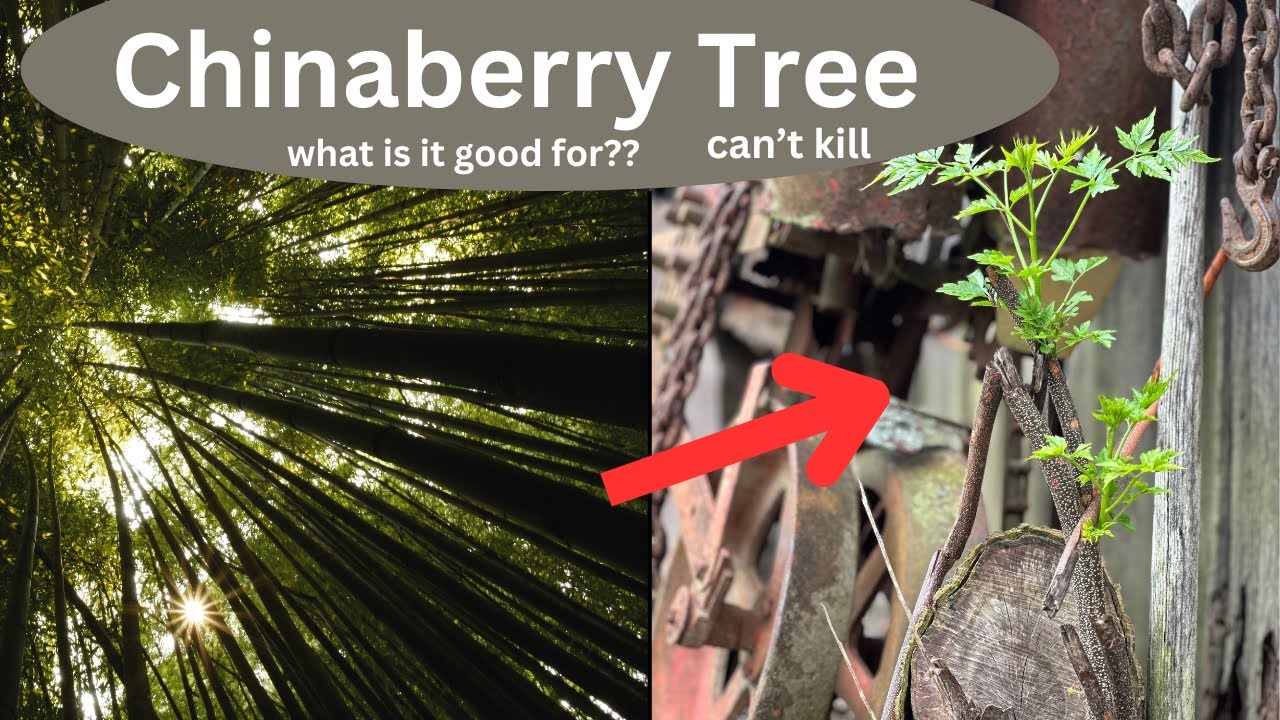
Birds feed on the fruit and move seeds far beyond yards. New seedlings often appear along streams, roadsides, and edges where light and disturbance give them a start.
Effects on Native Ecosystems
Allelopathic chemicals from leaves and roots can suppress nearby plants, leading to sparse groundcover under mature trees. Over time, dense patches reduce native flowers and seedlings that support local pollinators.
6. Toxicity and Safety Considerations
Toxic Compounds and Health Risks
All parts are poisonous, with the highest risk in seeds and ripe fruit. A clear consumer summary is available from Poison Control: Are chinaberry trees poisonous?, which outlines meliatoxins and typical exposure risks.
Symptoms of Poisoning
Call your local poison center if ingestion occurs and follow their advice. Common signs progress with dose; watch for these symptoms:
- Nausea, vomiting, and diarrhea.
- Abdominal cramps and salivation.
- Drowsiness, confusion, or weakness.
- In severe cases, neurological effects.
Safety Precautions for Handling
Wear gloves when handling fruit, bark, or green wood, and keep materials away from children and pets. Store seeds and crafted parts securely, label non-food use, and clean tools after milling plant parts.
7. Wildlife Relationships and Ecological Role
Bird Dispersal of Seeds
Birds consume the drupes and pass viable seeds, moving chinaberry along corridors and waterways. Regional programs, such as the Florida Natural Areas Inventory, note how fruit persistence and bird activity speed up spread.
Impact on Ground Vegetation
Under dense canopies, few seedlings of native herbs and shrubs survive. Leaf litter and allelopathy can create bare patches that reduce forage and cover for small wildlife.
Effects on Native Plant Communities
Where chinaberry dominates, expect lower native diversity and shifts in seasonal food resources. Land stewards often remove fruiting trees near preserves to reduce seed rain into high‑value habitats.
8. Cultural Significance and Literary References
Traditional Uses in Crafts
Seeds have long been used for beads, rosaries, and buttons; woodturners shape bowls and trinkets from pruned limbs. For contrasting accents, many artisans pair chinaberry with darker species like African mahogany to highlight grain.
Books and Stories About Chinaberry
These books feature the tree in titles or themes, offering parenting insights and rich storytelling you can enjoy under a shady canopy.

Under the Chinaberry Tree — Mindful Parenting
- Gentle reflections and parenting inspiration
- practical ideas for family connection
Buy on Amazon

Chinaberry — A Timeless Tale
- Engaging, character-driven storytelling
- evocative, literary narrative
Buy on Amazon

The Chinaberry Tree — A Moving Story
- Emotionally rich, beautifully paced story
- great for book group discussions
Buy on Amazon
Herbal and Traditional Medicine References
Ethnobotanical notes mention bark and fruit in traditional remedies, but toxicity risk is real. Do not ingest any part; if you work with bark in crafts, keep dust control tight and wash up after handling materials.
“Label it, store it safely, and keep it out of reach” is smart practice for any poisonous plant kept for craft or display.
Woodworker’s adage
FAQs
What Are The Uses Of Chinaberry Trees?
Chinaberry trees are commonly planted as ornamental shade trees because of their attractive, fragrant flowers and fast growth. They have been used as windbreaks, for erosion control, and occasionally for lightweight furniture or craft wood. Historically, parts of the tree have also been used for natural pest repellents and in traditional remedies, though their use is limited by toxicity and invasive tendencies.
Is A Chinaberry Tree Poisonous?
Yes. Chinaberry contains toxic compounds in its leaves, bark, seeds, and especially the fruit. Ingestion by humans, pets, or livestock can cause nausea, vomiting, diarrhea, dizziness, and in severe cases neurological symptoms or death. Handle the plant with care, keep children and animals away from the berries, and consult a professional if poisoning is suspected.
How Can I Identify A Chinaberry Tree?
Chinaberry is identifiable by its pinnate leaves with multiple leaflets, clusters of fragrant purple to lilac flowers in spring, and distinctive round yellow-orange berries about the size of marbles. The bark is gray and the tree typically grows as a small to medium-sized deciduous tree. The combination of compound leaves, showy flower clusters, and small round fruits is a reliable identifier.
What Are The Benefits Of Chinaberry In Traditional Medicine?
In traditional medicine systems, chinaberry has been used for its reported antiparasitic, anti-inflammatory, and antiseptic properties, applied as poultices or extracts for wounds, fevers, or intestinal parasites. However, scientific evidence is limited and the plant’s toxicity means it should not be used without guidance from a qualified practitioner; safer, well-studied alternatives are usually recommended.
How Do You Control Or Remove Invasive Chinaberry Trees?
Effective control combines mechanical and chemical methods: remove seedlings promptly, cut mature trees and treat stumps with a suitable herbicide (e.g., glyphosate or triclopyr) to prevent resprouting, and dig out root systems where feasible. Dispose of fruits and removed material to stop seed spread, monitor the area for regrowth, and consider replacing chinaberry with native species. For large infestations, consult local invasive species authorities or a professional arborist.