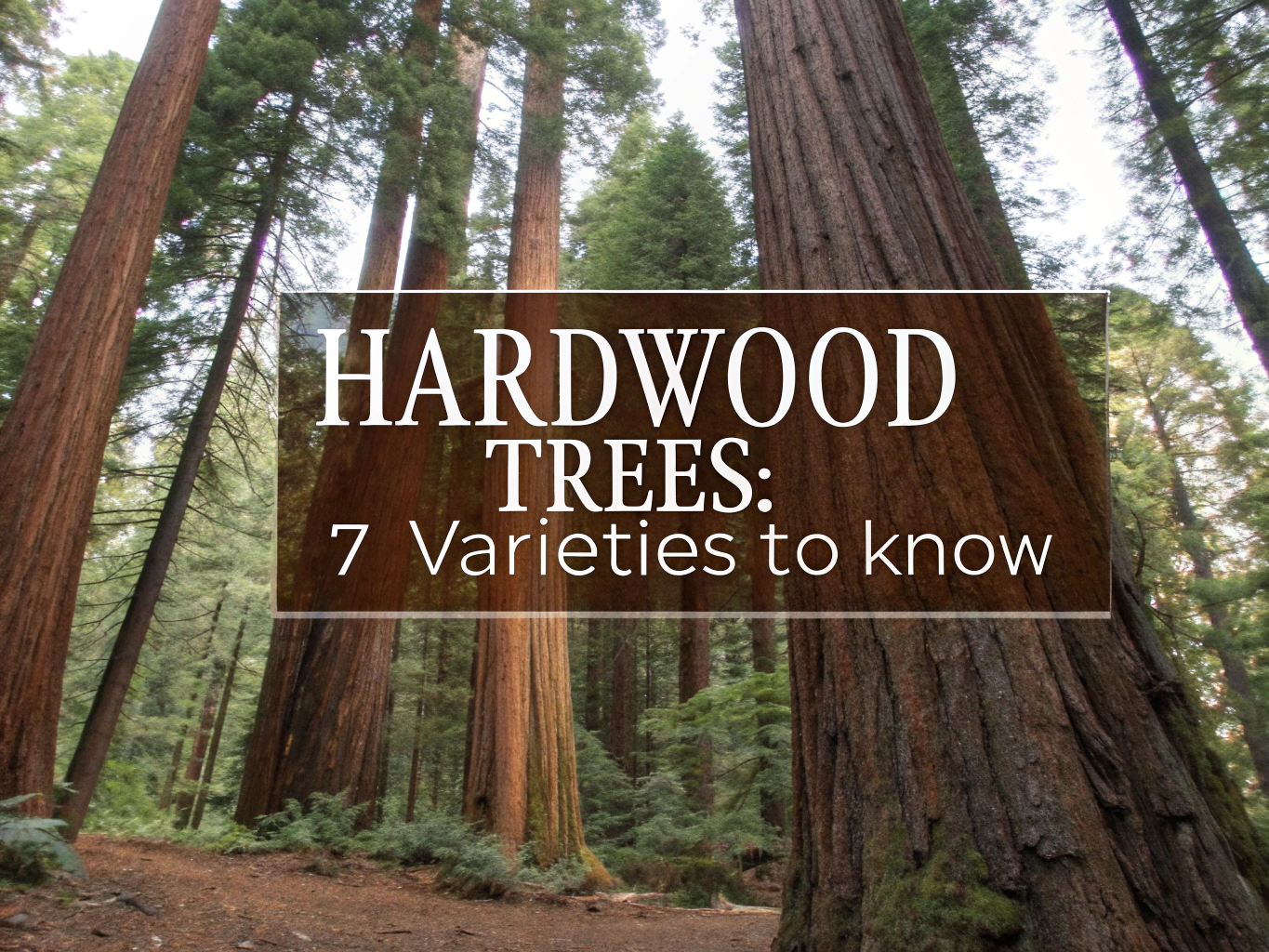

Did you know some hardwood trees can live for centuries and still produce nuts and useful timber? If you love trees, this short guide will help. It highlights seven common hardwood trees, their wood traits, wildlife value, and easy planting tips. Expect clear, friendly notes on species like butternut (Juglans cinerea), black walnut, black cherry, maple, and catalpa. Ready to learn which trees suit your yard or project?
Table of Contents
Hardwood trees shape forests, yards, and craft shops with durable timber and rich habitat. This guide explains key species, wood traits, and practical planting steps in clear, simple language.
What Are Hardwood Trees?
Defining Characteristics
These trees are angiosperms with broad leaves that usually drop in fall. They form ring‑porous or diffuse‑porous grain and are often denser than softwoods, which boosts wear resistance measured on the Janka scale; see the Penn State resource From the Woods: Ten Important Hardwoods for accessible details.
Common Uses and Applications
Hardwoods include trees such as oak, maple, walnut, cherry, hickory, birch, beech, and catalpa, which supply premium lumber. For exotic comparisons, see pau ferro and how it stacks up against native species.
- Furniture and cabinetry for long service life
- Flooring, paneling, and architectural trim
- Veneers for doors and casework
- Cutting boards, tool handles, and turned goods
- Musical instruments and restoration projects
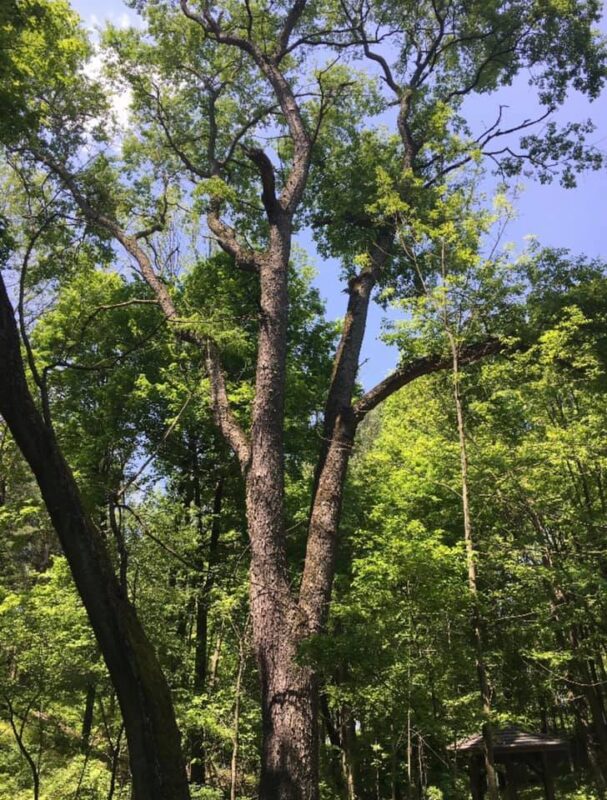
1. Black Cherry (Prunus serotina)
Wood Characteristics
The lumber shows a rich reddish-brown tone that deepens with age, straight grain, and fine texture. Typical density runs 600–800 kg/m³ with a Janka value near 4,430 N; see the American Hardwoods Guide for specs and uses.
Growth and Wildlife Value
Black cherry grows fast in the eastern U.S. and often reaches 60–80 feet. Birds and mammals relish its fruits, while landowners pair it with natives like the sourwood tree for diverse habitat.
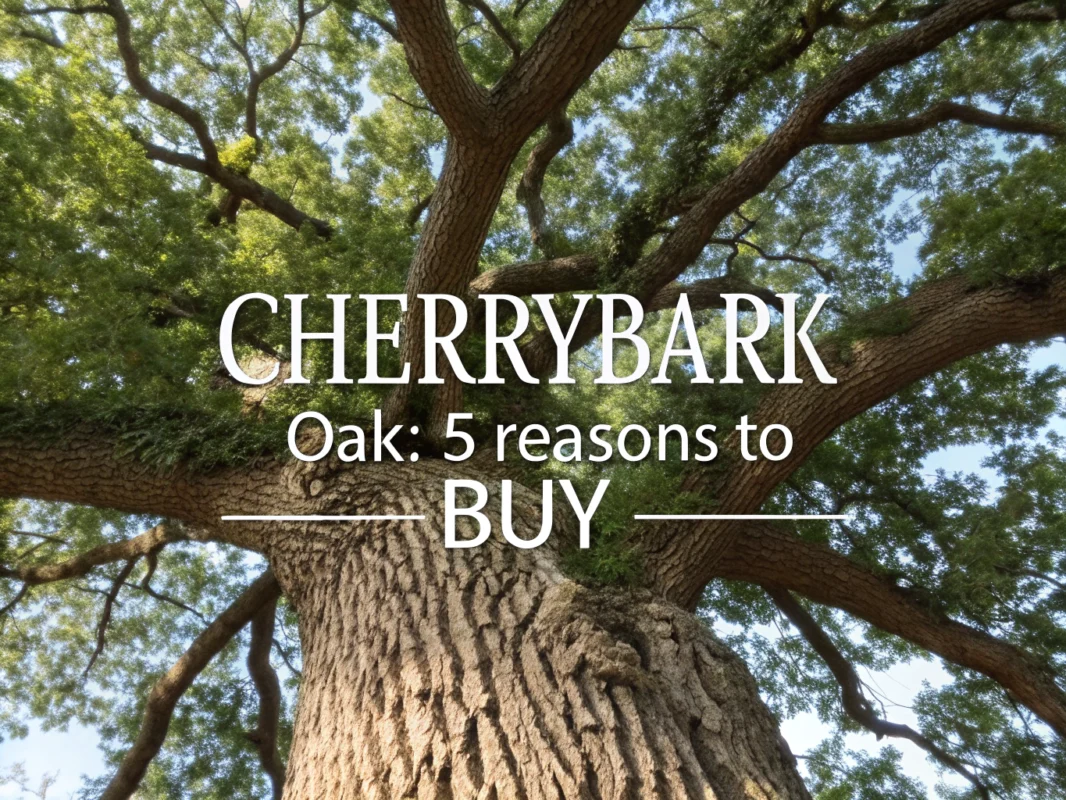
2. Northern Red Oak and Cherry Oak
Wood Properties
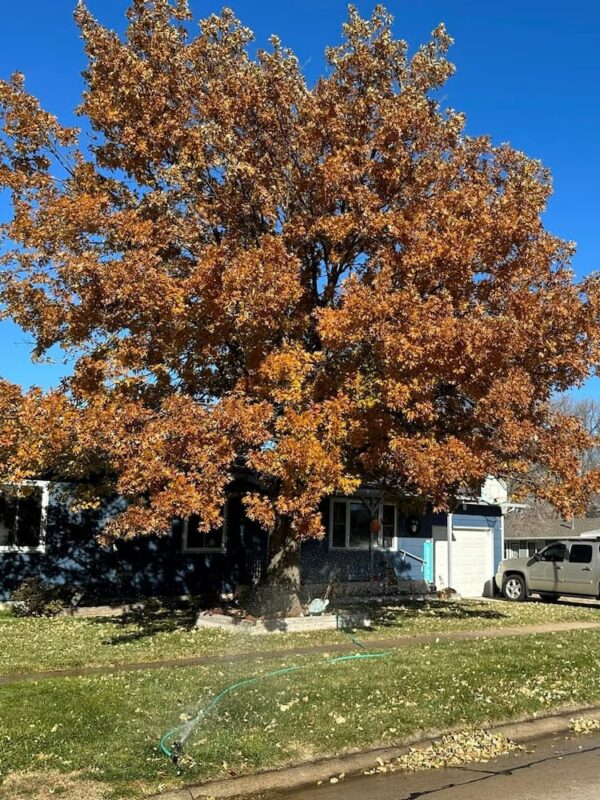
Northern red oak carries coarse, straight grain and a Janka hardness near 1,260 lbf, which makes it a flooring and cabinetry favorite. The tone called “cherry oak” refers to reddish-brown oak lumber; Indiana DNR’s tree species information page lists growth and timber notes.
Habitat and Longevity
These oaks thrive across eastern states on well-drained soils and can live for centuries. Their acorns feed deer, turkey, and many small mammals, while sturdy crowns cast deep shade for streets and parks.
3. American Chestnut and Chestnut Oak
Historical Significance
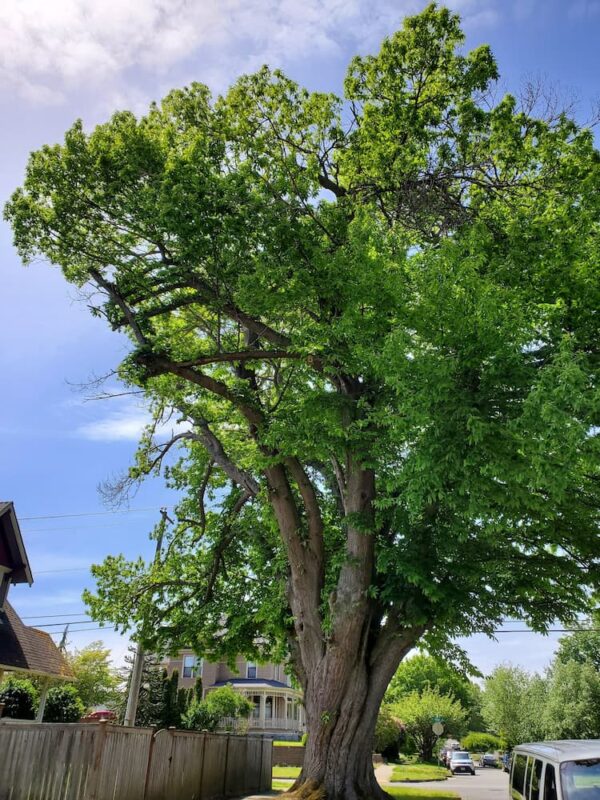
American chestnut once towered near 100 feet and supplied vast mast crops, but blight reduced it to scattered sprouts. County foresters summarize modern limits and traits in 2025 Species Descriptions.
Chestnut defined eastern forests for generations, then blight reshaped woodlands and rural economies.
Field notes from conservation programs
Current Status and Uses
Chestnut oak still delivers durable, tannin-rich wood for beams, ties, and flooring. Restoration groups trial blight-tolerant chestnut lines, while landowners plant chestnut oak for acorns and long-term timber.
4. Butternut Tree (Juglans cinerea)
Butternuts and Edible Value
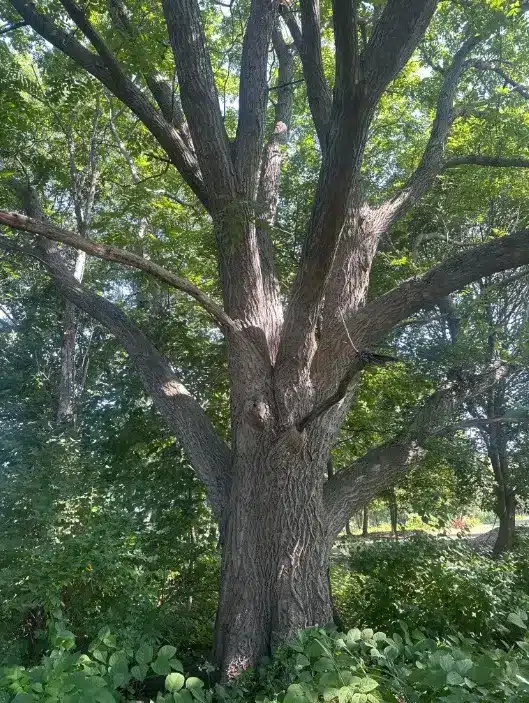
Butternuts are rich, oily nuts with a sweet, buttery flavor enjoyed fresh or baked. Squirrels cache them heavily, and homesteaders press small batches for nut oil and candy.
Wood Quality and Threats
The pale, straight-grained wood works easily, so carvers prize it for panels and sculpture. Canker disease threatens wild trees; consider planting disease-screened stock and, for similar workability, species like the sissoo tree.
5. Black Walnut (Juglans nigra)
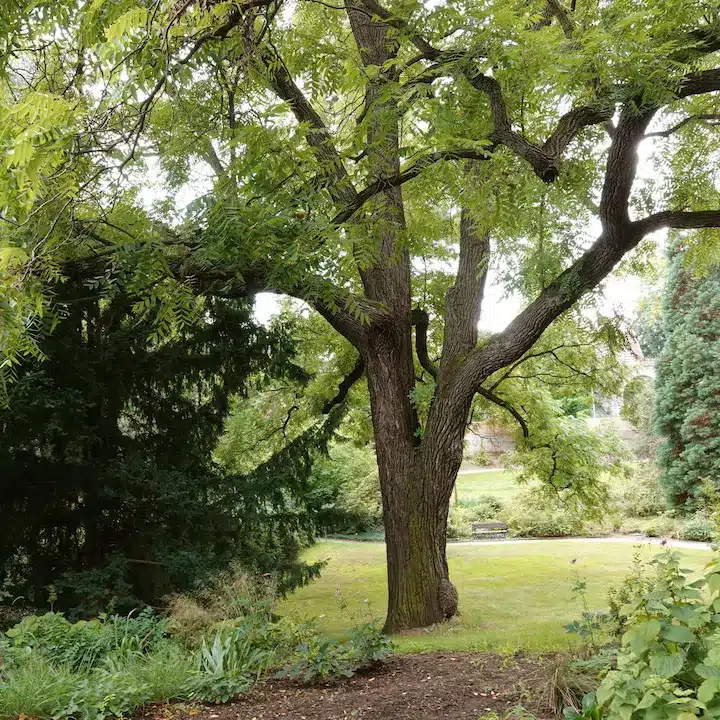
Premium Wood Qualities
Black walnut combines a dark chocolate hue, straight grain, and a Janka value near 1,010 lbf, which suits furniture, veneer, and gunstocks. Nuts add family food value and wildlife forage, making small plantings a smart legacy choice.

Black Walnut Seedlings - 3 Pack
- Nut-bearing trees that yield flavorful walnuts
- Fast-growing seedlings for quick establishment
- Valuable hardwood for future timber use
- Great for shelterbelts and privacy rows
- Shipped as transplantable young plants
 Buy on Amazon
Allelopathic Properties
Walnut roots release juglone, which can suppress sensitive plants like tomatoes or azaleas. Place gardens and ornamentals outside the dripline or use tolerant species under the canopy.
6. Maple Species (Acer spp.)
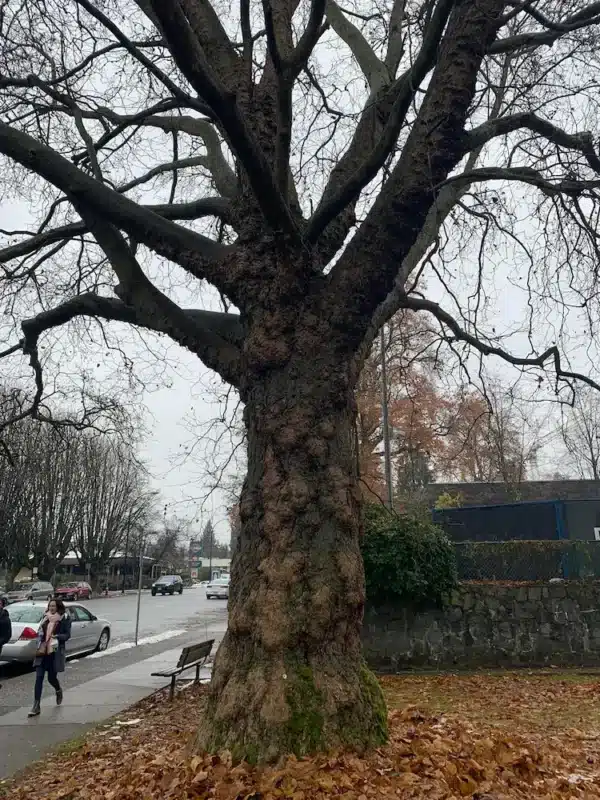
Sugar Maple vs Red Maple
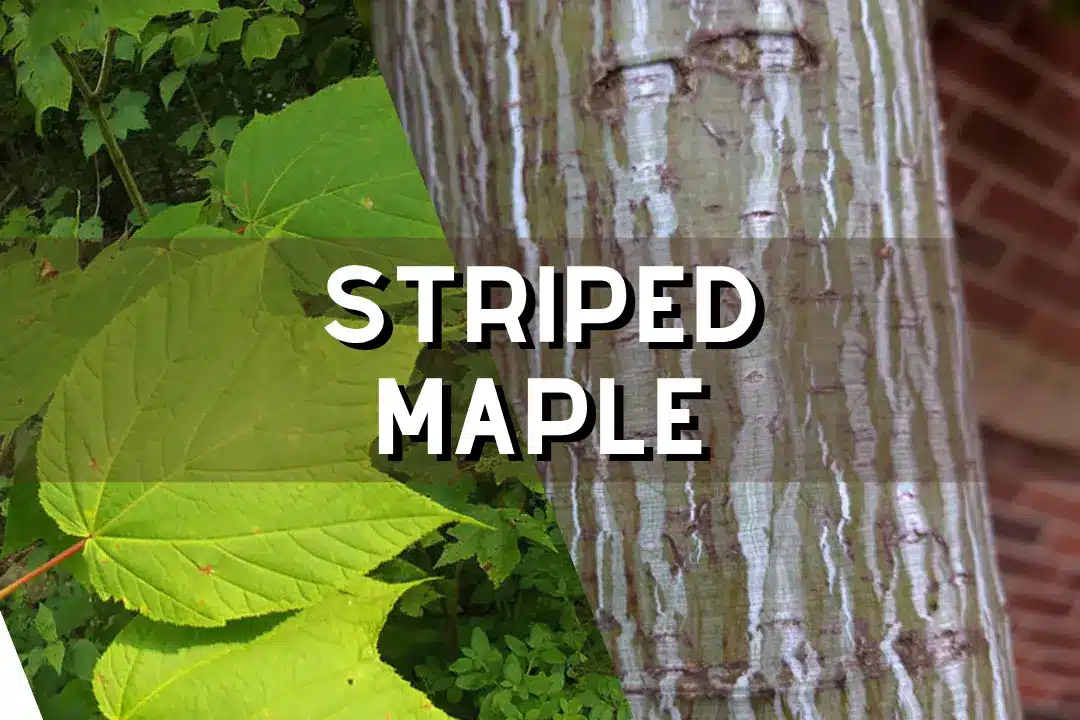
Sugar maple ranks as a hard maple with top hardness and clear, fine grain, while red maple is softer and more adaptable. Both offer bright fall color and reliable lumber for interiors.
| Feature | Sugar Maple (Acer saccharum) | Red Maple (Acer rubrum) |
|---|---|---|
| Janka hardness | ~1,450 lbf | ~950 lbf |
| Wood color | Pale cream to light brown | Pale with reddish tints |
| Sap sugar | Higher sugar content | Lower sugar content |
| Typical uses | Flooring, cutting boards, instruments | Cabinetry, millwork, furniture |
| Site preference | Cool, moist, well-drained soils | Broad tolerance; urban friendly |
Syrup Production and Wood Uses
Tappers reduce sap to syrup at roughly a 40:1 ratio for sugar maple, with flavor shaped by site and season. Kitchens lean on hard maple for sanitary cutting boards, though dense options like mesquite wood also perform well for end-grain blocks.
7. Catalpa Wood Varieties
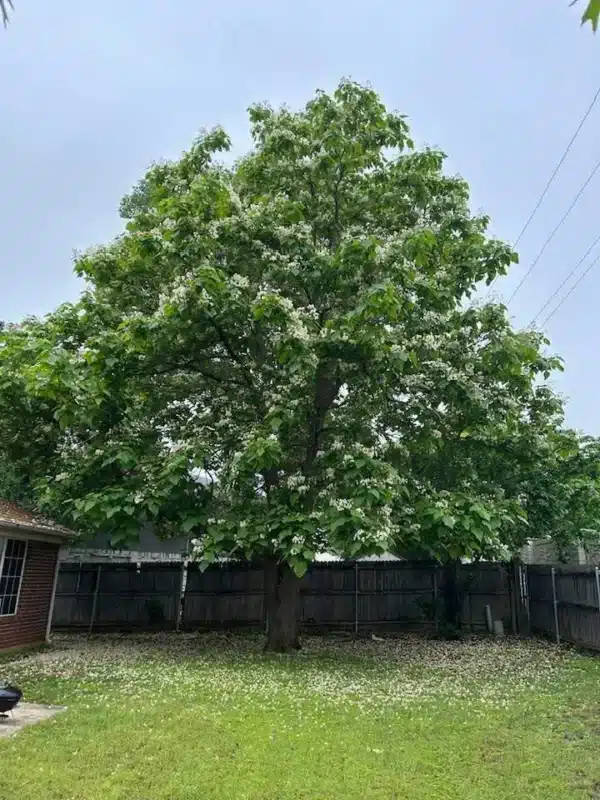
Rot-Resistant Properties
Catalpa wood is light, low-density, and naturally rot resistant, so it holds up for posts and rails. Carvers and hobbyists like its easy tool response for boxes and outdoor accents.
Ornamental and Practical Uses
Large leaves, spring blossoms, and long pods give strong curb appeal in parks and backyards. Landscapers mix catalpa with drought-tough natives like the manzanita tree for resilient plantings.
Planting and Growing Hardwood Trees
Site Selection and Soil Requirements
Pick sites with full sun, room for mature crowns, and soils that match species needs: loam for walnut, well-drained uplands for oak, and cooler moist spots for sugar maple. Space trees by expected crown width, plant at root flare height, water deeply in year one, and mulch with a 2–3 inch ring kept off the trunk.
Available Nursery Stock
State and county nurseries often supply native seedlings at low cost, with guides on spacing and care; see Indiana DNR’s tree species information for examples. For shade projects, consider beech, oak, or walnut depending on soil and space.

American Beech Seedlings - 2 Pack
- Smooth bark and dense, shade-providing canopy
- Long-lived native hardwood for landscapes
- Produces beechnuts that feed wildlife
- Performs well in shaded or woodland settings
- Good choice for native restoration and heirloom plantings
Buy on Amazon
Below are a few live trees you can plant this season for shade, wildlife, and future timber value.

Pin Oak Sapling - 3 ft Live Tree
- Fast-growing hardwood that establishes quickly
- Excellent upright form for streets and yards
- Beautiful fall color enhances landscapes
- Provides food and habitat for wildlife with acorns
- Shipped live and ready to plant in a container
Buy on Amazon

Northern Red Oak - 5 Gal Acorn Tree
- Vibrant foliage and strong autumn color
- Provides dense shade for yards and parks
- Produces acorns that support wildlife
- Sturdy, long-lived hardwood for landscapes
- Supplied in a 5 gallon nursery pot for easy planting
Buy on Amazon

Live Oak - Evergreen Shade Tree (2 ft)
- Evergreen canopy provides year-round shade
- Long-lived and durable landscape specimen
- Produces nuts and supports wildlife
- Tolerant of heat and drought once established
- Ideal for creating a broad, sheltering canopy
Buy on Amazon
For quick ID in the field, carry a compact tree guide with clear photos and maps to avoid mix-ups between similar species.

Trees of Eastern & Central North America - Field Guide
- Over 600 photographs for easy identification
- Covers distribution, habits, and practical uses
- Clear descriptions of conifers and hardwoods
- Useful for hobbyists, foresters, and landscapers
- Compact field reference for on-site ID
Buy on Amazon
FAQs
What Are The Benefits Of Planting Hardwood Trees?
Planting hardwood trees offers long-term shade, durable timber, and strong carbon storage. They improve soil stability, support wildlife by providing food and habitat, increase property value, and often require less replacement over time, making them a good investment for landscapes and forests.
How Can You Identify Different Types Of Hardwood Trees?
You can identify hardwood trees by examining leaves (shape, vein pattern), bark texture, fruit or seeds (nuts, samaras), flower characteristics, and growth habit. Seasonal changes like fall color and bark features help, and field guides, identification apps, or consulting an arborist can confirm species.
What Are The Best Hardwood Trees For Furniture Making?
Common hardwoods for furniture include oak (white/red) for strength and grain, hard maple for a smooth finish, black walnut for rich color and workability, cherry for warm color and ease of finishing, ash for flexibility, and teak or mahogany in regions where available. Choice depends on grain, hardness, and availability.
How Long Does It Take For A Hardwood Tree To Mature?
Maturity varies widely by species and purpose: some fast-growing hardwoods reach usable size in 20-40 years, while others like many oaks may take 50-100+ years to mature. Commercial plantations can shorten rotation times, but ecological maturity for wildlife often takes longer.
Are Hardwood Trees Better For The Environment Than Softwood Trees?
Both hardwood and softwood trees benefit the environment. Hardwoods tend to be denser and may store more carbon long-term and support diverse wildlife, while softwoods grow faster and sequester carbon quickly, providing rapid timber supply. A mixed, sustainably managed forest often provides the best environmental outcome.