
Mahogany Wood: 10 Facts That Showcase Its Exceptional Versatility

Mahogany wood is a tropical hardwood known for a warm reddish-brown color, stable boards, and easy machining, which makes it a top pick for furniture, millwork, and instruments. It often darkens with light exposure, polishes to a deep glow, and stays flatter than many hardwoods in changing humidity.
Table of Contents
Here’s the key: “mahogany” on a label can mean several different species with different hardness, grain, and shimmer, so your results depend on picking the right type for the job. This guide breaks down types, real working behavior, and how mahogany compares to walnut, cherry, and sapele.
What mahogany wood is
Definition overview
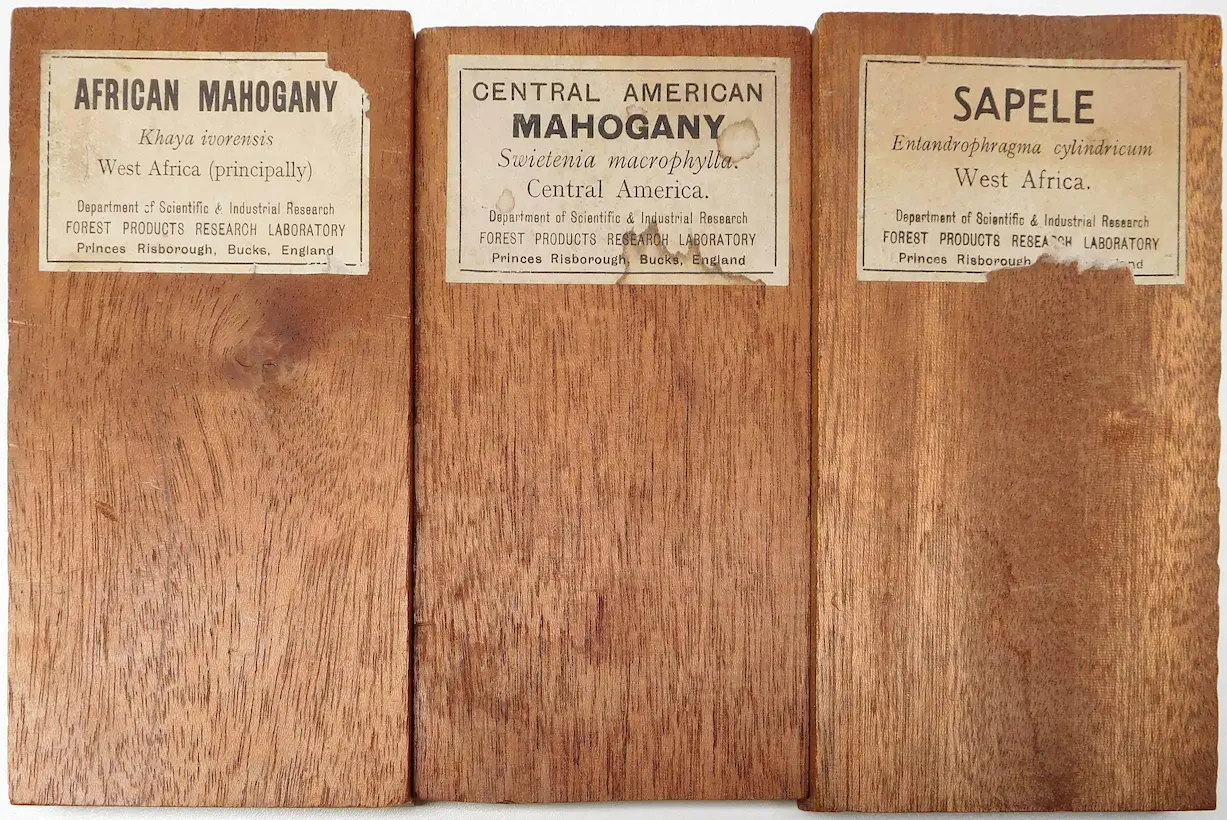
Mahogany is a name used for several tropical hardwoods that share a similar look: a reddish-brown base color, a mostly straight grain, and a clean surface that finishes smoothly. In day-to-day buying, “genuine” mahogany usually points to Honduran/Bigleaf mahogany (Swietenia macrophylla), while “African mahogany” and “Philippine mahogany” are common trade names for different species that look similar.
Why it matters: two boards sold as mahogany can behave very differently under a plane or finish, even if they look close on the rack. If you’re shopping for a matching set (like doors plus trim), confirm the species name, not just the marketing label; mix-ups are common in the trade, and even pros get caught by it (Mahogany Mixups: The Lowdown).
Color and aging
Fresh-cut mahogany can start surprisingly light—sometimes pinkish or salmon—then deepen into red-brown after weeks of light exposure. If you’ve ever sanded a panel and felt it warm under your palm, that heat is friction opening the surface while the color looks “younger” again; it’ll re-darken after finishing and sunlight.
A common mistake is stain-matching too early. I let sanded samples sit by a window for a few days (or hit them with a UV lamp) before committing to a stain schedule, because the “final” tone shifts after exposure and a clear coat.
Grain and texture
Grain is usually straight to interlocked, with a medium-to-fine texture that can feel almost silky once you’ve sanded to higher grits. Interlocked grain is where beginners get tearout: your plane suddenly chatters, the surface looks fuzzy, and the light catches little torn fibers.
Workaround: switch from a standard bench plane setup to a higher cutting angle (or a scraper), then finish with a sharp card scraper before final sanding. That small change keeps the surface crisp so your finish builds clarity instead of highlighting torn grain.
| Characteristic | Description |
|---|---|
| Common Names | Mahogany, Genuine Mahogany, Honduran Mahogany, American Mahogany |
| Scientific Name | Swietenia Macrophylla |
| Distribution | Central and South America, and parts of the Caribbean |
| Tree Size | 150-200 ft (46-60 m) tall, 3-6 ft (1-2 m) trunk diameter |
| Average Dried Weight | 40-55 lbs/ft³ (640-880 kg/m³) |
| Specific Gravity (Basic, 12% MC) | .55, .64 |
| Janka Hardness | 800-1200 lbf (3,570-5,340 N) |
| Modulus of Rupture | 11,500-17,500 psi (79.3-120.7 MPa) |
| Elastic Modulus | 1,400,000-1,750,000 psi (9.65-12.07 GPa) |
| Crushing Strength | 6,800-8,500 psi (46.9-58.6 MPa) |
| Shrinkage | Radial: 3-4%, Tangential: 6-8%, Volumetric: 10-12%, T/R Ratio: 1.5-2 |
Types of mahogany wood
Trade names cause most buying confusion. Use the species list below as your translation guide, and cross-check it if you’re comparing hardness, rot resistance, or chatoyance.
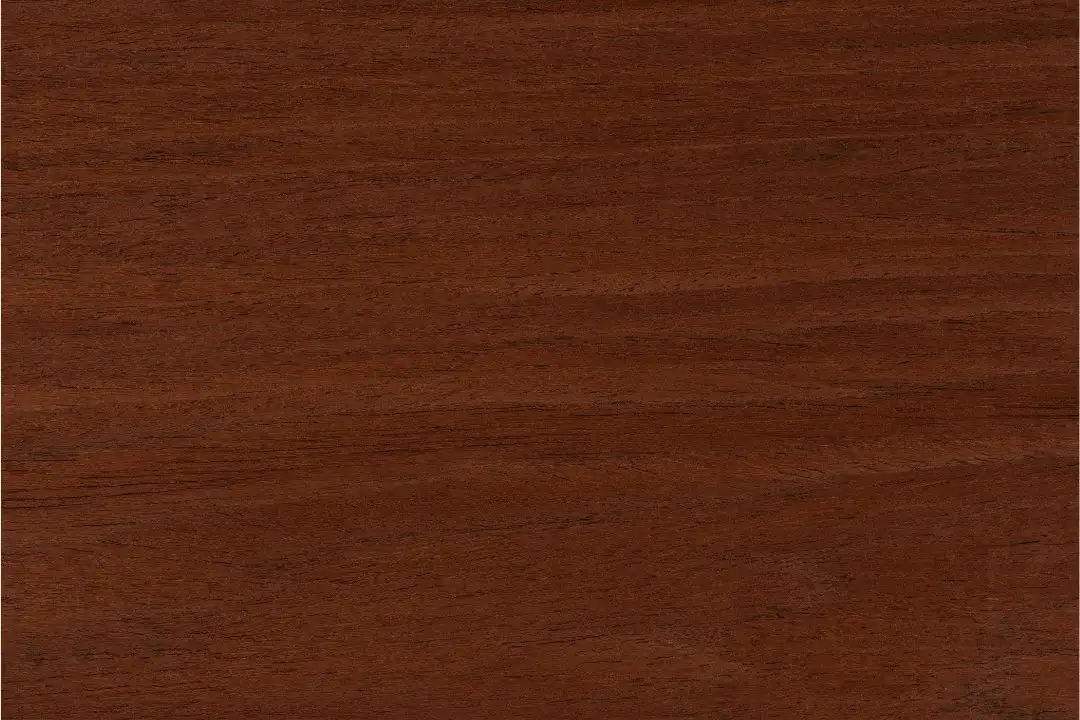
African mahogany (Khaya ivorensis)
African mahogany (Khaya ivorensis) is a go-to substitute for genuine mahogany in furniture and millwork because it machines well and stays fairly stable. You’ll often see slightly more interlocked grain than genuine mahogany, so planing can punish dull knives with fuzzy tearout.
Real buy tip: if your project needs long runs of trim with predictable grain, sort boards for straight grain at the yard and reject boards with strong ribbon striping unless you’re ready to scrape and seal carefully. For a deeper species overview, link out to our guide on African mahogany.
Honduran mahogany (genuine)
Genuine mahogany (often sold as Honduran/Bigleaf mahogany) is the classic “fits almost everything” choice: stable, cooperative under edge tools, and friendly under finishes. It’s also the one most people picture when they think of heirloom furniture with wide, clear panels.
Watch the cut: flatsawn stock can show broad, understated figure; quartersawn stock can look calmer and behaves more predictably on doors and panels. Wide boards are a big advantage here, because you can build panels with fewer glue lines, which keeps the finish reading as one continuous surface.
Philippine mahogany
Philippine mahogany is commonly a trade name for meranti and related Shorea species, and it’s often used in plywood and paint-grade exterior work. It can be a smart value choice for stable sheet goods, but it won’t always match the color, weight, or carving behavior people expect from genuine mahogany.
Common mistake: assuming “Philippine mahogany” trim will match “mahogany” doors. If matching matters, confirm both are the same species family or buy from one batch; for background on the common substitute, read our guide to meranti wood.
Sapele mahogany
Sapele (often compared directly against mahogany) stands out for chatoyance, the “cat’s eye” shimmer that rolls across the board when you move it under light. In a finished panel, that shimmer can look premium; on a big run of kitchen cabinets, it can also read busy if you don’t manage grain direction.
Pro workflow: pre-finish sample boards with the exact topcoat and view them at morning and evening angles. If you want a deeper sapele breakdown, see sapele wood lumber.
Santos/South American mahogany
Santos mahogany is another trade name that can refer to different South American woods sold as mahogany-like. It can be harder and heavier than what people expect, which changes tool feel: your chisel needs more push, and sanding dust can get sharper and more irritating in the nose.
Workaround: slow down machining, take lighter passes, and vacuum dust at the source. If you’re sensitive, step up to a proper respirator—tropical hardwood dust tends to be more irritating than many domestic species.
Janka hardness ranges
Janka hardness tells you how well the surface resists dents and wear, and it also hints at machining feel. Across “mahogany” sold in the market, you’ll see a wide spread—roughly 830 to 1,410 lbf depending on species—so it’s worth checking Janka before choosing flooring, table tops, or stair parts (Uses and Benefits of Mahogany Wood).
| Mahogany type (common market use) | What you’ll notice in the shop | Typical best-fit uses |
|---|---|---|
| Genuine/Honduran | Smooth planing, calmer grain, strong finishing clarity | Fine furniture, doors, instruments |
| African (Khaya) | More interlocked grain; tearout risk rises | Furniture, millwork, windows/doors |
| Philippine (“mahogany” / meranti) | Often in plywood; color varies lot-to-lot | Sheet goods, paint-grade exterior work |
| Sapele | Shimmer/ribbon figure; can look dramatic | Statement panels, cabinets, veneer work |
| Santos (trade name) | Can feel harder/heavier than expected | Small goods, wear-prone parts (verify species) |
Mahogany wood characteristics
Appearance and sheen
Sheen is where mahogany earns its reputation. With a clear finish, the pores and grain lines read crisp, and the surface looks deeper as you build coats. When you wipe on the first coat of oil or sealer, the color “jumps” immediately—like the board got wet—then settles into a warm glow as it cures.
Beginner trap: applying a heavy pigment stain to “force” darkness. That often muddies the grain and can leave lap marks on large panels. A safer path is dye (for tone) plus a clear film finish (for depth), with test panels from the same board batch.
Janka hardness basics
Hardness affects dents, but it also changes joinery decisions. Softer mahogany species can compress under aggressive clamps, so you’ll see faint clamp shadows if you rush glue-ups without cauls or pads. Harder “mahogany” lookalikes can burn when routing, leaving dark scorch lines that telegraph through clear finish.
Shop fix: for glue-ups, use cork-faced cauls and moderate clamp pressure; for routing, reduce bit speed, increase feed rate slightly, and take two lighter passes instead of one heavy pass.
Stability and movement
Stability is one reason mahogany shows up in doors, instruments, and long moldings. It tends to move less with seasonal humidity swings than many woods, which means panels stay flatter and miters stay tighter in real homes where HVAC cycles dry-and-damp through the year.
Edge case: even stable woods can twist if the moisture content is off. Let boards acclimate in your shop, sticker them so air hits both faces, and buy a cheap moisture meter before blaming “bad lumber.” A surprising number of failures are just rushed acclimation.
Moisture and rot resistance
Moisture resistance is real, but it isn’t magic. Mahogany tolerates humidity changes well, and many species have good decay resistance, which is why you’ll see it in boats and exterior doors. Water still wins if you trap it under a film finish or let end grain drink repeatedly.
Best practice: seal end grain aggressively (door bottoms, table legs near wet floors, exterior trim cuts). I like thin penetrating sealer first, then your topcoat system; it slows wicking where most rot starts.
Workability and machining
Workability is where mahogany feels “friendly.” Sharp tools cut it clean, and sanding scratches blend out without endless effort. Hand-planed mahogany can feel glassy, with a faint sweet, woody smell in the shavings—then the pores appear as you wipe the dust away.
Common mistake: skipping grain-fill when you want a mirror gloss. Mahogany has visible pores; if you go straight to high-gloss lacquer, the finish can sink and look wavy weeks later. Use pore filler (or a building sealer schedule), then level sand before your final coats.
Furniture mahogany wood and best uses
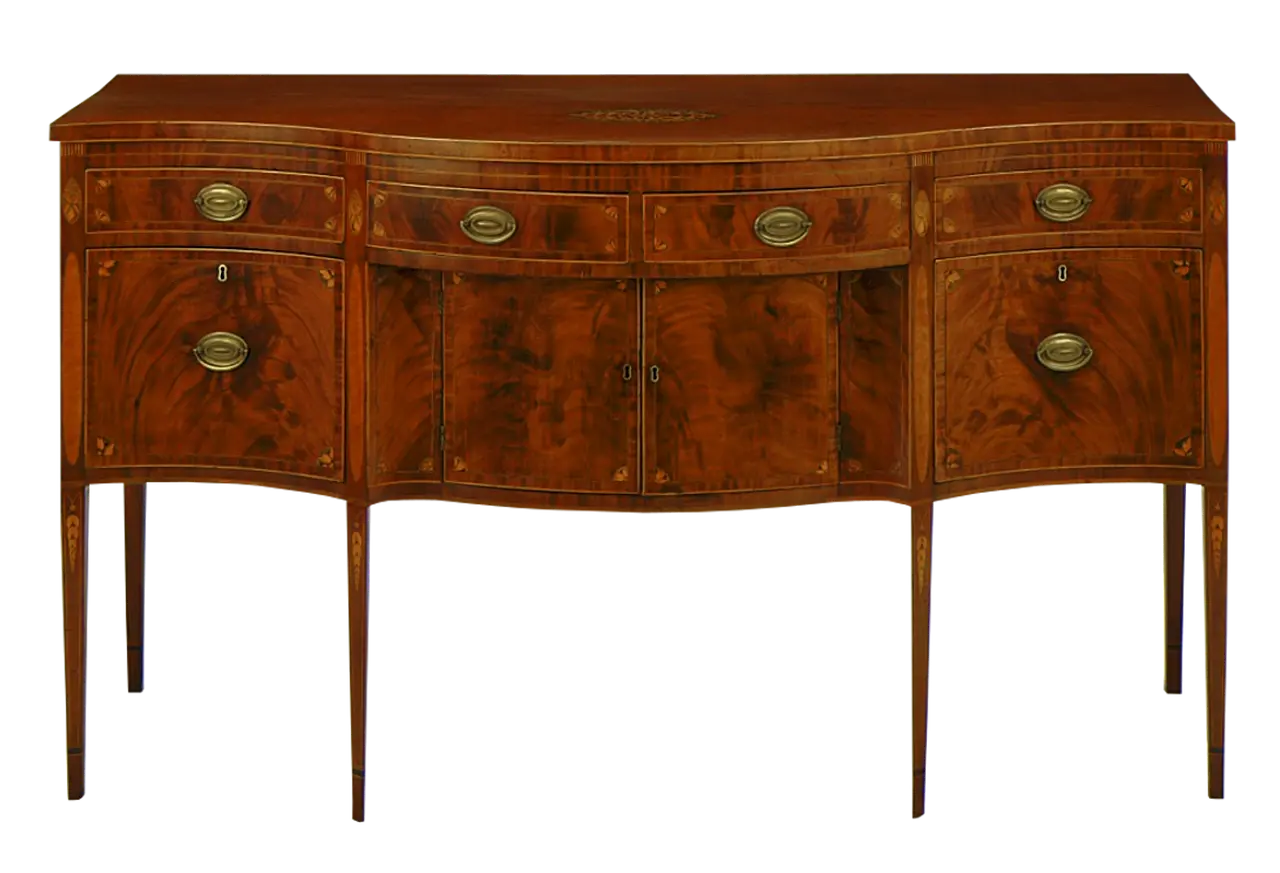
Furniture mahogany wood works because it balances strength, stability, and a forgiving surface under finish. If you’re picking wood for a room scheme, compare colors against other options in our colors of wood guide so you don’t get surprised by undertones.
Tables and chairs
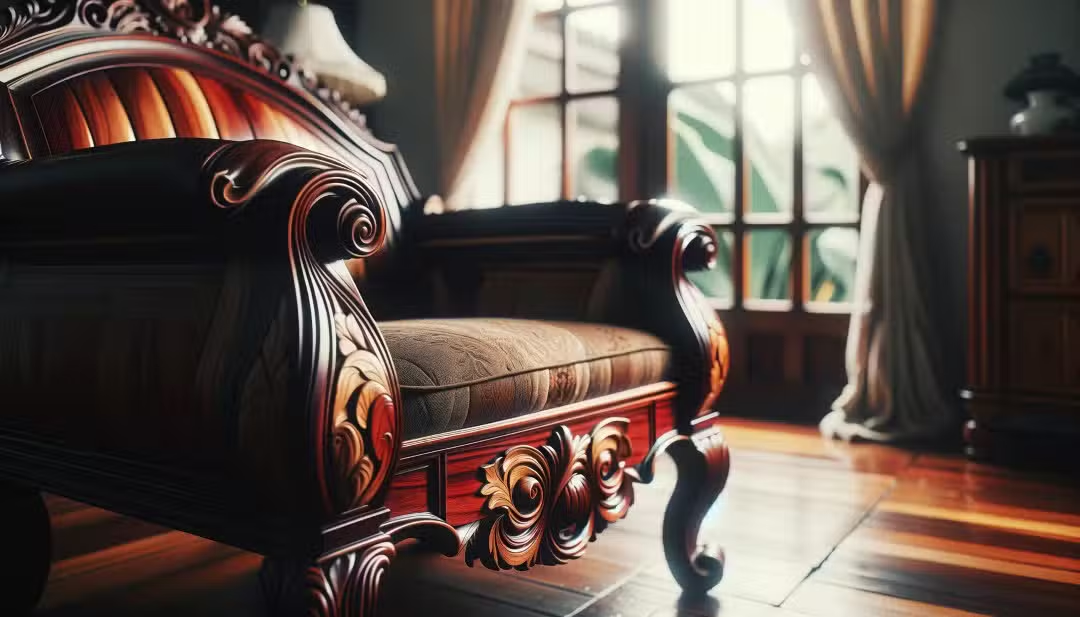
Tables love mahogany because wide, clear boards can become calm tabletops without wild cathedral grain fighting the design. Chairs benefit too—legs, rails, and curved parts machine cleanly, and the wood holds joinery without feeling brittle.
Risk: soft-to-medium mahogany can dent from buckles, chair backs, and kids’ toys. For dining tables, I often steer people to a tougher topcoat (conversion varnish or a hardwax oil with realistic maintenance expectations) instead of a soft oil-only finish that spot-marks from water rings.
Doors and windows
Doors and windows need stability and reliable joinery, and mahogany tends to cooperate. It’s less prone to seasonal sticking than many species if the build is sound and the moisture content was right at assembly.
Don’t skip backside finishing on exterior doors. Finishing only the front face is one of the fastest ways to warp a door slab, because moisture exchange becomes uneven. Seal all faces and all edges, especially hinge mortises and lock bores.
Millwork and trim
Millwork in mahogany looks high-end because profiles stay sharp and the finish reads deep. Baseboards, crown, and casing also benefit from the wood’s stable behavior across seasons, which helps keep copes and miters tighter.
Pro tip: for stained trim, pre-finish long lengths before install when possible. It reduces nail-hole touchups that can flash under raking light, especially on darker mahogany tones.
Flooring and paneling
Flooring needs hardness and finish durability more than almost anything. Some mahogany types are fine for light-to-medium traffic, but in busy entries you’ll see dents sooner than with harder species. Paneling is where mahogany shines: stable, warm, and comfortable to the touch in cooler months.
Selection tip: if you’re comparing wear across choices, keep the Janka data in view and cross-check it with our wood hardness scale resource so your expectations match real use.
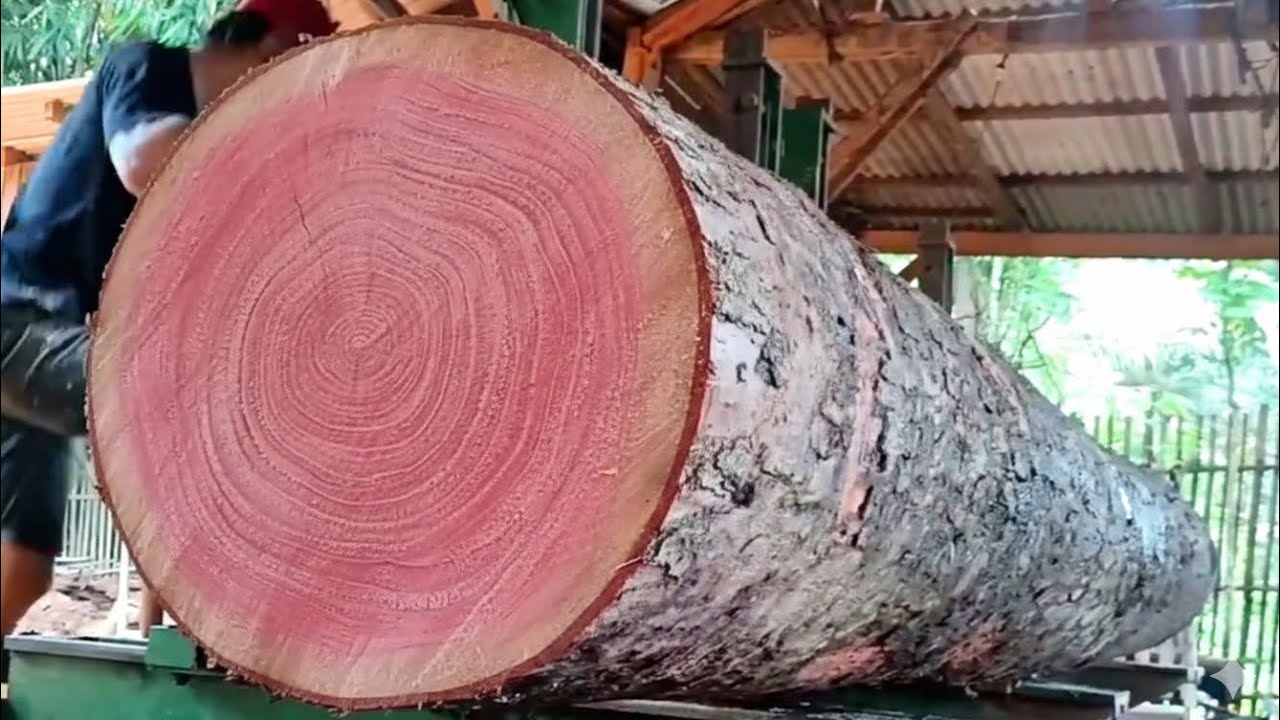
Mahogany in specialty projects
Musical instruments
Tonewood use comes from consistency and stability. In guitars and drums, mahogany is prized for warm response and a strong midrange character, and it machines predictably for necks and bodies where tiny movements matter. If you’ve ever sanded a neck blank, you’ll notice mahogany dust is fine and clings to sweat on your forearms—vacuum early so it doesn’t pack into pores before finishing.
Risk: mixing species inside one build (like sapele body, “mahogany” neck from another supplier) can change color matching under clear coat. If visual match matters, do test finishing on offcuts from every component before final glue-up.
Boat and marine use
Marine work values mahogany for its decay resistance and stability. The wood still needs a finish system that can flex and can be repaired; salt, sun, and standing water punish brittle film finishes.
Best fix: keep up with maintenance coats before the finish fails to bare wood. Once UV breaks the surface and water gets under the film, you’re often back to sanding to clean timber—hot, sticky work where the paper clogs fast.
Carving and inlays
Carving in mahogany feels controlled because the grain tends to be even and the fibers don’t crumble like some ring-porous woods. For inlays, the contrast can be subtle, so I like pairing it with lighter species or metal line inlay when visibility matters.
Mistake: carving across reversing grain without changing direction. If the gouge starts lifting fibers, rotate the work or reverse the cut; forcing it will tear a chunk that’s hard to hide under finish.
Turning and small goods
Turning blanks in mahogany usually cut smoothly with sharp tools. You’ll feel the difference right away: the tool rides steady, shavings come off in long curls, and the surface can look nearly finished straight off the gouge.
Watch for end-grain checks in small blanks, especially if they weren’t stored well. Seal ends with wax after purchase, and rough-turn thick, then let pieces rest to relieve stress before final turning.
Mahogany wood vs other hardwoods
Comparisons matter because buyers often choose mahogany as a “premium look” wood, then swap to walnut or cherry for cost, availability, or color. The best pick depends on how you want the grain to read in your space and how much movement you can tolerate.
Sapele vs mahogany
Sapele vs mahogany usually comes down to figure and machining risk. Sapele’s ribbon stripe and chatoyance can look dramatic under clear coat, while genuine mahogany often looks calmer and more uniform.
Trade-off: sapele’s interlocked grain can tear out more easily, so plan on scraping and more careful finishing. If you want shimmer, sapele wins; if you want predictable hand-tool work and an even look across many doors, mahogany often feels easier to live with.
Mahogany vs walnut
Walnut tends to read chocolate-brown to purplish-brown, while mahogany reads red-brown and gets deeper with light. In a room, walnut can feel moodier and higher contrast; mahogany often feels warmer and brighter, especially with brass hardware or cream walls.
Real constraint: walnut’s color variation inside one board can be wider, so matching panels takes more sorting. Mahogany usually matches more easily across a batch, which speeds up cabinet builds where you need the faces to look consistent from ten feet away.
Mahogany vs cherry
Cherry wood starts lighter and can darken dramatically with light, often faster than people expect. Mahogany also darkens, but cherry’s color shift can be more obvious when you move a lamp, rug, or picture frame and reveal a “tan line.”
Workability note: cherry can burn during routing and sanding if you linger, leaving dark edges. Mahogany can burn too, but cherry makes the mistake more visible. For either wood, keep cutters sharp and keep the tool moving, then do a final light sanding pass to blend.
Advantages of mahogany wood
Workability benefits
Machining mahogany feels predictable: it rips and crosscuts cleanly, drills without drama, and takes edge profiles with less chipping than many open-grain woods. That saves time on sanding, which also means fewer chances to round over crisp details.
Common mistake: sanding too fine before stain or sealer. On many mahogany boards, sanding past 220 can reduce absorption and create uneven tone. If you want color, stop around 180–220, then control tone with dye or toner coats.
Dimensional stability
Movement control is where mahogany earns its keep in doors, frames, and long cabinet parts. Less movement means fewer seasonal cracks at miters and fewer sticky doors in humid months.
Don’t misuse that stability by building panels too tight in grooves. Leave room for seasonal expansion, even with mahogany, or your frame can split when humidity spikes.
Longevity and lifespan
Longevity comes from a mix of decay resistance, stable structure, and repairability. A well-built mahogany chair can be tightened, reglued, and refinished many times, which is why older pieces survive moves and generations with only minor repairs.
Risk: thinking “hardwood” means “maintenance-free,” especially outdoors. UV and water destroy finishes long before they destroy the wood, so plan a maintenance schedule instead of waiting for failure.
FSC and sustainability
FSC-certified sourcing helps reduce illegal logging risk and supports better forestry practices. If you’re building client work or anything marketed as premium, ask for documentation; it prevents awkward surprises later when someone asks where the wood came from (Carl Hansen material note on mahogany).
Beginner pitfall: assuming all “mahogany” is ethically sourced because the seller says so. Look for chain-of-custody language on invoices, and keep paperwork with the project photos—clients often request it years later for resale.
Wide clear boards
Wide boards change what you can build. Fewer glue lines make tabletops, door panels, and headboards look calmer, and they reduce the risk of mismatched movement directions in a panel glue-up.
Shop reality: wide boards still need careful milling. If you flatten one face and leave the other rough overnight, the board can cup by morning. Mill in stages—flatten, rest, final pass—so the board relaxes before you cut joinery.
Mahogany wood products for projects
Buying format matters as much as species. Veneer, thin stock, and kiln-dried blanks each remove different risks (warping, checks, ugly glue lines) while adding different constraints (limited thickness, edge treatment needs).
Veneer sheets
Veneer is the cleanest way to get premium figure on stable panels, especially for doors and case sides. The biggest mistake is rushing adhesive and press time; bubbles show up later as raised blisters you can feel with your fingertips under the finish.

African Mahogany Veneer Sheets 1/8 inch 4 by 8 inch
- Thin 1/8 inch veneer ideal for fine craftwork
- Rich African mahogany grain for warm, natural looks
- Flexible and easy to cut, glue, and bend for layered projects
- Smooth surface ready for staining or sealing
- Large 4 by 8 inch size gives more coverage per sheet
 Buy on Amazon
Turning blanks
Turning blanks remove a lot of prep work, but they can still hide internal stress. If your gouge starts cutting fine, then suddenly chatters, stop and check for a developing crack line; that’s how bowls turn into shrapnel.

Mahogany Turning Blanks 2 by 2 by 6 inch 4-Pack
- Kiln-dried mahogany with consistent density for reliable turning
- Pre-squared dimensions simplify mounting on lathes
- Smooth, uniform grain sands to a polished finish
- Four-piece pack provides multiple projects or spares
- Ideal for pens, small bowls, and spindle work
Buy on Amazon
Thin planks
These thin planks are handy for laser engraving, inlays, and small box parts where stable thickness matters more than big wide boards.

Mahogany Planks 1/4 inch 2-Pack
- 100% pure mahogany planks for authentic hardwood projects
- 1/4 inch (6 mm) thickness ideal for laser engraving and inlays
- Smooth, planar surface for crisp engraving detail
- Stable, consistent boards reduce warping during finishing
- Ready for staining, painting, or sealing
Buy on Amazon

Exotic Mahogany Planks 1/4 inch 2-Pack
- Exotic mahogany planks at 1/4 inch (6 mm) thickness for fine projects
- Perfect for laser engraving, carving, and small craft pieces
- Uniform thickness and straight edges for precise work
- Smooth, sanded surface accepts stains and finishes well
- Two-pack provides extra material for prototypes or gifts
Buy on Amazon

Thin Mahogany Planks 1/8 inch 2-Pack
- Thin 1/8 inch (3 mm) planks ideal for inlays and delicate craftwork
- Flexible yet stable sheet for laminating and bending projects
- Smooth surface that engraves cleanly with lasers
- Easy to cut, sand, and finish for custom pieces
- Two-pack offers extra material for experiments and gifts
Buy on Amazon
Solid lumber
Solid lumber is where mahogany shines for joinery, legs, rails, and small assemblies. Beginners often buy short boards and try to “make them work” for panels; that can create a busy glue-up with mismatched grain, which looks worse the glossier your finish gets.
Workaround: if you must edge-glue, alternate growth ring orientation and keep grain direction consistent, then use a pore fill schedule so glue lines don’t telegraph. For furniture planning, our guide to wood for furniture helps you match lumber format to project demands.

Mahogany Lumber 3/4 inch x 2 inch x 18 inch 4-Pack
- Solid mahogany boards cut to consistent dimensions for reliable joinery
- Kiln-dried for improved stability and minimal movement
- Smooth surfaced lumber that accepts stains and finishes evenly
- Ideal for small furniture parts, trim, and detail work
- Four-piece pack offers matching grain and sizes
Buy on Amazon

Mahogany Lumber 3/4 inch x 6 inch x 12 inch 2-Pack
- Wide 3/4 inch x 6 inch boards suited for broader components
- Kiln-dried to reduce cracking and movement
- Smooth-planed faces ready for finishing or joinery
- Great for small shelves, inlays, or wide trim work
- Two-piece set gives matched grain pairs
Buy on Amazon
Bowl blanks
Bowl blanks are convenient, but safety depends on inspection and mounting. If you feel a rhythmic thump on the tool rest or see a hairline crack open under centrifugal force, stop right away—mahogany can look calm right up until it fails.

Kiln-Dried Mahogany Bowl Blank 4 by 4 by 2 inch
- Kiln-dried 4 by 4 by 2 inch blank balanced for safe turning
- Rich mahogany grain produces attractive finished bowls
- Ready-to-turn surface minimizes prep work
- Consistent dimensions for easier mounting and tool control
- Ideal for bowls, hollow forms, and decorative pieces
Buy on Amazon
Practical Notes From Real-World Use
Mahogany rarely fails in dramatic ways; it fails in small, annoying ways that show up under finish. I’ve had panels that looked perfect at sanding, then turned blotchy after the first coat because I accidentally sanded a glue smear into the pores—under raking light it looked like a cloudy thumbprint that wouldn’t “stain out.”
My fix is boring but reliable: use a bright side light before finishing, wipe the surface with mineral spirits to reveal glue, scrape any contamination, then do a light re-sand. That one step saves more “why is this spot weird?” time than almost any fancy finishing trick.
Another surprise shows up with ribbon-stripe boards (common in sapele and some African mahogany): the surface can look perfect, then a clear coat highlights tiny tearout you didn’t notice by touch. If the grain looks like it flips direction every inch, I plan on scraping after first sealer coat, then recoating—one extra cycle that prevents a permanently hazy look.
- Sort boards under raking light before milling; reversing grain is easier to spot.
- Seal end grain early on exterior parts; that’s where moisture wicks fastest.
- Run a test finish on offcuts; mahogany darkens and the topcoat changes the read.
- Use pore filler for high gloss; skipping it often leads to finish sink later.
- Confirm species name on invoices to avoid “mahogany” label surprises.
The biggest jump in mahogany results usually comes from surface prep: tearout control, glue cleanup, and a finish schedule that matches the pores.
Shop observation
If you’re choosing mahogany mainly for a darker interior look, compare it with other options in our dark wood types roundup so you don’t buy red-brown mahogany expecting chocolate walnut.
FAQs
What Are The Different Types Of Mahogany Wood?
Mahogany refers to several related tree species known for their rich, warm color and straight to interlocked grain. The most common types include genuine Honduran (Swietenia macrophylla), African species like Khaya, and various Asian or Philippine mahoganies; sapele and other look‑alikes are often grouped by trade name. Each type differs in color, stability, hardness, and price, so choose by appearance and use.
Is Sapele The Same As Mahogany?
Sapele is not true Honduran mahogany, but it is commonly used as a mahogany substitute because of its similar reddish-brown color and attractive grain. Botanically, sapele belongs to a different genus and often has a more pronounced, interlocked figure that can shimmer. For furniture and cabinets it performs well, though purists and some restoration projects prefer genuine mahogany.
Is Mahogany Wood Good For Furniture?
Yes, mahogany is excellent for furniture due to its long-term dimensional stability, workability, and rich appearance. It machines cleanly, stains and finishes attractively, and resists warping and shrinking better than many softwoods. Higher-grade genuine mahogany is pricier, while responsibly sourced or alternative species can offer similar looks for budget-conscious projects.
What’s The Difference Between Mahogany Vs Walnut For Furniture?
Mahogany and walnut differ mainly in color, grain, hardness, and typical cost. Mahogany tends to be reddish-brown with straighter grain and excellent stability, while walnut is darker brown with more varied, figured grain and slightly different hardness. Pick mahogany for warm, classic pieces and walnut when you want deep color and dramatic grain.
How Hard Is Mahogany Wood On The Janka Scale?
Mahogany Janka hardness varies by species, generally ranging from about 800 to 1,000 lbf. Genuine Honduran mahogany scores around 800–900 lbf; some African varieties and look-alikes like sapele can be closer to 1,000 lbf. Use the species-specific Janka value when selecting wood for flooring or heavy-use furniture because it indicates dent and wear resistance.