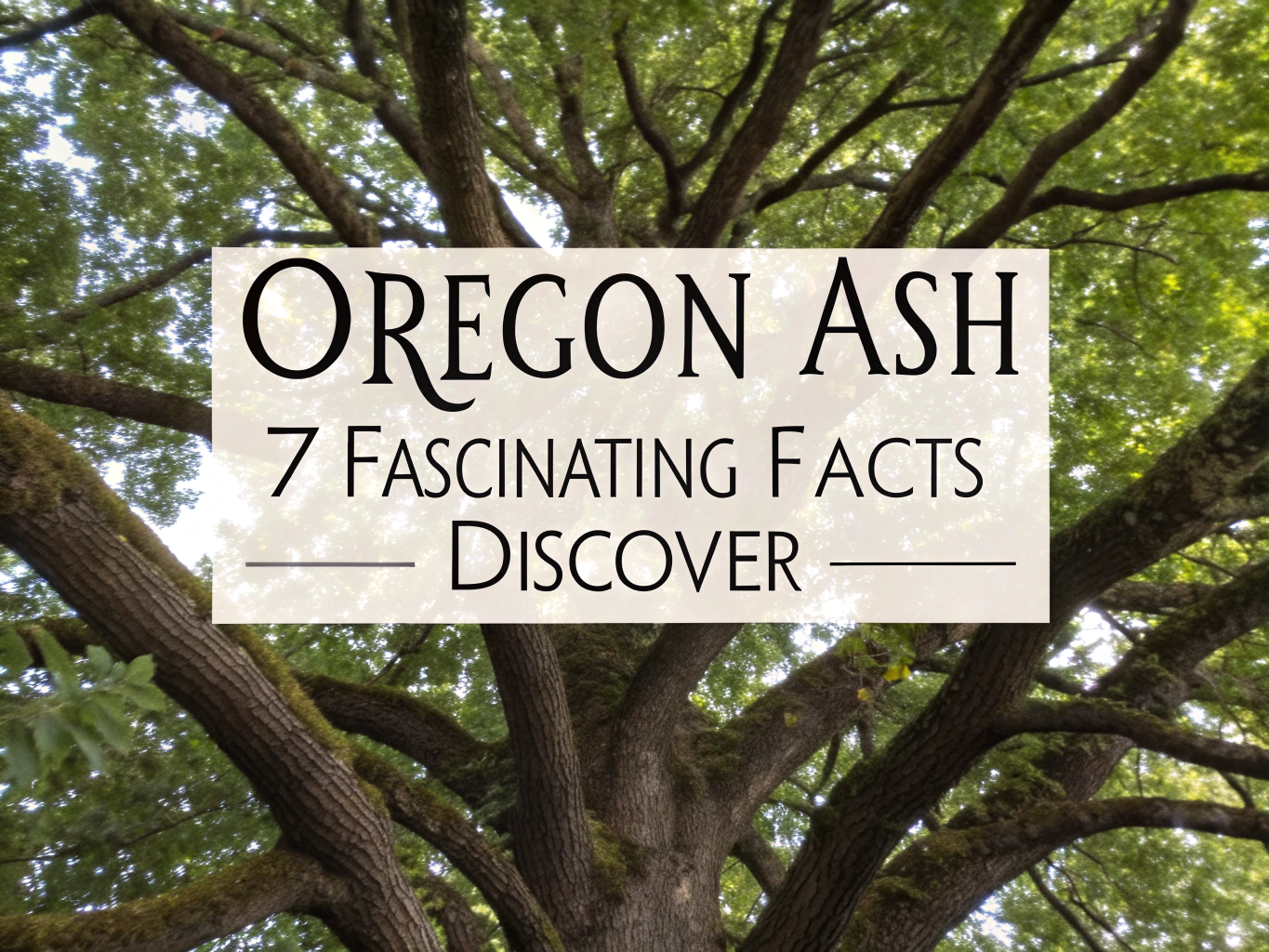

Did you know Oregon ash is the Pacific Northwest’s only native ash and can survive long seasonal floods? It often grows in wet forests and along streams. The tree feeds and shelters wildlife and helps shade waterways like Ash Creek. In this post we share seven quick facts about Fraxinus latifolia and why it matters for local habitats.
Table of Contents
The Oregon ash (Fraxinus latifolia) is a resilient riparian tree that shapes wetlands, streams, and floodplains across the Pacific Northwest. This guide explains how the oregon ash grows, where it thrives, what wildlife use it, and how it supports restoration from Ash Creek to major rivers.
Oregon Ash: Physical Characteristics and Growth
Mature Size and Structure
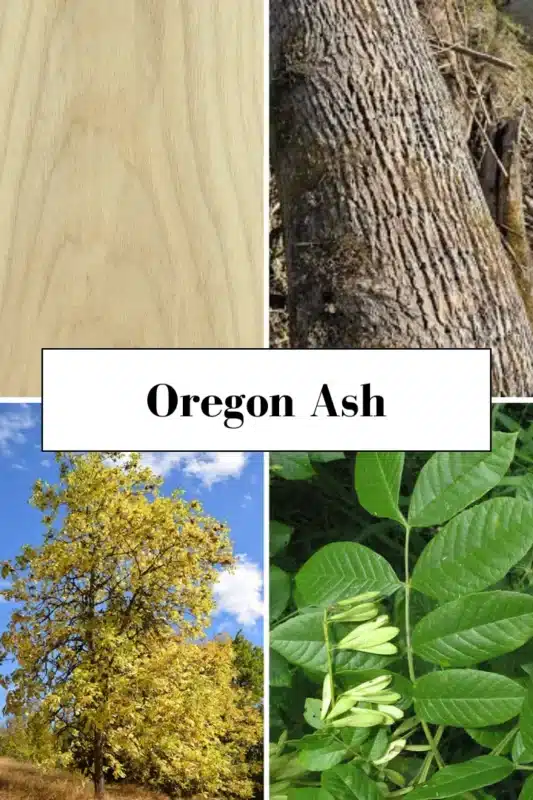
In forests, the oregon ash tree often reaches 40–80 feet with a narrow crown; in open sites it forms a broad, rounded canopy with stout limbs. Reference details on height, trunk diameter, and crown form appear in Oregon State Landscape Plants.
Trunks usually span 16–30 inches across in stands, while open-grown trees can reach about 54 inches. Bark turns gray-brown with age and shows shallow furrows that deepen on older trees.
| Trait | Typical Range |
|---|---|
| Mature height | 40–80 ft |
| Trunk diameter | 16–30 in (up to ~54 in open-grown) |
| Crown shape | Narrow in stands; broad and rounded in open |
| Longevity | Often 200+ years |
Distinctive Leaves and Flowers
Leaves are opposite and pinnate with 5–7 leaflets, each about 2–5 inches long, glossy yellow-green above and paler beneath. Fall color shifts to yellow or brown, adding seasonal contrast along streams.
Flowers open before leaves and are tiny and wind-pollinated. Trees are dioecious, so separate male and female trees produce pollen and seed.
Fruit and Reproduction
Female trees bear clusters of single samaras (winged seeds) about 1.2–2 inches long. The species also sprouts strongly from cut stumps and after fire, a key regeneration trait for floodplains.
Native Range and Preferred Habitat
Pacific Northwest Distribution
Fraxinus latifolia Oregon ash grows from western Washington through Oregon into northern California and the Sierra Nevada foothills. A concise range map and site notes appear in the USDA Plant Guide.
Wetland and Floodplain Ecosystems
This tree favors swales, backwaters, sloughs, and bottomlands where soils stay moist or seasonally flooded. It handles poorly drained clay or humus-rich soils and helps stabilize soft banks.
Oregon ash often fills riparian gaps where conifers struggle with periodic inundation. In many valleys it stands near cottonwoods and competes with Douglas-fir wood on slightly drier terraces.
Elevation and Climate Preferences
Sites range from sea level to about 3,000 feet in the north, higher in California hills. The tree grows in sun or partial shade and performs best with steady moisture and mild summers.
Ecological Role and Wildlife Benefits
Longevity and Growth Patterns
Oregon ash can live two centuries or more, with quick youth growth for the first few decades. That early surge helps seedlings capture light in floodplain openings before taller trees close the canopy.
Root System Adaptations
Roots spread wide and stay moderately shallow, creating strong wind resistance on wet ground. This architecture boosts flood survival while anchoring streambanks against erosion.
Wildlife Food and Shelter
Seeds feed small mammals and birds, and the canopy hosts nests and migration stopovers. Browse from deer and elk uses the tender shoots in spring.
- Seeds: songbirds, waterfowl, squirrels
- Browse: deer, elk
- Habitat: cavities and branches for nesting
- Insects: nectar/pollen for early-season invertebrates
For wildlife notes and site traits, see the NCSU plant profile. These interactions make riparian stands richer and more stable.
Environmental Adaptations and Survival
Flood Tolerance Mechanisms
Oregon ash tolerates seasonal flooding and waterlogged soils by slowing growth and using oxygen stored in tissues. The tree’s porous wood and wide roots improve aeration during high water.
Light Requirements and Competition
Seedlings need moderate to high light; dense shade reduces vigor and survival. Over time, shade-tolerant neighbors like bigleaf maple may overtop ash on stable sites.
On drier benches, ash yields to conifers; in wetter pockets it holds ground that many trees can’t. Compare its niche with nearby cedar wood along cool, saturated channels.
Regeneration After Disturbance
Cut or fire-disturbed stems sprout vigorously from the base, speeding site recovery. This clonal response helps rebind soils and shade streams after flood scouring.
Cultural and Traditional Uses
Indigenous Applications
Many communities prized the wood for tool handles and paddles because it’s strong and springy. Roots and bark sometimes supported medicinal salves in local practice.
“Latifolia” means “broad leaf,” a nod to the wide leaflets that set Oregon ash apart from other ashes.
Botanical Latin
Modern Timber and Ornamental Value
Woodworkers value its tough, open-grained boards for furniture, tool handles, and sport goods; compare characteristics with ash wood from other regions. If you’re picking species for a project, skim these types of wood for furniture notes for quick context before buying.
Ash Creek Oregon and Water Quality
Pollution Concerns and Monitoring
People often ask, “is Ash Creek in Oregon polluted?” Multiple streams share that name, and conditions differ by county and reach. For current listings on bacteria, nutrients, or sediment, check the Oregon DEQ water quality pages, then zoom to your local stream.
Oregon ash helps riparian cleanup by shading water, binding banks, and trapping fine sediment. Planting along Ash Creek corridors supports cooler temperatures and habitat patchwork for fish and birds.
Restoration Efforts and Tree Health
Local watershed groups often replant with Oregon ash, sedges, and willows, then manage weeds until canopies close. Space trees 12–18 feet apart on moist benches, use tall tubes in beaver areas, and water the first dry summer for stronger establishment.
Conservation Status and Restoration Value
Threats and Management Challenges
Emerald ash borer (EAB) is now present in Oregon and poses a serious risk to Oregon ash across valleys and lowlands. See current advisories and reporting steps via the Oregon Department of Forestry EAB page for 2025 planning and response.
Managers hedge risk by planting species mixes, collecting ash seed for conservation, and phasing harvest near high-risk corridors. In wetter zones, mixes often include willow, alder, and black cottonwood to keep functions intact if ash loss occurs.
Riparian Restoration Projects
Oregon ash is a workhorse for bank repair, floodplain reconnection, and stormwater retrofits. Use local genotypes, stagger age classes, and target microhighs for seedlings so flood peaks don’t bury roots in silt.
- Survey soils, hydrology, and weed pressure before planting.
- Plant 1–2 species of willow with ash for quick cover.
- Reduce browse with tall tubes or fencing where deer are dense.
- Mulch 2–3 inches; keep mulch off stems to prevent rot.
- Track survival for three summers and replant gaps early.
Fascinating Facts About Oregon Ash
Pacific Northwest’s Only Native Ash
Oregon ash is the region’s only native ash species, which makes its conservation a high priority. Many local plant lists shorten it to “Oregon ash” or “F. latifolia.”
Remarkable Wood Grain and Properties
The wood shows striking grain with good shock resistance, similar to famous bat woods. For comparisons with related species, see notes on elm wood and other utility hardwoods to match projects to materials.
Rapid Early Growth Strategy
Young trees put energy into fast height and crown expansion to capture light after floods. That strategy helps fraxinus latifolia Oregon ash colonize fresh bars and edges where competition is low.
FAQs
What Are The Uses Of Oregon Ash Wood?
Oregon Ash Wood Is Valued For Its Strength, Flexibility, And Attractive Grain. It Is Commonly Used For Furniture, Flooring, Cabinetry, Tool Handles, Oars, And Other Items That Benefit From Shock Resistance And Workability. It Can Also Be Used For Veneer, Millwork, And Firewood, And Is Occasionally Employed In Restoration Projects And Native Plantings.
How Can I Identify An Oregon Ash Tree?
Identify Oregon Ash By Its Opposite, Pinnate Leaves Usually With 5–9 Leaflets That Are Finely Toothed; The Leaflets Are Elongated And Dark Green. Look For Opposite Branching (Twigs Arising Directly Across From Each Other), Flattened Single-Winged Samara Seeds In Spring Or Summer, And Mature Bark That Becomes Furrowed With A Diamond Pattern. The Tree Often Grows In Wet Areas, Which Can Help With Identification.
What Is The Habitat And Range Of Oregon Ash Trees?
Oregon Ash (Fraxinus Latifolia) Is Native To The Pacific Northwest From Southern British Columbia Through Washington And Oregon Into Northern California. It Prefers Wet Soils Along Rivers, Floodplains, Marshes, And Riparian Zones, And Is Common In Valley Bottoms And Seasonal Wetlands Where Soil Moisture Is High.
Are Oregon Ash Trees Resistant To Pests And Diseases?
Oregon Ash Is Not Particularly Resistant To All Pests Or Diseases. While Historically Less Impacted Than Eastern Ashes, It Can Still Suffer From Insects, Fungal Diseases, And Stress-Related Problems. A Major Concern Is The Emerald Ash Borer, Which Has Devastated Ash Populations Elsewhere And Poses A Growing Threat. Proper Care, Monitoring, And Local Extension Guidance Can Help Manage Risks.
How Fast Do Oregon Ash Trees Grow?
Oregon Ash Typically Grows At A Moderate To Fast Rate Under Favorable Conditions, Often Adding About 1 To 2 Feet (30–60 Cm) Per Year When Young. Growth Slows As Trees Mature; Mature Height Often Reaches 40–70 Feet Depending On Site Conditions And Soil Moisture.