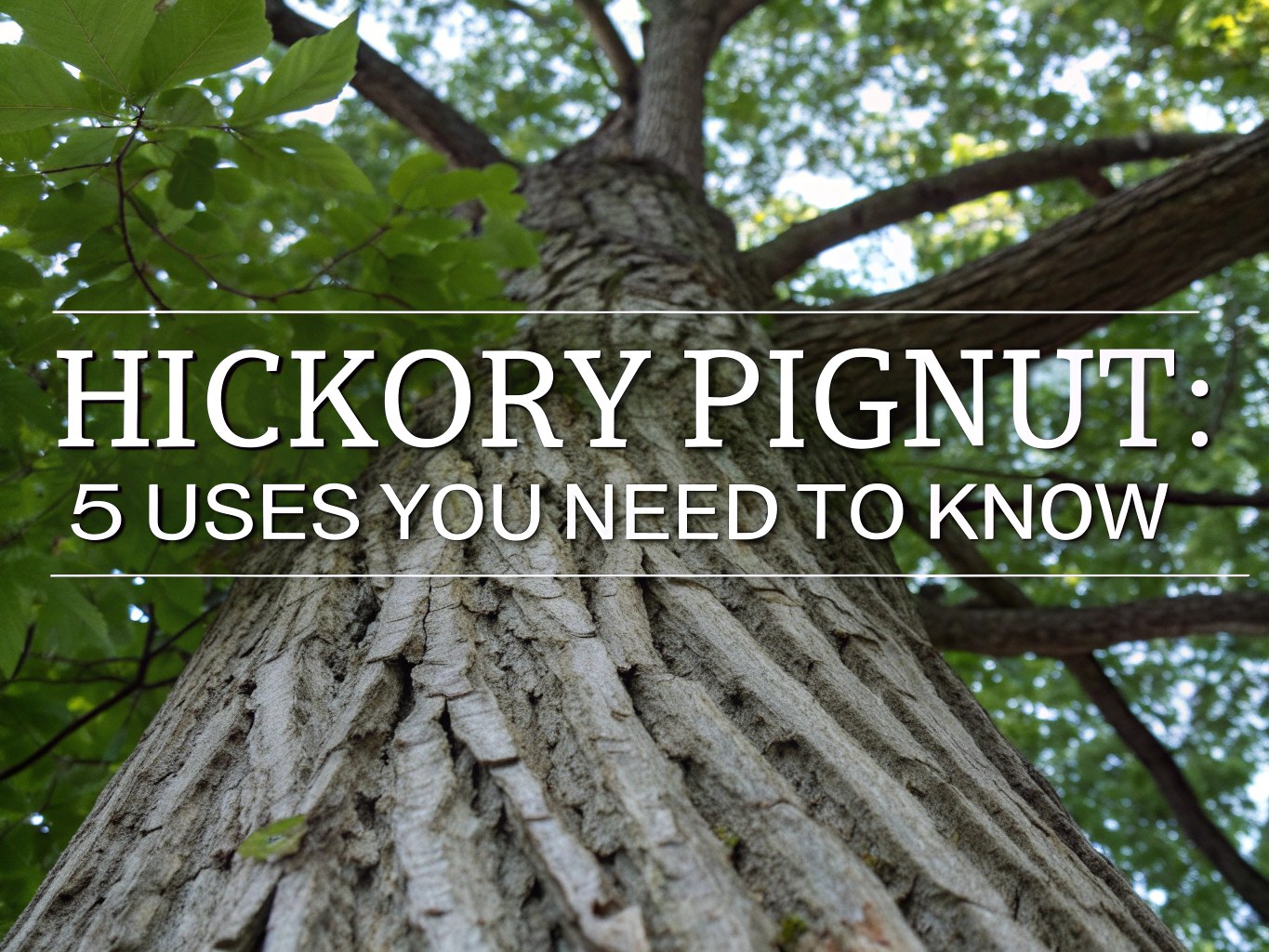

Did you know the pignut hickory offers more than a snack? Its nuts bring a rich, buttery taste to baking and snacks. The wood is dense and holds up under heavy use. Read on to learn five handy uses and basic care tips.
Table of Contents
Pignut hickory is a hardy native tree with a nut that ranges from mildly sweet to a bit bitter, and it offers food, wood, and habitat value. This guide covers the pignut hickory nut, tree traits, uses, health notes, and how to grow a strong hickory pignut at home.
What Is Pignut Hickory?
Scientific Background
Botanists list the tree as Carya glabra, a member of the hickory group native to eastern North America. It’s widely known as pignut hickory and produces the familiar pignut hickory nut that many wildlife species depend on.
Tree Characteristics
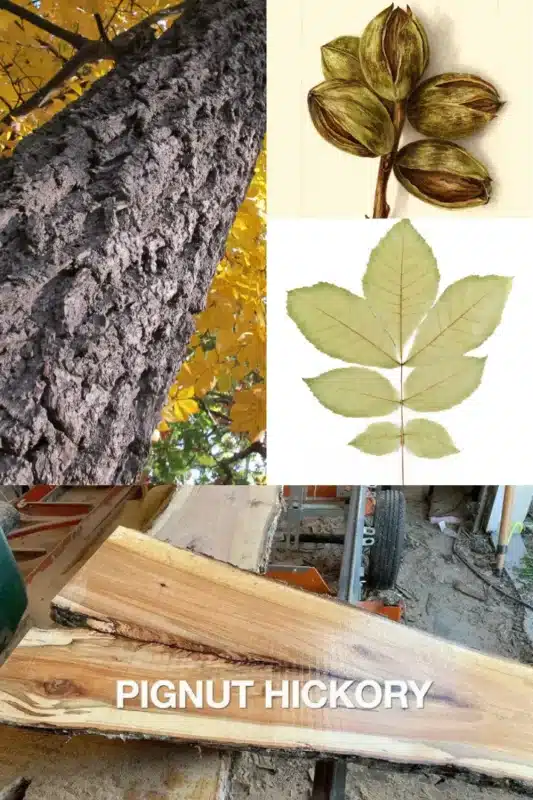
Mature trees reach about 80–120 feet, with a straight trunk and strong, flexible wood. You’ll often see the species on dry ridges and mountain slopes in the Appalachians, and it tolerates many soils if drainage is good; see the overview from Casey Trees for range and habitat notes.
Nut Features
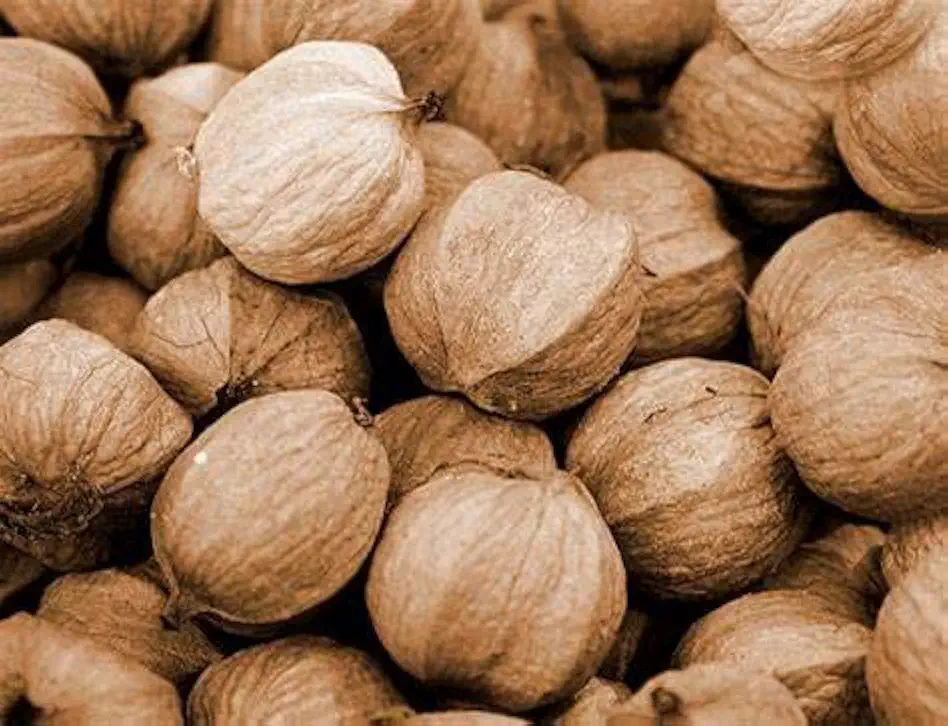
The pignut hickory nut is usually oval or pear-shaped with a thin husk that splits only partially. Split a shell across the middle and the cavity can resemble a pig’s snout, which likely inspired the common name reported by foragers on Foraged.
Edible Uses of Pignut Hickory Nut
Nutritional Content
A one-ounce serving of pignut hickory nut (values reflect general hickory nut data) delivers plenty of healthy fats, plant protein, and minerals. The table below provides a quick snapshot you can use for meal planning or snack sizing.
| Nutrient (per ounce) | Approximate Amount |
|---|---|
| Calories | ~186 kcal |
| Protein | ~4.5 g |
| Total Fat | ~18 g |
| Fiber | ~1.2 g |
| Key Micronutrients | Magnesium, Potassium, Vitamin B1 (Thiamine) |
| Fatty Acids | Omega‑3 and Omega‑6 |
Culinary Applications
Cooks like to roast or toast the kernels to bring out a deeper nut flavor. Try them in quick breads, cookies, brittle, granola, trail mix, or grind into a coarse meal for pancakes and crusts.
- Lightly roast and salt for a snack.
- Pulse into pesto with herbs and olive oil.
- Fold chopped nuts into muffins or banana bread.
- Blend into nut butter with a touch of honey.
- Infuse cream for ice cream or custards.
If you’d like ready-to-use options, these products make trying pignut hickory nut simple and fun. They offer different formats—shelled, in-shell, or recipe-ready kernels.

Raw Shelled Hickory Nuts — 3 oz
- Rich, buttery flavor perfect for snacking
- Shelled and ready-to-eat with no cracking required
- Great for baking, salads, and trail mixes
- Small 3 oz sampler portion ideal for trying or gifting
- Natural source of healthy fats and protein
 Buy on Amazon
Hickory Nuts in Shell — 2 lb Bag
- Generous 2 lb supply for snacking and recipes
- In-shell format preserves freshness until you crack them
- Robust hickory flavor that roasts and caramelizes beautifully
- Fun cracking experience for family and gatherings
- No added preservatives, just natural nuts
Buy on Amazon

Hickory Nut Kernels — 108 g
- Shelled hickory kernels with a concentrated nutty taste
- Convenient 108 g portion for single recipes or snacking
- Excellent in baked goods, granola, and desserts
- Ready-to-use with no cracking required
- Good source of healthy fats and protein
Buy on Amazon
Flavor Profile
Flavor varies by tree, with some nuts mildly sweet and others more astringent. A light roast or a touch of maple sugar softens bitterness and highlights a buttery, nutty finish that pairs well with coffee, chocolate, and fall spices.
Health Benefits of Pignut Hickory Nut
Nutritional Advantages
The fat profile supports heart health, while protein and fiber help with satiety. Some articles suggest benefits for blood sugar, cholesterol, and brain function; see this overview on potential effects in The Chronicle: Potential Health Benefits of Hickory Nuts.
Medical Potential
Compounds in hickory nuts show antioxidant and anti-inflammatory activity in general nut research. Treat them as a nutrient-dense food that complements a balanced diet rather than a single cure.
Consumption Guidelines
The pignut hickory nut is calorie-dense, so stick to a small handful (about 1–2 ounces). People with tree nut allergies should avoid them or speak with a clinician first, and kids should eat finely chopped pieces to reduce choking risk.
Traditional and Historical Uses
Early American Applications
Craftspeople valued the wood for tool handles, barrel hoops, baskets, and wagon parts thanks to its shock resistance. Historical notes from Appalachian Voices also mention furniture and flooring as common uses.
Native American Medicine
Tribal communities used various tree parts for remedies and oils, and hickory nut oil once fueled simple lamps. Local traditions also pressed nuts for food and thickened porridges with ground kernels.
Cultural Significance
The nickname “Old Hickory” linked President Andrew Jackson with toughness associated with the tree. The phrase still pops up in town names, schools, and festivals across the eastern United States.
“Old Hickory.”
Nickname of Andrew Jackson
Wood and Lumber Applications
Shock-Resistant Properties
Hickory ranks high for impact strength, which makes it ideal for axes and bats. For species traits and comparisons, see our guide to hickory wood.
Furniture and Flooring
Installers like the dense grain for durable flooring, stair treads, and rustic casework. In some regions, people also use related species such as pecan wood for similar projects with a slightly different look.
Syrup Production
Hickory sap can be boiled into a mild, sweet syrup, and many folks also simmer bark infusions for flavoring syrups. Watch the short tutorial below for a practical overview of tapping and syrup basics with hardwoods.

Wildlife and Ecological Value
Forest Regeneration
Pignut hickory produces many nuts that help it spread and provide a steady food source. This habit supports forest recovery after disturbance by feeding animals that also disperse seeds.
Wildlife Nutrition
Rich, fatty kernels fuel squirrels, chipmunks, wild turkeys, and other birds, especially in winter. The energy density of the pignut hickory nut helps small animals maintain body heat in cold spells.
Soil Benefits
Leaf litter from hickories contributes calcium and other minerals to the topsoil. Over time, that improves soil quality for wildflowers, shrubs, and the tree’s own seedlings.
Growing Pignut Hickory Trees
Planting Conditions
Pick a site with full sun and well-drained soil; loosen heavy ground and work in compost before planting. For an accessible how‑to, see the overview at Hansen’s Tree Service.
Care Requirements
Water deeply the first two growing seasons to build a strong root system, then scale back as the tree establishes. Avoid heavy pruning; remove only dead, rubbing, or diseased branches during dormancy.
Maintenance Tips
Protect young trunks with a breathable guard to reduce rodent damage. Space trees away from high-traffic areas to manage nut drop, and mulch 2–3 inches deep while keeping mulch off the bark.
Watch for foliage pests and leaf spot, and keep a clean canopy with good airflow. If growth looks poor, test soil before using a slow-release fertilizer in spring.
FAQs
What Is The Difference Between Hickory And Pignut Hickory?
“Hickory” Refers To A Group Of Trees In The Genus Carya, While “Pignut Hickory” (Carya Glabra) Is One Specific Species Within That Group. Pignut Hickory Tends To Be Medium-To-Large In Size With Narrower Leaflets, A Slender Bud, And Smaller, Less-Sweet Nuts Compared With Some Other Hickory Species Like Shagbark. In Practical Terms, The Main Differences Are In Bark Texture, Nut Size And Flavor, And Preferred Habitats—Pignut Often Grows In Upland, Well-Drained Sites And Has Distinctive Botanical Features That Separate It From Other Hickories.
Are Pignut Hickory Nuts Edible?
Yes, Pignut Hickory Nuts Are Edible, But They Are Smaller And Often More Bitter Or Astringent Than Nuts From Sweeter Hickory Species. The Thin Nutmeat Can Be Eaten Raw Or Better Yet Roasted, Which Reduces Bitterness And Improves Flavor. Because The Shells Can Be Tough And The Flavor Variable, They Aren’t Widely Used Commercially, But They Are A Useful Foraged Food And Wildlife Food Source.
How Can I Identify A Pignut Hickory Tree?
Identify Pignut Hickory By Its Compound Leaves Usually With Five (Sometimes Seven) Narrow Leaflets With Fine Teeth, A Slender, Pointed Terminal Bud, And Small Round To Oval Nuts Enclosed In A Thin Husk That Splits At Maturity. The Bark On Young Trees Is Relatively Smooth, Becoming Blocky Or Slightly Interlaced On Older Trees. Pignut Also Tends To Have A Straight Trunk And Grow In Upland, Well-Drained Soils. Combining Leaflet Count, Bud Shape, Nut Characteristics, And Bark Texture Makes Identification More Reliable.
What Are The Uses Of Pignut Hickory Wood?
Pignut Hickory Wood Is Valued For Its Strength, Hardness, And Shock Resistance, Making It Suitable For Tool Handles, Flooring, Furniture, And Sporting Goods. It’s Also Excellent As Firewood And Is Frequently Used For Smoking Meats Because Of The Pleasant Flavor It Produces. While Not As Common As Some Other Hickories For Decorative Uses, Its Mechanical Properties Make It Highly Useful In Applications Requiring Durability And Impact Resistance.
How Do You Grow A Pignut Hickory Tree From Seed?
Collect Fully Mature Nuts In Fall, Remove The Husk, And Cold-Stratify The Seeds For Several Months (Typically 90–120 Days) By Keeping Them In Moist, Cold Conditions To Break Dormancy. In Spring Plant The Nuts About 1 Inch Deep In Well-Drained Soil Or Start Them In Pots. Keep Seedlings Moist And In Full To Partial Sun; Transplant When They Are Large Enough To Handle. Pignut Hickories Grow Slowly And May Take Many Years To Mature, So Patience, Protection From Rodents, And Consistent Watering During The First Few Years Are Important For Success.