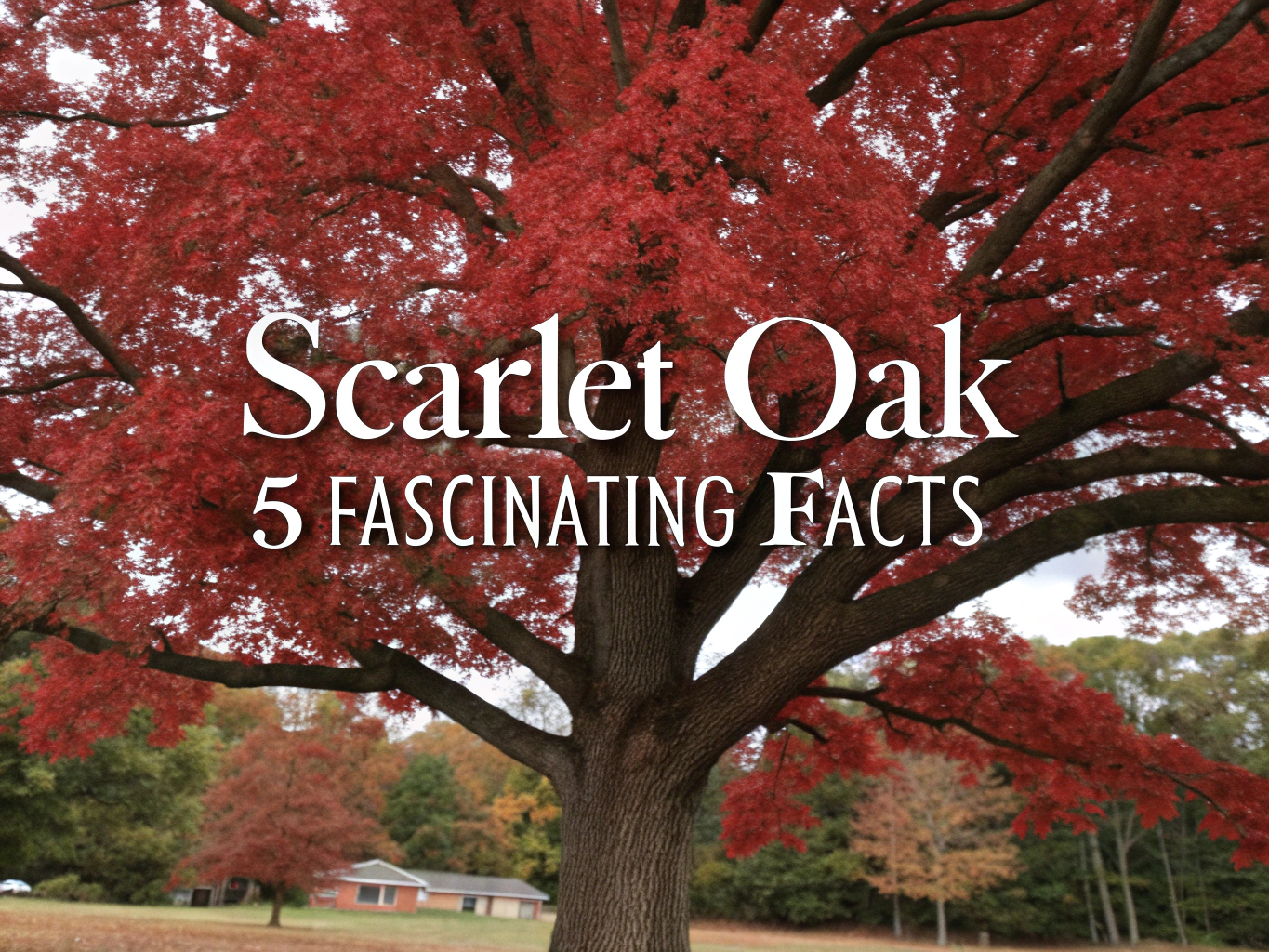

Ever wondered why some oaks turn a deep red each fall? The scarlet oak is known for that show. It also provides lots of acorns for birds and mammals and is a fast-growing shade tree. You can spot it by its leaf shape and bark. This post will help you tell it apart from Quercus nigra and Quercus velutina, and give simple planting tips.
Table of Contents
Scarlet oak (Quercus coccinea) brings fiery color, quick shade, and strong habitat value to parks and home landscapes. This guide explains features, planting tips, and key differences from related oaks so you can pick and grow the right tree with confidence.
Scarlet Oak’s Brilliant Red Fall Foliage
Seasonal Color Transformation
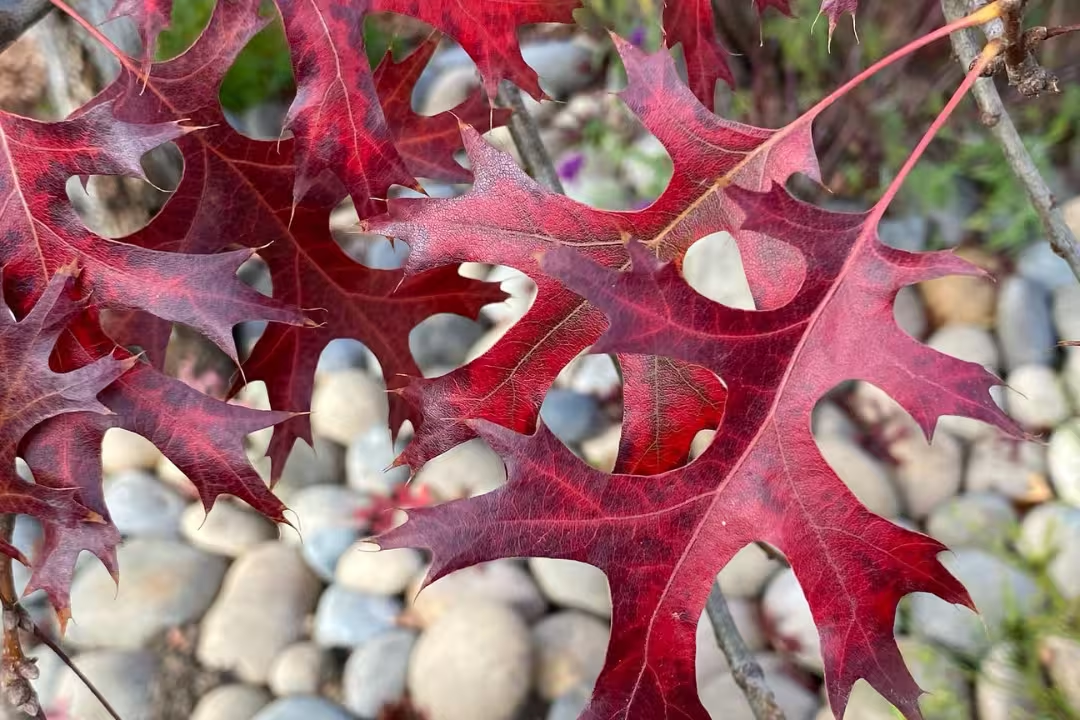
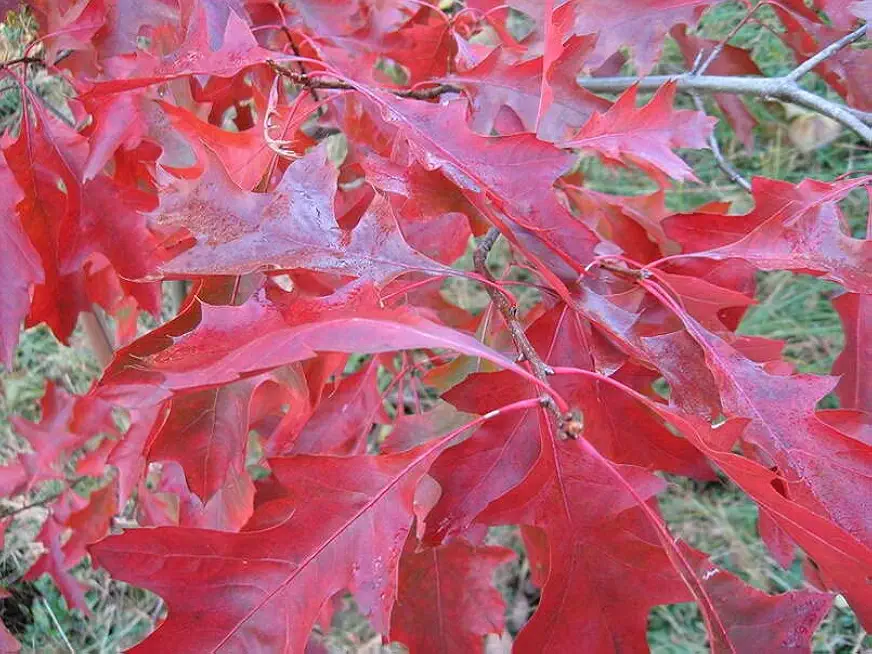
Few trees match the scarlet oak for autumn drama: leaves shift from deep red to glowing scarlet, with color often strongest after warm summers and in sunny sites; see the insight shared in The Plantsman’s Choice—Scarlet Oak. Plant in full sun to maximize pigments, and avoid heavy shade that mutes color and shortens the display.
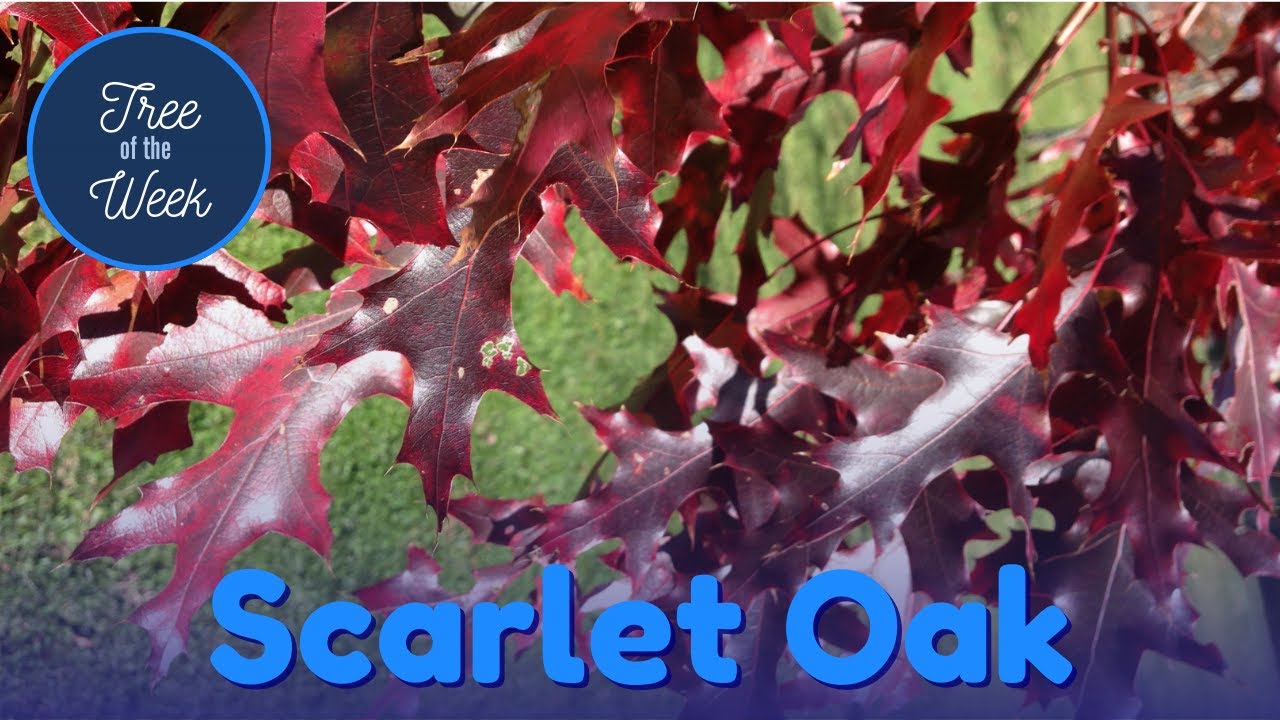
Color varies among seed-grown trees, so pick a named cultivar if you want consistency across a streetscape or campus quad. The selection ‘Splendens’ is widely used for larger leaves and dependable red tones, which helps large projects deliver a uniform fall show.
Cultivar Selection for Reliable Color
Choose young trees in leaf during autumn so you can confirm real color on site, or buy certified cultivars from a reputable nursery. Match multiple trees from the same block to keep street or park plantings consistent in hue and timing.
Wildlife and Ecosystem Benefits
Acorn Production for Wildlife
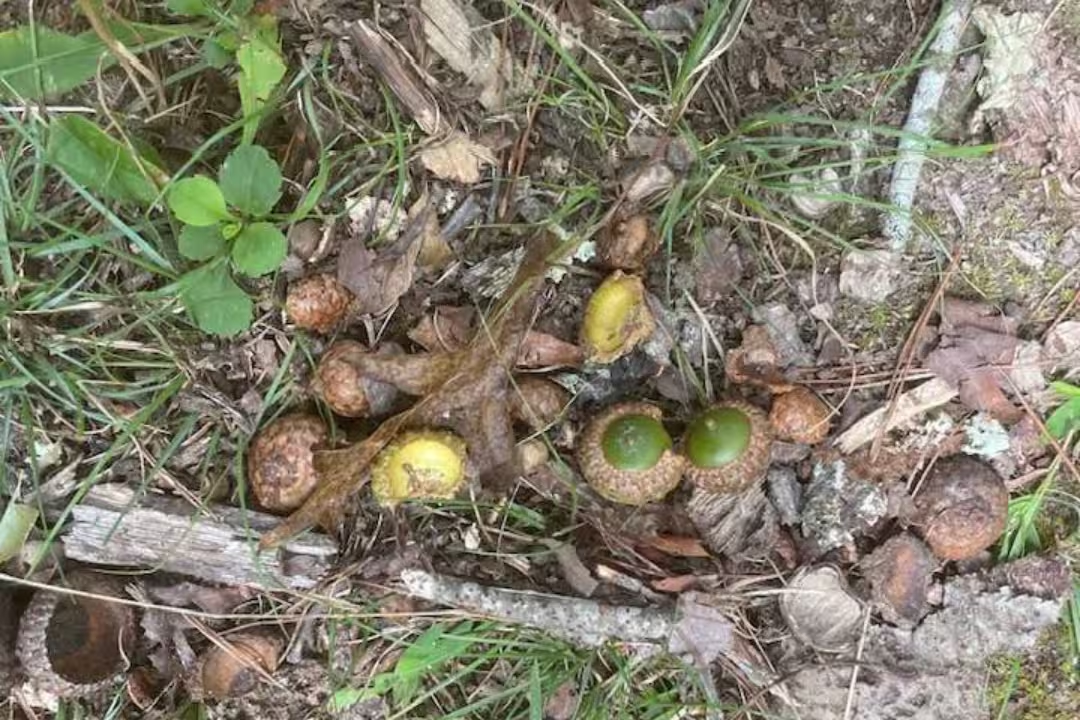
Each fall, scarlet oak acorns feed birds, squirrels, and deer, adding dependable calories to local food webs; see species notes at Go Botany—Quercus coccinea. Leave some leaf litter and a few acorns on the ground to support insects and small mammals through winter.
Pollinator Host Plant
Oaks host hundreds of moths and butterflies, which in turn feed nesting birds and bats. Plant scarlet oak near diverse understory shrubs and native perennials to boost caterpillar habitat and extend nectar resources.
Fast Growth and Urban Adaptability
Rapid Canopy Development
Scarlet oak is a relatively fast-growing oak tree that builds a broad canopy early in its life, especially with full sun and wide soil volumes; regional guides from Cape Cod Native Plants—Scarlet Oak highlight its vigor in sandy sites. Water deeply during the first two summers to speed root spread and stabilize young trunks.
Street Tree Performance
Urban foresters value this ornamental oak for tolerance to heat, compacted soils, and periodic drought. Space trees generously from overhead lines and allow large soil openings around trunks to support long-term health.
- Handles dry, sandy soils once established.
- Accepts road salt spray better than many deciduous trees.
- Works as a median or boulevard tree with full sun.
- Transplants best from containers or small B&B stock.
Botanical Features and Identification
Leaf Structure and Shape
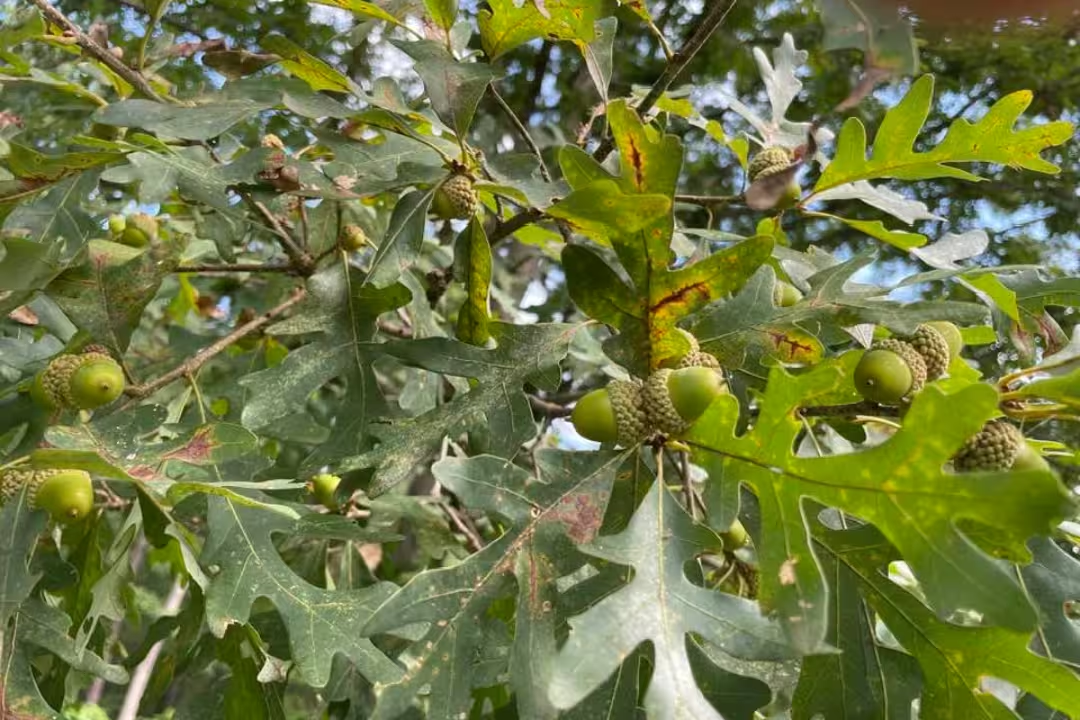
Leaves are alternate and simple with three lobes per side, shiny dark green above and lighter beneath. Deep sinuses cut close to the midrib, giving a dramatic shape that reads “scarlet oak” even from a distance.
Size and Growth Habit
Mature trees reach about 50–80 feet tall with a rounded crown and a 10–20 foot spread in many urban settings. Bark darkens with age while autumn foliage shifts to brilliant scarlet before leaves drop.
Distinguishing Scarlet Oak from Other Species
Vs. Red Oak and Black Oak
Compared with northern red oak, scarlet oak shows deeper sinuses and more vivid red fall color. Black oak (Quercus velutina) has rough, nearly black bark and yellow-orange inner bark; see Oregon State Landscape Plants—Quercus velutina for diagnostic photos; for wood differences, review red oak vs white oak for context on the red-oak group used in lumber.
Comparing Quercus Velutina and Related Oaks
Landscape choices also include quercus nigra (water oak), overcup oak (Q. lyrata), post oak (Q. stellata), and swamp white oak tree (Q. bicolor). Use the table to match site moisture, leaf traits, and typical uses.
| Species | Botanical Name | Notable Features | Common Landscape Use |
|---|---|---|---|
| Scarlet Oak | Quercus coccinea | Bright scarlet fall color, rounded canopy, fast growth | Urban, parks, dry woodlands |
| Black Oak | Quercus velutina | Nearly black, rough bark, yellow-orange inner bark | Native forests, sandy soils |
| Water Oak | Quercus nigra | Narrow, spatula-shaped leaves, moist bottomlands | Wet sites, floodplain restoration |
| Overcup Oak | Quercus lyrata | Deep acorn caps, flood-tolerant | Wetland edges, bottomland woods |
| Post Oak | Quercus stellata | Cross-shaped leaves, drought tolerant | Dry uplands, savannah plantings |
| Swamp White Oak | Quercus bicolor | Broad leaves, wetland tolerance | Streambanks, moist woods |
Cultivation and Propagation Methods
Soil and Planting Requirements
Plant in well-drained, acidic, sandy or loamy soils and full sun; site guides from Cape Cod Native Plants—Scarlet Oak note strong performance on dry uplands. Set the root flare at grade, water deeply after planting, mulch 2–3 inches, and keep mulch off the trunk.
Acorn and Seedling Propagation
Collect fresh acorns in fall, float-test to sort viable seed, then cold stratify for 6–12 weeks in moist medium before spring sowing. Transplant seedlings while small to reduce shock, and protect with cages where browsing pressure is high; scarlet oak seedlings and scarlet oak acorns are widely available in 2025 for home or restoration projects.
Here are two starter options that make planting easy and budget-friendly.

Scarlet Oak Seedlings (3-Pack)
- Nursery-grown 12-18 inch seedlings ready for planting
- Easy to establish with basic care
- Produces vibrant scarlet fall foliage
- Durable hardwood adds long-term landscape value
- Supplied as a convenient three-plant set
 Buy on Amazon
Scarlet Oak Acorns — 10-Seed Pack
- Ten scarlet oak acorns ready for planting or storage
- Clear guidance for best germination results
- Develops into trees with striking autumn color
- Excellent for landscaping and wildlife support
- Compact pack ideal for hobbyist planters
Buy on Amazon
Landscaping and Design Applications
Urban Parks and Street Planting
Use scarlet oak for shade allees, boulevard plantings, and park meadows where bright fall color can anchor a vista. In mixed groves, pair with species that leaf out and color at slightly different times to stretch the display; for lumber context, see red oak wood and how red-oak group trees contribute to material culture.
Companion Plants and Garden Integration
Underplant with native companions like Plantain-Leaved Pussytoes (Antennaria plantaginifolia) and Silverrod (Solidago bicolor) for a dry, sunny palette that supports pollinators. A classic field read for tree lovers fits nicely on the coffee table at home or in a park office

The Scarlet Oak — Illustrated Edition
- Beautiful illustrated plates throughout the text
- Classic storytelling with vivid natural description
- Collector-friendly presentation and format
- Offers historical charm and literary appeal
- Makes a striking gift or display book
Buy on Amazon
FAQs
What Are The Identifying Features Of A Scarlet Oak Tree?
The scarlet oak has deeply lobed leaves with pointed bristle tips, a rounded to open crown at maturity, dark furrowed bark, and small acorns with shallow cups. Its most notable trait is the brilliant red to scarlet fall color that helps distinguish it from other oaks.
How Fast Does A Scarlet Oak Tree Grow?
Scarlet oaks grow at a moderate to fairly quick rate when young, typically adding about 12-24 inches (30-60 cm) per year under good soil and moisture conditions. Growth slows as the tree matures and under drought or poor soil.
What Is The Lifespan Of A Scarlet Oak?
When established in a suitable site, scarlet oaks can live for many decades, commonly 100 to 300 years. Lifespan depends on site conditions, pests, disease, and management practices, with stress and root damage shortening longevity.
Are Scarlet Oaks Good For Urban Environments?
Scarlet oaks can perform well in urban areas if given adequate root space and well-drained soil. They tolerate some pollution and drought but are not ideal for very confined or compacted sites. Plant them where their mature size will not conflict with utilities or buildings.
How Do The Leaves Of A Scarlet Oak Change Color In The Fall?
In fall the tree breaks down chlorophyll, revealing carotenoids and producing anthocyanins that give the leaves their vivid red to scarlet hues. Bright sunny days and cool nights enhance the color, while drought or early frost can reduce its intensity.