

Have you ever noticed a sticky, resinous bud and wondered what it could do? Balsam poplar and its balsam poplar buds give a warm, woodsy scent and have long been used in home remedies. This post shows five easy ways to use them, from skin care and pain relief to chest support, home fragrance, and simple soap and craft recipes. Find safe tips you can try at home in 2026.
Table of Contents
Balsam poplar offers time-tested benefits for skin, pain relief, breathing support, and home fragrance, backed by growing lab data and careful herbal practice. This guide explains uses, active compounds, safe DIY methods, and sustainable ways to work with balsam poplar buds.
What Is Balsam Poplar?
Botanical Background
Balsam poplar (Populus balsamifera) is a fast-growing North American tree prized for sticky, aromatic buds used in folk care and modern formulas. Its riparian habitat also makes it valuable for stabilizing banks, while its timber complements common uses of poplar wood in projects and fixtures.
The buds contain resin rich in phenolic acids and flavonoids that give poplar balsam its distinct aroma and protective qualities. Safety and traditional uses of Populus species are summarized on RxList: Poplar, which also notes sensitivities for people who react to salicylates.
Western Balsam Poplar vs Other Species
Western balsam poplar (Populus trichocarpa) shares many bud constituents with P. balsamifera and is often sold interchangeably. Cottonwoods like black cottonwood can work in similar recipes, but potency and scent vary by species and collection timing.
| Species | Common Names | Bud Aroma | Typical Uses | Notes |
|---|---|---|---|---|
| Populus balsamifera | Balsam poplar | Sweet, balsamic, resinous | Skin salves, massage oils, aromatics | Widespread in boreal North America |
| Populus trichocarpa | Western balsam poplar | Resinous, slightly fruity-wood | Similar to P. balsamifera | Coastal and inland Pacific Northwest |
| Populus deltoides | Cottonwood | Resinous, lighter balsam | First-aid salves, chest rubs | Potency varies by region |
| Populus tremuloides | Quaking aspen | Mild, less balsamic | Adjunct in blends | Lower resin yield |
1. Wound Healing and Skin Care
Natural Antimicrobial Properties
Balsam poplar buds contain p-coumaric acid, galangin, pinocembrin, and salicin that help defend minor cuts from everyday microbes. Infused oil or gel made from fresh resinous buds can support clean healing on scrapes and chapped skin.
Balm of Gilead Salve Benefits
The classic Balm of Gilead salve soothes irritated skin, reduces redness, and eases surface soreness after gardening or outdoor work. A maker’s perspective with practical tips appears on Prairie Soap Shack, highlighting aroma, texture, and bud handling.
DIY Skin Treatment Applications
Simple infused oil: Fill a jar halfway with fresh, sticky buds; cover with light oil (sunflower, sweet almond, or fractionated coconut); cap loosely to vent; warm gently (double boiler or sunny window) for 2–4 weeks; strain through fine cloth. Use the oil on minor scrapes, dry patches, and cracked heels; patch test if you’re salicylate-sensitive.
- Salve: Melt 1 oz beeswax into 4 oz infused oil; add 5–10 drops vitamin E; pour into tins.
- Skin stick: Use extra beeswax (1.5 oz per 4 oz oil) for a firmer glide-on tube.
- Rescue balm: Blend 3 oz poplar oil with 1 oz shea butter for added occlusion.
- Lip guard: Use fractionated coconut oil for a lighter, pocket-ready stick.
For quick trials or travel kits, a small bottle of poplar balsam extract is handy, and it pairs well with conifers, lavender, and citrus notes for everyday care. Try a pre-bottled option if you’re short on time.
2. Pain and Inflammation Relief
Salicylate Compounds for Natural Pain Relief
Natural salicylates in buds, young twigs, and bark can ease aches after activity or long workdays. Many users notice a warming feel as circulation improves around sore areas after applying poplar bud oil.
Arthritis and Muscle Soreness Treatment
For stiff hands or knees, massage a small amount of balsam poplar salve into joints 2–3 times daily. A practical overview of cottonwood/poplar as “tree medicine” appears on Dandelion Herbal Center, noting external uses and aromatic benefits.
Massage Oil Applications
Blend 3 parts poplar oil with 1 part arnica or St. John’s wort oil for a post-workout rub, adding 1–2% peppermint or copaiba for comfort. Work along muscle lines for 3–5 minutes per area, and avoid broken skin and heat packs if redness appears.
3. Respiratory Health Support
Chest Congestion Relief
Many users rub a small amount of poplar balsam salve on the chest to support easier breathing at night. Pair with warm showers or steam tents for 5–10 minutes to loosen mucus and relax tight airways.
Cough Remedy Applications
Use a bud-infused chest balm on the throat and upper back at bedtime for a quiet cough routine. Keep eucalyptus low or omitted for kids; talk to your pediatrician before using any aromatic blends on children.
Balsam Poplar Buds for Breathing
For gentle support, add 2–3 drops of balsam poplar extract to a bowl of hot water, tent with a towel, and inhale for 3–5 minutes, eyes closed. This simple method uses the buds’ volatile aromatics without leaving residue on skin or fabric.
4. Aromatherapy and Natural Fragrance
Essential Oil Properties
Balsam poplar oil delivers a sweet, woody-balsamic scent that anchors blends and adds longevity to room sprays and balms. A supplier profile on Nature In Bottle outlines typical aromatic notes and common applications.
Stress Relief Benefits
Diffuse 4–6 drops to create a calm, woodland atmosphere for evening routines or reading time. Pair with fir, cedar, or vanilla to soften sharper edges and make an inviting, long-lasting scent.
Home Fragrance Projects
Try these simple projects: linen spray (0.5–1% oil in alcohol and water), wax sachets for closets, or reed diffusers for steady scent in entryways. Keep concentration lower in small rooms and increase air flow if the aroma feels heavy.
Here are two easy options if you’d like ready-made aromatics before blending your own.
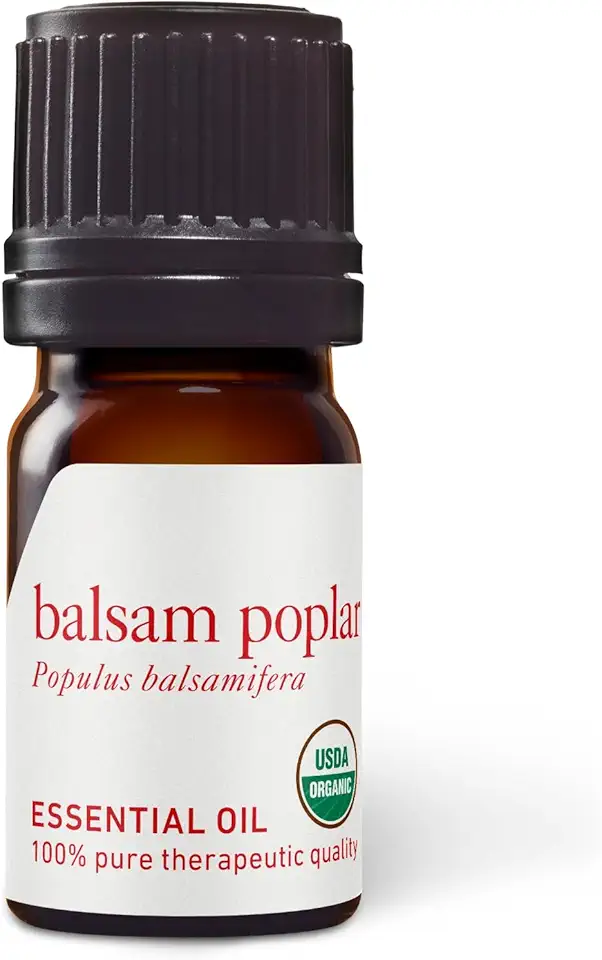
Organic Balsam Poplar Oil — 5ml
- 100% pure USDA organic extract for clean diffusion
- compact 5ml size ideal for travel or sampling
- fresh balsamic, woodsy aroma that supports relaxation
- easy to blend with other essential oils
- great for diffusers and personal aromatherapy
 Buy on Amazon

Balsam Forest Reed Diffuser Refill — 4 oz
- Woodsy pine and fir fragrance that refreshes living spaces
- 4 oz refill to extend your diffuser's life
- includes free set of reed sticks for immediate use
- vegan formula made in the USA
- easy pour refill to maintain steady scent release
Buy on Amazon
5. Soap Making and DIY Crafts
Handmade Soap Applications
Add 1–2 tbsp of bud-infused oil per pound of oils in cold-process soap for creamier lather and subtle balsamic notes. Use a small gel or emulgel test batch first to gauge scent strength before scaling a full loaf.
Natural Skincare Formulations
In lotions, keep balsam poplar at 1–3% of the formula to maintain a silky feel and avoid tackiness. For deodorant sticks, combine with arrowroot and magnesium hydroxide to balance odor control with a forest-fresh profile.
Craft Projects with Poplar Balsam
Make wax fire starters with pinecones, soy wax, and a touch of poplar resin oil for a campfire vibe. If you enjoy tree-themed projects, explore related species like bigtooth aspen for contrasting grain and craft ideas.
Scientific Research and Active Compounds
Key Medicinal Compounds
Analyses identify p-coumaric acid, caffeic acid, cinnamic acid, salicin, galangin, pinocembrin, and pinobanksin as leading contributors to activity. A recent open-access review details topical forms like gels and emulgels in Pharmaceuticals (PMC10606801).
Laboratory Studies
Extracts show antimicrobial and anti-inflammatory effects in vitro, supporting use on minor skin issues and sore tissue. These findings match common field practice where bud oil is applied as a protective, resin-rich layer.
Antioxidant Properties
Bud fractions display strong antioxidant capacity that may help reduce oxidative stress on the skin’s surface. This supports the “Nature’s bandage” reputation often cited by herbal makers working with fresh spring buds.
Sustainable Harvesting and Growing Tips
Best Harvesting Practices
Take a small portion from many trees rather than many buds from one tree, and skip low-vigor stands. Wear nitrile gloves, collect into glass jars, and wipe tools with oil to manage the sticky resin.
Seasonal Timing
Harvest during late winter to early spring while buds are swollen, resinous, and still closed. Stop once catkins form, since resin thins and the ecological role of buds increases as growth accelerates.
Growing Your Own Trees
For home plots, plant fast growers for shade, privacy, and future bud harvests, and read up on wood basics like is poplar a hardwood. Space trees well, choose moist ground, and prune lightly to keep healthy form.
Starter materials and related herbal items below can help you test projects before planting large numbers.

10 Hybrid Poplar Cuttings — Fast-Growing Trees
- Ten fast-growing hybrid poplar cuttings for quick shade
- excellent choice for privacy screens and windbreaks
- attractive foliage that establishes rapidly
- easy-to-plant cuttings for home or landscape projects
- helps create green cover and outdoor shelter
Buy on Amazon

White Poplar Bud Tea — 50g
- Loose-leaf white poplar buds for a fragrant herbal infusion
- gentle, naturally aromatic flavor perfect for warm drinks
- easy to brew alone or blend with other herbs
- 50g size for multiple cups or small-batch use
- ideal for tea lovers wanting a specialty herbal option
Buy on Amazon

White Poplar Bud Tea — 100g
- Bulk 100g pack of loose white poplar buds for many brews
- aromatic herbal tea with a delicate flavor profile
- great for blending with other botanicals
- suitable for daily enjoyment or sharing
- convenient size for regular tea drinkers
Buy on Amazon
If you already harvest wildly resinous balsam poplar buds, label jars by date and site to learn which areas produce the scent and strength you prefer. Rotate picking spots each spring to protect trees and maintain reliable bud yields for the long run.
FAQs
What Are The Uses And Benefits Of Balsam Poplar?
Balsam poplar Is Valued For Timber, Pulp And Paper Production, As Well As For Windbreaks, Erosion Control And Reforestation Because It Grows Quickly. Its Resinous Buds Are Used In Traditional Salves, Fragrances And Liniments, And The Tree Provides Important Wildlife Habitat, Early Successional Cover And Bee Forage.
How Can I Identify A Balsam Poplar Tree?
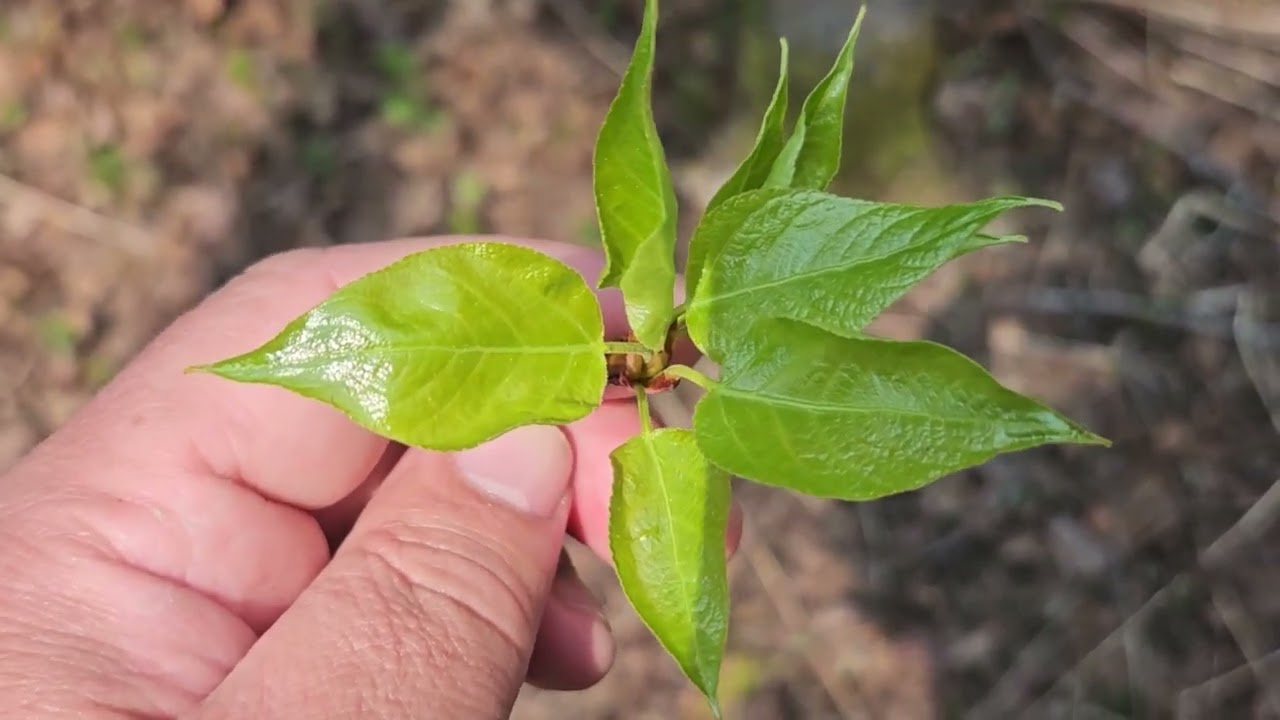
Balsam Poplar Can Be Identified By Its Triangular To Ovate Leaves With A Pointed Tip, Finely Serrated Margins And A Paler Underside; Leaves Often Turn Yellow In Autumn. The Buds Are Large, Sticky And Resinous With A Distinctive Balsam Scent; Young Twigs Are Smooth And Greenish While Older Bark Becomes Fissured And Gray. In Spring Look For Catkins And Note The Tree’s Rapid Growth And Preference For Moist, Open Sites.
What Is The Native Range Of Balsam Poplar?
Balsam Poplar Is Native To Northern North America, Occurring Across Much Of Canada From The Atlantic To The Yukon, Throughout Alaska And Into Parts Of The Northern Contiguous United States Including The Great Lakes, Northern New England And Mountainous Regions. It Prefers Boreal And Sub-Boreal Climates, Wet Soils And River Valleys.
How Do You Propagate Balsam Poplar?
You Can Propagate Balsam Poplar From Seed Or Vegetatively; Seeds Are Wind-Dispersed But Short-Lived And Require Fresh, Moist Mineral Seedbed Conditions. Vegetative Methods Are Easier And More Reliable—Plant Dormant Hardwood Cuttings Or Live Stakes In Moist Soil In Late Winter Or Early Spring, Or Use Softwood Cuttings In The Growing Season; Rooting Is Fast Under Consistently Moist, Well-Drained Conditions.
Does Balsam Poplar Have Any Medicinal Properties?
Yes—The Resinous Buds And Bark Have Long Been Used In Traditional Medicine As Antiseptics, Anti-Inflammatories And Expectorants For Colds, Coughs, Minor Wounds And Skin Ailments. The Buds Contain Volatile Oils And Resinous Compounds With Soothing Properties, But Preparations Should Be Used Cautiously And Not As A Substitute For Professional Medical Advice.