

What makes heart pine so prized? It begins with old-growth trees and a dense, amber heartwood. That grain gives the wood its warm look and real strength. Many people pick heart pine flooring for long-lasting style and character. This post shares five clear facts on where it comes from, how it looks, its strength, common uses, and how to buy it.
Table of Contents
Heart pine is prized heartwood from longleaf pine with rich color, tight grain, and serious strength. This guide explains what it is, why it’s rare, and how to choose and use it well, with a focus on heart pine flooring.
What is Heart Pine?
Heartwood vs. Sapwood
Heart pine means the inner heartwood of longleaf pine, not the lighter outer sapwood that grows faster and dents easier. The heartwood forms after decades, gains resin, and delivers the tight grain, color, and decay resistance that make “what is heart pine” a common question for builders and collectors; see the overview in Heart pine (Wikipedia).
For beginners, the quick visual test is color and weight: heartwood runs amber to red and feels heavy, while sapwood looks pale and feels lighter; this matters for flooring and millwork performance. If you’re buying structural stock, compare to general construction wood guidelines and ask for the percent-heartwood figure.
Longleaf Pine Origins
Longleaf pine (Pinus palustris) once dominated the U.S. Southeast from Virginia to Texas. The species thrives in sandy, well-drained soils and historically regenerated with periodic low-intensity fire, which promoted clean, straight trunks with clear grain.
Because many “heart pine” labels get used loosely, verify the species claim and growth ring count per inch. Ask the seller to provide photos of end grain and ring density so you can spot true old-growth traits.
Growth Timeline and Rarity
Every inch of heartwood can take about 30 years to form in longleaf pine, which is why dense boards fetch a premium. That slow growth explains the scarcity of new stock and the strong interest in reclaimed material.
Key Characteristics of Heart Pine
Color and Appearance
Color ranges from deep amber to reddish gold, fueled by resin locked inside the heartwood. Boards darken beautifully with age and sunlight, giving antique floors their mellow, honeyed look; see practical notes in Heart Pine 101.
For uniform tone across a project, target a high percent-heartwood specification. Ask the mill to sort for consistent hue and avoid high-sapwood pieces if you want the classic red-gold field.
Hardness and Durability
Longleaf heart pine tests near red oak on the Janka scale, unusual for a pine, and it wears well in busy homes. Resin content and density also boost resistance to dents and abrasion in daily use.
For best stability, ask for kiln-dried stock with moisture content aligned to your climate to reduce movement; see basics in kiln-dried wood. Let boards acclimate in the space for several days before installation for consistent results.
Grain Pattern and Density
Grain often shows tight, straight lines with 8–20+ rings per inch on old material. Select quartersawn or rift sawn to highlight straight lines and improve stability in flooring and stair parts.
| Attribute | Heart Pine (Longleaf) |
|---|---|
| Typical color | Amber to reddish-gold (resin-rich) |
| Janka hardness | Comparable to red oak (high for a pine) |
| Grain | Tight, straight; frequent growth rings per inch |
| Stability | Good dimensional stability with proper drying |
| Decay/bugs | Resistant due to density and resin |
| Growth rate | ~30 years per inch of heartwood |
Historical Importance and Rarity
Original Forest Coverage
Only about 3% of original longleaf pine forests remain in the Southeast after heavy logging and land conversion. The shortfall explains the high value of reclaimed stock; see discussion at Whole Log Lumber: Heart Pine Flooring.
Traditional Uses and Applications
Nineteenth‑century builders chose heart pine for bridges, factories, and ship timbers because it was strong, stable, and plentiful. Its resin and density helped resist rot, making it reliable in wet and coastal projects.
If you’re comparing with modern southern yellow pine, read our quick guide on yellow pine to see how species and growth rates influence performance today. Ask for documented sourcing when you need historically accurate restoration stock.
Current Availability and Sources
Most high‑quality heart pine now comes from reclaimed sources: timbers salvaged from old mills and homes, or “sinker” logs recovered from rivers. New harvest material exists, but mature longleaf trees are scarce, so reclaimed often delivers the best density and color.
Heart Pine Flooring Benefits
Strength and Stability
Heart pine flooring combines hardwood‑like strength with a warm feel underfoot. Dense heartwood and resin give planks good stability with less cupping or twisting when dried and installed properly; see buyer tips from Longleaf Lumber: Buying Heart Pine Flooring.
For lasting results, confirm milling accuracy and consistent tongue‑and‑groove fit. Ask the mill for target moisture content and acclimation guidance before fastening the boards.
Aesthetic Appeal
Heart pine’s amber-red palette, bold rays, and occasional nail holes in reclaimed stock create a warm, lived‑in look from day one. Select “Select & Better” for a clean field or “Character” grades for knots and figure that tell a story.
Use penetrating oils to highlight the resinous grain, or water‑based finishes to keep the natural hue; always test on a cutoff. Low‑sheen finishes tend to show fewer scratches in busy spaces.
Durability Comparison to Hardwoods
Old‑growth heart pine rivals red oak for wear in homes, while feeling a bit warmer and less formal. In kitchens and entries, use well‑placed rugs and felt pads to stretch the life of the finish.
If your project needs exact thickness, confirm lumber dimensions with the mill before delivery to match thresholds and trim; see basics on lumber dimensions. For radiant heat, confirm temperature limits with the finish maker for best results.
Growth Facts and Timeline
Maturation Requirements
Longleaf pine often needs 100–150 years to reach full size, which is why old material is so dense. The slow pace gives time for resin accumulation that improves decay resistance in finished boards.
Tree Lifespan and Size
Mature trees can hit 80–120 feet and live up to 500 years. Historic stands produced long, straight logs ideal for beams, masts, and factory floors documented by traditional millwork shops such as Central City Millworks.
Why New Harvesting is Limited
Because trees take so long to mature and suitable habitat shrank, large, old longleaf pines are rare today. That’s why reclaimed heart pine dominates the market and gives the best character for architectural use.
Product Recommendations for Heart Pine Crafting
For small gifts, décor, and test finishes before you work on floors or trim, these pine heart kits and accents are handy and budget‑friendly.

Olive & Pine Mini Wooden Hearts — Pack of 10
- Hand-carved olive and pine wood for a natural look
- Smooth, sanded finish ready to paint or stain
- Perfect size for wedding guest books, favors, and gift tags
- Lightweight decorative accents for crafts and home decor
- Reusable keepsakes for anniversaries and parties
 Buy on Amazon

100 Unfinished Wooden Hearts 1.6in — DIY Pack
- Pack of 100 small unfinished pine hearts for large projects
- Smooth, sandable surface ideal for painting and staining
- Perfect for party favors, wedding guest books, and craft tags
- Lightweight and uniform size for easy crafting and stringing
- Bulk value for classrooms, events, and DIY decorators
Buy on Amazon
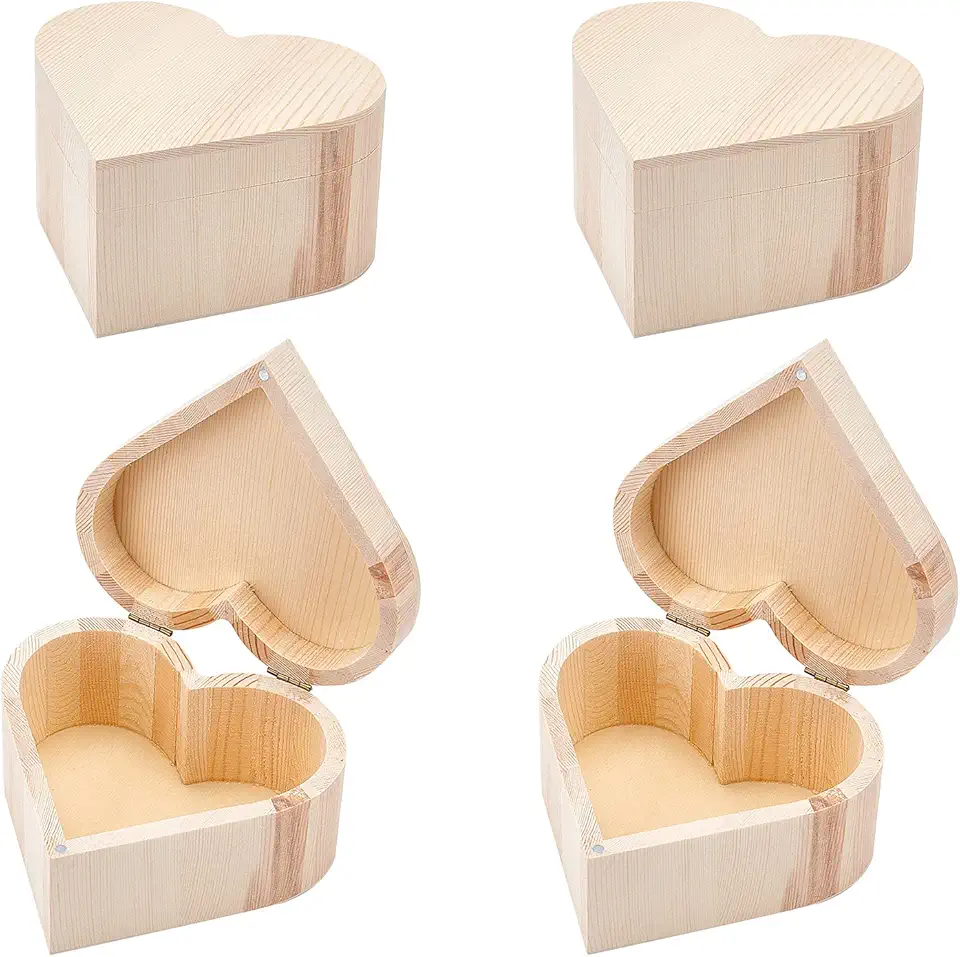
Unfinished Heart-Shaped Pine Boxes — 4-Pack
- Four natural pine heart boxes with hinged lids and iron findings
- Spacious interior suitable for jewelry, keepsakes, or small gifts
- Unfinished surface ready for painting, staining, or decoupage
- Sturdy construction ideal for craft projects and gift presentation
- Charming love-themed boxes for Valentine or wedding crafts
Buy on Amazon
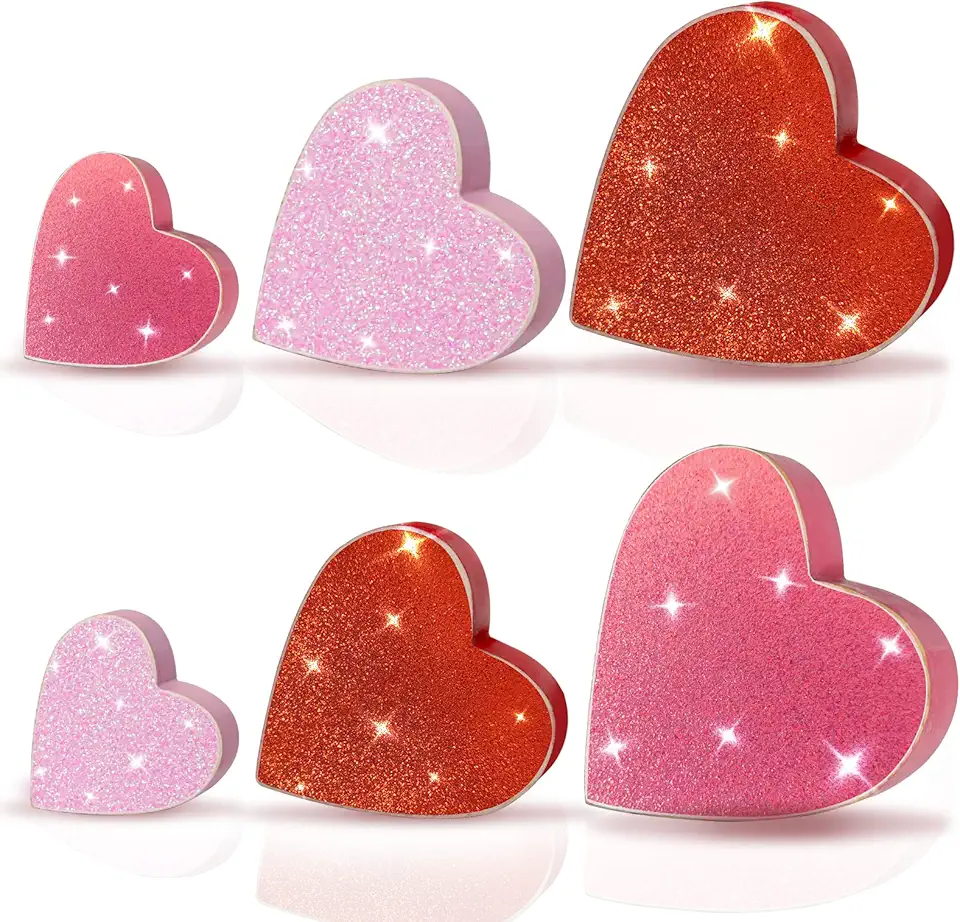
Glitter Pine Heart Signs — Set of 6
- Six thickened pine heart signs with glitter finish for sparkle
- Sturdy, tabletop-ready pieces that hold shape and color
- Rustic farmhouse style fits tiered trays, shelves, or tabletops
- Ready-to-use decor for Valentine’s parties and home displays
- Adds instant festive charm to seasonal setups
Buy on Amazon
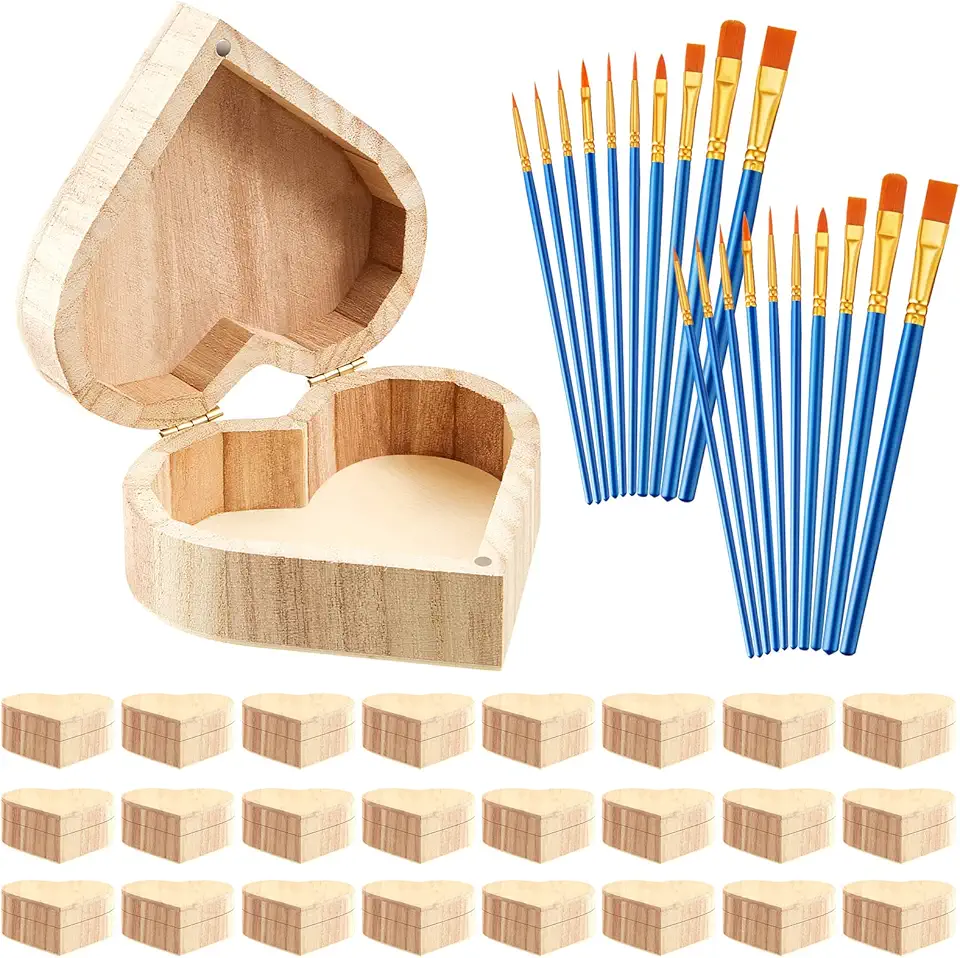
24-Pack Unfinished Heart Treasure Boxes with Brushes
- Includes 24 natural pine heart boxes and art brushes for decorating
- Hinged lids keep small keepsakes and jewelry secure
- Unfinished surface perfect for paint, stain, or embellishments
- Ideal bulk set for party favors, classrooms, or craft nights
- Durable wood construction for lasting mementos
Buy on Amazon
Use these to test stains and finishes before treating your reclaimed heart pine; quick samples save time and cost on a large job. For a featured pick with current pricing, view this box below .
Common Uses and Applications
Flooring and Millwork
Heart pine shines in flooring, stair parts, paneling, and doors where strength meets beauty. Order matching trim profiles with the same grade to keep color and grain consistent across rooms.
Construction and Shipbuilding
Historic yards used heart pine for masts, posts, and pilings thanks to its density and resin. For modern exteriors, compare with other durable species in our guide to outdoor furniture woods to match service life to the project.
Green Building Benefits
Reclaimed heart pine supports reuse goals by diverting timbers from landfills and preserving old‑growth character. It also reduces demand on scarce mature stands while adding history to new construction.
Buying Tips and Preservation
Selecting Quality Heart Pine
Ask for the percent of heartwood, ring count per inch, and photos of end grain before you buy. Request a couple of samples to test finish color and verify hardness with a simple dent test.
- Specify grade (Select, Character, Antique) and target percent‑heartwood.
- Confirm moisture content and milling tolerances in writing.
- Ask about nail holes, knots, and patches if you want “clean” boards.
- Order 5–10% extra for waste and future repairs.
- Store flat and stickered while acclimating on site.
Reclaimed vs. New Sources
Reclaimed heart pine often offers tighter grain, richer color, and documented history; new stock may be lighter and less dense. If cost is a concern, mix reclaimed field boards with new matching trim in less visible areas.
Planning furniture too? Review basics on wood for furniture to align species with joinery and finish choices. This avoids surprises in movement and wear.
Verifying Authenticity
Confirm species (longleaf), growth ring density, and high heartwood content; ask the seller for provenance documents on reclaimed lots. If the price feels low, check for excess sapwood that can reduce hardness and color consistency.
For restoration projects, request a written description of grade, defects, and finish compatibility. Keep a labeled offcut from your shipment for future matching and repair work.
FAQs
Is Heart Pine Good For Hardwood Flooring?
Heart Pine Is An Excellent Choice For Flooring If You Want A Warm, Characterful Look. Its Dense, Resin-Rich Heartwood Offers Good Durability And A Beautiful Amber Tone That Ages Nicely; It Wears Well In Most Homes But Can Dent More Easily Than Harder Species Like Oak, So Consider Traffic, Pets, And Finish Choice.
How Do I Identify Heart Pine Wood?
Identify Heart Pine By Its Deep Amber To Reddish-Brown Color, Prominent Grain With Tight Growth Rings, Pitch Pockets Or Resin Canals, And Occasional Knots. The Heartwood Is Denser And Darker Than The Pale Sapwood; Examining The End Grain, Weight, And Grain Pattern Or Consulting A Professional Can Help Confirm Identification.
What Is The Difference Between Heart Pine And Regular Pine?
Heart Pine Refers To The Older, Inner Heartwood Of Longleaf (Or Other) Pines—It’S Denser, Richer In Color, And More Resinous Than The Lighter, Softer Sapwood Often Referred To As Regular Pine. Heart Pine Is Generally More Stable, Durable, And Visually Distinctive, While Regular Pine (Sapwood Or Younger Growth) Is Paler, Softer, And Less Wear-Resistant.
Can Heart Pine Be Stained?
Yes, Heart Pine Takes Stain Very Well And Often Shows A Beautiful, Deep Finish, But Because Of Resin Canals And Variable Absorption You Should Test First And Consider A Wood Conditioner Or Gel Stain For More Even Results. Proper Sanding, Sealing, And A Durable Topcoat Will Improve Appearance And Longevity.
Why Is Heart Pine So Expensive?
Heart Pine Is Expensive Largely Due To Scarcity—Old-Growth Longleaf Pine Is Rare—Plus High Demand For Its Distinctive Color And Durability. Reclaimed Sources, Harvesting, Milling, And The Labor To Prepare Stable Flooring Also Add Cost, As Does The Premium Aesthetic And Historical Appeal Buyers Seek.