

Western larch, Larix occidentalis, is a large deciduous conifer native to the inland Pacific Northwest and northern Rocky Mountains. Unlike most conifers, it turns golden yellow and sheds every needle in autumn before growing fresh foliage in spring.
Its clustered soft needles, small upright cones with projecting bracts, thick mature bark, exceptional size, and strong timber make it easy to recognize once you know which details to check.
Table of Contents
What Is Western Larch?
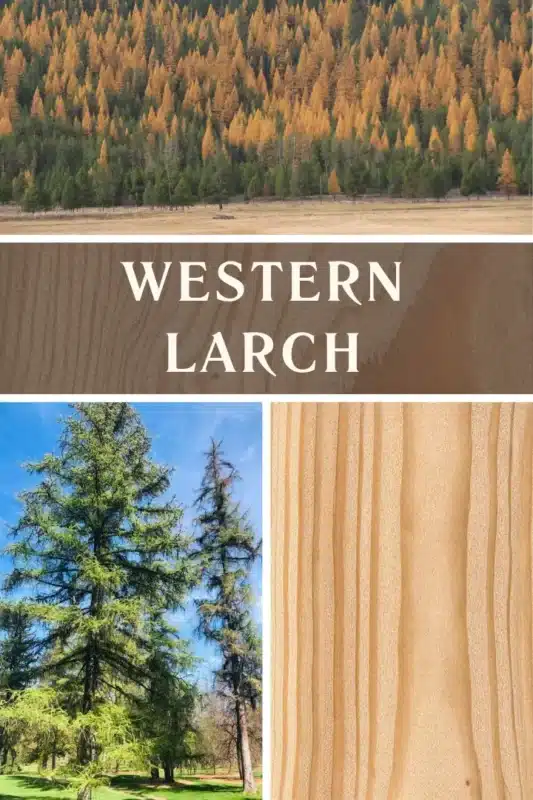
Western larch is a cone-bearing tree in the pine family, yet it follows a deciduous growth cycle. It’s the largest true larch and commonly forms tall, straight trunks in open mountain forests.
Quick Facts Table
| Feature | Western larch fact |
|---|---|
| Scientific name | Larix occidentalis Nutt. |
| Family | Pinaceae |
| Plant type | Deciduous conifer |
| Native range | Southeastern British Columbia and parts of Washington, Oregon, Idaho, and Montana |
| Typical mature height | 100–165 feet (30–50 meters) |
| Exceptional height | About 200 feet (60 meters) or more |
| Needles | Soft, 0.8–2 inches (2–5 centimeters), clustered on spur shoots |
| Cones | Usually 1–1.6 inches (2.5–4 centimeters), upright, with projecting bracts |
| Shade tolerance | Very low |
| Fall color | Bright yellow to deep gold |
| Longevity | Several centuries; rare trees approach 1,000 years |
| Primary uses | Structural lumber, poles, ties, veneer, flooring, pulp, and habitat |
These figures describe typical biological ranges, not guarantees for every site. Height, diameter, and lifespan vary with moisture, competition, fire history, disease, and logging.
Scientific and Common Names
The accepted scientific name is Larix occidentalis. “Western larch” is the standard English name, while “larch western” is a reversed search phrase rather than a separate species.
The genus Larix also includes tamarack, European larch, alpine larch, Japanese larch, and Dahurian larch. A crossword clue such as “durable conifer, five letters” may point to larch, but that clue doesn’t identify a species.
Deciduous Needle Cycle
Do larches lose their needles? Yes: western larch grows soft green needles in spring, keeps them through summer, turns yellow after chlorophyll breaks down, and sheds them before winter.
Uniform autumn yellowing from the outer crown inward is normal. Patchy brown foliage in June or July, bare branch sections, sticky lesions, or weak new growth point instead to drought, insects, disease, frost, or root injury.
Size and Longevity
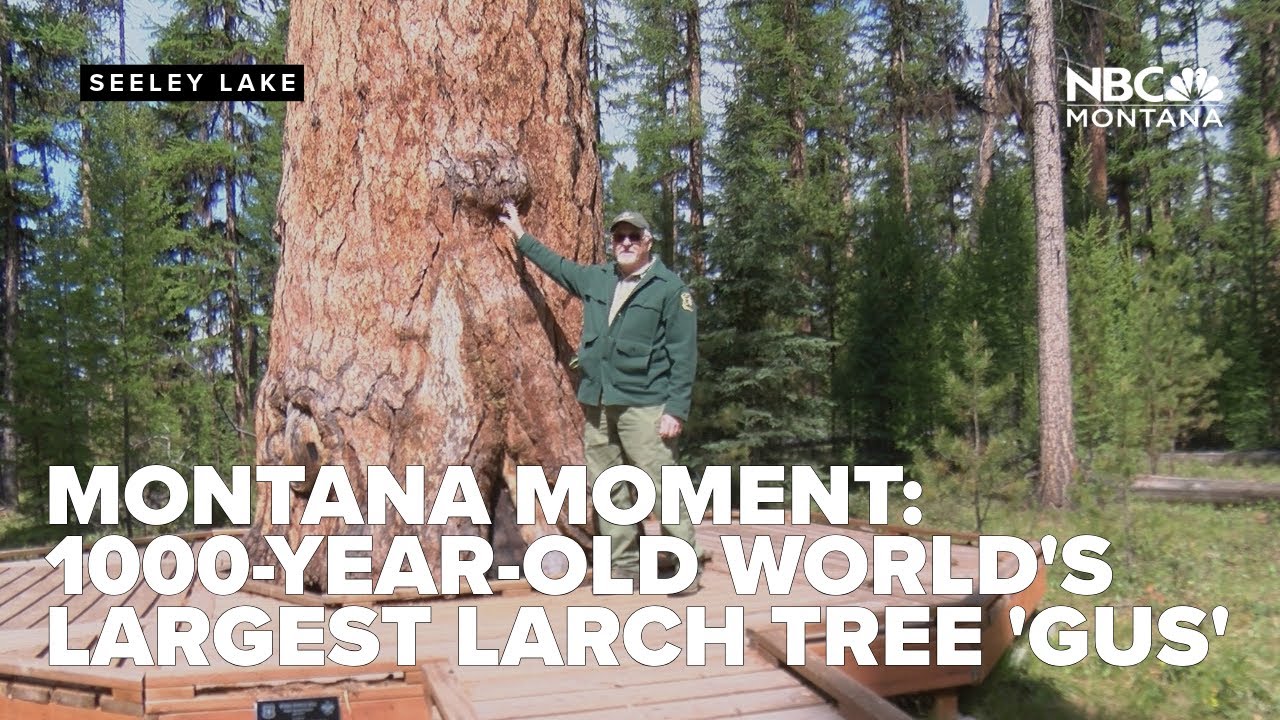
Western larch commonly reaches 100–165 feet, while exceptional trees pass 200 feet and old trunks can exceed 5 feet in diameter. It ranks as the largest species in the genus Larix.
Several-century lifespans occur on favorable sites. Reports near 1,000 years describe rare survivors, not a normal lifespan; old trees must escape stand-replacing fire, severe decay, insects, wind, and harvest for many centuries.

Silvics of Western Larch
- Focused reference on western larch ecology
- Covers species characteristics and habitat
- Useful for forestry students and professionals
- Supports identification and management research
- Detailed resource for Larix occidentalis
 Buy on Amazon
How to Identify Western Larch

Identify western larch by combining clustered soft needles, upright cones with long projecting bracts, deciduous foliage, and geographic location. Autumn color alone isn’t reliable because every true larch can turn gold.
Needles and Shoots
Short spur shoots carry dense tufts of roughly 15–30 or more needles. Vigorous new shoots bear needles singly in a spiral, which can confuse beginners who inspect only the newest twig.
Run a cluster lightly between your fingers and it feels soft and flexible, more like a fine brush than the prickly tip of many spruce needles. Individual needles measure about 0.8–2 inches long.
Cones and Bracts
Seed cones stand upright and usually measure 1–1.6 inches long. Young cones may look red or purple; mature cones turn brown and often stay attached after releasing seed.
Look for narrow projecting bracts extending past the cone scales. They’re one of the best field marks, particularly where western and alpine larch ranges approach each other.
Bark and Crown
Young bark is thin, gray, and scaly. Mature bark becomes thick and deeply furrowed, with reddish or cinnamon-brown color visible beneath the weathered gray surface.
Young crowns are narrow and conical. Older forest trees often have long clear trunks and open, irregular crowns after lower branches die in shade; a resinous bark scent may become noticeable where plates crack or suffer fresh injury.
Four-Season Appearance
- Spring: Pale green needle tufts emerge from short, knobby spur shoots.
- Summer: The airy crown remains green, with branch outlines visible through the foliage.
- Autumn: Needles shift from lemon yellow to rich gold before falling.
- Winter: Bare twigs retain spur shoots and often hold small upright cones.
Snow on bare winter branches can make the tree appear dead to newcomers. Check for firm buds and spur shoots rather than expecting evergreen foliage.
Identification Photo Guide
A useful photo record includes the whole crown, bark at chest height, a short-shoot needle cluster, a long shoot, and the side of a mature cone. Add a scale such as a ruler because close-up images can hide diagnostic cone size.
Photograph attached cones rather than relying on loose material beneath the tree; wind, squirrels, and slope movement mix cones from neighboring species. Record elevation, habitat, and planting history with the images.
Western Larch Versus Similar Trees
Western larch differs from similar trees through a combination of range, stature, needles, and cones. Never base an identification on yellow autumn foliage alone.
Alpine Larch
Alpine larch, Larix lyallii, grows near upper subalpine zones and treeline, where wind and snow produce shorter, irregular trees. Western larch usually occupies lower montane forests and grows far larger.
Elevation is supporting evidence, not proof. Inspect the cone bracts and crown because local ranges overlap in parts of Idaho, Montana, and British Columbia.
Tamarack
Are larch and tamarack the same tree? Tamarack is a larch, but not western larch: tamarack is Larix laricina, a boreal species widespread across Canada and the northeastern and north-central United States.
Tamarack often occupies peatlands, bog margins, and cold wet forests. Its smaller stature, tiny cones, short bracts, and eastern or boreal location separate it from western larch more reliably than fall color.
European Larch
The European larch tree, Larix decidua, is native to Europe but appears in North American parks, windbreaks, and plantations. Its presence outside western larch’s native range often reflects documented planting.
European larch cones tend to have rounded scales without the same conspicuously extended narrow bracts. Ornamental hybrids can blur visual traits, so planted-site records may settle difficult cases.
Douglas-Fir
Douglas-fir is evergreen and bears needles singly rather than in dense spur-shoot tufts. Its cones hang downward and show distinctive three-pointed bracts, while western larch cones stand upright.
The trees often share inland forests, yet they aren’t close botanical substitutes. See the separate Douglas-fir wood guide for its grain, strength, and uses.
Comparison Table
| Species | Needles | Cones or bracts | Typical setting | Key distinction |
|---|---|---|---|---|
| Western larch | Deciduous; clustered on spur shoots | Upright; long bracts project | Inland western montane forests | Largest larch |
| Alpine larch | Deciduous; clustered | Upright; bract details differ | Upper subalpine and treeline | Shorter, weather-shaped crown |
| Tamarack | Deciduous; clustered | Very small with short bracts | Boreal forests and wetlands | Eastern and northern range |
| European larch | Deciduous; clustered | Rounded scales; bracts less exposed | North American plantings | European origin |
| Douglas-fir | Evergreen; single | Hanging with three-pointed bracts | Broad western forest range | Never forms larch needle tufts |
Where hybrids or planted trees occur, use several traits and collection records. A single blurry cone photograph rarely supports a confident species diagnosis.
Where Does Western Larch Grow?
Western larch grows naturally in the inland Pacific Northwest and northern Rocky Mountains. Its native range covers southeastern British Columbia and parts of eastern Washington, northeastern Oregon, northern and central Idaho, and western Montana.
Native Range Map
A dependable map should show a broken inland distribution rather than shading the entire western United States. The USDA Forest Service silvics profile supplies range and habitat context for Larix occidentalis.
Planted specimens outside this area don’t expand the species’ native range. Garden records, arboretum labels, and plantation histories help separate natural occurrence from cultivation.
Elevation and Distribution
A useful broad elevation range is 2,000–6,900 feet (600–2,100 meters), with local exceptions. Trees can grow lower in the northern range and tend to occupy higher montane sites farther south.
Slope exposure changes that pattern. Cool north-facing slopes may support larch below its expected local elevation, while hot, dry southern exposures can exclude it at the same height.
Climate and Soil
Western larch favors continental mountain climates with cold winters, dependable snow, strong seasonal temperature shifts, and relatively dry summers. Deep, moist, well-aerated soil supports the best growth.
Loams with good water storage suit roots better than compacted clay or permanently saturated ground. Standing water leaves roots oxygen-starved, while shallow gravel may dry before new seedlings build enough root depth.
Light Requirements
Western larch has very low shade tolerance. Seedlings may germinate beneath partial cover, but they lose vigor when shrubs, firs, or a dense overstory capture most of the light.
Healthy young shoots feel springy and carry full needle tufts. Suppressed seedlings often show thin crowns, short leaders, sparse clusters, and gradual dieback rather than a sudden collapse.
Associated Forest Trees
Common companions include Douglas-fir, ponderosa pine, lodgepole pine, grand fir, subalpine fir, western white pine, western redcedar, and Engelmann spruce. Compare the latter with the site’s Engelmann spruce profile.
Forest composition reflects elevation, soil moisture, past fire, and time since disturbance. Increasing dominance by shade-tolerant firs often signals that an open larch stand is closing.
Autumn Viewing Regions
Golden western larch forests can be seen in western Montana, northern Idaho, eastern Washington, northeastern Oregon, and southeastern British Columbia. Peak color shifts with elevation and weather, so one valley may be green while a colder ridge is gold.
Late September through October is the broad viewing window, not a fixed annual date. Cold nights often speed color change; wind and wet snow can strip bright needles within days.

Golden Trees of the Mountain West
- Explores the natural history of larch
- Focuses on mountain west landscapes
- Engaging reading for tree enthusiasts
- Connects larch with regional ecology
- Ideal companion to species research
Buy on Amazon
Life Cycle, Regeneration, and Fire Ecology
Western larch reproduces by wind-pollinated cones and regenerates best in bright disturbed openings with receptive soil and nearby seed trees. Mature bark can resist some surface fires, but young trees and intense burns remain dangerous.
Pollination and Seed Dispersal
Male pollen cones and female seed cones grow on the same tree. Wind carries pollen, then later moves the small winged seeds away from open mature cones.
Cone crops vary sharply by year, and good crops aren’t annual. Managers who remove every seed-bearing tree before checking the crop can leave a prepared site without enough seed for natural reforestation, or “Aufforsten.”
Regeneration Requirements
Successful regeneration needs abundant light, exposed mineral soil or a light soil covering, low early competition, and moisture during germination. Thick litter can dry at the surface or keep roots from reaching moist mineral layers.
- Keep a viable seed source within dispersal reach.
- Create openings large enough to provide direct light.
- Limit dense grass, shrub, and shade-tolerant conifer competition.
- Retain enough surface protection to reduce erosion and extreme heating.
- Inspect browsing, rodent clipping, and drought injury before replanting.
A common beginner error is blaming poor seed quality when seedlings emerge and then disappear. Scrape back the litter and inspect root tips: dried, threadlike roots suggest moisture failure, while clipped stems point to animals.
Growth and Stand Development
Young western larch can grow quickly where sunlight, soil moisture, and rooting space align. Dense cohorts soon compete, producing slender stems and lower branch death as crowns rise.
Over time, shade-tolerant conifers may establish below the larch. Without another disturbance, those trees can occupy future canopy gaps because larch rarely replaces itself beneath a closed stand.
Western Larch Growth and Yield
- Presents 15-year research results
- Examines levels of growing stock
- Focuses on western larch stand development
- Helpful for forest management study
- Classic reference for yield planning
Buy on Amazon
Fire Adaptations
Large western larch can survive low- to moderate-intensity surface fire through thick bark, tall trunks, and elevated crowns. Fire may also expose mineral soil, open the canopy, and reduce competing firs.
The Fire Effects Information System review describes western larch’s conditional fire response. The useful lesson is that fire creates opportunities; it doesn’t guarantee regeneration.
Fire Resistance Limits
Seedlings and saplings have thin bark and can die in flames that an old tree survives. Severe crown fire, prolonged heating, root injury, or cambium damage can kill trees of any age.
Mortality may take more than one season. Scorched roots, a thinned crown, pitch flow, bark separation, or fungi around the root collar can signal delayed decline after an apparently survivable burn.
Fire Exclusion Effects
Long periods without disturbance allow grand fir and other shade-tolerant trees to fill the understory. This creates ladder fuels and leaves little direct light or bare soil for new larch.
Reintroducing fire isn’t a simple reset. Dense fuels, drought, homes, smoke limits, and vulnerable young larch can turn a planned treatment into high-severity tree loss, so site-specific burn planning matters.
Western Larch Wood and Cultural Uses

Western larch supplies dense, strong softwood for structural lumber, poles, ties, veneer, flooring, and pulp. Its growth-ring contrast gives finished boards a bold linear figure.
Is Larch a Hardwood?
No. Larch is a botanical softwood because it comes from a conifer, regardless of how hard or dense the board feels.
Western larch is harder and heavier than many familiar softwoods, which causes the confusion. Hardwood and softwood classify tree reproduction and anatomy; they don’t form a dependable hardness ranking.
Representative Wood Properties
| Property | Representative value | Use limit |
|---|---|---|
| Average dried weight | About 36 lb/ft³ (575 kg/m³) | Varies with moisture and growth conditions |
| Janka hardness | About 830 lbf | Surface indentation test, not structural capacity |
| Modulus of rupture | About 13,100 psi (90 MPa) | Clear-wood reference value |
| Modulus of elasticity | About 1.87 million psi (12.9 GPa) | Clear-wood stiffness reference |
| Crushing strength | About 7,600 psi (52.5 MPa) | Changes with moisture and specimen quality |
These are representative clear-wood values, not allowable design values. Knots, slope of grain, checks, moisture, dimensions, grade, and test method can change real performance markedly.
The USDA Wood Handbook explains wood-property testing and structural limits. For related concepts, see the guides to wood density and the wood hardness scale.

Mechanical Properties of Western Larch
- Examines western larch wood properties
- Useful for lumber and material research
- Focuses on mechanical performance data
- Supports species-specific wood study
- Classic technical reference edition
Buy on Amazon
Appearance and Workability
Sapwood ranges from whitish to pale yellow, while heartwood shifts from yellow-brown to reddish brown. Straight grain and strong earlywood-latewood contrast create the species’ recognizable striped grain pattern.
A dry board feels noticeably weightier than many softwoods, and latewood bands resist a fingernail. Sharp cutters leave a clean surface, but dull edges can crush springwood or tear grain near knots.
Predrilling near board ends reduces splitting. Controlled drying limits checks and distortion; sealing freshly cut ends also slows uneven moisture loss in thick stock.
Structural and Industrial Uses
- Framing lumber and beams
- Utility poles and mine timbers
- Railroad ties
- Plywood and veneer
- Flooring and millwork
- Pulp and paper
Straight trunks, relatively high density, and useful strength support these applications. Natural heartwood durability is useful but doesn’t make every board decay-proof outdoors; sapwood, ground contact, wet joints, and end grain remain vulnerable.
For structural projects, compare the actual grade with the requirements in a construction wood guide. Species reputation can’t replace engineering calculations or code tables.
Douglas Fir–Larch Grading
Western larch may be sold within the Douglas Fir–Larch or DF-L structural species group. That label is a grading combination, not a claim that larch and Douglas-fir are botanically the same.
Read the grade stamp for species group, grade, moisture designation, agency mark, and treatment status. A standing western larch doesn’t guarantee that boards cut from it will reach retail under a species-only label.
Indigenous Cultural Uses
Indigenous nations within the tree’s range have used local forest materials, including larch wood, bark, and resin, in nation-specific technologies and practices. These traditions should receive regional attribution rather than being combined into one broad claim.
Use sources produced by, or developed with, the nation being discussed. Harvest access, preparation methods, cultural authority, and permitted public sharing differ between communities.
Planting, Management, Pests, and Diseases
Western larch grows best on large, sunny sites with cool seasonal climates and deep, drained soil. Most planting failures trace to shade, heat, saturation, compaction, poor provenance, or neglected establishment care.
Landscape Suitability
A home site needs room for a tree that may exceed 100 feet, unrestricted overhead space, direct sun, and broad rooting soil. Small lots, utility corridors, wet basins, and hot humid lowlands are poor matches.
Use nursery stock with a documented regional seed source where possible. Cold-hardiness zones alone miss summer heat, snowpack, air dryness, and precipitation timing, all of which shape long-term survival.
Do deer eat larch trees? Deer and elk can browse young shoots, especially where other forage is scarce. A tall, ventilated guard protects the leader better than tight mesh pressed against soft needles.
Planting and Establishment Failures
Plant the root collar level with the surrounding soil and spread circling roots before backfilling. Deep planting keeps the collar wet; a small glazed hole in clay can act like a pot and trap water.
- Choose a fully open site outside future building and wire conflicts.
- Test drainage before planting rather than after foliage fades.
- Water the full root zone deeply, then let aerated soil recover between irrigations.
- Apply mulch over the soil surface but keep it away from the trunk.
- Protect the leader from browsing without enclosing the crown tightly.
- Remove competing sod from the immediate establishment zone.
A valuable field check is soil smell and texture. Sour-smelling, slick soil signals poor aeration, while dusty soil that won’t form a loose ball points to severe moisture shortage.
Thinning and Stand Risks
Thinning can increase crown space and diameter growth, but abrupt heavy removal exposes slender trees to wind, snow loading, sun injury, and competing shrubs. Treatments should match stem form, root stability, and stand history.
A frequent mistake is removing every smaller tree in one pass. Staged thinning preserves some shelter while crowns and roots adjust, and it avoids creating a sudden wide-open wind field.

Thinning Western Larch
- Dedicated to western larch thinning
- Explores stand management practices
- Useful for silviculture research
- Supports informed forest treatment decisions
- Classic forestry reference edition
Buy on Amazon
Dwarf Mistletoe
Western larch dwarf mistletoe, Arceuthobium laricis, is a parasitic flowering plant that causes witches’ brooms, reduced growth, deformity, top dieback, and greater mortality risk.
Infected overstory larch can shower seed into young regeneration. Leaving a single heavily infected residual above a new cohort may preserve the infection source that the treatment aimed to remove.
Defoliating Insects
Larch casebearer, Coleophora laricella, mines and consumes needles, while western larch sawfly, Pristiphora erichsonii, feeds openly as larvae. Both can produce conspicuous crown discoloration and foliage loss.
One defoliation event may reduce growth without killing a healthy tree. Repeated attacks combined with drought, root disease, or thin crowns create a much higher cumulative stress load.
Needle and Root Diseases
Needle casts and blights can cause spots, bands, premature browning, or early needle drop. Root and butt rots involving fungi such as Armillaria or Heterobasidion may reduce vigor and structural stability.
Don’t diagnose from color alone. Check timing, distribution, soil moisture, root-collar condition, fruiting bodies, resin, recent construction, and nearby affected trees; laboratory confirmation may be needed before broad treatment.
Seasonal Yellowing or Decline
Normal fall color is uniform, seasonal, and followed by complete needle drop. Decline is more likely when discoloration is patchy or mistimed, affects only certain branches, or appears with shoot death.
| Observation | Likely meaning | Practical response |
|---|---|---|
| Whole crown turns gold in autumn | Normal dormancy | No treatment |
| Brown needles during summer heat | Drought or root stress | Check moisture below mulch and inspect roots |
| Single branches brown | Injury, canker, insects, or localized disease | Inspect branch bases and bark |
| Witches’ brooms | Possible dwarf mistletoe | Assess the full stand and overstory |
| Loose base with fungal growth | Possible root or butt rot | Restrict access and request a risk assessment |
For practical diagnosis, compare affected foliage with shaded interior needles and neighboring larch of similar age. That side-by-side check often separates a site-wide seasonal response from one-tree decline.
Climate Risks and Conservation
Western larch faces increasing risk from hotter droughts, shrinking snowpack, severe wildfire, altered insect activity, and failed post-disturbance regeneration. The species remains widespread, yet local old stands can decline long before the species becomes globally rare.
Drought, Snowpack, and Wildfire
Snow stores winter moisture and releases it into spring soil. Earlier melt can extend the dry season, leaving shallow-rooted seedlings exposed during summer heat and reducing the moisture available for late-season growth.
More fire doesn’t automatically mean more larch. Severe burns that kill seed trees across broad areas can remove the seed source, while blackened exposed soil may become too hot and dry for germination.
Climate-Driven Regeneration Risks
The highest regeneration risk occurs when germination is followed by heat and prolonged surface drying. Seedlings have limited roots and can die before deeper soil moisture becomes accessible.
Competing vegetation adds another trade-off: some cover reduces soil heating, but dense grass and shrubs consume water and overtop seedlings. Managers need a site-specific balance, not bare soil across every acre.
Seed Sources and Migration
Moving seed from a warmer or drier source may improve selected climate traits, but poor matching can expose seedlings to frost, snow damage, phenological mismatch, or unfamiliar pests. Provenance trials offer better evidence than latitude alone.
Assisted migration decisions should follow agency guidance and documented seed-transfer zones. Keeping records of seed origin, elevation, nursery handling, and planting date makes later survival results usable rather than anecdotal.
Species and Stand Status
The condition of western larch must be judged at two scales. A species can remain secure across its range while ancient groves, genetically distinct populations, wildlife habitat, or fire-shaped stand structures become scarce locally.
Good conservation retains age and genetic diversity, viable seed trees, open regeneration sites, and connected populations across elevation bands. Monitoring should record recruitment and young-tree survival, not count mature trunks alone.
FAQs
Do Western Larches Lose Their Needles Every Year?
Yes, western larches shed all of their needles each autumn and grow fresh green needles in spring. Although they are conifers, they are deciduous rather than evergreen, so golden fall color and bare winter branches are normal. Dropped needles do not usually mean the tree is unhealthy.
Are Larch And Tamarack The Same Tree?
Tamarack is a common name for a larch, but it usually refers specifically to the eastern tamarack or Larix laricina. Western larch is a different species, Larix occidentalis, native to the inland Northwest. Both are deciduous conifers that turn yellow and lose their needles in fall.
How Can You Tell Western Larch From Alpine Larch?
Western larch is usually a much taller tree with longer needles and is commonly found at lower mountain elevations. Alpine larch is smaller, grows near the timberline, and has noticeably hairy young twigs. Western larch also tends to form larger forests, while alpine larch often grows in scattered high-elevation stands.
Where Does Western Larch Grow Naturally?
Western larch grows naturally in the inland Pacific Northwest and parts of southeastern British Columbia. Its native range includes eastern Washington and Oregon, Idaho, and western Montana. It thrives in mountain forests with cold winters, warm summers, and well-drained soil.
Is Western Larch A Hardwood Or Softwood?
Western larch is classified as a softwood because it is a conifer. However, its lumber is relatively dense, strong, and durable compared with many other softwoods. This makes western larch useful for decking, exterior projects, posts, and other applications that need weather-resistant wood.
Affiliate Disclosure: Some links in this post are affiliate links. If you make a purchase through these links, we may earn a small commission at no extra cost to you. We only recommend products we genuinely believe in.