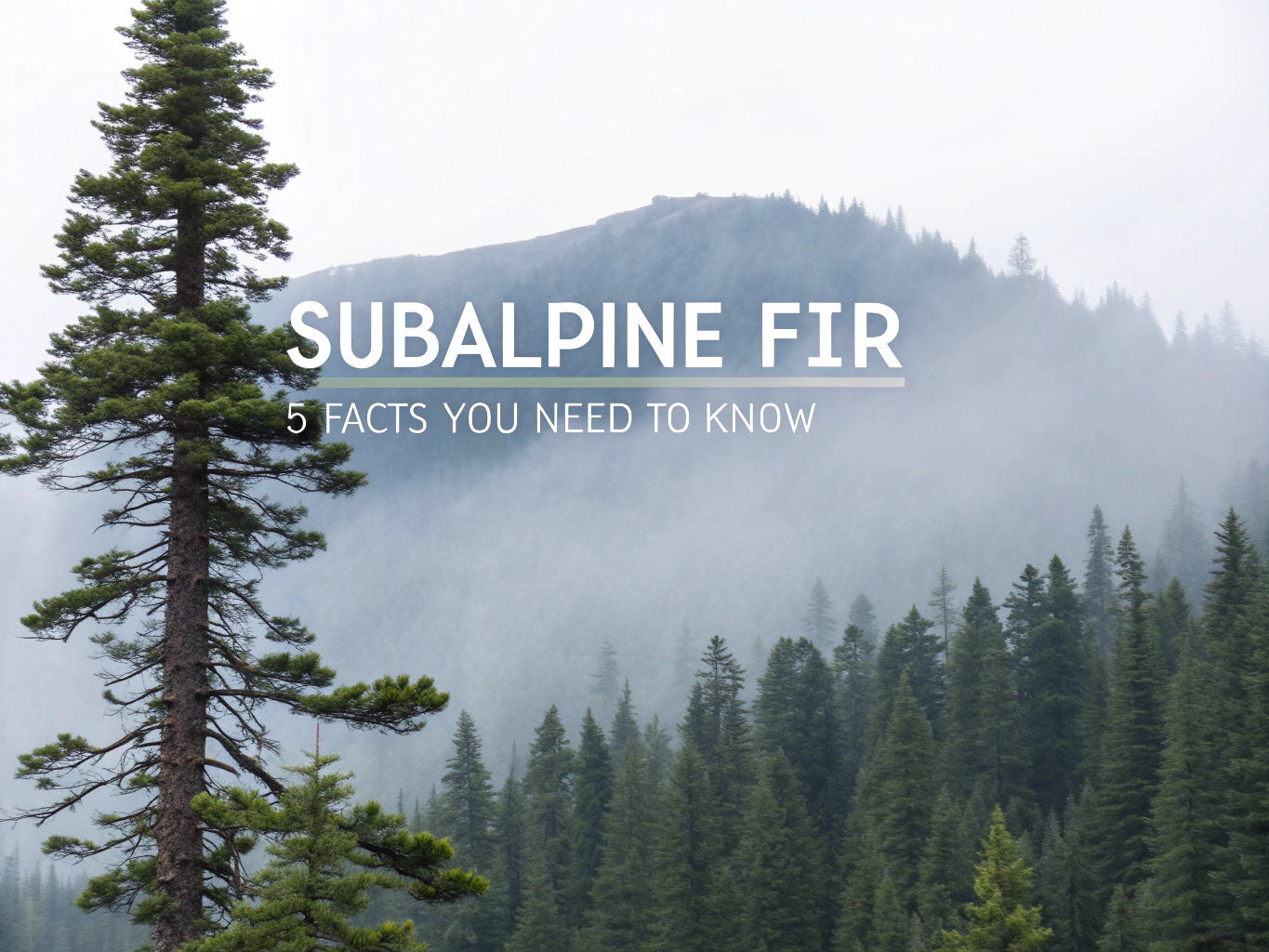

What lets a subalpine fir stand firm on a rocky slope where most trees fail? These trees grow very slowly and can live for many years. They handle cold, wind, and thin soil at high elevation. This post shares five clear facts about the subalpine fir tree. Each fact helps you spot and identify this mountain species.
Table of Contents
The subalpine fir is a high-mountain evergreen with a narrow crown, cold-hardiness, and striking purple cones that stand upright. This guide explains how to identify the subalpine fir, where it grows, how it survives, and how you can use or recognize this species with confidence.
What Is a Subalpine Fir Tree?
Basic Identification Features
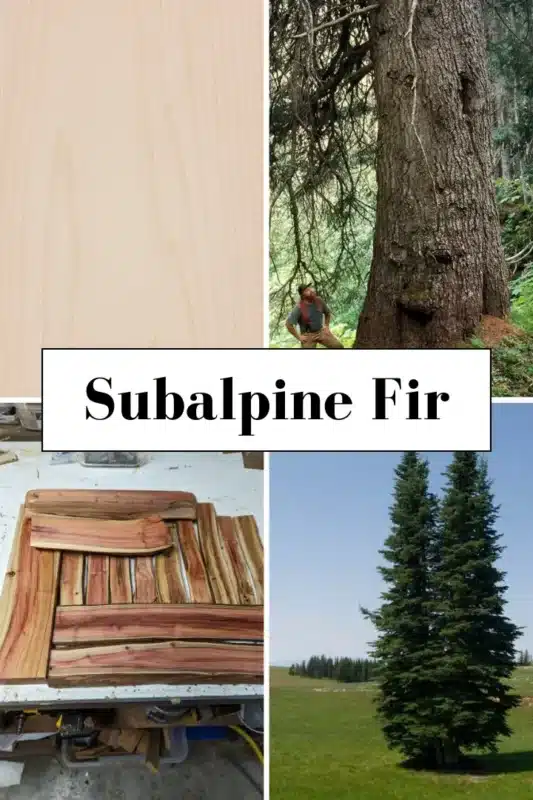
Look for a slim, spire-like crown that stays dense from base to tip, with drooping branches and a straight, often slender trunk.
- Form: Narrow, pyramidal crown; often very pointed top (“church steeple”).
- Bark: Smooth and gray on young trees; becomes thinly scaly with age.
- Needles: Short, flat, and blunt-tipped; appear blue‑green with white bands on both sides; needles on side twigs sweep upward.
- Cones: Deep purple when fresh, stand upright at the crown, 6–12 cm long, and shatter in place, leaving a central spike.
- Scent: Resin blisters on young bark; needles have a mild fir aroma when crushed.
A quick field check: find the upright cones near the top and the upward-curving needles along side twigs; this pairing is a strong clue for subalpine fir, confirmed by the Trees of Canada factsheet.
Size and Growth Characteristics
Most mature trees reach 20–35 m (66–115 ft), while rare giants can approach 50 m (160 ft), which makes it a medium-sized tree.
Trunks usually measure up to about 30 cm (1 ft) in diameter, with occasional outliers near 1 m, and crowns stay tight and narrow even in older specimens.
Distinctive Needle and Cone Structure
Needles measure 15–40 mm, end bluntly or with a tiny notch, and show white stomatal bands on both sides, giving a silvery cast.
Cones are deep purple, stand upright, and disintegrate on the tree by fall, which leaves a woody spike that’s a tell-tale sign after seed release.
1. Subalpine Fir Has the Widest Distribution of North American Firs
Geographic Range
This species spans more than 32 degrees of latitude, from Alaska and the Yukon through western Canada into the U.S. Rockies, reaching Colorado, Arizona, and New Mexico, which gives it a vast native range (USDA FEIS profile).
Elevation Preferences
You’ll usually find subalpine fir in the subalpine zone, rising to treeline, which places it among the highest conifers across many western ranges.
At lower elevational limits it can mix with other cold-tolerant conifers, then replaces them near treeline as harsh conditions favor its cold-first traits.
Climate Adaptations
Cool summers, long winters, heavy snow, and frequent wind help define its niche, and the tree’s narrow crown shape reduces snow loading and breakage.
2. These Trees Are Extremely Slow-Growing but Long-Lived
Growth Rate Timeline
Seedlings in the open often remain under 38 cm tall after 15 years, which signals a very slow juvenile phase documented in the USDA Plant Guide and reflects a patience-first strategy.
| Age (years) | Typical size | Notes |
|---|---|---|
| 0–15 | < 38 cm height | Seedlings stay small in cold, short seasons. |
| 40–80 | 5–12 m height | Slow height gain; crown remains narrow. |
| 120–150 | 15–25 m height; 25–40 cm DBH | Maturing stems; many stands still small in diameter. |
| 150–200 | 20–35 m height; 25–51 cm DBH | Typical mature range for height and diameter. |
| 200+ | Variable | Some trees persist far longer in sheltered sites. |
Field growth varies by site, light, snow cover, and wind exposure, so treat any timeline as a range, not a rule.
Typical Lifespan Expectations
Most live 120–140 years, yet some exceed 250 years, and rare trees pass 400 years in protected microsites, which reflects a survival-over-speed life history.
Factors Affecting Longevity
Heart rot, windthrow, and thin mountain soils often limit age before size does, so shelter and stem health become the key variables for long life.
3. Subalpine Fir Trees Thrive in Harsh Mountain Environments
High-Elevation Adaptations
A narrow crown sheds snow, flexible twigs resist ice, and dense needles keep photosynthesis ticking on bright winter days, which supports cold-site survival.
Use the clip above as a quick visual cue for crown shape, needle color, and cone position, which helps fix the species image in your mind.
Wind and Cold Tolerance
Stiff, drooping branches bend rather than break, and the tree’s physiology tolerates severe freezes, which keeps buds viable through long winters.
Krummholz Growth Forms
Near treeline, subalpine fir often grows as wind-pruned mats known as krummholz, where low branches root and form dense clonal patches that hug snow cover.
4. The Species Uses Unique Reproduction Methods
Layering Process
Lower branches that touch moist ground can root and form new stems, so one individual may spread into a small multi-stem cluster over time.
Survival Strategies
Layering bypasses short seed years, helps damaged crowns rebound, and stabilizes soil on steep slopes, which boosts site resilience after storms.
Ecosystem Partnerships
Subalpine fir often grows with Engelmann spruce and other cold-site conifers, sharing shade, snow protection, and mycorrhizal networks that support nutrient exchange.
In wind-exposed zones, low, layered subalpine fir clumps act as living snow fences that trap moisture and protect new growth.
Field note, high-elevation forests
5. Subalpine Fir Faces Specific Environmental Threats
Heart Rot Issues
Internal decay is common and often limits usable age or timber value, and many stems fail early from rot described in the USDA FEIS profile, which marks heart rot as a primary hazard.
Pest Problems
The European balsam woolly adelgid has triggered local die-offs in parts of Oregon and southern Washington, and repeated infestations weaken crowns, reduce cone crops, and raise mortality risk.
In shallow soils, windthrow can follow pest damage or decay, which leaves gaps that favor regeneration of fir and spruce in a patchwork pattern.
Climate Vulnerabilities
Warming trends may push optimal zones uphill and squeeze habitat near treeline, while altered snowpack patterns can stress young seedlings during spring thaw.
Commercial and Ornamental Uses
Wood Applications
Subalpine fir yields light, soft wood used in lumber, plywood, and veneer; for projects needing more strength, compare with Douglas fir wood or yellow pine, then choose based on span, load, and finish goals (Naturally Wood species page).
Landscape Value
In cold-summer regions, this fir offers a tall, narrow accent for tight spaces, blue‑green foliage, and winter structure, which suits mountain gardens and parks.
Here are a few helpful items for planting, care, and field ID.
Identification Tips
Check cone posture first: subalpine fir holds cones upright at the top, while many look-alikes keep cones hanging, which is a fast filter on hikes.
Scan twigs for needles that sweep upward from the sides and end bluntly, then note the white bands on both surfaces for a silver look in bright light.
Compare aroma and color with neighbors like cedar wood or atlas cedar in mixed plantings, and keep a photo of the purple, upright cones as your final check.
FAQs
How Do You Identify A Subalpine Fir Tree?
Subalpine firs are identified by their narrow, spire-like crown, smooth gray bark on young trees (becoming furrowed with age), and short, flattened needles that are dark green above with two white stomatal bands underneath. Needles are attached singly and often point forward or upward along the twig. Their cones sit upright on branches and disintegrate at maturity, leaving the central spike. Location near treeline and cold, moist mountain sites is also a strong clue.
What Is The Difference Between Subalpine Fir And Douglas Fir?
Subalpine fir (Abies spp.) is a true fir: needles are flattened with two white bands beneath, attach directly to the twig, and cones stand upright and break apart on the tree. Douglas-fir (Pseudotsuga menziesii) has longer needles arranged more spirally, cones that hang downward with distinctive three-pointed bracts, and thicker, more deeply furrowed bark. Douglas-fir also occupies a wider range of elevations and is generally more tolerant of dry, lower-elevation conditions than subalpine fir.
Can Subalpine Fir Trees Grow At Low Elevations?
Generally no: subalpine firs are adapted to cool, moist, high-elevation environments and struggle in hot, dry lowlands. However, they can survive at lower elevations where the climate is cool and moist—such as coastal or high-latitude sites with similar temperature and moisture regimes—but they rarely match their typical vigor or longevity outside mountainous subalpine habitats.
What Wildlife Depends On Subalpine Fir Forests?
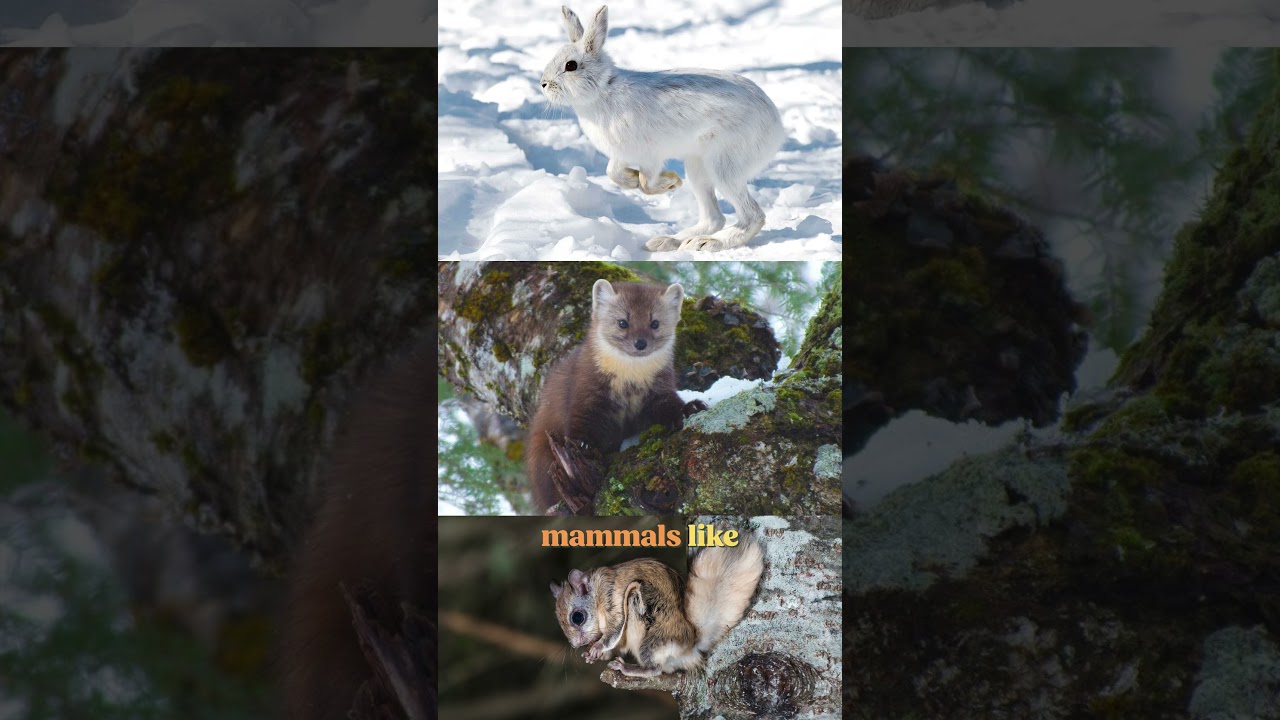
Subalpine fir forests support a wide range of wildlife: birds (e.g., grouse, woodpeckers, chickadees) use the trees for nesting and cover; small mammals like red squirrels and voles feed on seeds and cones and use the canopy for shelter; larger mammals such as deer, elk, and sometimes caribou use these stands for winter cover and forage. The forests also host many insects, fungi, and lichens that form the basis of complex food webs.
How Fast Does A Subalpine Fir Grow?
Subalpine firs are typically slow to moderate growers because of short growing seasons and harsh conditions. In high-elevation stands growth may be only a few centimeters per year, while seedlings and trees in more favorable, moist, sheltered sites can add several inches (sometimes up to 30–60 cm) annually during early years. Growth rate varies widely with elevation, soil, moisture, and light.