

Did you know a conifer that drops its needles each fall can supply both strong timber and natural remedies? The Western larch (Larix occidentalis) is this tree. Its wood makes durable decks, railroad ties, and poles. Its sap and extracts are rich in arabinogalactan, a compound that can help immune health and gut balance. Here are five practical uses for this tree.
Table of Contents
Western larch (Larix occidentalis) blends high-value timber, unique fall color, and surprising health benefits from its arabinogalactan-rich tissues. This guide explains identification, uses from lumber to supplements, planting tips, and culturally significant practices in a simple, practical format.
What is Western Larch (Larix Occidentalis)?
Western larch is a large, deciduous conifer native to the inland Pacific Northwest and northern Rockies, known for golden needles in fall and strong, durable wood. You may see it labeled as Larix occidentalis or “larch western” in forestry and nursery listings.
Physical Characteristics and Identification
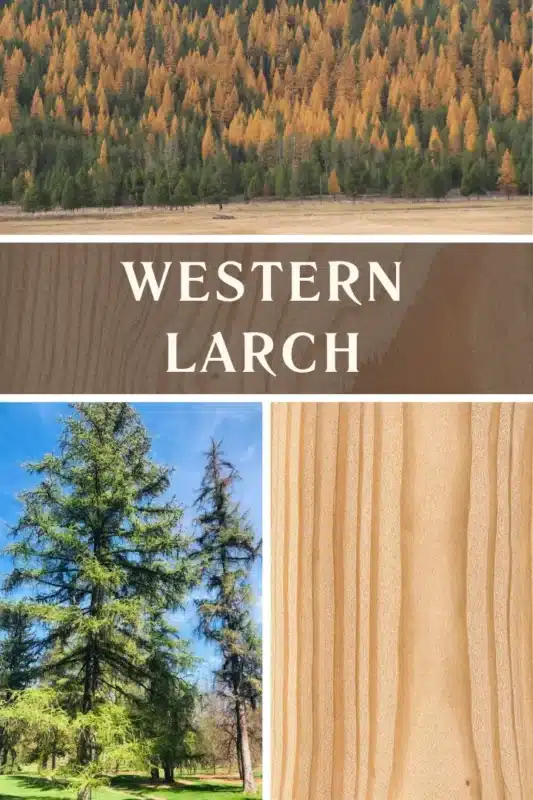
Identify this species by soft, bright green needles in clusters of 15–30 on short spurs, turning gold before dropping each autumn. Mature trees develop scaly, cinnamon-brown bark with deep furrows and small oval cones (2–4 cm) that persist through winter.
- Needles: soft, flexible, in clusters on spurs; turn bright gold in fall.
- Bark: thick, furrowed, and fire-resistant on older trees.
- Cones: small, egg-shaped; bracts often slightly exserted.
- Crown: narrow, spire-like in youth; open and irregular with age.
- Height: up to 50–60 m (165–197 ft) with long lifespans.
Distribution and Native Range
Range centers on eastern Washington and Oregon, Idaho, western Montana, and into British Columbia and Alberta, typically at montane elevations. You’ll find the best growth on cool, moist sites with cold winters and dry summers, often mixed with Douglas-fir and ponderosa pine.
Unique Deciduous Conifer Properties
Unlike most conifers, western larch sheds its needles each year, which reduces winter moisture loss and limits snow load damage. This seasonal cycle also creates striking fall displays that make the species valuable for parks and large gardens.
1. Timber and Construction Applications
High-Strength Building Materials
Western larch lumber offers a high strength-to-weight ratio, good nail-holding, and solid decay resistance, making it a favorite for framing and heavy construction. For background on species traits and project ideas, compare it with larch wood profiles from related regions.
Use the table below to match common applications with reasons builders pick western larch in the Pacific Northwest.
| Application | Why Western Larch Works |
|---|---|
| Structural framing | High bending strength; reliable fastener holding |
| Exterior beams | Natural durability and good stiffness |
| Bridges and boardwalks | Tough fibers handle impact and wear |
| Deck substructures | Stands up to moisture when detailed and finished well |
| Floor joists | Strong with moderate weight for span efficiency |
Railroad Ties and Utility Poles
Heavy-duty uses like ties, poles, and mine timbers benefit from the species’ density and resistance to wear. Mills often sort or market it with Douglas-fir wood, giving engineers a familiar performance profile for large orders.
Decking and Flooring
For decks, pick clear or #1 grade for visible surfaces, back-prime end grains, and space boards for drainage to limit movement. Indoors, acclimate flooring, maintain 30–50% RH, and use oil or waterborne finishes for a durable, warm look that rivals premium softwoods.
If you build outdoors, compare larch with other durable options and layout practices in this guide to outdoor furniture wood for weather-exposed projects.
2. Natural Health and Immune Support
Arabinogalactan as Immune Booster
Arabinogalactan is a soluble fiber abundant in Larix occidentalis that’s used in supplements for immune support. A clinical review on arabinogalactan reports improved natural killer (NK) cell activity and fewer common colds in some trials, aligning with its long use in wellness formulas.
Prebiotic Benefits for Gut Health
Gut-friendly effects come from fermentation by Bifidobacteria and Lactobacillus, which produce short-chain fatty acids that support colon cells. Typical labels suggest 1–3 tablespoons daily (about 4–5 g per tablespoon) mixed into water, yogurt, or smoothies for steady intake.
Traditional Medicinal Uses
Historical records describe internal and topical preparations from bark and gum for aches, appetite, and respiratory comfort. Modern products standardize arabinogalactan content to provide consistent dosing for daily routines.
3. Ecological Restoration and Reforestation
Fire Recovery and Soil Stabilization
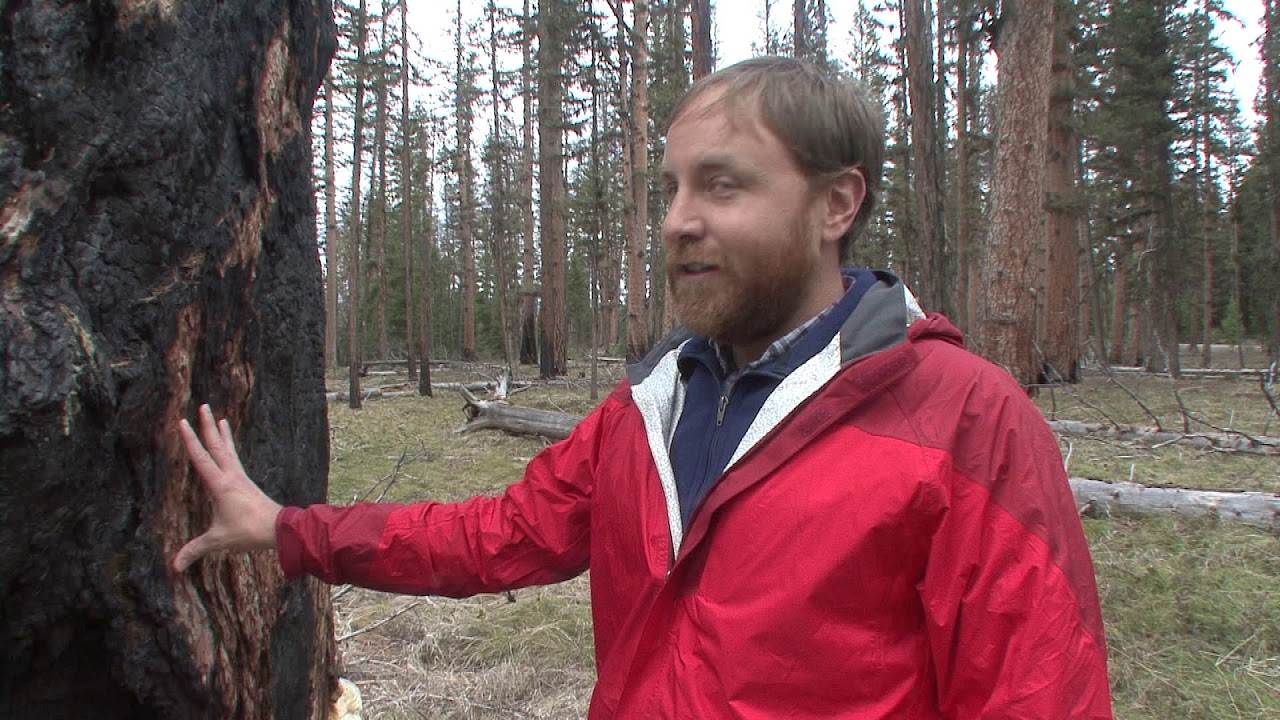
Fire-adapted traits include thick bark on mature trees and rapid seedling growth after disturbance, which helps stabilize slopes. Practitioners often mix western larch with seral species to speed canopy closure and reduce erosion on burn scars.
Watershed Protection
Roots bind soils on cold, moist aspects, while open crowns allow snowmelt to distribute more evenly through the season. These features support cooler streams, better infiltration, and improved downstream water quality in managed forests.
Wildlife Habitat Enhancement
Mixed-age stands with western larch provide cavities, perches, and seed food for birds and small mammals. Retaining snags and large downed logs during thinning adds structure that boosts biodiversity on restoration sites.
4. Ornamental and Landscape Design
Specimen Tree Planting
Pick a site with full sun, room for a tall crown, and cool winter exposure; avoid heat islands. Stake young trees for one season, water deeply but infrequently, and mulch the dripline to keep roots cool and moist.
Bonsai Applications
Bonsai growers favor western larch for flexible new shoots, dramatic winter silhouette, and fast response to wiring. Use a fast-draining mix, protect from hot afternoon sun, and repot on a 2–3 year cycle to keep roots vigorous.
Seasonal Color Display
For fall color, group three to five trees to create a golden “grove” effect, then underplant with shade-tolerant perennials for year-round texture; collectors might like the large-format art piece.
5. Traditional Indigenous Applications
Native American Medicinal Practices
Ethnobotanical records describe teas, poultices, and chewed pitch used for aches, sore throats, appetite, and skin care. These practices vary by tribe and context, with modern sources summarizing preparations and historical notes.
Reports mention internal and external uses of western larch gum and bark for musculoskeletal pain and general vigor.
Botanical Medicine: Western Larch
Bark and Gum Preparations
Traditional prep included decoctions of inner bark simmered in water and softened pitch applied as a salve. Contemporary herbalists often rely on standardized arabinogalactan powders for consistent daily intake rather than wild-harvested gum.
Cultural and Spiritual Significance
Large, long-lived trees often carry cultural value as markers of place, seasonal change, and resilience after fire. Site managers can honor that role by retaining veteran larches during thinning or fuels work when safety allows.
Western Larch Growing and Care Tips
Climate Requirements
Best performance occurs in USDA Zones 4–6 with cold winters and low humidity summers; Zone 7 is possible in cool-summer sites. Hot, stagnant air stresses foliage, so favor higher elevations or north-facing slopes in warm regions.
Soil Preferences
Plant in deep, well-drained loams or sandy loams, pH 5.5–7.0, and avoid perched water tables. Add coarse mulch, keep it off the trunk, and water deeply during the first two summers to set strong roots.
Planting Considerations
For projects that need structural wood later, plan for straight stems with wide spacing and light, periodic thinning; learn grading basics under construction wood. For ornamentals, prune only in late winter to avoid bleeding and reduce stress.
FAQs
What Are The Benefits Of Using Western Larch Wood In Construction?
Western larch Is Strong, Dense, And Naturally Durable; Its Heartwood Resists Decay, It Has An Attractive Grain And Good Dimensional Stability, And It Holds Fasteners Well, Making It Suitable For Structural, Exterior, And Finish Work When Sourced Responsibly.
How Can You Identify A Western Larch Tree Compared To Other Conifers?
Western larch Is A Deciduous Conifer That Drops Its Needles In Autumn; Its Needles Grow In Clusters On Short Shoots, Turn Bright Green In Spring And Golden In Fall, And It Produces Small Egg-Shaped Cones. Bark Is Often Thick And Furrowed On Mature Trees, Which Helps Distinguish It From Evergreens Like Pines And Firs.
What Is The Typical Growth Rate Of A Western Larch Tree?
Growth Varies With Site Quality, But Western Larch Often Exhibits Moderate To Fast Early Growth. Young Trees Commonly Add Around 1–2 Feet (30–60 Cm) Per Year Under Favorable Conditions, With Growth Slowing As Trees Mature.
Are There Any Specific Diseases That Commonly Affect Western Larch?
Western Larch Can Be Affected By Needle Cast Diseases, Root Rots Such As Armillaria, And Pests Or Parasites Like Dwarf Mistletoe Or Bark Beetles. Good Silvicultural Practices, Monitoring, And Prompt Removal Of Infected Material Help Reduce Disease Impact.
What Climate Conditions Are Ideal For Growing Western Larch?
Western Larch Thrives In Cool, Continental Or Mountainous Climates With Cold Winters And Warm Summers. It Prefers Well-Drained Soils, Full Sun, And Moderate Moisture; Seedlings Benefit From Reliable Moisture While Mature Trees Tolerate Some Summer Drought.