
Plywood Grades Explained: The Ultimate Guide to Choosing the Right Sheet

Plywood grades describe face quality, back quality, bond rating, core construction, structural use, and sometimes emissions compliance. The right grade depends on whether the sheet will be visible, structural, wet, painted, stained, edged, or code-regulated.
Table of Contents
A smooth A face can still be wrong outdoors, and a rough CDX panel can still be structurally useful when the stamp, span rating, and exposure class match the job. The smartest buy starts with project fit, not the prettiest sheet in the stack.
Plywood Grades: Quick Answer

Key Takeaways: A, B, C, and D describe common softwood face grades; A-1 and A-2 describe many hardwood cabinet panels; Exposure and Exterior describe bond durability; APA span ratings describe structural use.
Four Main Grades
The four common softwood plywood face grades are A, B, C, and D. A is smooth and suitable for visible work, while D allows larger knots, open defects, and rougher repairs.
- A-grade: best common softwood appearance face for paint and visible surfaces.
- B-grade: solid utility face with minor defects and repairs.
- C-grade: rougher face for sheathing, subfloors, and hidden work.
- D-grade: low appearance grade for backs, sheathing, and temporary construction.
Best Grade Snapshot
The best plywood grade is the one that matches the job. Use cabinet grade plywood for cabinets, furniture grade plywood for visible furniture, exterior grade plywood for protected outdoor work, marine grade plywood for boats and high-risk wet areas, and APA-rated structural plywood for roofs, walls, and floors.
Grade Chart Summary
| Grade or Type | What It Means | Best Use | Avoid Using For |
|---|---|---|---|
| A | Smooth, sanded appearance face | Painted cabinets, panels, shelving | Unprotected wet exposure |
| B | Good face with limited repairs | Utility cabinets, shop furniture | Clear premium furniture faces |
| C | More knots, patches, defects | Sheathing and hidden structure | Finished surfaces |
| D | Rough face with larger defects | Hidden backs and construction | Cabinetry or furniture |
| A-1 / A-2 | Hardwood decorative grading | Cabinet grade plywood | Structural selection by itself |
| Exterior | Water-resistant bond rating | Protected outdoor projects | Continuous wetting without sealing |
| Marine | Better bond and core quality | Boats and wet-service builds | Unsealed use or ground contact |
| CDX | C face, D back, exposure-rated bond | Construction sheathing | Furniture, cabinets, boat hulls |
Project Fit Summary
Choose by use first. Visible faces need better veneer; wet areas need bond protection and sealing; structural work needs stamped span ratings; exposed edges need a cleaner core.
- Cabinets: A-1, A-2, B-2, prefinished maple, or other cabinet grade hardwood plywood.
- Furniture: hardwood or multi-ply furniture grade plywood with clean faces and stable edges.
- Outdoors: exterior grade plywood, pressure-treated plywood, or marine plywood with sealed edges.
- Boats: verified marine grade plywood, often BS 1088 or APA Marine, sealed with epoxy or coating.
- Sheathing: APA-rated CDX, structural plywood, or rated panels that match span and code.
How Plywood Grade Systems Work
Key Takeaways: Plywood grade is not one ladder. A sheet can have a beautiful face, weak moisture rating, poor core, or no structural span rating, so each label must be read separately.
Face Grade Basics
The face grade describes the front veneer, which is the side you see first. Better faces have fewer knots, cleaner patches, less checking, and smoother sanding, which matters when light rakes across a painted panel and shows every ripple.
Back Grade Basics
The back grade describes the opposite side. In A-C plywood, the A face is smooth and the C back is rougher, so the sheet works well when one side is hidden against a wall, cabinet, or frame.
Grade Versus Thickness
Grade does not equal panel thickness. A thin A-grade sheet may look beautiful but bend too much for a shelf, while a rougher structural sheet may carry load better because it has the right thickness and span rating.
Grade Versus Species
Species changes appearance and behavior. Maple plywood stains differently than birch, okoume feels light and soft under a hand plane, and southern yellow pine construction plywood can feel resinous and coarse at the edge.
Grade Versus Waterproofing
Waterproof glue does not make waterproof wood. The glue line may survive wetting, but the veneers can swell, check, mold, or rot if the panel traps moisture at edges, screw holes, or unsealed end grain.
Appearance Versus Structure
Appearance grades tell you how the sheet looks; structural stamps tell you how it performs under load. For roof, wall, and floor panels, rely on rated markings from sources such as APA — The Engineered Wood Association, not the surface grade alone.
Softwood Plywood Grades
Key Takeaways: Softwood plywood grades mainly describe surface quality. They help with appearance selection, but you still need to check exposure class, thickness, core quality, and structural stamp.
A-Grade Plywood
A-grade plywood has the cleanest common softwood face. It feels smooth under fingertips, takes primer evenly, and saves sanding time on painted built-ins, shelves, and wall panels.
B-Grade Plywood
B-grade plywood has a solid face with small knots, repairs, or color variation. It works well for utility shelves, shop cabinets, and painted projects where a small patch won’t ruin the finish.
C-Grade Plywood
C-grade plywood allows more visible defects. It’s common in structural panels, crates, backs, and subfloor work where a rough knot doesn’t matter because the sheet will be covered.
D-Grade Plywood
D-grade plywood is the roughest common face grade. The surface can snag a rag, show open knots, and expose voids, so don’t use it for finished furniture or cabinet faces.
A-A and A-B Panels
A-A panels have high-quality faces on both sides, while A-B panels have one premium face and one slightly lower back. Use them when both sides may be visible, such as dividers, panels, and specialty millwork.
A-C and B-C Panels
A-C and B-C panels balance appearance and cost. They’re practical for one-sided work, such as shelving, painted cabinet parts, wall panels, and backing boards that still need one decent face.
ACX and BCX Panels
ACX and BCX panels combine one better face with an exposure-rated bond in many retail settings. Still read the stamp, because the “X” label is often used loosely and does not always mean permanent outdoor service.
Cabinet Grade Plywood
Key Takeaways: Cabinet grade plywood is usually a buying category, not one universal standard. Confirm face grade, back grade, core type, thickness, flatness, emissions compliance, and finish quality before buying.
Hardwood Face Grades
Hardwood plywood often uses grades such as A-1, A-2, B-2, and C-3. The letter describes the face veneer, while the number describes the back, with 1 usually cleaner than 2 or 3.
For a deeper cabinet panel selection path, see our guide to cabinet grade plywood. It covers boxes, shelves, drawer parts, prefinished panels, and core choices in more detail.
A-1 Cabinet Plywood
A-1 cabinet plywood is the premium choice when the face and back both matter. Use it for exposed ends, open shelving, high-end built-ins, and furniture panels that will be stained or clear finished.
A-2 Cabinet Plywood
A-2 cabinet plywood is a common sweet spot. The face looks clean enough for visible cabinet work, while the back is acceptable for cabinet interiors, hidden sides, and painted casework.
B-2 and B-3 Panels
B-2 and B-3 panels save money on painted cabinets, shop storage, and hidden cabinet parts. Expect more color variation and repairs, so inspect the face under angled light before accepting the sheet.
Prefinished Cabinet Panels
Prefinished plywood often has a clear UV-cured coating on one or both faces. It saves finishing labor inside cabinet boxes, but sawdust can scratch the surface, so cut with a clean blade and protect the face during assembly.
Cabinet Box Thickness
Most cabinet boxes use 3/4 in. plywood, while backs and drawer bottoms often use 1/4 in. to 1/2 in. depending on span and load. A heavy pantry shelf needs more stiffness than a short wall-cabinet shelf.
Cabinet Core Choices
Cabinet plywood may use veneer core, MDF core, particleboard core, or combination core. Veneer core holds screws better, MDF core stays flatter, and particleboard core works in dry commercial casework but swells fast if water reaches it.
| Cabinet Part | Common Grade | Common Thickness | Core Tip |
|---|---|---|---|
| Base cabinet sides | A-2 or B-2 | 3/4 in. | Veneer core for screw holding |
| Wall cabinet sides | A-2 or B-2 | 1/2 in. to 3/4 in. | Choose flat sheets |
| Exposed ends | A-1 or A-2 | 3/4 in. | Match species and grain |
| Cabinet backs | B-2 or utility hardwood | 1/4 in. to 1/2 in. | Avoid wavy panels |
| Drawer bottoms | B-2 or prefinished | 1/4 in. to 1/2 in. | Increase thickness for wide drawers |
Furniture Grade Plywood
Key Takeaways: Furniture grade plywood focuses on visible veneer, stable cores, clean edges, and finish quality. It should cut cleanly, stay flat, and look intentional after sanding, staining, or edge treatment.
Hardwood Veneer Quality
Hardwood veneer quality decides whether the sheet looks like furniture or like a shop fixture. Look for even color, pleasing grain, tight repairs, and a face that does not feel washboarded when you pass your palm across it.
Use our wood grain pattern guide when matching oak, maple, birch, walnut, cherry, or sande plywood for visible furniture panels.
Stain-Grade Faces
Stain-grade plywood needs consistent species veneer and careful sanding. Thin face veneers can sand through fast at corners, leaving a pale patch that grabs stain differently and ruins the panel.
Paint-Grade Faces
Paint-grade faces can tolerate more color variation, but they still need smooth sanding and stable cores. Patches, football repairs, and open grain can telegraph through glossy paint if you skip primer and filler.
Baltic Birch Panels
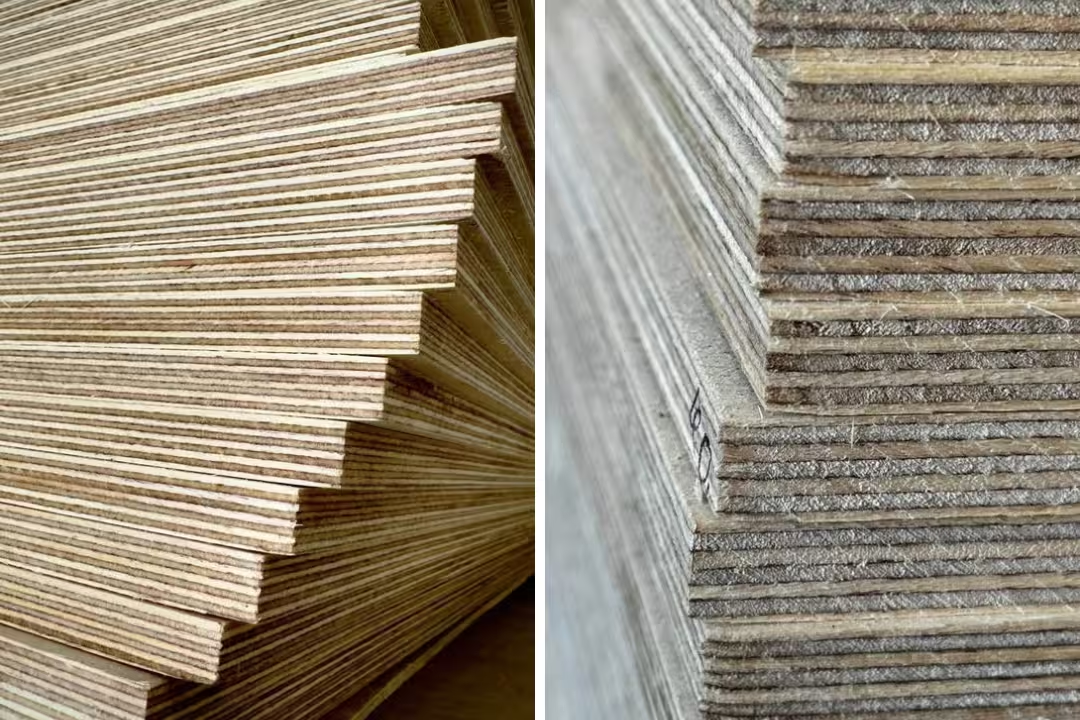
Baltic birch is valued for many thin plies, clean edges, and reliable machining. True Baltic birch supply can be limited, so compare alternatives by ply count, voids, edge appearance, and sheet flatness.
For species, sizing, and sourcing details, see our Baltic birch guide.
Exposed Edge Quality
Exposed edges reveal the core. Multi-ply panels can look crisp after sanding, while low-grade veneer core may show dark gaps, splinters, or hollow pockets that catch finish and feel rough.
Edge Banding Options
Edge banding hides plies and gives cabinets or furniture a solid-wood look. Iron-on banding is fast, hardwood strips are stronger, and thick lipping lets you round over edges without exposing the core.
Warping and Flatness
Flatness matters for tables, doors, drawer fronts, and CNC work. Store sheets flat, acclimate them before cutting, and avoid one-sided finishing because it can pull a panel into a shallow cup.

Durable Baltic Birch Craft Wood
- Ideal size for versatile projects
- Stronger than typical basswood
- Perfect for laser and CNC cutting
- High-quality B/BB grade
- Excellent for crafting wood shelves
 Buy on Amazon

3mm Baltic Birch Sheets for DIY
- Crafted for precision projects
- Smooth veneer for fine finishes
- Great for laser cutting and engraving
- Suitable for woodburning and painting
- Six pieces for ample supply
Buy on Amazon

Craftiff 12x12 Plywood Board Pack
- Premium A-grade quality wood
- Perfect for various craft projects
- Easy to cut and shape
- Unfinished, ready for customization
- Pack includes five sheets
Buy on Amazon

Craftiff 22x12 Craft Plywood Set
- Thin and flexible for intricate designs
- High-quality A-grade wood for superior projects
- Ample pack of ten sheets
- Ideal for crafting and model building
- Easy to handle size
Buy on Amazon

Thin Baltic Birch Sheets for Creativity
- Flat sheets for easy stacking
- Ideal for DIY arts and crafts
- Perfect for laser cutting
- High-quality B/BB veneer finish
- Suitable for both painting and drawing
Buy on Amazon
Exterior Grade Plywood
Key Takeaways: Exterior grade plywood uses a moisture-resistant bond, but the wood still needs protection. Edge sealing, drainage, coating maintenance, and proper fasteners often decide whether an outdoor project lasts.
Interior Plywood Limits
Interior plywood belongs in dry spaces. In damp sheds, bathrooms, and outdoor furniture, interior glue lines and cores can swell, smell musty, and separate after repeated wet and dry cycles.
Exposure 1 Plywood
Exposure 1 plywood handles normal construction moisture during delays. It is not meant to sit outdoors for months uncovered or become the finished surface of an outdoor bench.
Exposure 2 Plywood
Exposure 2 appears less often in retail talk. Treat it as a protected-service classification and verify the manufacturer’s literature before using it where moisture is likely.
Exterior Bond Ratings
An Exterior bond uses adhesive intended for repeated wetting and drying. The U.S. structural panel standards often connect bond and performance through PS 1 and PS 2, which the APA publication search summarizes through technical documents.
Pressure-Treated Plywood
Pressure-treated plywood resists decay and insects through chemical treatment. It may arrive wet and heavy, with a cold, damp feel at the edge, so let it dry evenly before building visible outdoor parts.
Edge Sealing Requirements
Edge sealing is the outdoor step beginners skip most. Brush sealer into edges, drilled holes, and cuts until the fibers stop drinking it in, then keep water from sitting against the panel.
Outdoor Project Uses
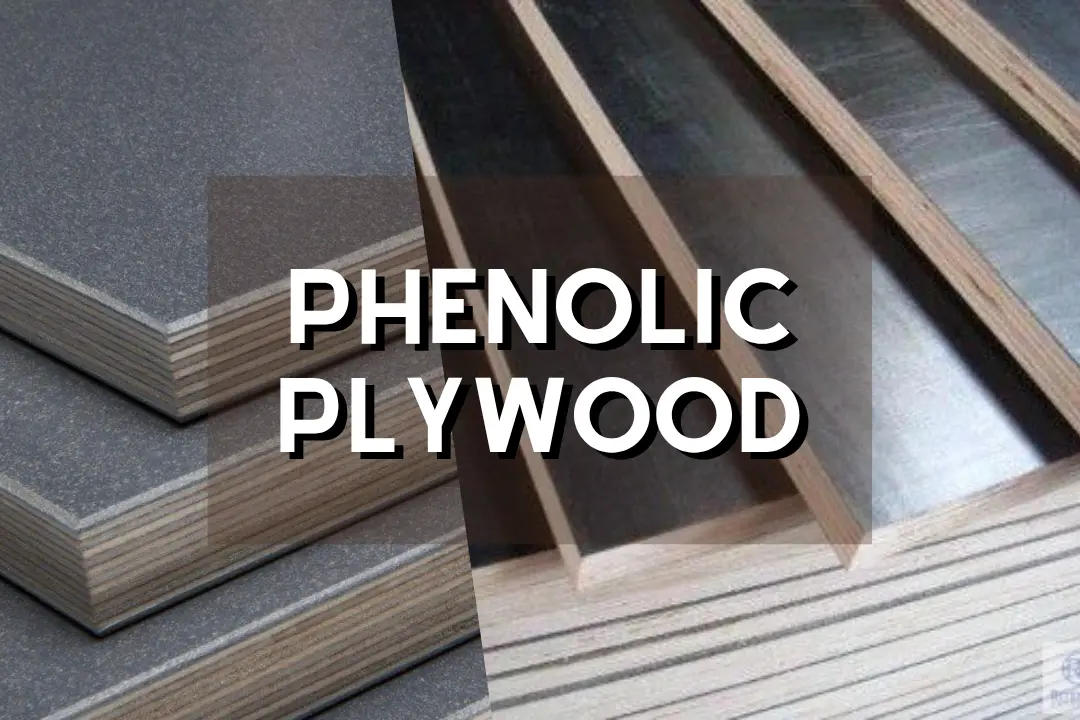
Use exterior grade plywood for painted sheds, protected soffits, signs, exterior panels, and outdoor structures with coatings. For slick concrete forms or coated reuse, compare phenolic plywood and MDO plywood.
Marine Grade Plywood
Key Takeaways: Marine grade plywood has better core quality and moisture-resistant bonding than ordinary construction panels. It is not rotproof, so boats and wet-area builds still need careful sealing and maintenance.
Marine Core Quality
Marine core quality matters because hidden voids trap water and weaken fasteners. In boat repairs, a screw can suddenly drop into a hollow pocket, which is a bad sign for impact strength and long-term moisture control.
See our detailed guide to marine plywood for species, standards, costs, and sealing methods.
APA Marine Plywood
APA Marine plywood may appear as A-A Marine, A-B Marine, or B-B Marine under U.S. structural plywood practices. Confirm the stamp and documentation before using it in a critical wet-service part.
BS 1088 Plywood
BS 1088 is a common marine plywood standard for quality imported panels, often okoume or meranti. Check supplier paperwork, since a shelf tag alone is weak proof of boatbuilding suitability; the BS 1088 marine plywood specification outlines the referenced standard.
Okoume and Meranti
Okoume plywood is light, pale, and easy to bend for stitch-and-glue boats. Meranti feels denser and tougher, often trading extra weight for durability and lower cost in many marine builds.
Marine Versus Exterior
Marine plywood usually has stricter core quality than exterior plywood. Exterior plywood may have durable glue, but voids can still create weak spots, especially in transoms, decks, and hull panels.
Sealing Marine Plywood
Seal marine plywood on all faces, edges, and fastener holes. Epoxy encapsulation works well for many boat parts, but it must be continuous because a single unsealed screw hole can become a water path.
Boatbuilding Limitations
Boatbuilding plywood selection should follow the designer’s plans. Substituting CDX or pressure-treated plywood can add weight, cause fastener corrosion issues, create glue compatibility trouble, and shorten the repair interval.
CDX Plywood
Key Takeaways: CDX is construction sheathing, not a finish panel. The C and D describe face grades, while the X usually points to an exposure-rated bond used during construction.
CDX Meaning
CDX plywood usually means C-grade face, D-grade back, and exposure-rated adhesive. It is built for covered structural work, not for smooth cabinet doors or outdoor furniture left in rain.
C Face D Back
The C face may show knots, patches, and rough sanding. The D back can show larger defects, so expect splinters, open areas, and edges that need gloves during handling.
Exposure-Rated Adhesive
The X mark in retail language is often treated as exterior glue, but CDX is usually aimed at temporary jobsite exposure. Read the stamp before treating it as long-term exterior plywood.
Sheathing Uses
Sheathing uses include roofs, walls, subfloors, temporary protection, and jobsite panels when the structural rating matches the project. CDX is useful because appearance is hidden behind roofing, siding, or flooring.
Weather Exposure Limits
Weather limits matter. CDX can handle short construction delays better than interior plywood, but long wet storage causes edge swelling, staining, rough grain lift, and possible panel distortion.
CDX Versus Exterior
CDX versus exterior is a bond and use question, not just a name question. Some exterior plywood has better faces and more suitable construction for exposed protected applications than rough CDX sheathing.
CDX Misuse Cases
Common CDX mistakes include using it for cabinet sides, painted furniture, boat repairs, and unsealed outdoor benches. The workaround is simple: buy the cheaper CDX only when rough hidden construction is the real job.
Plywood Core Types
Key Takeaways: Core type affects screw holding, flatness, weight, edge quality, moisture behavior, and machining. Two sheets with the same face grade can perform very differently inside a cabinet or furniture joint.
Veneer Core Plywood
Veneer core plywood uses cross-laminated wood plies. It is lighter than MDF core, holds screws well, and suits cabinets, shelving, and furniture where strength-to-weight matters.
MDF Core Plywood
MDF core plywood is flat and smooth, which helps veneered panels and painted doors. It is heavy, dusty to machine, and weak around wet edges, so avoid it for damp locations.
For engineered panel comparisons, see black MDF and our broader engineered wood guide.
Particleboard Core Plywood
Particleboard core plywood stays flat in dry spaces and lowers cost in commercial casework. Its weak point is moisture: once swollen, the edge feels crumbly and rarely returns to shape.
Combination Core Plywood
Combination core panels blend veneer crossbands with MDF or particleboard center layers. They can balance flatness with better fastener performance than straight MDF or particleboard core.
Lumber Core Plywood
Lumber core plywood uses strips of wood inside the panel. It is less common now, but it can be useful for thick shelves, tabletops, and specialty millwork needing stiffness.
Multi-Ply Panels
Multi-ply panels use many thin layers. They machine cleaner at edges, hold small screws better, and feel dense and crisp under a router when the core quality is high.
Void-Free Cores
Void-free cores are valuable for exposed edges, marine work, drawer boxes, CNC parts, and joinery. Still inspect edges because “void-free” can be used loosely on low-quality imported panels.
Thickness and Span Ratings
Key Takeaways: Thickness helps, but span rating decides structural suitability. A 4×8 sheet covers 32 square feet before waste, and nominal thickness is often slightly thicker than actual measured thickness.
Common Sheet Sizes
The most common plywood sheet is 4 ft x 8 ft, which covers 32 square feet. Specialty sheets include 2×4 project panels, 4×4 panels, 5×5 Baltic birch-style panels, 4×10 sheets, and metric marine panels.
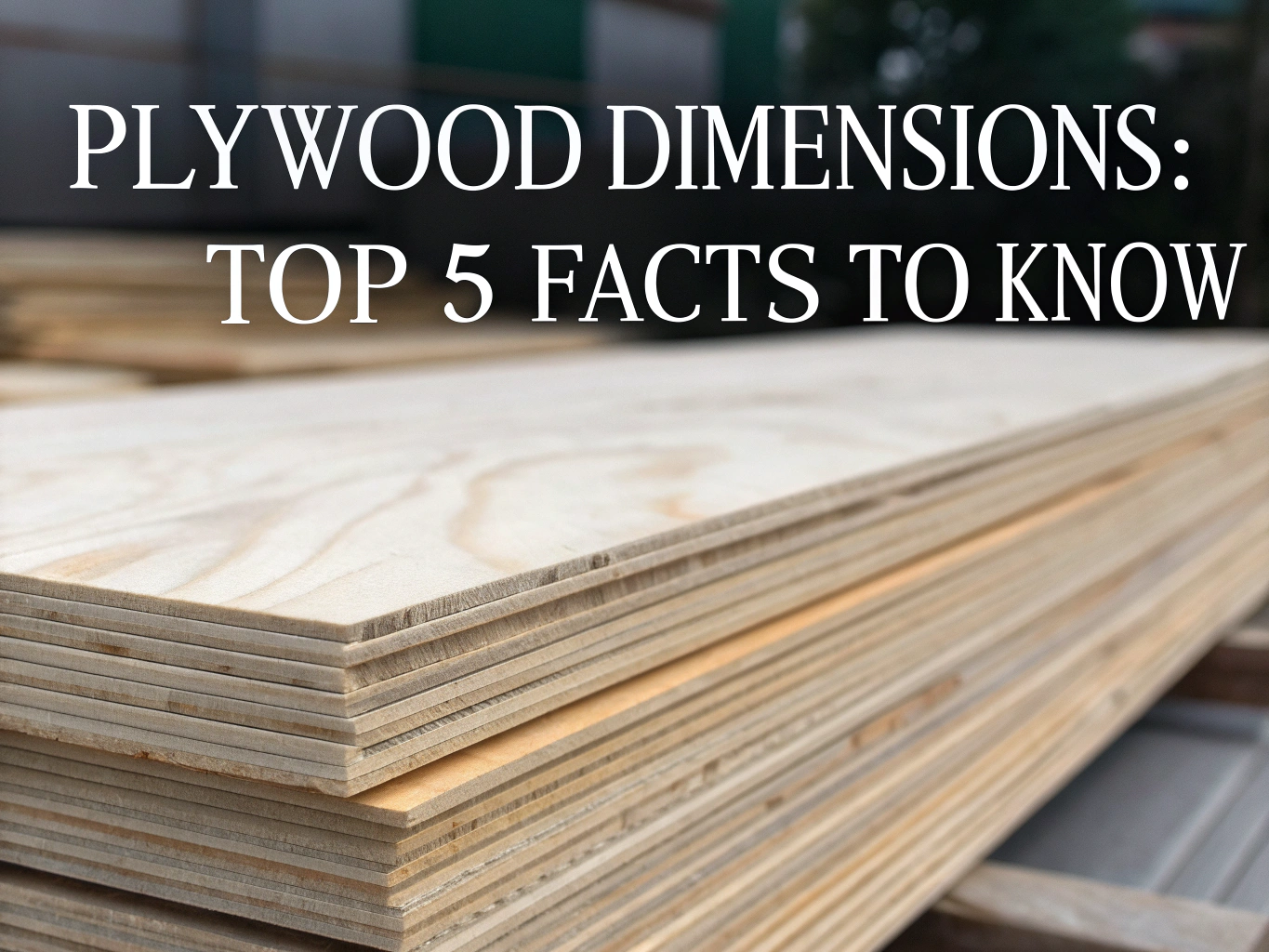
Use our plywood dimensions guide when planning sheet layouts, actual thickness, and project panel sizes.
Nominal Versus Actual
Nominal thickness can differ from measured thickness. For example, 3/4 in. plywood is often close to 23/32 in., which matters for dadoes, cabinet grooves, and CNC toolpaths.
Common Thicknesses
Common plywood thicknesses include 1/4, 3/8, 1/2, 5/8, 3/4, and 1 in. Marine plywood often appears in metric sizes such as 4 mm, 6 mm, 9 mm, 12 mm, and 18 mm.
APA Span Ratings
APA span ratings appear as pairs such as 24/16, 32/16, 40/20, or 48/24. The numbers guide support spacing for roof and floor use, subject to installation rules and local code.
Roof Sheathing Grades
Roof sheathing must match rafter spacing, load, roofing type, and edge support. Wrong panel spacing can cause buckling ridges that show through shingles after heat and moisture movement.
Wall Sheathing Grades
Wall sheathing provides bracing and a nail base for siding. Select by structural rating, thickness, exposure class, and fastening schedule rather than by face appearance.
Subfloor Plywood Grades
Subfloor plywood needs proper thickness, span rating, panel spacing, and edge support. Tongue-and-groove panels reduce unsupported edges and help prevent squeaks, bounce, and cracked tile.
Underlayment Requirements
Underlayment plywood must be smooth and stable because thin flooring can show every knot, patch, and seam. Rough sheathing under vinyl can telegraph defects like small hard bumps underfoot.
| Nominal Thickness | Common Actual Thickness | Typical Uses | Buying Warning |
|---|---|---|---|
| 1/4 in. | About 7/32 in. | Backs, drawer bottoms, underlayment | Too flexible for wide shelves |
| 1/2 in. | About 15/32 in. | Cabinet backs, furniture parts, sheathing | Measure before cutting grooves |
| 5/8 in. | About 19/32 in. | Roof sheathing, subfloors | Check span rating |
| 3/4 in. | About 23/32 in. | Cabinet boxes, shelves, subfloors | Not all 3/4 sheets are structural |
Plywood Standards and Certifications
Key Takeaways: Standards tell you what a sheet has been made to meet. They do not all measure the same thing, so structural strength, decorative grade, marine use, emissions, and forest sourcing must be checked separately.
APA Grade Stamps
APA stamps may show panel grade, span rating, thickness, exposure durability, product standard, mill number, and manufacturer identification. This stamp matters more than a shelf label for structural work.
PS 1 Standard
PS 1 is a U.S. product standard for structural plywood. It applies to structural panels used in sheathing, subflooring, roof decks, industrial panels, and some marine plywood classifications.
PS 2 Standard
PS 2 covers performance-rated wood structural panels. It helps verify strength and stiffness performance for construction panels that may include plywood and related structural wood panels.
ANSI HPVA HP-1
ANSI/HPVA HP-1 is tied to decorative hardwood plywood used in cabinets, furniture, architectural panels, and hardwood veneer panels. The Decorative Hardwoods Association is a useful reference point for this category.
BS 1088 Standard
BS 1088 is most relevant when buying marine plywood for boats or wet structures. Treat it as a documentation question, not a marketing phrase printed on a store sign.
CARB Phase 2
CARB Phase 2 addresses formaldehyde emissions from composite wood products used indoors. The California Air Resources Board explains compliance for composite wood products.
TSCA Title VI
TSCA Title VI is a federal formaldehyde emissions rule for composite wood products. The EPA formaldehyde standards page explains the rule for hardwood plywood, MDF, and particleboard.
FSC and PEFC
FSC and PEFC relate to forest sourcing, not face grade, waterproofing, or span rating. Use FSC and PEFC certification as sourcing evidence, then still verify the technical grade.
Plywood vs OSB, MDF, and Particleboard
Key Takeaways: Plywood is one engineered panel option. OSB, MDF, particleboard, and solid wood each solve different problems, so compare strength, moisture behavior, finish quality, weight, and cost.
Plywood Versus OSB
Plywood versus OSB often comes down to moisture cycles, edge behavior, stiffness, and price. OSB is common for sheathing, while plywood edges often recover better after wetting and drying.
Plywood Versus MDF
Plywood versus MDF is a strength and surface trade-off. MDF paints beautifully and feels glassy after sanding, but plywood is lighter, stronger, and usually holds screws better.
Plywood Versus Particleboard
Plywood versus particleboard matters most near screws and moisture. Particleboard is flat and economical, but swollen particleboard edges feel soft and gritty, then fasteners lose bite.
Plywood Versus Solid Wood
Plywood versus solid wood is a stability question. Plywood is stable in wide panels, while solid wood is better for exposed edges, carved details, frame parts, and traditional joinery.
Structural Panel Choices
Structural choices include plywood and OSB when they carry the correct rating. For framing and site-built construction context, see our guide to construction wood.
Cabinet Material Choices
Cabinet choices include veneer-core plywood, MDF-core plywood, particleboard-core panels, melamine, and solid wood frames. Use plywood where strength, screw holding, and repairability matter more than the lowest material cost.
| Material | Strength | Moisture Behavior | Finish Quality | Best Uses |
|---|---|---|---|---|
| Plywood | High for weight | Depends on grade and sealing | Good with right face | Cabinets, furniture, sheathing |
| OSB | Good when rated | Edges can swell | Rough surface | Roof and wall sheathing |
| MDF | Moderate | Poor unless treated | Excellent for paint | Painted panels, doors, trim |
| Particleboard | Lower screw holding | Swells when wet | Good under laminate | Budget cabinets, laminate furniture |
| Solid wood | High along grain | Seasonal movement | Excellent | Frames, edges, tabletops |
How to Buy Plywood
Key Takeaways: Buy plywood by matching the project, checking the stamp or label, inspecting both faces, reading the edge, and rejecting warped sheets. Price follows species, face grade, core, thickness, certification, and availability.
Project Grade Selection
Start with project grade selection: visible, structural, wet, stained, painted, edged, or hidden. A hidden subfloor and a walnut cabinet end should never be bought by the same grade rule.
For broader plywood families and uses, visit our guide to types of plywood.
Cabinets and Built-Ins
For cabinets and built-ins, choose A-1, A-2, B-2, prefinished maple, or another cabinet panel suited to the finish. Avoid CDX because the rough core turns joinery and edge finishing into repair work.
Furniture Projects
For furniture projects, buy for face quality, edge quality, and flatness. Maple plywood, Baltic birch-style panels, and high-quality birch often work well; see maple plywood for species-specific notes.
Outdoor Projects
For outdoor projects, use exterior grade plywood, marine plywood, or pressure-treated plywood when decay risk is high. Cedar-faced options may suit some exterior design work; compare cedar plywood for appearance-led projects.
Boats and Wet Areas
For boats and wet areas, choose verified marine grade plywood, then seal it. The cost hurts at checkout, but a failed deck core or transom repair costs far more than the right sheet upfront.
Sheathing and Subfloors
For sheathing and subfloors, use structural panels with the correct span rating, exposure class, and thickness. Add 5–15% waste for cuts, layout, damaged corners, and mistakes.
Typical Sheet Prices
Typical U.S. 4×8 sheet ranges are $20–$45 for CDX sheathing, $40–$90 for AC/BC sanded plywood, $70–$200+ for cabinet grade plywood, $80–$250+ for furniture grade hardwood plywood, and $90–$300+ for marine plywood.
Cost Drivers
Cost drivers include species, thickness, ply count, core type, face grade, back grade, prefinished coating, marine certification, emissions compliance, domestic versus imported supply, and freight.
Reading Labels and Stamps
Read labels for grade, thickness, exposure rating, span rating, standard reference, mill ID, and emissions compliance. “Premium,” “project,” and “cabinet” can be useful shelf words, but they are not enough proof.
Inspecting Faces and Edges
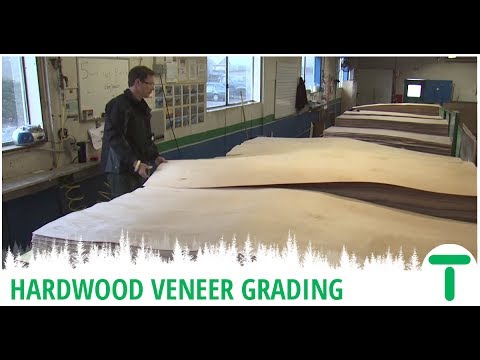
Inspect faces for knots, patches, splits, sanding burns, color mismatch, and veneer bubbles. Then inspect edges for voids, overlaps, uneven plies, and a core that matches the job.
Checking Flatness
Check flatness by sighting down the long edge and laying the sheet on a flat cart when possible. Reject twist, deep bow, crushed corners, wet stains, and sheets that rock like a propeller.
Buying Sources
Buying sources matter. Big-box stores work for common sheathing and project panels; lumberyards offer better structural help; cabinet suppliers carry prefinished and hardwood grades; marine suppliers provide documentation for boat panels.
Mistakes, Limitations, and Trends
Key Takeaways: Most plywood failures come from using the wrong grade for moisture, finish, structure, or core demands. The best workaround is to design for the sheet’s weakest point: edges, voids, fasteners, or unsupported span.
Exterior Is Not Waterproof
Exterior plywood is not waterproof forever. Seal edges, prime all sides, use compatible fasteners, and create drainage so the panel can dry after rain or condensation.
Marine Is Not Rotproof
Marine plywood can still rot because it is wood. Seal fastener holes, maintain coatings, avoid trapped water, and never assume marine grade means bare wood can live wet.
Cabinet Grade Is Marketing
Cabinet grade is often a supplier category. Verify A-1, A-2, B-2, core type, thickness consistency, and emissions compliance before building boxes that must stay square.
CDX Is Not Finished
CDX plywood is rough sheathing. Beginners often spend hours filling knots and sanding splinters, then still get a wavy painted surface; buying a better face is cheaper than rescuing the wrong panel.
Thickness Alone Misleads
Thickness alone does not guarantee strength. Span rating, support spacing, fastener schedule, panel orientation, and local code decide whether a roof, floor, or wall panel is suitable.
Wrong Core Failures
Wrong core choices fail quietly at first. MDF core swells near sinks, particleboard screws loosen, low-grade veneer core exposes voids at joinery, and warped sheets fight cabinet alignment.
Formaldehyde Considerations
Formaldehyde compliance matters for interior cabinets, furniture, and paneling. Ask for CARB Phase 2 or TSCA Title VI labeling when using hardwood plywood, MDF-core plywood, or particleboard-core panels indoors.
Sustainable Plywood Trends
Sustainable plywood demand is growing through FSC sourcing, PEFC sourcing, no-added-formaldehyde adhesives, soy-based adhesives, plantation-grown species, and prefinished panels that reduce finishing labor and VOC exposure.
Baltic Birch Alternatives
Baltic birch alternatives include domestic birch, maple plywood, eucalyptus panels, sande plywood, and other multi-ply imports. Compare edge gaps, ply count, weight, and machining, not just the name.
For another furniture and cabinet panel option, compare sande plywood before choosing a Baltic birch substitute.
CNC-Grade Plywood
CNC-grade plywood needs flat sheets, consistent thickness, clean cores, and predictable glue lines. Cheap panels can chatter, splinter, leave fuzzy edges, or break small tabs during machining.
Practical Notes From Real-World Use
Real-world plywood problems usually show up after cutting, not at the store. A sheet that looked flat in the rack may release tension after the first rip cut, leaving two bowed strips that refuse to sit tight against a cabinet square.
The best workaround is to rough cut first, let parts rest, then final cut critical pieces. For doors, drawer fronts, and long shelves, choose the flattest sheet in the stack and finish both faces evenly to reduce cupping.
Outdoor failures often start at small penetrations. A screw hole that felt harmless during assembly can turn into a dark ring, then a swollen lump, then a soft spot, so pre-seal holes and touch up every cut edge before final assembly.
For transport and handling, check plywood weight before loading 3/4 in. hardwood panels. A full sheet can feel awkward, heavy, and sharp at the corners, so use two people or a panel cart.
| Mistake | What Fails | What It Looks or Feels Like | Professional Workaround |
|---|---|---|---|
| Using CDX for furniture | Finish and joinery | Splintery edge, rough face, visible patches | Use furniture grade or multi-ply plywood |
| Leaving exterior plywood unsealed | Edges and fastener holes | Raised grain, dark stains, swollen corners | Seal all cuts and shed water |
| Using cabinet plywood outdoors | Core and glue line | Musty smell, swollen edges, veneer lift | Use exterior, marine, or treated panels |
| Choosing by thickness only | Structural performance | Bounce, sag, squeaks, cracked tile | Follow span rating and code |
| Ignoring core voids | Fasteners and exposed edges | Screws lose bite, gaps show at edge | Inspect edges before buying |
The grade name gets you close, but the edge, stamp, and project conditions tell you whether the sheet belongs in the build.
Glamorwood plywood buying note
FAQs
What Are The Different Plywood Grades?
Plywood grades describe the quality of the wood veneer on each face and the intended use of the sheet. Common grades range from A to D, with A being the smoothest and most defect-free, while D allows more knots and patches.
Grades are often combined, such as A-C or B-B, to show the quality of both sides. Higher grades are usually chosen for visible surfaces, while lower grades work well for subfloors and structural projects.
What Is The Best Grade Of Plywood For Cabinets?
Cabinets are usually best made with cabinet-grade plywood such as A-A, A-B, or B-B. These grades have smoother surfaces, fewer voids, and a cleaner appearance for visible edges and shelves.
For painted cabinets, a high-quality sanded plywood also works well. If the cabinet will be stained, choose a grade with attractive veneer and minimal patches for the best finish.
Is Marine Grade Plywood Waterproof?
Marine grade plywood is highly water-resistant, but it is not fully waterproof. It is made with durable veneers and waterproof glue, which helps it perform well in wet and humid conditions.
For best results, it should still be sealed, painted, or coated on all sides. This extra protection helps prevent swelling, rot, and long-term moisture damage.
What Is The Difference Between Exterior Grade Plywood And Marine Plywood?
Exterior grade plywood is made to handle outdoor exposure, while marine plywood is built for more demanding wet environments. Marine plywood usually has fewer voids, stronger veneers, and better resistance to delamination.
Exterior plywood is suitable for many outdoor projects, but marine plywood is the better choice for boats, docks, and areas with constant moisture. Marine plywood is typically more expensive because of its higher construction standards.
What Does CDX Mean In Plywood?
CDX means the plywood has a C-grade face, a D-grade back, and an exterior-grade adhesive. The “X” stands for exposure, which means it can handle temporary moisture during construction.
CDX is commonly used for subfloors, roof sheathing, and wall sheathing. It is not meant for decorative use because the surface quality is rough and often has visible knots and repairs.
Affiliate Disclosure: Some links in this post are affiliate links. If you make a purchase through these links, we may earn a small commission at no extra cost to you. We only recommend products we genuinely believe in.