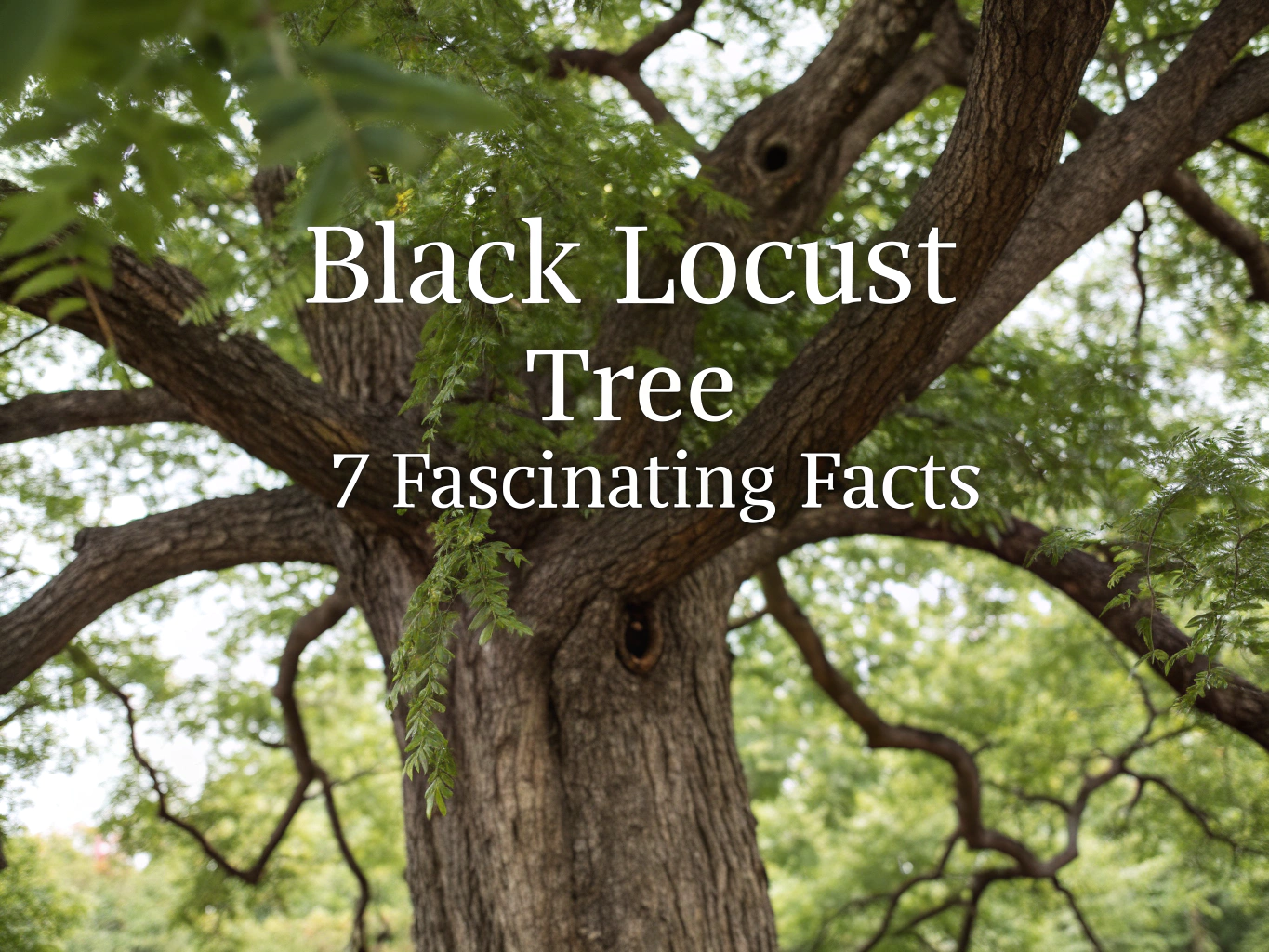

Did you know the black locust tree yields one of North America’s hardest, rot-resistant woods? Many people value locust wood for posts, fences, and outdoor furniture. The tree also fixes nitrogen and can grow on poor soil. It spreads by roots and seeds, so that strength comes with trade-offs. Read on for seven clear facts on care, use, and safety.
Table of Contents
The black locust tree (Robinia pseudoacacia) blends fast growth, tough wood, and striking spring flowers in one species. This guide gives clear facts, practical tips, and context so you can plant, use, or manage it with confidence.
1. Physical Characteristics That Make Black Locust Unique
Distinctive Bark and Crown Features
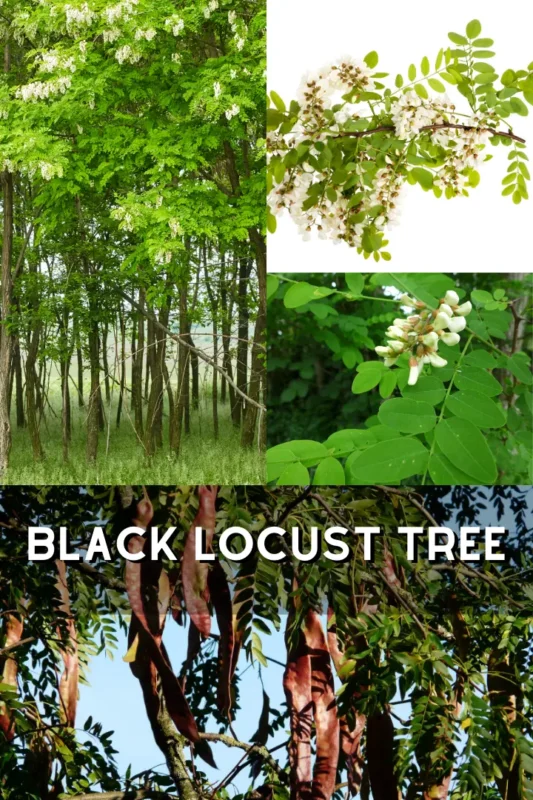
Look for thick, rope-like bark with diamond-shaped grooves and an irregular, open crown that lets light through. Young twigs often carry short paired spines (modified thorns), a quick field clue that separates it from similar trees like honeylocust or native acacias; see the Washington State Parks ID notes for photos and traits Tree ID: Black locust.
Compound Leaves and Seasonal Changes
Leaves are alternate and compound with 7–21 oval leaflets, each with a smooth edge and a rounded tip. They unfold late in spring, fold together at night or in wet weather, and shift to pale yellow in fall—helpful cues for seasonal ID in mixed woodlots and urban parks.
Fragrant White Flower Clusters
In late spring, drooping clusters of white blossoms appear, each with a small yellow spot on the upper petal that guides pollinators to the nectar. The perfume carries on warm days, making trees easy to spot near streets, farm lanes, and hedgerows.
Seed pods follow, smooth and 2–4 inches long, but seeds often stay dormant due to a hard coat, so wild spread tends to come from root suckers. That trait shapes how the tree forms clonal patches in fields, trailsides, and gravel lots.
2. Remarkable Growth Habits and Habitat Adaptability
Rapid Growth Rates and Size Potential
Black locust can add 3–4 feet in a good season and reach 40–100 feet tall, making it a fast-growing tree for farms and homesteads. For growers, this speed supports quick windbreaks, early biomass, and rapid post-production; see agronomic notes from Cornell Small Farms.
Thriving in Poor Soils and Harsh Conditions
The species handles compacted, rocky, or sandy sites and tolerates drought once established. Plant it where erosion control, slope stabilization, or field shelter is needed, but plan for containment to reduce spread into native areas.
Nitrogen-Fixing Root System Benefits
Root nodules host bacteria that fix nitrogen, improving nearby soil and supporting crops, pasture, and underplantings of perennials. Many growers interplant black locust along field edges to boost fertility for fodder species and long-term soil health.
3. Exceptional Wood Properties and Strength
Seventh Hardest Wood in North America
Locust is a true hardwood with exceptional density and shock resistance, often cited among the top woods for outdoor duty. Field sources place it as the seventh hardest native North American wood, prized by fence builders and craftspeople Missouri Department of Conservation.
| Property | What it means in use |
|---|---|
| Hardness (rank: 7th) | Excellent wear resistance for posts, stakes, and decking |
| Density: High | Strong fasteners hold; pre-drilling reduces splitting |
| Stiffness: High | Good for structural parts under bending |
| Shock resistance: High | Reliable for tool handles and mallets |
| Workability: Moderate | Carbide blades and sharp bits improve results |
Natural Rot Resistance and Durability
Black locust contains extractives that make it highly rot resistant, even in ground contact. For exterior builds, compare it with other durable options in this guide to best wood for outdoor furniture to match local supply and budget with longevity.
Traditional and Modern Locust Wood Applications
Common uses include posts, rails, decks, garden structures, boat treenails, orchard stakes, and high-heat fuelwood. See a deeper species profile at black locust wood, or compare project needs with construction wood, osage orange, honey mesquite, and acacia wood for price and workability differences.
4. Historical Significance in American Development
Indigenous Uses and Early Settler Applications
Indigenous peoples used locust wood for tools and relied on plant parts in traditional medicine. Early settlers quickly adopted it for fence posts, pegs, mallets, sills, and mine props because it lasted outdoors without treatment.
Role in Naval Construction and Log Cabins
During the War of 1812, shipbuilders used black locust for pins (treenails) and structural parts that needed high strength. On land, the same durability helped settlers raise cabins, barns, and long-lived fences across new homesteads.
Cultural Impact Through the Centuries
From town lanes lined with fragrant bloom to farm hedges holding soil in place, the species shaped both ecosystems and culture. Its dual identity—beloved for utility yet problematic in some habitats—still sparks debate among foresters and gardeners.
“A durable, rot-resistant wood used for posts, rails, and ship parts across American history.”
Historic usage summary
5. Aggressive Reproduction and Invasive Potential
Root Suckering vs. Seed Production
Most spread comes from root suckers and stump sprouts rather than seedlings, which is why a single tree can turn into a thicket. Cut-stump herbicide or repeated cutting with root monitoring can reduce regrowth on small sites.
Pioneer Species Colonization Patterns
Black locust often colonizes disturbed ground and open sandy soils, forming dense patches that shade competitors and change soil chemistry. Managers plan staged removals and native replanting to reduce rapid recolonization by clonal shoots.
- Pine barrens and sand prairies
- Oak savannas and old fields
- Fragmented prairies and rights-of-way
Ecological Disruption in Native Ecosystems
Nitrogen fixation and shifts in phosphorus and calcium can favor nitrophilous plants and reduce native species richness. For an overview of impacts and control context, see the profile at Invasive Species Centre.
6. Toxicity Facts and Safety Considerations
Plant Toxicity to Humans and Animals
All parts are considered toxic to people, horses, and livestock, with bark and seeds cited most often in poisoning cases. Keep prunings away from paddocks, teach kids not to chew twigs, and use gloves when cutting or splitting wood King County Noxious Weeds.
Medicinal Uses by Native Americans
Historical records note root bark used to induce vomiting and reduce toothache, practices that carry risk. Modern foragers should avoid internal use and consult qualified professionals before any use of plant parts.
Black Locust Honey Safety Debate
Beekeepers prize “acacia” honey (from black locust bloom) for clarity and slow crystallization, and it’s widely sold as food. Toxins do not carry into ripe honey at harmful levels based on current beekeeping practice, though raw plant parts remain unsafe to ingest.
7. Growing Black Locust Trees for 2025
Planting Considerations and Restrictions
Many states list black locust as invasive or noxious, so check local rules before planting in 2025 and plan containment for roots. Space trees 15–20 feet apart for posts or windbreaks, prune a strong central leader early, and mow or root-prune edges to limit suckers.
For agroforestry, place trees on field margins, rotate coppice every 7–15 years for posts, and interplant nitrogen-hungry forage beneath the canopy. Mulch young trees, water through the first dry summer, and pre-scarify seed if starting from seedpods.
“Black locust tree: 7 Fascinating Facts for 2025” still resonates: fast growth, tough wood, nitrogen fixing, showy bloom, clonal spread, toxicity, and historical impact. Use those facts to match the species with farm goals while protecting nearby habitats.
Landscaping and Agricultural Applications
Choose black locust for living fence lines, erosion control, pollinator support, and durable on-farm materials. If you need long-lasting posts or sleepers, black locust tree wood supplies strength and weather resistance many softwoods cannot match.
Here are seed and starter options many growers use for posts, windbreaks, and bee forage in 2025.

50 Black Locust (Robinia) Seeds — Fast-Growing Trees
- 50 seeds for multiple plantings and projects
- Hardy, fast-growing trees that establish quickly
- Fragrant spring blooms attract bees and pollinators
- Nitrogen-fixing roots improve poor soils and fertility
- Great for windbreaks, erosion control, and ornamental use
 Buy on Amazon

3 Black Locust Starter Plugs — Ready to Plant
- Young plugs for quick establishment in your landscape
- Ideal for hedges, privacy screens, or reforestation projects
- Sweet-scented blossoms attract pollinators and wildlife
- Nitrogen-fixing habit improves surrounding soil health
- Follow local state restrictions before planting
Buy on Amazon

25 Black Locust Tree Seeds — Fragrant Ornamental Variety
- 25 premium seeds for home gardens and parks
- Fast-growing deciduous trees with fragrant, showy flowers
- Attractive landscape specimen for yards and public spaces
- Low-maintenance once established and drought-tolerant
- Supports pollinators and improves biodiversity
Buy on Amazon
FAQs
What Are The Uses Of Black Locust Wood?
Black locust wood Is Highly Durable And Naturally Rot-Resistant, Making It Ideal For Outdoor Uses Like Fence Posts, Decking, Siding, And Railroad Ties. It Is Also Used For Outdoor Furniture, Tool Handles, Small Wooden Crafts, And Sometimes Boat Parts; additionally it Makes Excellent Firewood Because It Burns Hot And Long.
Is The Black Locust Tree Invasive?
In Some Regions Black Locust Can Behave As An Invasive Species Because It Spreads By Suckers And Produces Abundant Seeds, Allowing It To Form Dense Thickets That Suppress Native Plants. It Is Native To Parts Of North America But Can Naturalize Aggressively Outside Its Native Range; Check Local Guidelines Before Planting And Monitor For Unwanted Spread.
How Can You Identify A Black Locust Tree?
Black Locust Has Pinnate Leaves With Multiple Oval Leaflets, Paired Thorns On Some Branches, And Clusters Of Fragrant White, Pea-Shaped Flowers In Spring. It Also Produces Flat Brown Seed Pods And Has Dark, Deeply Furrowed Bark As It Matures, Which Helps Distinguish It From Similar Trees.
What Are The Benefits Of Planting A Black Locust Tree?
Black Locust Fixes Nitrogen In The Soil, Improving Fertility And Helping Poor Soils Recover. It Grows Quickly, Provides Good Shade, Supports Pollinators With Its Nectar-Rich Flowers, Offers Durable Timber, And Can Help Control Erosion. These Benefits Make It Useful In Agroforestry And Land-Recovery Projects.
How Fast Does A Black Locust Tree Grow?
Black Locust Is Generally Fast-Growing; Young Trees Often Put On 2 To 3 Feet Of Growth Per Year Under Favorable Conditions And Can Grow Even Faster In Rich, Sunny Sites. Growth Slows As The Tree Matures, And Lifespan And Rate Vary By Site, Climate, And Management.