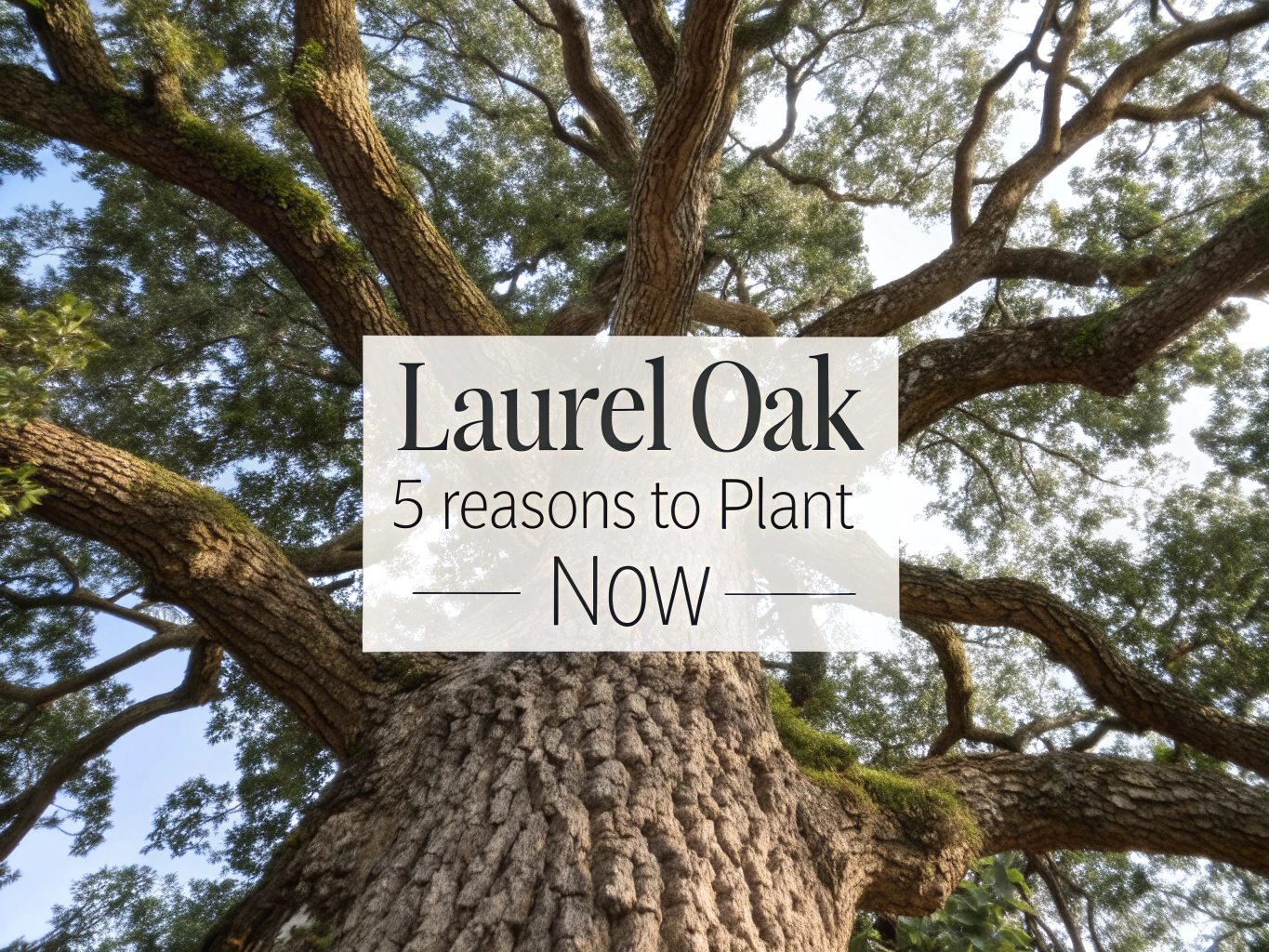

Want a tree that grows fast, feeds wildlife, and cools your home? The laurel oak does all that. It’s a fast-growing, semi-evergreen shade tree that fills space quickly. Read on for five clear reasons to plant laurel oak now and easy tips to get started.
Table of Contents
Laurel oak offers fast shade, strong habitat value, and handsome foliage for homes, streets, and parks. This guide covers growth, care, environmental benefits, and laurel wood uses so you can plant and buy with confidence.
What Makes Laurel Oak a Standout Tree
Fast-Growing Shade Solution
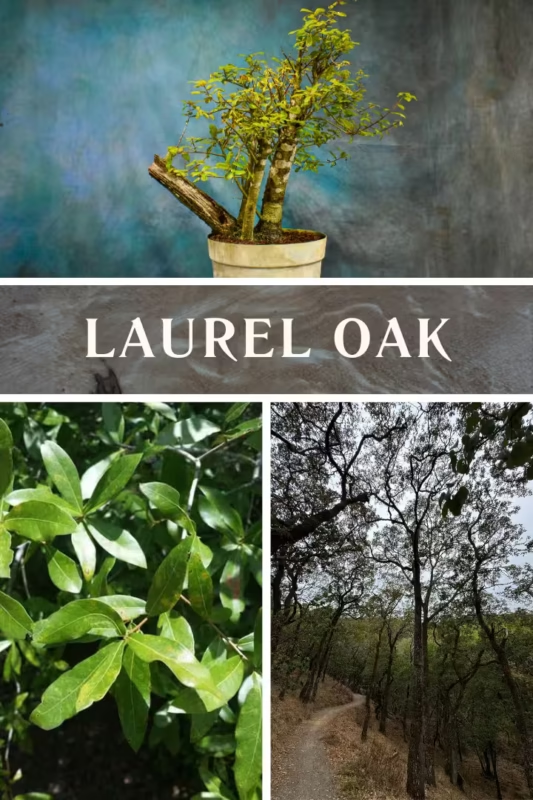
Quercus laurifolia grows fast, building a broad crown that cools patios, driveways, and play areas in short order. Under good care, trees reach strong size within 10–20 years, which is quick for an oak Central Park plant guide.
Semi-Evergreen Beauty
Glossy leaves stay on much of the winter in mild zones, then turn yellow to orange-brown before dropping. Fresh spring growth follows with clean, dark green foliage that looks neat beside lawns and paths.
Impressive Size and Canopy
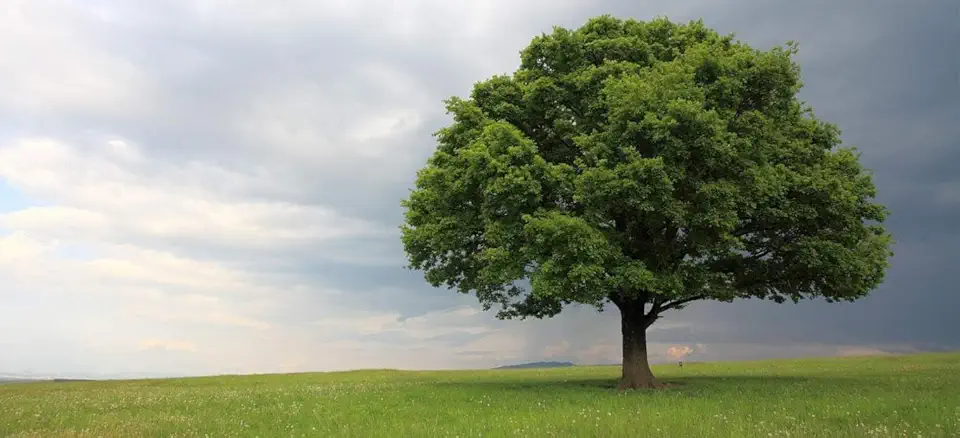
Mature trees commonly reach 60–100 feet tall with a 40–60 foot spread, forming a balanced oval canopy. Give roots room, since the crown and root system need wide space for long-term health and stability.
| Attribute | Typical Range |
|---|---|
| Height at maturity | 60–100 ft |
| Canopy spread | 40–60 ft |
| Growth window for strong shade | 10–20 years |
| Leaf habit | Semi-evergreen (warm zones) |
| Average lifespan | 50–70 years |
1. Rapid Growth for Instant Landscape Impact
Quick Transformation Results
New yards change fast with laurel oak, since young trees push height and lateral branches early. You’ll see shade lines move across patios and windows within a few seasons, even before full maturity Golden Gate Nursery.
Ideal for New Properties
Builders and owners often pick laurel oak to soften new construction fast. Plant a cluster on the west side to cool late-day sun, and leave 25–35 feet from foundations to give roots and trunk safe clearance.
Urban Greening Benefits
City strips and medians green up quickly with this species, improving walkability and comfort. Use structural soil or larger tree pits, so roots have space to grow without lifting paving or stressing the tree.
2. Wildlife Haven and Ecosystem Support
Abundant Acorn Production
Small acorns feed deer, turkey, ducks, and squirrels for weeks each year. If you want regular wildlife visits, plant a few trees in staggered ages for more reliable mast Nativ Nurseries.
Nesting Habitat Creation
Dense crowns give birds safe nesting sites and cover from predators. Leave a mulched zone under the canopy and add native shrubs nearby to build a layered habitat for year-round shelter.
Pollinator-Friendly Canopy
Spring catkins and the tree’s microhabitats support beneficial insects and native pollinators. Pair laurel oak with flowering understory plants to stretch bloom time and broaden nectar sources.
3. Environmental Benefits Beyond Beauty
Soil Enrichment Power
Leaf litter breaks down fast and feeds soil microbes that cycle nutrients. Rake less and mulch more under the drip line to speed composting and build rich, spongy soil over time.
Erosion Control System
Extensive roots knit soil together on slopes and swales, cutting runoff during storms. A mulched ring and native groundcovers help hold moisture while protecting shallow feeder roots near the surface.
Air Quality Improvement
Mature oaks capture particulate matter and store carbon, with single trees removing pounds of pollutants yearly. Planting shade trees also cools hot surfaces, which can reduce ozone formation in warm months Introduction to Oak Ecology.
4. Climate Resilience and Adaptability
Wide Soil Tolerance
Laurel oak handles sandy soil, loam, and clay, and prefers moist sites with steady moisture. In compacted areas, widen the planting hole and top-dress with compost to help roots move into native soil.
Drought Resistance
Moderate drought tolerance helps trees ride out dry spells once established. Deep-water during the first three summers, and prune young trees for a strong branch structure to reduce breakage as the tree ages.
Coastal Applications
Light salt spray is acceptable, making laurel oak useful slightly inland from harsh shorelines. Plant behind windbreaks or set back from direct surf to keep foliage healthy and growth steady.
5. Practical Shade and Energy Savings
Home Cooling Benefits
Strategic placement cuts cooling costs by shading walls, windows, and AC units. Aim for east and west exposures to block low sun angles that add heat to interiors Reasons to Plant an Oak Tree.
Privacy Screening
Dense foliage builds quick privacy for patios and pools. Use staggered spacing in a zig-zag line for better coverage and airflow than a straight row.
Property Value Enhancement
Mature shade and curb appeal help listings stand out, while seasonal color adds charm in photos. Keep a clean mulch ring, prune for clearance, and protect trunks from mower hits to keep value strong.
Getting Started with Laurel Oak
Planting Options
Choose stock that fits your timeline and budget; small starts catch up fast with good care. Here are practical options to consider for different sites and goals.
- Direct-sown acorns: lowest cost; great for classrooms or reforestation; protect with cages from squirrels.
- Container saplings (1–7 gal): quick wins for yards; loosen circling roots before planting.
- Bare-root trees: light to transport; plant while dormant; keep roots moist during handling.
- Ball-and-burlap: instant presence; water deeply after planting; stake only in windy sites.
Explore options below if you want seeds or starter trees shipped to your door.

20 Laurel Oak Acorns — Plantable Seeds
- Package contains 20 Laurel Oak acorns ready for planting
- perfect for reforestation, landscaping, or educational projects
- grows into a semi-evergreen shade tree that enhances yards
- easy to sow in suitable seasons with basic care
- supports wildlife and long-term canopy growth
 Buy on Amazon
Laurel Oak (Quercus Laurifolia) — 3 Live Plants
- Three healthy young Laurel Oak trees ready for transplanting
- semi-evergreen foliage provides seasonal interest and shade
- well-suited to wet or swampy soil conditions
- enhances yard privacy and landscape appeal
- supports local wildlife and natural habitats
Buy on Amazon
Site Selection Tips
Pick a spot with full sun, at least 25–35 feet from buildings, and away from overhead lines. Expect a 50–70 year service life; plan replacement plantings or succession trees if you need shade continuity decades ahead.
Laurel Wood Applications and Furniture
Timber Characteristics
Laurel wood falls in the red oak group: strong, workable, and budget-friendly for cabinets and flooring. For buyers comparing species, review red oak wood, consider stability from quarter-sawn oak, and look at rift-cut white oak if you prefer a straighter grain and higher rot resistance.
Popular Uses
Common projects include furniture, trim, and budget floors where strength and classic grain matter. If you’re choosing between red and white families, this quick guide helps: red oak vs white oak.
Shop pieces below if you want ready-to-assemble storage in a “Laurel Oak” finish that blends with many interiors.
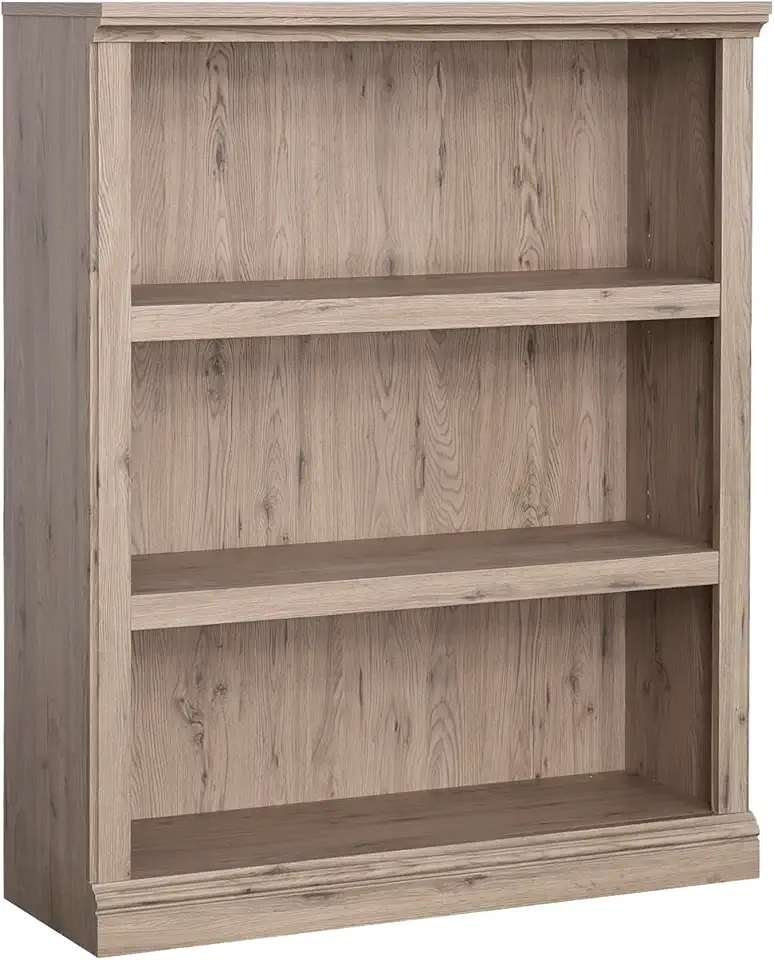
Sauder 3-Tier Laurel Oak Bookcase
- Sturdy engineered wood construction for long-lasting use
- three open shelves for books, décor, or media
- compact footprint fits small rooms and corners
- easy assembly with included hardware and instructions
- versatile styling for home office, living room, or bedroom
Buy on Amazon

Sauder 5-Tier Laurel Oak Bookshelf
- Tall, space-saving design maximizes vertical storage
- five shelves for books, baskets, and display items
- classic Laurel Oak finish complements many décors
- slim profile fits narrow spaces and hallways
- simple assembly with clear directions
Buy on Amazon

Sauder 5-Shelf Bookcase with Doors — Laurel Oak
- Combination of open shelving and lower doors for concealed storage
- five shelves for books, décor, and organization
- Laurel Oak finish for a warm, inviting look
- durable engineered wood construction for everyday use
- ideal for office, living room, or entryway
Buy on Amazon
Need a quick product spotlight or price check? Use the box view below to compare a featured option at a glance.
FAQs
What Is The Lifespan Of A Laurel Oak Tree?
Laurel oak trees typically live between 60 and 100 years under normal landscape conditions. In ideal, well-maintained environments with good soil and adequate water, some specimens can live up to 150 years, but they generally have a shorter lifespan than slower-growing oak species.
How Fast Does A Laurel Oak Tree Grow?
Laurel oaks are considered fast growers, often adding 2 to 3 feet of height per year when young. Growth slows as the tree matures, but they can reach maturity relatively quickly compared with many other oak species.
Are Laurel Oak Trees Good For Shade?
Yes, laurel oaks make excellent shade trees because they develop a broad, dense canopy that provides substantial cover. Keep in mind their wood can be somewhat brittle, so they may lose branches in storms; regular pruning and proper siting away from structures can reduce risk.
What Kind Of Soil Do Laurel Oaks Prefer?
Laurel oaks are adaptable but prefer moist, well-drained soils with a slightly acidic to neutral pH. They tolerate clay and periodically wet sites better than many oaks, but they do not do well in prolonged drought or in soils that remain waterlogged for extended periods.
How Can I Tell The Difference Between A Laurel Oak And A Live Oak Tree?
Key differences include leaf shape and growth habit: laurel oak leaves are typically narrow, lance-shaped and may be slightly toothed, while live oak leaves are broader, obovate to elliptical and usually thicker and more leathery. Laurel oaks grow in a more upright, oval form and are often faster-growing, whereas live oaks develop wide, spreading, horizontal limbs and a massive, evergreen appearance. Bark, branch strength, and overall size—live oaks generally become larger and more sprawling—also help distinguish them.