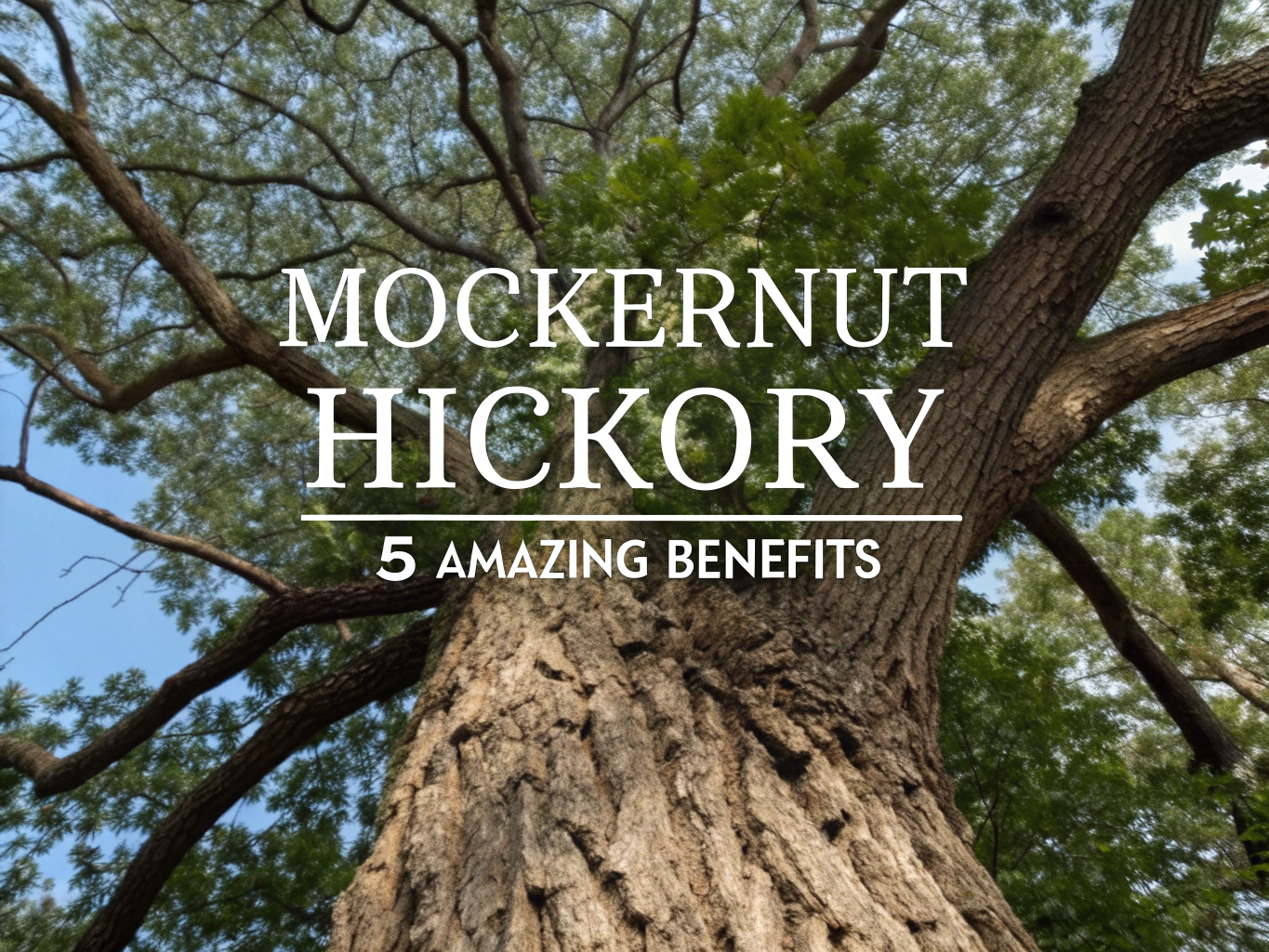

Did you know a single mockernut hickory can feed wildlife, flavor food, and supply hard-wearing wood? The tree gives rich nuts, useful bark and leaves, and sap you can turn into syrup. Below we explain five clear benefits and offer easy tips for spotting a young mockernut hickory sapling. Read on for practical facts you can use.
Table of Contents
Mockernut hickory (Carya tomentosa) feeds people and wildlife, powers industries, and supports forests. This guide covers its nut nutrition, bark and leaf uses, wood value, sap, and regeneration.
Nutritional Powerhouse of Mockernut Hickory Nut
High-Calorie Energy Source
The mockernut hickory nut packs about 200 calories per ounce and delivers long-lasting energy. Typical composition runs roughly 68–70% fat, 13–15% protein, and 15% carbs, making it a compact, edible hickory nut for trail mixes and field work; see the Indiana Native Plant Society guide for traditional notes.
Rich in Essential Fatty Acids
These nuts supply omega-3 and omega-6 fats that support brain function and help calm inflammation. Enjoy them raw, toasted, or ground into nut butter for a satisfying snack or recipe booster.
Packed with Vitamins and Minerals
Mockernut offers vitamin E, magnesium, and vitamin B1, which aid immunity, muscle function, and energy metabolism. A small handful adds a nutrient-dense lift to salads, oats, and baked goods.
Traditional “Hickory Milk” Production
For “hickory milk,” lightly crush whole nuts (shells included), boil in water, then skim the rich oil and emulsion from the top. Use this creamy liquid like a butter substitute in cornbread, stews, or grits.
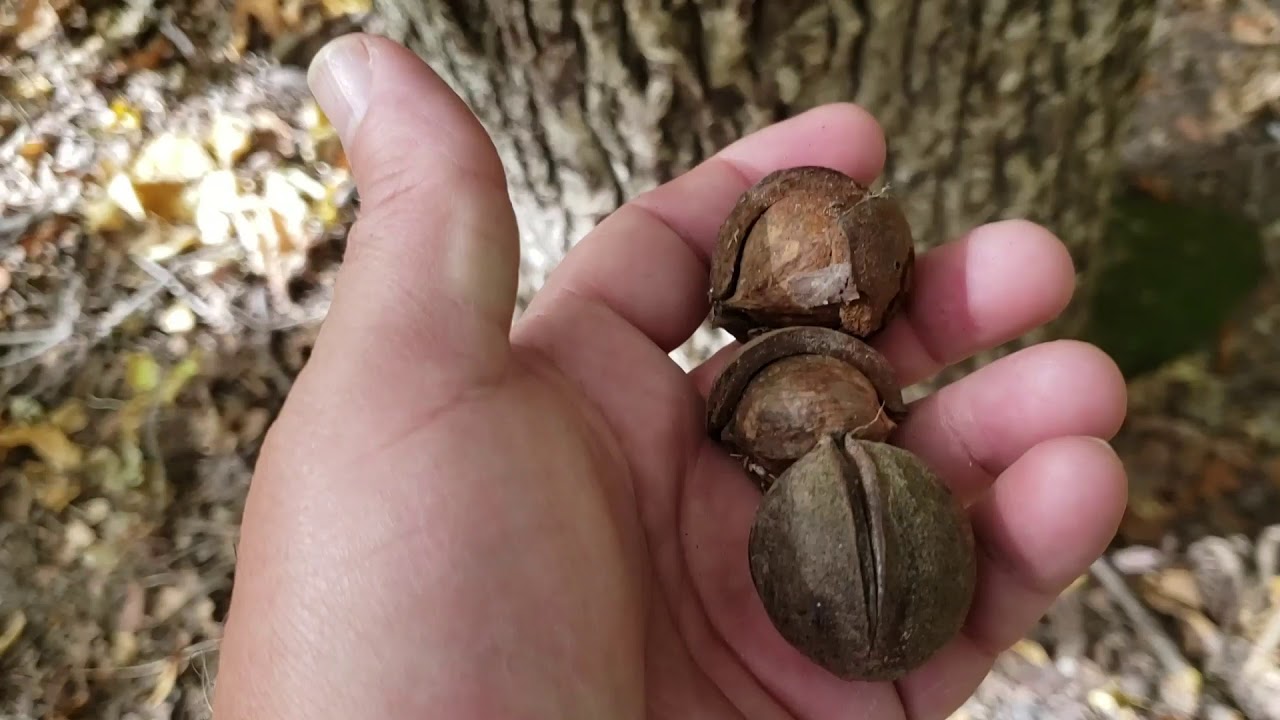
Prefer ready-to-use nuts for snacks and baking? Here are popular hickory nut options to try.

Raw Shelled Hickory Nuts (3 oz)
- Small 3 oz pack of ready-to-eat shelled hickory nuts
- Buttery, rich nutty flavor perfect for snacking or baking
- Raw and unprocessed for natural taste and nutrients
- Ideal for adding crunch to salads, desserts, and granola
- Compact size makes it great for sampling or gifting
 Buy on Amazon
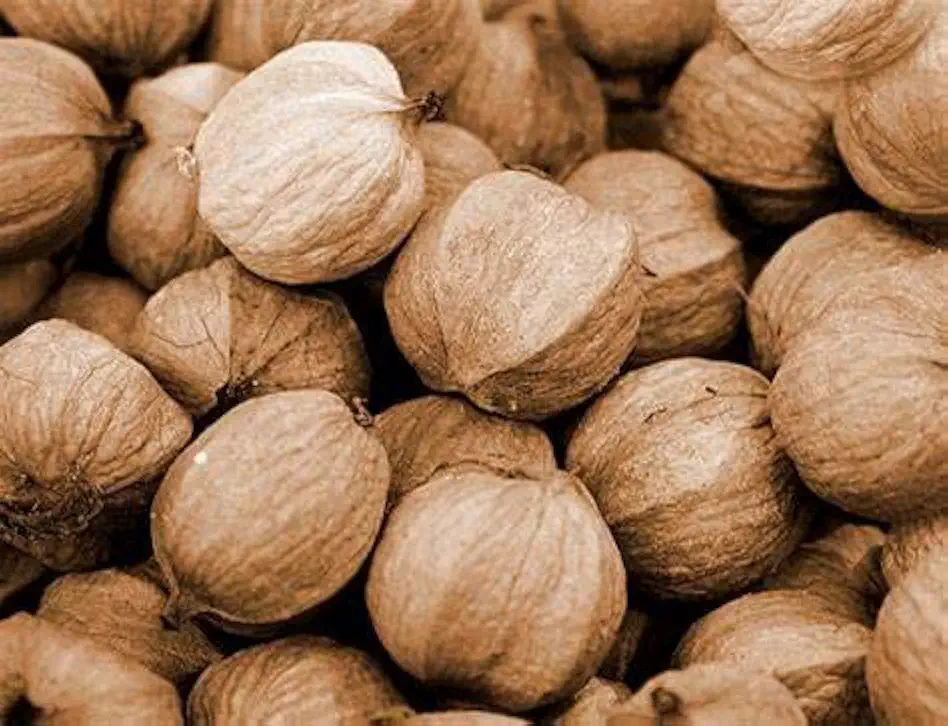
Fresh In-Shell Hickory Nuts — 2 lb Bag
- Two-pound bag of freshly harvested hickory nuts in their shells
- Great for long-term storage and cracking at home
- Perfect for roasting, baking, or feeding wildlife
- Full, natural flavor from fresh harvest
- Excellent value for batch recipes and gatherings
Buy on Amazon

Jumbo Indiana Hickory Nuts — 1 lb
- One-pound bag of large, jumbo Indiana hickory nuts in shell
- Generous-size kernels with bold, buttery flavor
- Ideal for cracking, baking, or candy-making
- Sourced from Indiana orchards for quality and freshness
- Great for gift baskets or pantry stocking
Buy on Amazon
Essential Wildlife and Ecosystem Support
Prime Food Source for Native Animals
The mockernut hickory nut is a key mast food that fuels many forest species. Animals crack these rich kernels fast, so fall crops vanish with speed.
- Squirrels and chipmunks store heavy fall crops
- Black bears, foxes, beavers, and white-footed mice eat nuts
- White-tailed deer browse foliage and twigs in leaf-out
- Quail, turkey, and some ducks take minor amounts
Crops also support predators by strengthening prey populations, which stabilizes food webs. Healthy mast years lift survival across entire oak–hickory forest communities.
Nesting Habitat for Birds
Mature trees form cavities that many birds use for nests and roosts, especially in oak–hickory stands. For habitat notes and species lists, see the USDA FEIS species report on Carya tomentosa.
Watershed Protection Benefits
Deep, wide-spreading roots help anchor slopes and reduce runoff. Stands on ridges and upper slopes slow erosion and keep soils in place after heavy rain.
Soil Enhancement Properties
Fallen leaves add calcium and organic matter that improve nearby soils. To spot the tree, learn how to identify a mockernut hickory leaf and bark: large aromatic compound leaves and firm, ridged dark bark help separate it from look-alikes.
Superior Wood Quality for Multiple Industries
Exceptional Strength and Durability
Mockernut hickory wood is known for hardness, strength, and great shock resistance; see the Purdue Forestry profile. For material basics and project ideas, explore this overview of hickory wood.
| Property | Benefit | Typical Use |
|---|---|---|
| High hardness | Resists denting and wear | Flooring, cabinets |
| Shock resistance | Absorbs impact | Tool handles, sports gear |
| Strong bending strength | Carries heavy loads | Ladder rungs, wheel spokes |
| Good energy value | Hot, even burn | Fuel wood, charcoal |
Tool Handle Manufacturing
Handles for sledges, axes, hammers, and picks rely on hickory’s toughness. The fibers flex under load and help reduce breakage during hard strikes.
Furniture and Construction Applications
Cabinet frames, gym equipment, drumsticks, and flooring benefit from dense, durable stock. For choosing species by room and style, see types of wood for furniture, and for kitchen workpieces compare options in best wood for cutting board.
Smoking and Culinary Wood Uses
Sawdust and chips from mockernut add rich, sweet smoke to pork, poultry, and nuts; burn only clean, seasoned wood. If you like comparing flavors, also read about pecan wood for milder profiles.
Traditional Medicine from Mockernut Hickory Bark and Leaf
Historical Healing Applications
Historical records mention mockernut hickory bark used as a dressing for cuts, chewed for mouth sores, and taken as an astringent or cold remedy. Summaries are collected in the Indiana Native Plant Society guide.
Native American Remedies
Some sources note diaphoretic and emetic uses for bark and leaves. Modern readers should consult qualified practitioners before trying any herbal preparation.
Wildlife Consumption Benefits
Wildlife sometimes eats bark during lean periods, adding fiber and trace minerals to diets. Mixed oak–hickory stands provide year-round forage variety.
Culinary Flavor Enhancement
Wrapping foods with a mockernut hickory leaf can add a pleasant aroma while cooking. Use only correctly identified leaves from clean areas to keep flavors pure.
Sweet Sap Production and Regeneration Value
Syrup Making Potential
The tree’s sap boils into a sweet syrup in a process similar to maple. Tapping guidance and growth notes appear in the USDA FEIS species report.
Mockernut Hickory Sapling Growth Patterns
A mockernut hickory sapling often starts slowly because wildlife eat many seeds. Forest managers favor sites with advance regeneration before harvest to keep stands vigorous.
Mature Tree Characteristics
Mature trees reach roughly 50–60 feet and prefer high, well-drained ridges. Trunks show firm, dark, interlacing ridges that produce classic bark plates over time.
Geographic Distribution and Habitat
Mockernut spans much of the eastern and central U.S., thriving in oak–hickory forests on dry to mesic uplands. For exterior projects in similar climates, compare choices in best wood for outdoor furniture to match durability and maintenance needs.
FAQs
How Can You Identify A Mockernut Hickory Tree?
Mockernut Hickory Is A Large Deciduous Tree Recognizable By Its Pinnate Leaves With 5–7 Leaflets, A Thick, Shaggy, And Ridged Bark, And Large Round Nuts Enclosed In A Thick Four-Valved Husk. The Terminal Buds Are Relatively Large And Often Hairy, And The Tree Produces A Dense Crown That Offers Noticeable Fall Color.
What Are The Benefits Of Planting Mockernut Hickory?
Planting Mockernut Hickory Provides Shade, Long-Term Timber Value, And A Reliable Source Of Nuts For Wildlife. It Supports Native Biodiversity, Helps With Soil Stabilization, Offers Attractive Fall Color, And Is Generally Low-Maintenance Once Established.
Is The Wood From Mockernut Hickory Good For Smoking Meat?
Yes. Like Other Hickories, Mockernut Produces Dense, Flavorful Wood That Burns Hot And Produces A Strong, Sweet Smoke Ideal For Smoking Pork, Beef, And Game. For Best Results, Use Well-Seasoned Wood And Avoid Burning Green Or Resinous Pieces To Prevent Bitter Flavors.
How Do You Grow And Care For Mockernut Hickory Trees?
Plant Mockernut Hickory In Full Sun To Partial Shade With Well-Drained Soil. Space Trees Widely To Accommodate Their Mature Size, Water Regularly While Young, Mulch To Conserve Moisture, And Prune Only Dead Or Crossing Branches. They Are Slow-Growing And Benefit From Patience; Monitor For Borers, Fungal Issues, And General Hickory Decline, And Amend Soil Or Fertilize Only If Growth Is Poor.
What Wildlife Is Attracted To Mockernut Hickory Trees?
Mockernut Hickory Nuts Are A Valuable Food Source For Squirrels, Chipmunks, Deer, Turkeys, And Various Birds. The Tree Also Provides Habitat And Foraging Opportunities For Insects, Woodpeckers, And Small Mammals, Making It An Excellent Choice For Supporting Local Wildlife.