
Did you know Pinus echinata, the Shortleaf Pine, can send up new shoots from its base after low-severity fires? That habit helps it recover and thrive in many settings. If you want to buy one, this guide highlights the five best buys for gardeners, bonsai fans, and restoration projects. Read on for easy selection pointers and basic care tips to keep young trees healthy.
Table of Contents
Pinus echinata (Shortleaf Pine) is a native evergreen conifer prized for resilience, wildlife value, and adaptable use in forests, gardens, and restoration. This guide covers buying options, species facts, care, and selection tips so you pick the right stock for your site and goals.
What Is Pinus Echinata?
Botanical Characteristics
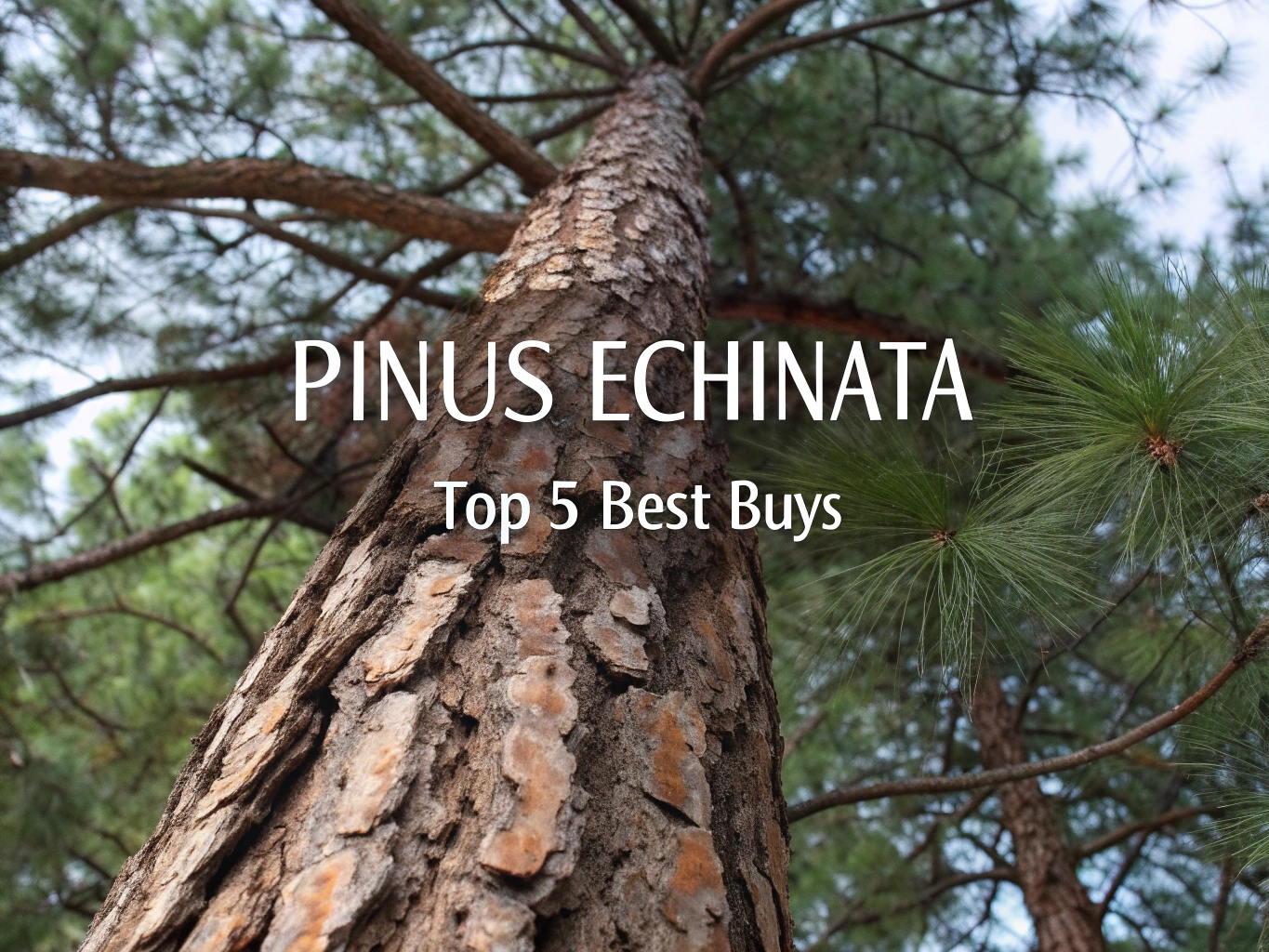
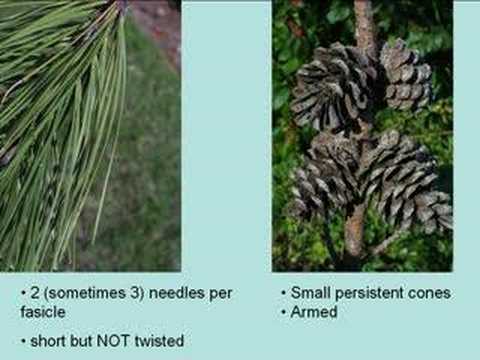
This Shortleaf Pine grows 50–100 feet tall with a straight trunk, blue‑green needles, and spined cones, making it a dependable native for many sites. Needles are usually in twos (sometimes threes), 2–5 inches long, and the bark becomes thick and plated with age for fire resilience.
| Trait | Details |
|---|---|
| Mature height | 50–100 ft (15–30 m) |
| Trunk diameter | 18–24 in (45–60 cm) |
| Needles | 2–5 in (5–12 cm), mostly 2 per fascicle (sometimes 3) |
| Cones | 1.5–2.5 in (4–6 cm), thin scales with short spines |
| Bark | Reddish-brown, forming scaly plates with age |
| Form | Straight stem; open pyramidal crown at maturity |
| Root system | Deep taproot; good wind firmness |
| USDA zones | 6–8 |
Natural Range and Distribution
The native range stretches from New York to Florida and west to Texas, with strong presence in the Ozarks and uplands of the Southeast; it favors sunny, well-drained sites for steady performance. Seeds travel roughly 200–300 feet on wind, helping stands fill gaps after disturbance.
Shortleaf pine spans the broadest natural range of any southeastern U.S. pine, thriving on upland, well-drained soils.
USDA FEIS: Pinus echinata
Growth Habits and Form
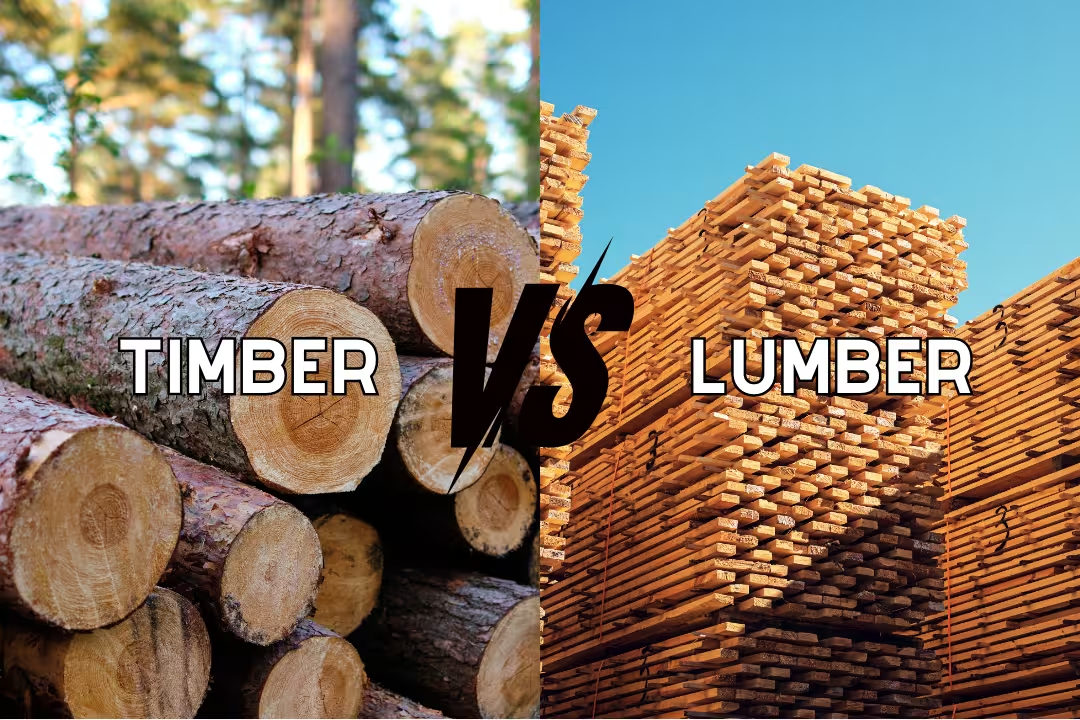
In forests, stems rise straight with clear lower boles; in harsh ridge sites, trees can be shorter with rugged movement—great for bonsai or habitat edges. Its deep taproot anchors trees for drought and wind, and the wood sits in the broader yellow pine group used widely in construction wood markets for structural value.
1. Propagation-Ready Seedlings and Bare-Root Trees
Nursery-Supplied Seedlings
Order certified seedlings for reforestation, acreage plantings, or home sites, then plant in full sun with well-drained soils for best establishment. Ask suppliers about cold stratification and current-year lifting so seedlings arrive fresh and ready to plant.
Regionally-Adapted Sources
Choose stock grown from seed in your region (zones 6–8) so timing of growth flushes and dormancy match local conditions. Your state Extension page is a quick reference on site fit and traits; see Oklahoma State Extension: Shortleaf Pine for a concise profile.
Size Options Available
Common choices include 1–0 or 2–0 bare‑root, container plugs, and larger liners; smaller stock often outgrows bigger plants after one or two seasons with proper care. For field planting, 1–0 seedlings are cost‑effective; for landscaping, plugs speed early growth.
2. Shortleaf Pine Bonsai Starters
Pre-Trained Specimens
Look for pre‑trained starters showing a pronounced basal crook, compact needles, and active back‑budding for faster styling and refinement. Favor trees with early wiring done on the first and second branches so you can focus on ramification in year one.
Raw Material Selection
For raw material, pick saplings with movement in the first 6–10 inches, strong apical vigor, and visible buds on interior wood to support future cuts. Community notes on Bonsai Mirai forum highlight good back‑budding and multi‑flush potential on this species.
Basal Crook Features
The species often forms a basal crook that creates natural taper and movement—perfect for rugged literati or compact shohin. Keep the first bend above soil line during repotting to showcase character while protecting the deep taproot.
3. Pine Bark and Extracts for Gardening
Horticultural Soil Conditioning
Fine pine bark improves drainage and aeration in potting mixes while buffering pH—use 10–40% by volume with perlite and composted matter. Screen bark to uniform size and pre‑moisten before blending to reduce dry pockets that slow rooting.
Mulch Applications
Apply 2–3 inches of pine bark mulch around new plantings, keeping it a few inches off the trunk to prevent moisture‑related issues. For aroma or color variation, some gardeners alternate with cedar wood mulch rings while keeping the root zone breathable.
Quality Sourcing
Buy bark that’s composted, screened, and free of contaminants; ask vendors for origin and particle size to match your use. Native plant guides such as Grow Native: Shortleaf Pine discuss habitat value that aligns with bark and mulch choices at home sites.
4. Care and Immune Support Supplements
Some gardeners explore conifer extracts for seasonal comfort; white pine products are common, while Pinus echinata items are less available. Review local guidance for safe use and sourcing; your state natural heritage pages list species traits and native ranges, such as the PA Natural Heritage factsheet with Shortleaf Pine notes.

White Pine Alcohol-Free Glycerite Extract
- Alcohol-free glycerite made from Pinus strobus bark
- Gentle liquid extract for easy dosing and tolerance
- Supports respiratory comfort and seasonal wellness
- Made in USA with natural herbal sourcing
- 4 fl oz bottle delivers multiple weeks of use
 Buy on Amazon
Related Coniferous Extracts
If you prefer conifer supplements, read labels for species name, extraction method (alcohol vs. glycerite), and third‑party testing. Start with small servings and keep your healthcare provider informed if you have sensitivities or take other products.
Respiratory Support Options
People often pair conifer extracts with steam, saline rinses, and rest; these basic steps help comfort during pollen‑heavy periods. Stop usage and seek care if any adverse response occurs, then select gentler formats such as low‑dose glycerites.
5. Specialty Conservation and Restoration Stock
Habitat Restoration Projects
For upland restorations, request seed lots from nearby eco‑regions and plant in clusters to mimic natural recruitment. Mix age classes and include native grasses or forbs to stabilize soils and reduce early pine competition for light.
Wildlife-Friendly Plantings
Shortleaf Pine seeds feed birds and small mammals, while older trees give cover and perch structure. Reference native plant groups such as Grow Native: Shortleaf Pine when planning mixes that boost food and shelter.
Ecosystem Conservation
Where historic shortleaf‑oak woodlands existed, stagger thinning and prescribed fire on multi‑year intervals to favor pine recruitment while protecting soils. Track regeneration after burns and adjust intervals if seedling height and needle color show stress from heat or drought.
How to Select Quality Pinus Echinata Stock
Disease-Free Certification
Ask for paperwork showing disease‑free status and nursery inspections, then reject bundles with discolored needles or sour odor. Skip lots with root mold or dried root tips; fresh, moist media and elastic roots signal healthy stock.
Taproot Development
For bare‑root, look for a straight, unbroken taproot with many fibrous laterals for quick uptake. In containers, choose deep cells or air‑pruned plugs that avoid circling roots and speed field establishment.
Climate Zone Considerations
Pick stock grown for USDA zones 6–8, matching your frost dates and rainfall pattern to reduce losses. In hotter zones, plant early fall; in cooler zones, late winter to early spring plantings boost first‑season survival.
Caring for Your Shortleaf Pine Purchase
Transplant Success Tips
Plant on a slight mound in heavy soils, set root collar at ground level, and water deeply after planting for strong start. Mulch lightly and stake only in windy spots; remove supports within a year to encourage trunk strength.
- Soak bare‑root bundles 1–2 hours before planting; keep roots shaded and moist onsite.
- Dig holes wide, not deep; spread laterals; avoid J‑rooting the taproot.
- Water 1–2 inches weekly in the first season; back off as roots establish.
- Hold fertilizer until you see new candles; use low‑salt formulations.
- Weed a 3–4 ft circle to reduce competition for light and moisture.
Fire Management Considerations
Shortleaf Pine tolerates fire better with age and thicker bark, but young stands need longer intervals between burns. Avoid prescribed fire where southern pine beetle pressure is high or where trees show littleleaf symptoms; shift to mowing or spot‑spraying.
Pest and Disease Prevention
Keep spacing adequate to lower humidity and needle disease, prune during dry weather, and remove slash to reduce beetle host. If candles stunt or needles brown, send samples for diagnosis and adjust irrigation or thinning to reduce plant stress.
For wood comparisons and use cases near patios or decks, browse quick guides on Douglas Fir wood and best wood for outdoor furniture to plan future site projects.
FAQs
What Are The Uses Of Pinus Echinata Wood?
Pinus echinata (shortleaf pine) produces strong, straight-grained softwood used for general construction (framing and boards), plywood and veneer, pulpwood for paper, fence posts, utility poles, pallets, and fuelwood; it is also used for some millwork and rustic furniture where a durable pine is acceptable.
How Can You Identify A Pinus Echinata Tree?
Identify Pinus echinata by its needles, which typically come in bundles of two (occasionally three) and are relatively short and slightly twisted, its scaly reddish-brown bark that becomes thicker and more plated with age, and its small ovoid cones; the species often has a straight trunk and persistent lower limbs on younger trees—consult a regional field guide to compare needle length and cone shape with similar pines.
Where Is Pinus Echinata Commonly Found?
Pinus echinata is native to the southeastern and south-central United States and is commonly found on dry uplands, ridges, sandy or rocky soils, and in mixed pine-hardwood forests; it is also planted in managed stands and reforestation projects across its native range.
What Are The Ecological Benefits Of Pinus Echinata?
Shortleaf pine provides habitat and food for birds, small mammals, and insects, helps stabilize soils on dry sites, supports early-successional forest communities, and is adapted to fire regimes that maintain healthy pine ecosystems; it also sequesters carbon and contributes to regional biodiversity.
How Fast Does Pinus Echinata Grow?
Growth is typically medium to fast: under favorable soils and moisture it can add roughly 1 to 2 feet of height per year and reach a commercially useful size within a few decades, though growth rates slow on poor, dry sites.