
Spanish Cedar: 5 Fascinating Facts Every Cigar Lover Should Know

Did you know the wood called spanish cedar is neither Spanish nor a true cedar? It grows in Central and South America and belongs to the mahogany family. Cigar makers value it for its aroma, its ability to regulate humidity, and its natural pest resistance. In this post we will share five clear facts about Spanish cedar and how to use it for humidors, lumber, sheets, and small projects.
Table of Contents
Spanish cedar blends beauty, aroma, and workability into a single wood that cigar fans and woodworkers love. This guide covers facts, uses, safety, and buying tips so you can pick and use it with confidence.
What Is Spanish Cedar? Botanical Facts and Origins
Cedrela odorata, known as Spanish cedar, isn’t a true cedar and it doesn’t come from Spain; it’s a mahogany relative prized for its scent and easy machining. For an in-depth species profile, see Wood Database — Spanish Cedar for technical data and range maps that back up these basics.
Cedar in Spanish is “cedro,” the standard term used across Latin America and Spain.
Common usage
Not Actually Spanish or True Cedar
True cedars are in the Cedrus genus, like Atlas cedar, while Spanish cedar lives in the Meliaceae family. The name stuck historically because its scent reminded traders of Old World cedar.
Native to Central and South America
Its natural range spans Mexico through the Amazon basin, thriving in tropical and subtropical forests. Plantations and managed forests now supply much of the market to support demand.
Part of the Mahogany Family
Spanish cedar shares family ties with mahogany, which explains its workability and warm color. This relationship also separates it from softwood cedars, outlined in our guide to cedar wood with very different botanical traits.
Physical Characteristics That Make Spanish Cedar Special
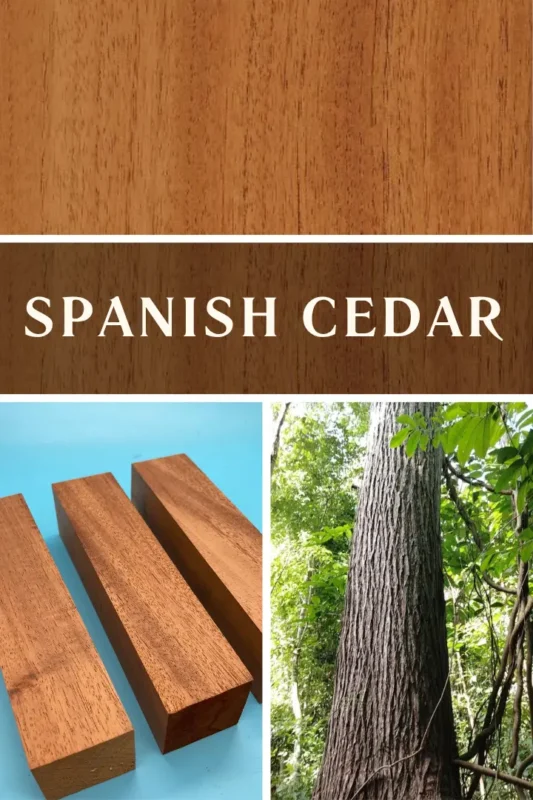
The heartwood runs from pale pinkish-brown to deeper red-brown, darkening with age, while sapwood stays lighter. Texture is moderately coarse with straight to slightly interlocked grain, giving a classic look many prefer. See a species overview from AdvantageLumber — Spanish Cedar for visual references and common sizes.
Distinctive Appearance and Grain
Fresh boards show a warm, rosy hue with ribbon-like figure when grain interlocks. Uniform sanding and light finishing highlight the grain without burying the wood’s character.
Lightweight Yet Durable Properties
Spanish cedar averages about 30 lb/ft³, so parts stay light without feeling flimsy. A Janka hardness near 600 makes it softer than oak, which aids cutting and shaping but asks for careful handling.
| Property | Typical Value |
|---|---|
| Botanical name | Cedrela odorata |
| Family | Meliaceae (mahogany family) |
| Air-dry density | ~30 lb/ft³ (480 kg/m³) |
| Janka hardness | ~600 lbf (2,670 N) |
| Grain | Straight to shallowly interlocked |
| Aroma | Cedar-like, persistent |
| Durability | Moderate; heartwood resists decay |
The Famous Cedar-Like Aroma
Naturally occurring oils give Spanish cedar its signature scent. That aroma deters insects and adds pleasant notes to spaces like closets, cases, and humidors.
Why Spanish Cedar Is Perfect for Humidors
Cigar collectors line humidors with this wood for stable humidity and a gentle, protective scent. A helpful vendor guide from J. Gibson McIlvain — Spanish Cedar discusses aroma, insect resistance, and common grades for cigar storage.
Natural Moisture Regulation Properties
The wood’s cellular structure helps buffer swings in humidity, keeping cigars from cracking or getting mushy. Thin planks and trays inside a humidor create a stable microclimate that supports slow, even aging.
Here are proven Spanish cedar planks many cigar hobbyists use for lining boxes, trays, and dividers.
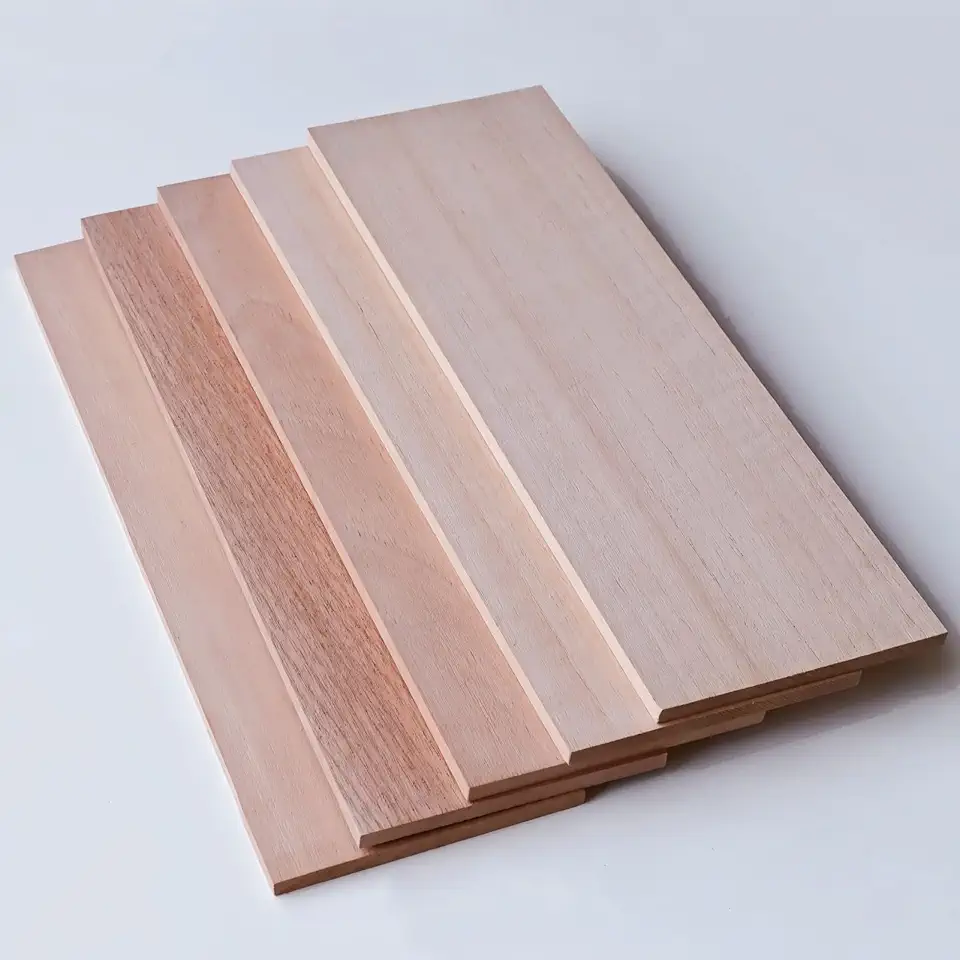
Spanish Cedar Planks (5-Pack) — 12 x 4 x 1/4 in
- Premium Spanish cedar for humidor lining and trays
- Helps stabilize humidity and protect cigars' aroma
- Smooth, sanded surface ready to trim and fit
- Natural insect-repellent properties for cigar storage
- Versatile for tupperdors, cabinets, boxes, and DIY projects
 Buy on Amazon

Solid Spanish Cedar Planks (4-Pack) — 12 x 3 x 1/4 in
- Solid, kiln-dried cedar—real wood, not veneer
- Smoothly sanded for immediate use in trays and dividers
- Naturally enhances cigar flavor and aroma
- Helps regulate humidity and prevent mold
- Easy to cut and customize for DIY humidors
Buy on Amazon
Spanish Cedar Planks (5-Pack) — 12 x 4 x 1/4 in
- Solid Spanish cedar boards for reliable humidor performance
- Kiln-dried to reduce warping and moisture issues
- Smooth, sanded surfaces for easy installation
- Enhances cigar aging with natural cedar aroma
- Perfect size for trays, dividers, and box liners
Buy on Amazon
Insect-Repelling Qualities
Aromatic compounds help ward off tobacco beetles and other pests. This natural deterrent reduces risk of infestation without chemical treatments.
Enhancing Cigar Flavor and Aging
Properly seasoned Spanish cedar can lend a light, pleasant cedar note that pairs well with many blends. Many aficionados say it supports slow maturation and preserves a cigar’s core aroma.
Woodworking Applications Beyond Cigar Storage
Spanish cedar shines in fine furniture, millwork, boat trim, and musical instruments thanks to its weight-to-strength ratio and workability. A practical overview from Osborne Wood — Species in Detail: Spanish Cedar covers common parts and finishing tips for home projects.
Furniture and Cabinetry Uses
Use it for frames, panels, drawer sides, closet linings, and casework. The aroma helps keep stored textiles fresh, while moderate decay resistance suits interior trim and door components.
Musical Instrument Construction
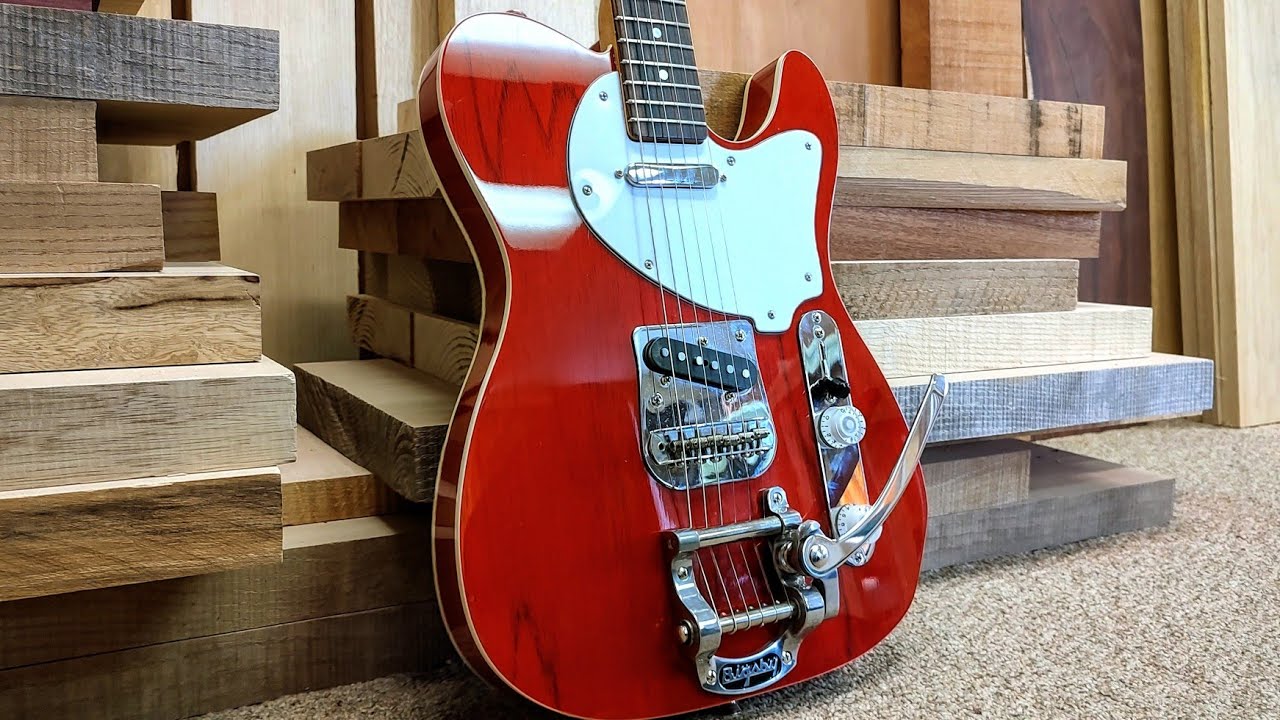
Luthiers select Spanish cedar for classical and flamenco guitar necks, blocks, and linings. Its light weight and stable seasoning support resonance and comfortable balance.
Marine and Outdoor Applications
Boatbuilders use it for brightwork, spars, and trim where low weight and moderate decay resistance help parts last with proper finish. For patio builds, compare it with other species in our guide to best wood for outdoor furniture.
Spanish Cedar Lumber and Sheets for Projects
You’ll find Spanish cedar as lumber, thin planks, veneers, and precision-cut sheets for humidors and small boxes. Thinner 1/4-inch stock is popular for lining and dividers because it’s light and easy to fit.
Working with Spanish Cedar Lumber
Keep cutters sharp and take light passes to reduce fuzzing. Pre-sand to 180–220 grit, raise the grain with a damp cloth, then finish-sand for a smooth surface.
Seal end grain to limit checking, and pre-drill near edges to avoid splits. Use quality dust collection since the fine powder can irritate your lungs.
Spanish Cedar Sheets and Veneer Options
Thin sheets and veneers install fast in humidors, jars, and travel cases while keeping weight low. For sheet-based builds and lining methods, see our overview of cedar plywood and compare panel strategies for small enclosures.
Here are handy veneer and sheet packs that cut cleanly and fit tight spaces.

Spanish Cedar Veneer Sheets (10-Pack)
- Thin, flexible sheets ideal for lining humidors and dividers
- Adds classic cedar aroma to improve cigar aging
- Easy to cut and shape for custom fits
- Lightweight option for tubes, jars, and small boxes
- Helps maintain a stable microclimate for cigars
Buy on Amazon

Spanish Cedar Veneer Strips (5-Pack)
- Thin veneer strips that fit jars and small humidors easily
- Infuses storage space with pleasant cedar aroma
- Flexible and simple to trim to size
- Ideal for quick lining or spot repairs in humidors
- Lightweight option that still aids humidity control
Buy on Amazon

Thin Spanish Cedar Sheets (10-Pack) — Large Size
- Large, thin sheets that are easy to cut and shape for humidors
- Flexible pieces ideal for dividers, liners, and tube wraps
- Adds authentic cedar aroma to improve cigar aging
- Lightweight and easy to install in tight spaces
- Ready-made pack to service multiple humidors or repairs
Buy on Amazon
Tips for Successful Projects
These simple tips help your next build go smoothly and look great.
- Acclimate boards for 48–72 hours in the target space for stable fits.
- Use sharp carbide to reduce tearout and “fuzzy” surfaces.
- Pre-seal end grain; sand to 220; apply thin, compatible finishes.
- Line humidors with unfinished Spanish cedar; avoid heavy film coats.
- Target 62–70% RH inside humidors; monitor with a reliable hygrometer.
Conservation Status and Sustainability Concerns
Spanish cedar faces pressure from habitat loss and past overharvest. Conservation listings and trade controls aim to protect remaining stocks; see Wood Database — Spanish Cedar for current IUCN and CITES notes used by many buyers.
IUCN Vulnerable Species Classification
The IUCN lists the species as Vulnerable, citing a population drop exceeding 20% over three generations. Stronger management and legal sourcing help support long-term availability.
CITES Trade Regulations
Several range countries place Spanish cedar in Appendix III to track and control exports. This paperwork helps verify legal harvest and origin across borders.
Sourcing Responsibly
Buy from suppliers who document legal origin and support certified or well-managed forests. Ask for country of harvest, chain-of-custody details, and kiln-drying specs to avoid moisture issues.
Working Safely with Spanish Cedar
Sawdust can irritate the nose and throat, so plan for good extraction. Most users work without trouble, but sensitive folks should reduce exposure and keep shops clean.
Health Considerations and Dust Protection
Wear a well-fitting mask or respirator and use dust collection at the tool. Sweep less and vacuum more to limit fine irritants in the air.
Best Practices for Workshop Safety
Push sticks, featherboards, and sharp blades increase control and cut quality. Keep first-aid supplies handy and store offcuts safely to prevent slips and splinters.
FAQs
What Are The Uses And Benefits Of Spanish Cedar Wood?
Spanish cedar (Cedrela odorata) is prized for humidor linings, cabinetry, musical instrument necks and lightweight furniture. It is aromatic, dimensionally stable, easy to work, and naturally resistant to some insects, making it ideal for applications that benefit from pleasant scent and reliable humidity control.
How Does Spanish Cedar Compare To Other Woods In Guitar Making?
Spanish cedar is often used for necks and internal components because it is light, stable, and produces a warm, responsive tone. Compared with mahogany it has a similar weight with a slightly different tonal character, while denser woods like rosewood offer more sustain and brightness; Spanish cedar gives quicker attack and a warm midrange favored in many classical and flamenco instruments.
Where Can I Buy Spanish Cedar?
You can buy Spanish cedar from specialty lumberyards, tonewood suppliers, humidor and cigar-supply shops, and online marketplaces such as Amazon, eBay, or dedicated instrument-wood retailers. Look for kiln-dried, properly graded stock and check provenance or certification when applicable.
Can Spanish Cedar Be Used Outdoors?
Spanish cedar can be used outdoors in sheltered or low-exposure situations if properly finished and maintained, but it is not as naturally decay-resistant as exterior-grade species like teak. To extend its outdoor life, keep it off the ground, apply suitable exterior finishes, and protect it from constant moisture.
Where To Buy Spanish Cedar For a Humidor?
For humidors, purchase Spanish cedar from humidor suppliers, cigar accessory retailers, or specialist wood vendors that sell Spanish cedar sheets and veneers. Verify the wood is true Spanish cedar (not a stronger-scented red cedar), is kiln-dried, and free of chemical treatments so it won’t negatively affect cigar flavor.