

What makes the western yellow pine such a popular choice for builders and landowners? It delivers strong, reliable wood, fast growth, and real value for wildlife. This post breaks down seven clear benefits. You’ll find simple uses and care tips to help with planting, wood selection, and site planning.
Table of Contents
Western yellow pine (Ponderosa pine) offers strength, beauty, and ecological value for builders, growers, and land stewards. This guide covers wood performance, uses, planting, and long-term care so you can make smart, evidence-based decisions.
1. Superior Strength and Durability
High Density Construction Performance
The yellow pine tree group—led by western yellow pine—offers higher density than many softwoods, which improves stiffness, screw-holding, and wear resistance. For project planning, review species traits in this quick primer on yellow pine types to match grades to your loads and finishes.
| Property | Western Yellow Pine | Practical Impact |
|---|---|---|
| Density | Medium–high for softwood | Better fastener grip and dent resistance |
| Dimensional Stability | Low shrink/swell after seasoning | Tighter joints for doors and trim |
| Workability | Planes, sands, and glues well | Smoother surfaces with fewer tool marks |
| Durability (treated) | Strong outdoor lifespan | Reliable decking and fencing performance |
Finish choices affect durability as much as species. Use end-grain sealers, film-forming exterior finishes, and stainless fasteners to reduce moisture cycling and improve long-term pest resistance.
Moisture and Pest Resistance
Heartwood contains natural compounds that slow decay, and pressure treatment pushes protection deeper for exterior builds. Elevate posts off soil, add capillary breaks, and keep 6–8 inches of ground clearance to reduce moisture traps and fungus risk.
Load-Bearing Capabilities
Western yellow pine carries framing loads well when you select the right grade and span. Use grade stamps, consult local span charts, and size members with your building code; for dimensional planning, check these sawmill lumber dimensions so cuts match your design and fastening plan.
2. Versatile Construction Applications
Structural Framing and Flooring
Builders choose western yellow pine for studs, joists, and subfloors that need reliable strength. Compare material choices with this practical guide to construction wood, and review Douglas fir if you need alternate span options or regional availability.
Paneling and Molding
Low movement after seasoning gives you crisp profiles for paneling, casing, and crown. To minimize blotch, apply a washcoat or gel-stain, sand to 180–220 grit, and top with a waterborne clear for a clean yellow tone.
Outdoor Projects and Landscaping
Treated stock suits decks, pergolas, and planters with routine maintenance. For design ideas, see this guide to the best wood for outdoor furniture, and consider cedar trim in high-splash zones to reduce maintenance.
3. Rapid Growth and Environmental Impact
Sustainable Forestry Benefits
Western yellow pine grows fast for a conifer, which supports shorter rotations and steady supply. Managed stands with selective thinning and replanting keep fiber flowing while conserving habitat; see the University of California overview on Ponderosa pine for distribution and management notes.
Carbon Sequestration Value
Growing trees store carbon in biomass, and harvested wood keeps some of that carbon locked in buildings. Use long-lived products (framing, flooring, trim) and maintain them well to extend the carbon “storage time” in your projects.
Biodiversity Support
Mosaic-age stands of western yellow pine create varied canopy layers for birds, small mammals, and beneficial insects. Plan mixed-age plantings and retain snags or downed logs where safe to promote wildlife use and nutrient cycling.
4. Traditional and Medicinal Uses
Native American Applications
Tribal practices used inner bark as a food source and resin as a topical for minor wounds. Needles and bark were brewed for steam or teas during seasonal respiratory issues, reflecting long-standing cultural knowledge.
Pine Resin Healing Properties
Pitch can be warmed with carrier oils and beeswax to make a field salve for scrapes or sore muscles. Patch-test first, avoid deep wounds, and consult a healthcare professional if you have allergies or chronic conditions.
Antimicrobial and Anti-inflammatory Benefits
Research on pine species reports antimicrobial and anti-inflammatory compounds in needles, bark, and resin; evidence varies by species and extract. For a concise review, see North Carolina State University’s paper on pine-tree medicinal potential (BioResources) and work with qualified practitioners for safety.
5. Ornamental and Landscaping Excellence
Windbreak and Reforestation Value
Fast juvenile growth and a tall, straight form make western yellow pine a solid anchor for windbreaks and large sites. Space trees 12–20 feet apart in rows, stagger plantings, and prune lower branches only as needed for clearance.
Adaptability to Diverse Climates
Ponderosa tolerates varied soils when drainage is decent, from sandy loams to decomposed granite. Mulch 2–3 inches out to the dripline, water deeply but infrequently after establishment, and protect young trees from weed competition.
Companion Planting Options
Understory choices include drought-tolerant ferns, native grasses, yarrow, and pollinator-friendly perennials that handle light shade. Avoid thirsty species under mature canopies to reduce irrigation demand and root stress.
Here are seed options that growers use for trials, landscaping, and restoration projects.

Ponderosa Pine Seeds (30) — Western Yellow Pine
- Small trial pack of 30 seeds ideal for beginners
- High potential for tall, straight growth suited to landscapes and reforestation
- Suitable for western climates and adaptable to various soils
- Great for grafting, windbreaks, or ornamental plantings
- Easy-to-follow sowing tips for better germination success
 Buy on Amazon

Ponderosa Pine Seeds — 1 oz Pack
- Generous 1 oz pack ideal for larger planting projects and trials
- High seed count suitable for reforestation and landscaping
- Good germination potential with proper stratification
- Seeds supplied by MySeeds.Co with quantity selection
- Clear planting guidance for best establishment
Buy on Amazon

North Plateau Ponderosa Pine Seeds — Trial Pack
- Seeds selected for tall, straight-growth form ideal for reforestation
- Trial packet size perfect for testing site suitability
- High-quality seeds from MySeeds.Co with clear quantity options
- Good for landscaping, windbreaks, and habitat restoration
- Includes planting tips to improve germination rates
Buy on Amazon
6. Ecosystem and Wildlife Contributions
Wildlife Habitat Support
Western yellow pine stands feed and shelter songbirds, woodpeckers, squirrels, and ungulates. Retain diverse structure—young, mid, and mature trees—to keep food and cover available across seasons for biodiversity.
“Ponderosa pine is the most widely distributed pine in North America.”
University of California ANR
Soil Health and Hydrology
Deep roots stabilize slopes, and a healthy litter layer moderates soil temperature and moisture. Add coarse woody debris and manage foot traffic to reduce compaction and improve infiltration.
Pollinator and Insect Benefits
Pines support beneficial insects and provide habitat edges where diverse wildflowers thrive. Plant native forbs along stand margins to extend bloom time and feed local pollinators.
7. Distinctive Aesthetic Appeal
Visual Characteristics
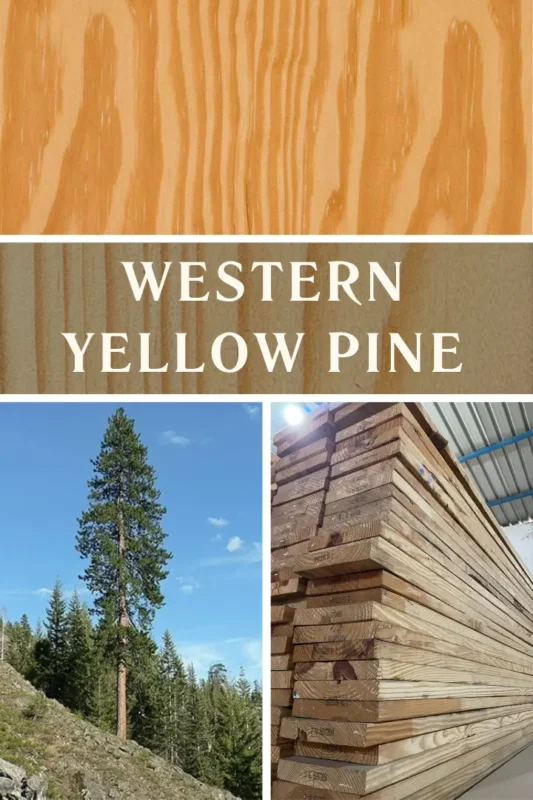
Tall, straight trunks, puzzle-like orange bark plates, and long needles create a signature look. Use staggered groupings and framed views to highlight silhouette and seasonal light patterns.
Wood Color and Grain
Warm yellow to light orange tones with even grain suit rustic and modern interiors. For color consistency, order from one mill when possible and test finishes on offcuts before full project application.
Landscape Feature Value
As a specimen or grove, western yellow pine adds height, shade, and motion. Pair with boulders, native grasses, and low-voltage lighting to magnify evening ambience and site depth.
Health Management and Pest Control
Common Disease Threats
Watch for dwarf mistletoe (witches’ brooms), blue-stain fungi, and root issues in overwatered sites. Prune during dry weather, sanitize tools, improve airflow, and remove heavily infested hosts to protect stand vigor.
Pine Bark Beetle Prevention
Bark beetles target drought-stressed or storm-damaged trees, so prevention focuses on vigor. Irrigate during prolonged dry spells, thin for spacing, and promptly process storm debris to reduce attractants; for an overview, see the U.S. Forest Service guidance on western bark-beetle risk (fs.usda.gov).
- Keep 10–15 feet of spacing between crowns to lower competition and stress.
- Water deeply during multi-week droughts; avoid frequent shallow irrigation.
- Chip or remove fresh slash within 2–3 weeks to limit breeding material.
- Use preventive trunk sprays only where local foresters recommend them.
- Monitor monthly in warm seasons for pitch tubes and boring dust.
Integrated Management Practices
Build a yearly plan: winter inspections and pruning, spring soil tests and mulch refresh, summer irrigation checks, and fall fuel reduction. Landowners who track health metrics—growth, canopy density, and stress signs—make faster, better decisions and reduce losses.
Helpful references for field diagnosis and mitigation are listed below.

Bluing & Red Rot of Western Yellow Pine
- Examines bluing and red rot symptoms and causes in western yellow pine
- Identification tips to recognize affected timber early
- Analysis of effects on wood quality and value
- Recommendations for prevention and timber handling
- Historical case studies from the Black Hills Forest Reserve
Buy on Amazon

Western Pine Bark-Beetle: Pest Study
- Comprehensive look at bark-beetle biology and behavior
- Explains attack patterns and seasonal life cycles
- Practical guidance on control and mitigation strategies
- Highlights impacts on forest health and timber resources
- Useful reference for foresters and entomologists
Buy on Amazon

Western Yellow Pine Mistletoe — Impact & Control
- Detailed study of mistletoe effects on western yellow pine growth and vigor
- Describes symptoms and long-term impacts on timber yield
- Practical control and management recommendations for landowners
- Emphasis on maintaining forest health and productivity
- Useful for extension services and forest managers
Buy on Amazon
Extra Building Resources
Planning a bigger project with western yellow pine? Browse these practical guides on yellow pine and framing-grade construction wood to match material specs to your budget and timeline.
FAQs
What Are The Uses Of Western Yellow Pine Wood?
Western Yellow Pine Is Used For Structural Lumber, Framing, Flooring, Trim, Furniture, Millwork, Plywood, And Utility Poles. Its Straight Grain And Good Strength Make It Popular For Construction, While Its Workability And Finishing Qualities Suit Cabinets, Doors, And Interior Trim. It Can Also Be Used For Decking, Pallets, And Pulpwood When Lower Grades Are Required.
How Can You Identify A Western Yellow Pine Tree?
You Can Identify A Western Yellow Pine By Its Long, Yellowish-Green Needles Typically In Bundles Of Two (Occasionally Three), Its Thick, Orange-Brown To Dark Plate-Like Bark On Mature Trees, And Its Egg-Shaped Cones. The Trunk Is Often Straight And Tall, And Fresh Cut Wood May Have A Slight Resinous Or Vanilla Scent. For Accurate Identification Check Needle Count, Cone Shape, Bark Texture, And Local Range With A Field Guide.
What Is The Difference Between Western Yellow Pine And Ponderosa Pine?
“Western Yellow Pine” Is A Commercial Timber Name That Often Refers To Ponderosa Pine And Related Species, Whereas Ponderosa Pine Is A Specific Species. In Practice, Western Yellow Pine May Include Similar Pines With Slight Variations In Grain, Color, And Knot Patterns. Ponderosa Pine Has Distinctive Two-needle Fascicles (sometimes three), Characteristic bark Patterns, And A Defined Natural Range, So The Main Difference Is That One Term Is A Market Name And The Other Is A Botanical Species.
Is Western Yellow Pine Good For Firewood?
Western Yellow Pine Lights Easily And Produces Good Heat When Well-Seasoned, So It Can Be Good Firewood For Quick Warmth. However, It Burns Faster Than Many Hardwoods, Can Spark And Produce More Creosote Because Of Higher Resin Content, And Leaves Fewer Long-Lasting Coals. Season For At Least Six To Twelve Months, Use It In A Properly Maintained Stove Or Fireplace, And Clean Chimneys Regularly.
Where Do Western Yellow Pine Trees Typically Grow?
Western Yellow Pine Species Grow Across Western North America, From British Columbia And The Pacific Northwest South Through California And Into Interior Mountain Ranges And Plateaus In The United States And Mexico. They Prefer Sunny, Well-Drained Sites On Low To Mid Elevations, Often Occupying Drier Slopes, Open Forests, And Rocky Sites.