
Can you tell a honey locust from a black locust at a glance? They look similar, but key features set them apart. Check the thorns, leaves, bark, and pods. This short guide makes it easy to know which tree you have.
Table of Contents
Confused by honey locust vs black locust? This guide breaks down the traits you can spot fast, so you pick the right tree with confidence.
Use this side-by-side guide to compare thorns, bark, leaves, pods, growth habits, and common uses, then confirm your ID with one or two key traits.
Key Botanical Classifications and Family Differences
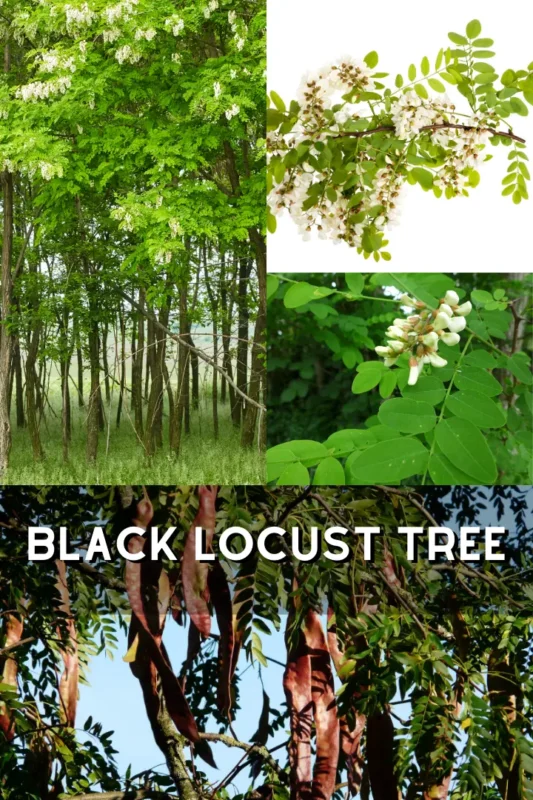
Both trees sit in the legume family Fabaceae, yet they split at the genus level: honey locust is Gleditsia triacanthos and black locust is Robinia pseudoacacia, a big clue for plant geeks and tree ID learners. Black locust shows hanging, fragrant white flower clusters, while honey locust flowers look smaller and less showy, a difference you can spot in late spring (Everything You Need to Know About Locust Trees).
Thorn Characteristics: Size and Placement Patterns
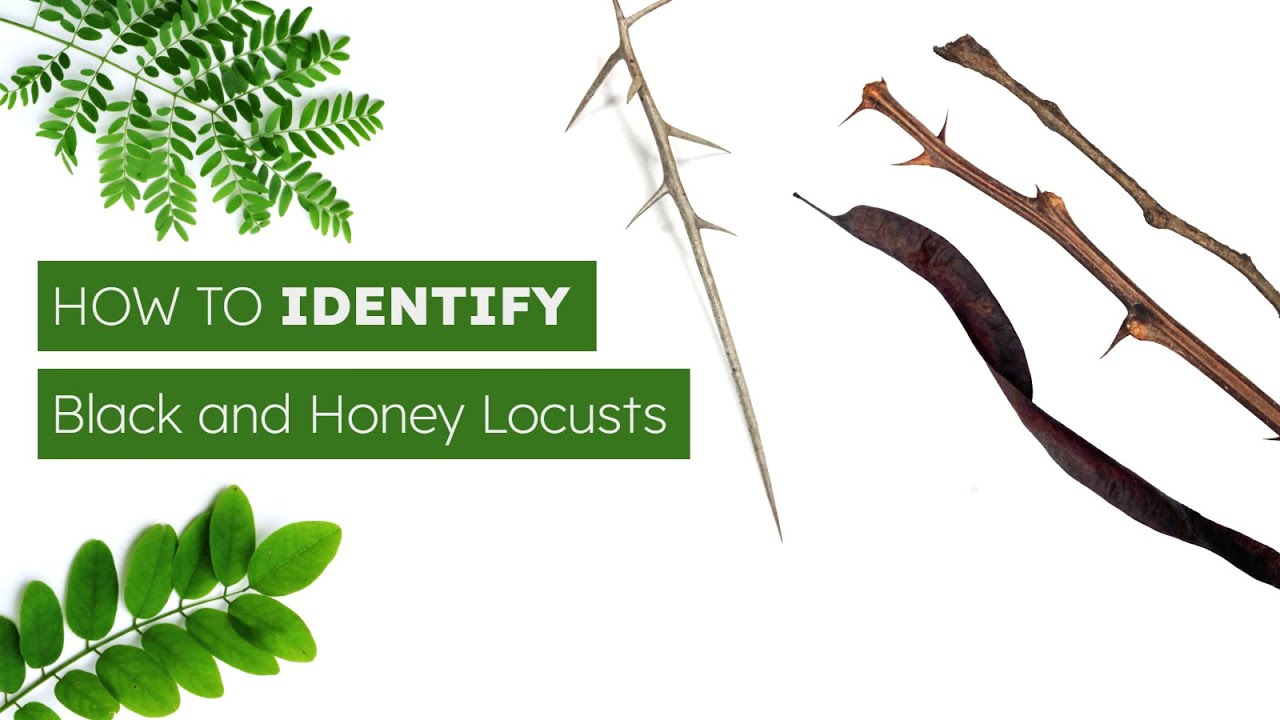
Thorns give the fastest clue: honey locust carries long, branched clusters on trunks and limbs in wild trees, while black locust sticks to tiny paired prickles near leaf bases on young shoots. Urban plantings of honey locust often use thornless cultivars, so check other traits if you see a smooth, thorn-free trunk.
Honey Locust Thorns
Wild honey locust often shows large, branched thorns that can top 4 inches and cluster on trunks and older branches. Park or street trees usually come from thornless or seedless lines, which makes city maintenance safer while keeping the light, dappled shade people like.
Black Locust Thorns
Look for small, paired prickles at the base of each leaf, often under 2 inches and rose-like in shape. They show up most on young twigs, while older trunks focus more on deep furrows than spines (Redemption Permaculture).
Bark Texture and Growth Habits
Bark Appearance Differences
Black locust bark runs dark gray to brown with deep furrows and interlacing ridges, sometimes showing a reddish cast in the cracks. Honey locust bark trends smoother and can carry scattered, big thorns on wild trees, while many urban trees stay clean and unarmed.
Growth and Lifespan Patterns
Honey locust grows fast and shines in tough sites, though it lives shorter on average than black locust, which can reach 75–100 years. Black locust forms colonies by root suckers and seed, so you may see clumps spreading along fields and old fence rows.
“Black locust spreads by both seed and underground runners, creating thickets in favorable sites.”
Redemption Permaculture
Wood choice and site goals affect planting; for rot-resistant projects, many woodworkers like black locust wood, while city planners pick honey locust for quick shade and fewer heavy limbs.
Leaf Structure and Foliage Comparison
Leaflet Size and Shape
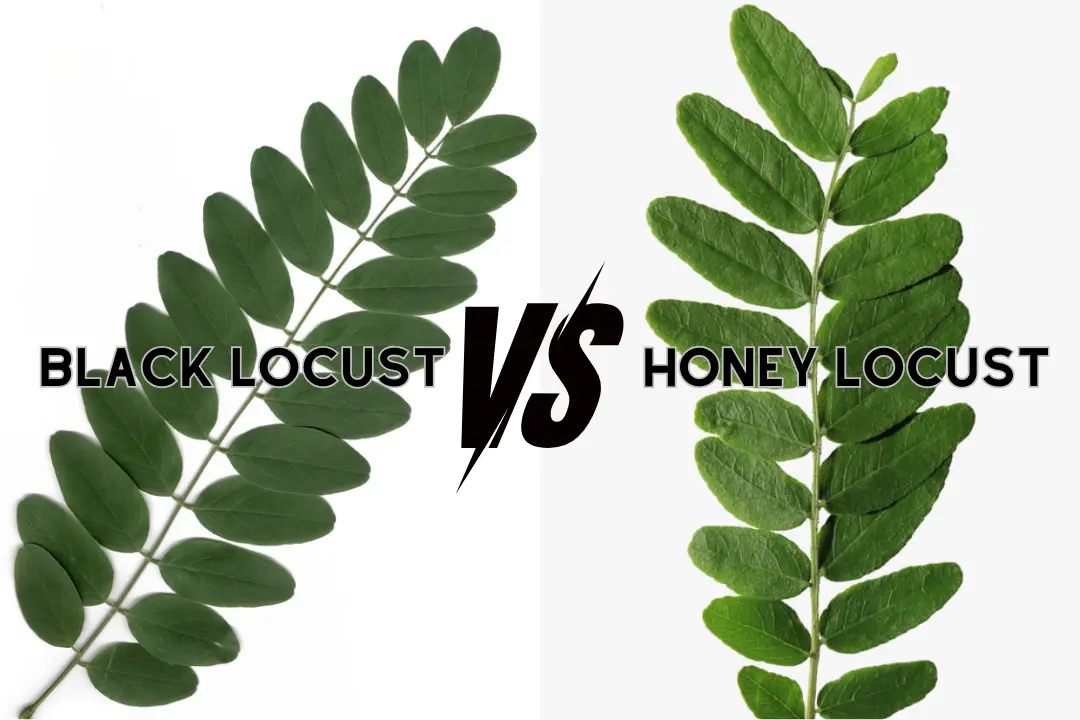
Honey locust leaflets run small, narrow, and elongated, giving the canopy a fine texture and airy feel. Black locust leaflets grow larger and more oval, so the canopy looks denser and casts a smoother, more even shade.
Texture and Color Variations
Honey locust leaflets often look glossy, while black locust leaflets read matte or silky, a quick field clue on a sunny day. Spring color shows fresh light green on both, but species and cultivar shift tone and sheen in subtle, repeatable ways (Fragrant Earth blog).

50 Black Locust (Robinia) Seeds — Fast-Growing Trees
- 50 seeds for multiple plantings and projects
- Hardy, fast-growing trees that establish quickly
- Fragrant spring blooms attract bees and pollinators
- Nitrogen-fixing roots improve poor soils and fertility
- Great for windbreaks, erosion control, and ornamental use
 Buy on Amazon

3 Black Locust Starter Plugs — Ready to Plant
- Young plugs for quick establishment in your landscape
- Ideal for hedges, privacy screens, or reforestation projects
- Sweet-scented blossoms attract pollinators and wildlife
- Nitrogen-fixing habit improves surrounding soil health
- Follow local state restrictions before planting
Buy on Amazon

25 Black Locust Tree Seeds — Fragrant Ornamental Variety
- 25 premium seeds for home gardens and parks
- Fast-growing deciduous trees with fragrant, showy flowers
- Attractive landscape specimen for yards and public spaces
- Low-maintenance once established and drought-tolerant
- Supports pollinators and improves biodiversity
Buy on Amazon
Seed Pod Identification Features
Pod Length and Shape
Honey locust pods grow long and twisted, often 12–18 inches, starting lime green and maturing to rich reddish brown in the fall. Black locust pods stay short and flat, about 2–4 inches, and turn dark brown when ripe, an easy size contrast you can spot from the ground.
Seed Count and Reproduction Methods
Expect many seeds per honey locust pod, often up to a dozen or more, which helps spread in open sites. Black locust pods carry fewer seeds yet make up for it with aggressive root suckers, which build dense stands along edges and slopes.
Habitat Preferences and Landscape Uses
Urban vs Rural Applications
City plans often feature honey locust for fast shade, light leaf litter, and high tolerance of salt, compaction, and pollution. Rural projects lean toward black locust for fence posts, erosion control, bee forage, and durable lumber; it’s a good pick for outdoor builds compared with many species on this list of best wood for outdoor furniture (Everything You Need to Know About Locust Trees).
Soil Adaptability and Hardiness
Both handle a wide soil range and cold winters, with many plantings thriving from USDA Zone 4 and up, which suits large parts of the U.S.. Black locust fixes nitrogen and improves poor soils, while honey locust stays flexible in tough urban spots and compacted ground.
Quick Reference: Honey Locust vs Black Locust
Primary Identification Points
Use this short list to lock a fast ID in the field, then confirm with pods or bark.
- Thorns: Long, branched on trunk/branches (honey locust) vs small, paired at leaf bases (black locust).
- Pods: Very long and twisted (honey locust) vs short and flat (black locust).
- Leaves: Small, narrow, glossy leaflets (honey locust) vs larger, oval, matte leaflets (black locust).
- Bark: Smoother, less furrowed (honey locust) vs deep, interlaced furrows (black locust).
- Habit: Fast urban shade tree (honey locust) vs colony-forming, long-lived timber/bee tree (black locust).
Ecological and Landscape Value
Match the species to your site goals and safety needs, then factor in pods, suckering, and local rules about invasiveness. For related dry-site options and BBQ woods, see mesquite wood and honey mesquite for context and uses.
| Feature | Honey Locust | Black Locust |
|---|---|---|
| Genus | Gleditsia | Robinia |
| Thorns | Long, branched; trunk and branches (wild types) | Small, paired at leaf bases; most on young growth |
| Bark | Smoother; fewer deep furrows | Deeply furrowed, dark gray-brown |
| Leaves | Small, narrow, often glossy leaflets | Larger, oval, matte/silky leaflets |
| Flowers | Small, less showy | Showy, fragrant white racemes |
| Seed Pods | 12–18 in, twisted; many seeds | 2–4 in, flat; fewer seeds |
| Spread | Mainly by seed | Seeds and root suckers (colonies) |
| Lifespan | Shorter, fast grower | Longer lived (75–100 yrs) |
| Common Uses | Urban shade, street tree | Fence posts, erosion control, bee forage, lumber |
| Hardiness | Cold hardy; urban tolerant | Cold hardy; thrives in poor soils |
FAQs
What Are The Differences Between Honey Locust And Black Locust Trees?
Honey locust (Gleditsia triacanthos) and black locust (Robinia pseudoacacia) Differ In Several Ways: Honey Locust Often Has Larger, More Numerous Leaflets (Sometimes Bipinnate), Long Flattened Pods, And Prominent Thorns On Wild Types; Black Locust Has Fewer Leaflets, Showy Fragrant White Pea-Like Flower Clusters, Shorter Pods, And Deeply Furrowed Bark. Black Locust Is A Nitrogen-Fixer With Very Dense, Rot-Resistant Wood, While Honey Locust Is Valued For Its Open, Filtered Canopy And Many Thornless Cultivars Suited To Urban Planting.
Which Locust Tree Is More Suitable For Firewood, Honey Locust Or Black Locust?
Black Locust Is Generally Considered Superior For Firewood Because Its Wood Is Very Dense, Burns Hot And Long, Produces Excellent Coals, And Sparks Less Than Many Hardwoods. Honey Locust Also Makes Good Firewood But Is Typically Less Dense And May Not Burn As Long. Both Need Proper Seasoning For Best Results.
How Can You Tell A Honey Locust From A Black Locust?
Look For These Key ID Features: Honey Locust Often Has Many Small Leaflets (Sometimes Bipinnate), Long Flat Pods, And In Wild Trees Large Branched Thorns On Trunks And Branches (Most Cultivars Are Thornless). Black Locust Has Fewer, Larger Leaflets, Clusters Of Fragrant White Pea-Flowers In Spring, Shorter Pods, And Deeply Furrowed, Ridged Bark. Flowers, Pod Shape, Leaflet Count, And Presence Or Absence Of Thorns Are The Fastest Field Clues.
Are Honey Locust And Black Locust Trees Invasive?
Both Species Can Naturalize Outside Their Native Ranges. Black Locust Is Often More Aggressive: It Spreads Readily By Root Suckers And Seed And Can Become Invasive In Grasslands Or Disturbed Sites. Honey Locust Can Also Naturalize, Especially From Seed, But Thornless Cultivars Used In Landscaping Tend To Spread Less. Check Local Invasive Species Lists Before Planting.
Which Locust Tree Is Better For Landscaping, Honey Locust Or Black Locust?
Honey Locust (Especially Thornless Cultivars) Is Typically Preferred For Urban And Residential Landscaping Because Of Its Light, Filtered Shade, Good Tolerance Of Urban Conditions, And Cleaner Appearance. Black Locust Offers Attractive Fragrant Flowers And Strong Wood But Can Sucker, Self-Seed, And Be More Problematic In Managed Landscapes. Choose Cultivars And Planting Locations Based On Maintenance Needs And Invasiveness Risk.