

What is Engelmann spruce, and why do builders, musicians, and gardeners care? This tall evergreen gives light, strong wood that makes clear-sounding guitar tops. It also works well as lumber, pulp for paper, a fragrant oil, and a key tree for reforestation. Read on to see five uses you can try and easy tips to get started.
Table of Contents
Engelmann spruce is a high-altitude North American conifer prized for tonewood, timber, landscaping, and restoration work. If you’re asking what is engelmann spruce, this guide explains its traits, uses, care, and buying tips in clear steps.
What Is Engelmann Spruce
This species, Picea engelmannii, grows as a medium to large evergreen with a spire-like crown, bluish-green needles, and thin, scaly bark; it thrives in cold mountain zones across western North America.
Botanical Characteristics
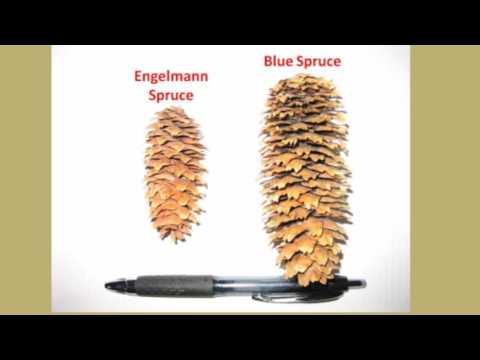
Needles measure 15–25 mm, curve slightly, and show fine white dots; they smell resinous when crushed, giving a fresh conifer aroma. Cones are 3–7 cm, cylindrical, with yellow-brown scales and bracts that open in autumn, while overall form stays dense and symmetrical (see the NRCan factsheet).
Bark stays thin and scaly on young trees, then breaks into shallow furrows with age; branches sweep downward slightly, giving a graceful profile in snowy sites.
Native Habitat and Distribution
You’ll find it from British Columbia through the Rockies into high-elevation forests of the U.S., favoring cold, moist sites in subalpine and montane belts; seedlings show good shade tolerance but react poorly to hot, dry exposure during early years; mature stands often form with firs and other cold-adapted conifers.
Growth Patterns and Lifespan
Trees can reach 50–60 m in height and about 1 m in diameter, grow steadily for centuries, and hit peak seed output between 150–250 years; seedlings establish best under about 40–60% shade at higher elevations, which protects them from heat and drought.
| Trait | Typical Value/Note |
|---|---|
| Maximum height | 50–60 m |
| Diameter at maturity | Up to ~1 m |
| Lifespan | Up to ~300 years |
| Seed production peak | 150–250 years |
| Best seedling shade | ~40–60% at high elevations |
1. Musical Instrument Soundboards (Tonewood)
Why Luthiers Choose Engelmann Spruce
Builders like its high stiffness-to-weight ratio, quick response, and low damping, which help a top “wake up” at light touch; this makes it a favorite tonewood for fingerstyle and nuanced playing (see Picea engelmannii for general context). Premium sets can be very consistent across the grain, promoting a strong, balanced voice.
Tonal Qualities and Sound
Expect a warm yet clear sound with quick attack, sweet trebles, and supportive lows; many describe it as slightly softer than Sitka but more responsive at light touch, which suits expressive dynamics and studio recording.

Engelmann Spruce Guitar Tops — Tonewood Pack
- Premium Engelmann spruce wood selected for guitar tops
- Known for balanced, warm tone and clear projection
- Ideal for dreadnought and steel-string acoustic builds
- Carefully graded pieces suitable for luthiers and repairs
- Enhances resonance and responsiveness of the instrument
 Buy on Amazon
Popular Instruments
Common uses include steel‑string and classical guitars, mandolins, and violins where builders want sensitivity and nuanced dynamics. Many luthiers pair Engelmann spruce for guitars with rosewood or mahogany back-and-sides; some also compare it with cedar wood tops for a warmer edge at low volume.
2. Lumber and Pulp Production
Construction Applications
Engelmann spruce timber sees use in framing, light structural work, sheathing, and interior trim where straight grain and easy machining speed up jobs; it works well for studs and joinery stock. For structural choices and grading basics, see this primer on construction wood.
Paper Manufacturing Benefits
Pulp mills value its long tracheids and low resin, which yield strong, smooth paper with fewer pitch issues; the light color helps produce bright sheet without heavy bleaching, supporting softwood pulp output (see species profile at naturallywood.com).
Wood Properties
Key Engelmann spruce wood properties include light weight, fine uniform texture, straight grain, and moderate natural strength for its mass; it glues, planes, and finishes cleanly with sharp tools, making it reliable for precision work. For comparisons in framing, some builders also reference Douglas fir wood for higher strength classes.

Engelmann Spruce — Properties, Uses & Production
- Comprehensive overview of wood properties and characteristics
- Examination of industrial and traditional uses
- Production and silvicultural practices explained
- Useful technical reference for foresters and woodworkers
- Classic reprint for historical and practical insight
Buy on Amazon
3. Landscape and Ornamental Use
Garden Design Applications
Its narrow, steeple form delivers a vertical accent and winter color in mixed borders, rock gardens, or as a focal point; allow space for the base flare and plan views so the blue-green needles read as a year-round feature.
Climate Adaptability
This species thrives in cold, high-elevation climates and prefers cool, moist soils; young trees dislike heat and drought, so site selection and irrigation matter during establishment per the BC species compendium. In colder zones, it can anchor a conifer grouping with strong winter interest.
Ornamental Varieties
Gardeners seek weeping and compact selections for small-space plantings, containers, and specimen use; look for named forms with deep blue cast or pendulous habit to create a striking accent near paths or patios.
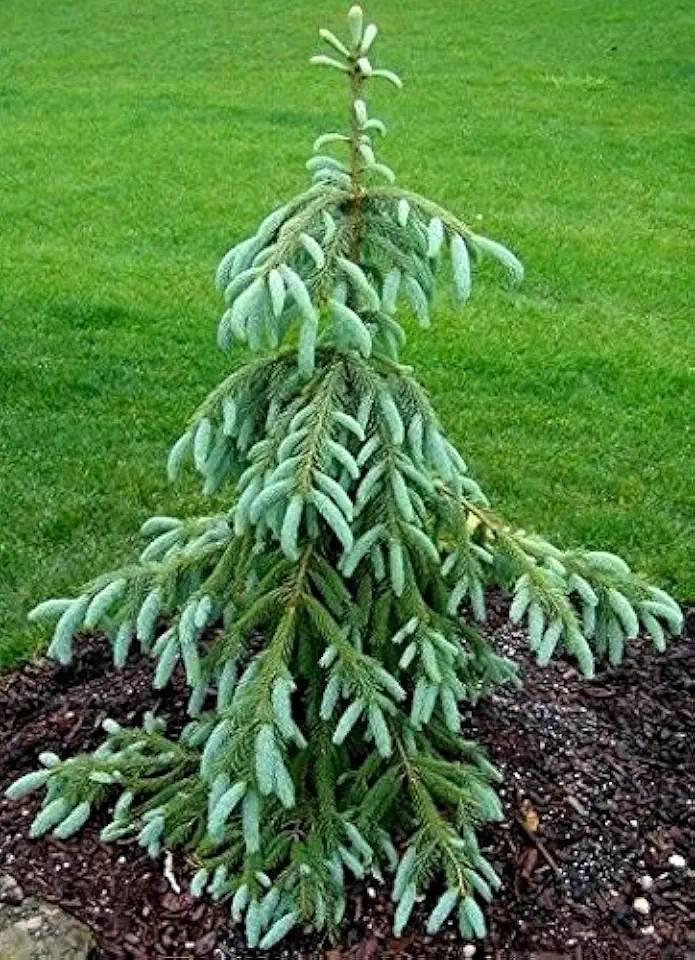
Weeping Engelmann Spruce 'Bushes Lace' Live Plant
- Graceful weeping form adds year-round evergreen interest
- Compact size ideal for small gardens and borders
- Hardy mountain species suited to cooler climates
- Low-maintenance once established
- Excellent focal plant for landscape accents
Buy on Amazon
4. Aromatherapy and Essential Oils
Therapeutic Properties
Engelmann spruce essential oil offers a fresh, pine-like scent that many use to relax, support breathwork, and freshen rooms; avoid ingestion, dilute for skin use, and patch test first to keep routines skin-friendly.
Usage Methods
Try 3–6 drops in a diffuser, a few drops in bath blends with Epsom salt, or steam inhalation over warm water; pair with citrus, cedar, or lavender to round the profile and create a woodsy ambiance.

Engelmann Spruce Essential Oil 5ml — Organic
- 100% pure organic Engelmann spruce essential oil
- Fresh, calming pine aroma ideal for diffusion
- Small 5ml bottle perfect for travel or trial use
- Can enhance relaxation and create a woodsy ambiance
- Suitable for aromatherapy blends and inhalation (follow usage guidelines)
Buy on Amazon
Scent Profile
Expect bright conifer top notes, gentle balsamic mids, and a clean drydown; compared with black spruce, Engelmann can read lighter and slightly sweeter, making it easy to blend for a calming diffuser mix.
5. Restoration and Reforestation Projects
Ecological Benefits
Projects use Engelmann spruce to stabilize slopes, rebuild cold forest structure, and provide food and cover for wildlife; its shade tolerance helps it fill in microsites under partial canopy, boosting stand resilience.
Shade-tolerant spruce can establish under partial cover at high elevations, improving regeneration success in harsh sites.
Field guidance
Planting Techniques
Target cool aspects and moist soils, plant early in the season, and maintain 40–60% shade for sensitive seedlings when feasible; control competing weeds, water during dry spells, add mulch, and protect from browsing to lift first‑year survival while planting Engelmann spruce.
These field references on planting and establishment are helpful for growers and land managers:

Field Guide to Planting Engelmann Spruce
- Practical planting techniques for Engelmann spruce seedlings
- Guidance on site selection and soil preparation
- Tips for handling and transplanting young trees
- Best practices to improve survival rates
- Classic field guide reprint for land managers and growers
Buy on Amazon

Planting Engelmann Spruce — Classic Guide
- Guidance on effective planting and establishment techniques
- Historical perspective on plantation methods
- Seedling care and handling recommendations
- Site preparation and maintenance tips for best survival
- Useful classic reference for forestry practitioners
Buy on Amazon
Conservation Importance
Maintaining genetic diversity across elevations and aspects helps forests adapt; mixed-species replanting and protection from early-stage drought and fire risks support long-term ecosystem health.
Care and Disease Management
Common Diseases and Pests
Key risks include spruce bark beetle, root and heart rots, and cone rusts; seedlings are sensitive to heat and drought, and fire can damage thin bark, so young stands need thoughtful risk reduction measures (see the USDA Plant Guide).
- Spruce bark beetle: monitor trap catches; remove windthrow promptly.
- Root diseases: avoid waterlogged sites; improve drainage where possible.
- Red ring/heart rots: harvest at rotation ages that limit cull.
- Cone rusts: diversify seed sources and monitor cone crops.
- Abiotic stress: protect young trees from hot, dry exposure.
Prevention Strategies
Pick cool, moist microsites, space to promote airflow, prune lower branches in young stands, and remove dead material quickly; limit wounding during operations, keep equipment clean, and favor mixed stands to reduce single-host pressure.
Research Resources
Foresters and researchers benefit from classic decay and pathology texts that document rot types, field symptoms, and control timing; use these resources to plan surveys, sampling, and treatment windows.

Decay of Engelmann Spruce — Classic Study
- Detailed field research on spruce decay processes
- In-depth analysis useful for foresters and researchers
- Historical data from Blue Mountains of Oregon and Washington
- Technical insights into disease and wood rot
- Reprinted classic valuable for reference libraries
Buy on Amazon
Engelmann Spruce in Art and Decor
Nature Photography
Photographers often highlight subalpine stands in national parks, producing vivid Engelmann spruce art print options that pair well with rustic, Nordic, or minimalist rooms for a clean, nature-forward look.
Explore these popular fine‑art prints that feature Engelmann spruce landscapes:

Yellowstone Engelmann Spruce Art Print
- High-quality giclee print with vivid color reproduction
- Archival inks and paper for long-lasting display
- Multiple size options to fit any space
- Unframed and ready for custom framing
- Striking landscape photography that captures Yellowstone scenery
Buy on Amazon

String Lake Engelmann Spruce Art Print
- Museum-quality giclee print with rich tonal detail
- Available in several customizable sizes
- Printed on archival paper for durability
- Unframed for versatile display and framing choices
- Evocative nature scene perfect for home or office
Buy on Amazon

Grand Tetons Engelmann Spruce Print
- Stunning high-resolution photograph of Tetons landscape
- Custom size options to suit any room
- Giclee printing ensures sharp detail and color fidelity
- Unframed for flexible presentation and framing
- Ideal focal piece for nature lovers and collectors
Buy on Amazon
Home Decoration
Choose sizes that match wall scale, use neutral frames for a gallery wall, and light prints with 3000–3500K lamps to keep colors warm; pair with natural wood furniture such as spruce, fir, or pine tones.
Landscape Art
Painters and digital artists capture the tree’s spire and cool needle color; these motifs complement cabins, ski homes, and biophilic offices where a calm, alpine visual theme fits the space.
For broader building material context, compare framing choices with yellow pine or panel upgrades like cedar plywood to match your project needs and finish goals.
FAQs
What Are The Uses Of Engelmann Spruce Wood?
Engelmann spruce is prized for its light weight, straight grain and good strength‑to‑weight ratio. It’s commonly used for musical instrument soundboards (guitars, pianos), general millwork, light construction, interior finishing, and pulp and paper; it’s also favored in specialty woodworking where resonance and a fine, even texture are important.
How Can You Identify An Engelmann Spruce Tree?
Engelmann spruce typically has a narrow, conical crown with short, bluish‑green needles that are arranged radially around the twig and attached to small woody pegs (sterigmata). The bark is thin and scaly on older trees, and the cones are slender and hanging. It’s often found at high elevations and in mixed stands with subalpine fir and other mountain species.
Where Do Engelmann Spruce Trees Typically Grow?
Engelmann spruce naturally occurs in western North America, primarily in mountainous regions from Alaska and western Canada south through the Rockies and Cascades. It favors cool, moist sites in subalpine and upper montane zones, often at higher elevations near treeline or on north‑facing slopes.
What Pests And Diseases Affect Engelmann Spruce?
Common threats include bark beetles (such as the spruce beetle), defoliating insects (spruce budworms), root rots, fungal needle casts and cankers, and dwarf mistletoe. Stressed trees (from drought, fire, or overcrowding) are most vulnerable; management focuses on maintaining tree vigor, removing infested material, and promoting stand diversity.
How Does Engelmann Spruce Compare To Other Types Of Spruce?
Engelmann spruce is generally lighter and has a fine, even texture and good resonance compared with some other spruces. Compared to Sitka spruce it is often less dense but still valued for tonewood; compared to white or Colorado blue spruce it is more adapted to high elevations and cooler, moister mountain sites. Each spruce species has trade‑offs in density, stiffness, needle color and habitat preference, making Engelmann a preferred choice for certain musical and specialty woodworking uses and mountain forestry.