
I once lit a small campfire with a few pieces of juniper wood and everyone stopped to ask about the scent. Juniper has a strong, pleasant aroma. It also shows natural durability and eye-catching grain. This post covers five uses — from flooring and fence posts to firewood, crafts, and incense. I’ll mention alligator juniper, western juniper, and where to find juniper wood for sale.
Table of Contents
Juniper wood blends rich aroma, rugged durability, and striking grain for projects that stand out. You’ll find it in floors, fences, crafts, incense, and even firewood, with growing interest in western juniper and alligator juniper wood.
What Makes Juniper Wood Special
Unique Characteristics
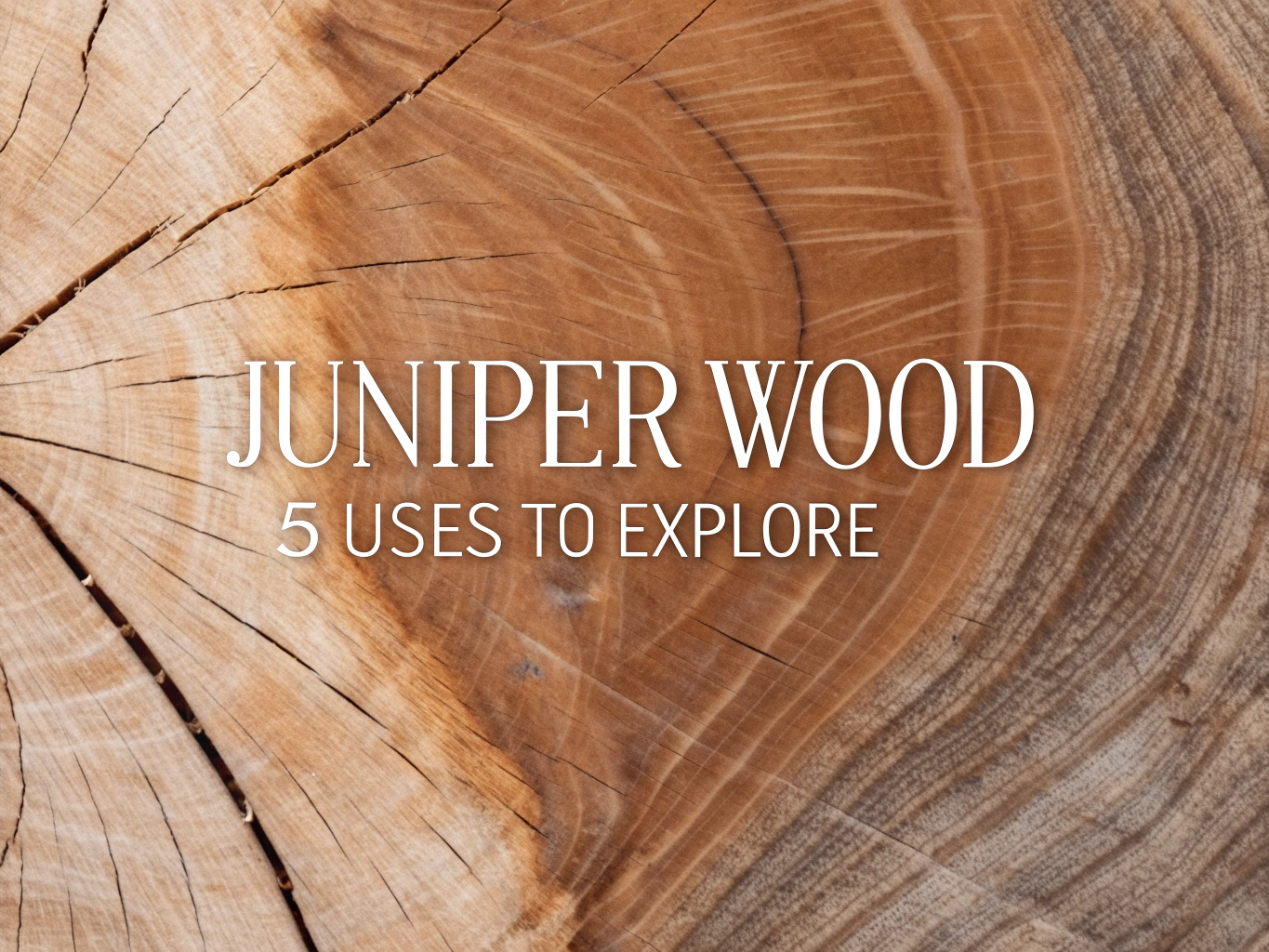
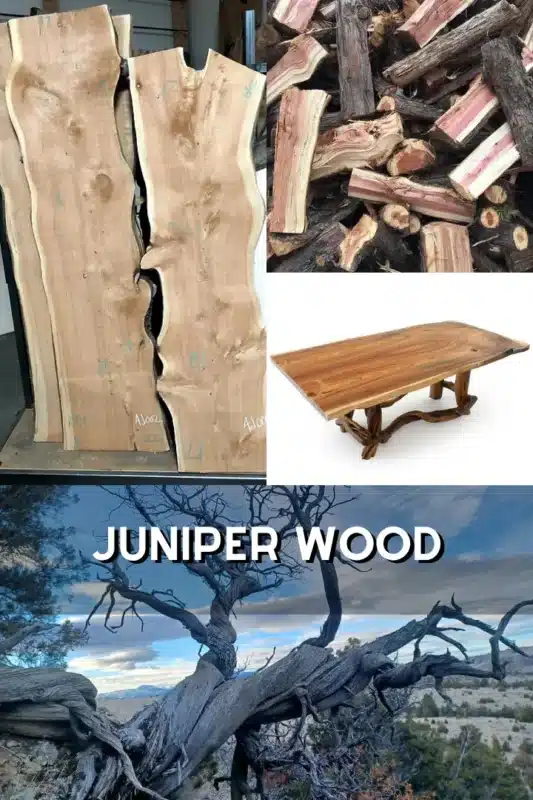
Juniper wood shows a wide color range from milky sapwood to deep reddish-brown heartwood, with swirling grain that adds movement to any surface. Its aroma recalls cedar yet stays distinct, which appeals to homeowners who also like cedar wood; lab and field results highlight natural rot and insect resistance similar to cedar and redwood, and new building standards now back its use (Oregon State University news).
Types and Regional Availability
Species and regions shape how buyers source material and compare “juniper wood for sale” listings. Two names you’ll see most often are western juniper from Oregon and the Great Basin and alligator juniper wood from the American Southwest.
| Species | Primary Region | Common Uses | Supply Notes |
|---|---|---|---|
| Western juniper (Juniperus occidentalis) | Oregon, Great Basin | Flooring, paneling, posts, fencing, decking | Expanding commercial supply; regional mills and “juniper wood for sale” outlets |
| Alligator juniper (Juniperus deppeana) | American Southwest | Rustic posts, slabs, bowls, artisan decor | Often sold as specialty slabs/turning stock through craft suppliers |
Sourcing tip: Check regional mills for bulk needs and craft suppliers for character pieces; many list juniper wood for sale online alongside manzanita wood and other Southwest species.
Natural Durability
Natural oils in the heartwood resist decay and boring insects, which is why posts and decking perform well outdoors. Indoors, the same traits make wall paneling and trim last longer than many softwoods, while the scent sits in a warm spot between juniper and atlas cedar.
1: Flooring and Paneling Applications
Residential Flooring Benefits
Western juniper flooring delivers a one-of-a-kind look thanks to multi-toned boards and bold cathedrals. Homeowners pick it for its aromatic touch, stable seasoning, and the story behind sustainable juniper wood harvests.
- Distinct grain with light–dark contrast that hides everyday scuffs
- Hard enough for busy rooms; comfortable underfoot once finished
- Works well as matched floor-and-wall paneling for design continuity
- Pairs with light stains and matte finishes to showcase the figure
- Available through regional mills listing “juniper wood for sale”
Commercial Applications
Retail and hospitality spaces use western juniper for floors, accent walls, and checkout counters where character matters. Industry coverage reports broader acceptance and supply growth in building products (Woodworking Network).
Environmental Advantages
Selective harvest helps restore rangelands where juniper crowds out native plants and pulls scarce water. Choosing western juniper paneling or flooring supports that stewardship while meeting spec-friendly needs for stable, beautiful material.
2: Outdoor Construction Projects
Fencing and Posts
Juniper posts resist rot in-ground better than many softwoods, which cuts replacement cycles for ranch and garden fences. Builders in the Southwest often pick alligator juniper wood for rustic split posts and sculptural entry features that weather to a silver patina.
Decking and Structures
Western juniper machines cleanly, glues reliably, and takes oil or film finishes without fuss; dried boards tend to shrink and swell less than several regional competitors, which helps with long-term fit. Technical reviews of particle- and strand-based products also point to strong performance for engineered applications (BioResources, NC State).

Weather Resistance
Natural decay resistance and insect deterrence make juniper a smart choice for trail boardwalks, signs, and pergolas. For hot-climate decks, pair it with UV oil and proper spacing, borrowing finish schedules similar to mesquite wood to keep boards stable.
3: Premium Firewood and Fuel
Aromatic Burning Properties
Juniper firewood lights fast, burns hot, and gives off a clean, woodsy scent thanks to natural oils. Many users prize its fragrance for fire pits and chimeneas, reporting easy ignition and low smoke (FineWoodworking forum).
Explore options from kiln-dried bundles to novelty logs in the picks below.

Juniper Firewood & Fatwood Firestarter - 18 lb Aromatic Logs
- Strong natural juniper aroma enhances outdoor gatherings
- Includes fatwood pieces for quick, reliable ignition
- Seasoned logs burn hotter and cleaner with less smoke
- Versatile for fire pits, fireplaces, camping, and BBQs
- Ready-to-use 18 lb bundle for easy storage and use
 Buy on Amazon
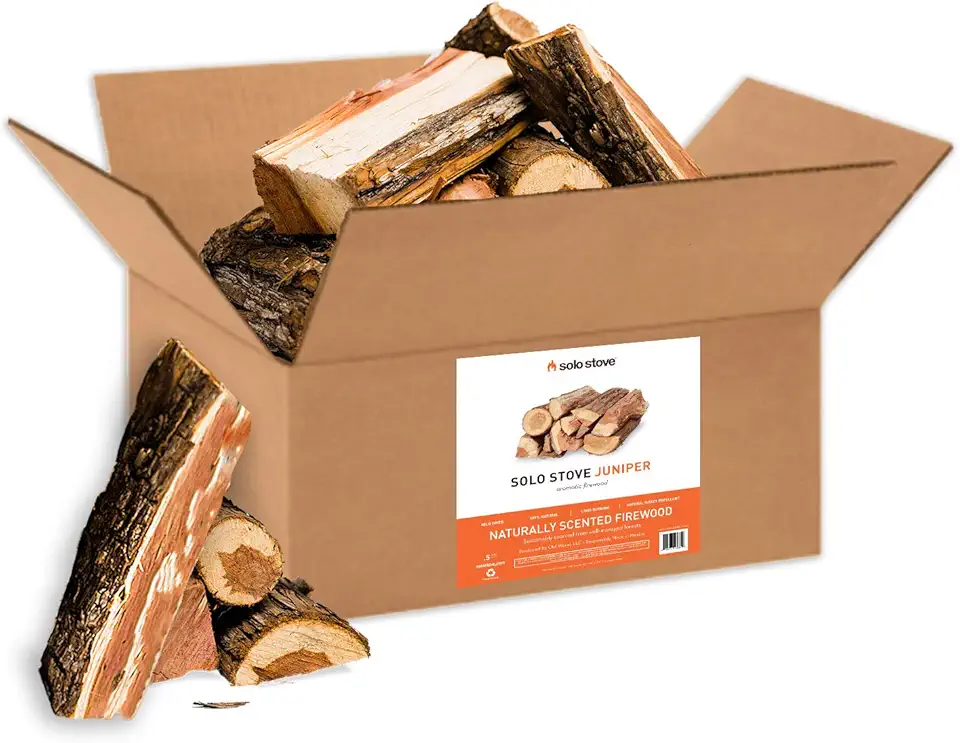
Solo Stove Juniper Firewood - Kiln-Dried Aromatic Logs (.5 cu ft)
- 100% natural juniper for a pleasant, woody scent
- Kiln-dried for low moisture and fast lighting
- Compact .5 cu ft size fits backyard fire pits and Solo Stoves
- Clean-burning with minimal smoke for enjoyable flames
- Easy to stack and store for ready-to-use fires
Buy on Amazon

Juniper Torchie Logs - Swedish Kiln-Dried 2-Pack
- Single-log Swedish design creates long, even burn for ambiance
- Kiln-dried for easy lighting and low smoke
- Aromatic juniper scent adds a pleasant outdoor fragrance
- Ideal for patios, gatherings, and mood lighting
- Compact two-pack for convenient outdoor use
Buy on Amazon

2-Pack Juniper 12 in Logs - Easy-Light Aromatic Firewood (0.5 cf)
- Aromatic juniper logs add a pleasant scent to each fire
- Easy-to-light pieces get flames going quickly
- Perfect size for small wood stoves, chimeneas, and fireplaces
- Low moisture for cleaner burning and steady heat
- Half-cubic-foot packs simplify storage and use
Buy on Amazon
Performance Benefits
Dry, dense pieces produce steady heat with fewer sparks than many softwoods, which suits smokeless stoves and open fire pits. If you buy “juniper wood for sale” online, look for kiln-dried or seasoned labels and lengths that fit your appliance for fewer cuts.
4: Artisanal Crafts and Woodworking
Decorative Items
Alligator juniper wood shines in bowls, live-edge shelves, and sculptural accents where sweeping grain steals the show. For rustic decor mixes, makers often pair it with apple wood or other fruitwoods to balance tone and texture.
Culinary Tools
Juniper utensils such as butter spreaders and serving knives feel light, sand beautifully, and carry a subtle scent that fades with washing. Handwash, dry promptly, and oil with food-grade mineral oil to keep the sheen alive .
Grain Patterns
Swirls and knots create dramatic figure that works well in small items where a little material goes a long way. Expect contrasts between creamy sapwood and ruddy heartwood that turn even offcuts into high-impact inlays.
5: Incense and Aromatic Applications
Home Fragrance
Ground juniper wood and pressed bricks give a clean, woodsy aroma that suits meditation or cozy evenings. Many people blend it with piñon wood to bring a Southwestern note to the room .
Spiritual Uses
Incense traditions often include juniper for cleansing rituals and reflective practices. Users like its steady, resinous scent that lingers gently without overpowering other aromas.
Blending Properties
Juniper blends smoothly with piñon, cedar, and fruitwood chips; start with 70% juniper and 30% partner wood, then adjust for scent strength. This mix works for stick incense, loose smudge bowls, or low-smoke warmer cups.
Sustainability and Market Trends
Environmental Benefits
Active management of western juniper can free up water and improve habitat where dense stands crowd rangelands; new structural standards also boost confidence in using the lumber (Oregon State University news). Choosing products from mills that follow regional plans turns purchases of “juniper wood for sale” into measurable land benefits.
Growing Commercial Acceptance
Inclusion in design standards opened doors for posts, decking, signage, and engineered boards, which helps stabilize supply and pricing. Architects now spec western juniper where they want character lumber with service life similar to cedar and redwood.
Economic Impact
Regional mills create rural jobs by turning small-diameter logs into useful products, from fencing to paneling and firewood. Retail interest in crafts and incense expands the market beyond structural use, giving landowners more outlets for responsibly harvested material.
Western juniper’s character, durability, and new standards are unlocking value for both builders and rural communities.
Industry observations
FAQs
What Are The Uses Of Juniper Wood?
Juniper wood Is Used For Fence Posts, Decking, Outdoor And Rustic Furniture, Cabinetry, Carving, Turned Objects, Garden Structures, And Specialty Millwork. Its Natural Oils Give It Good Resistance To Decay And Insects, And The Attractive Grain And Aroma Make It Popular For Decorative Pieces.
Is Juniper Wood Suitable For Outdoor Furniture?
Yes, Many Species Of Juniper Are Suitable For Outdoor Furniture Because The Heartwood Is Naturally Rot And Insect Resistant. It Weathers To A Silver Patina And Can Last For Years Untreated, Though Sealing Or Oiling Helps Retain Color And Reduce Checking. Use Well-Seasoned Boards And Proper Joinery To Minimize Warping.
How Does Juniper Wood Compare To Cedar?
Juniper Is Generally Denser And Harder Than Cedar, Giving It Greater Strength And Abrasion Resistance, While Cedar Is Lighter And Often More Dimensionally Stable. Both Are Aromatic And Resist Rot And Insects, But Juniper Typically Has A Stronger Scent And More Pronounced Grain. Choose Juniper For Durability And Character, Cedar For Stability And A Milder Aroma.
What Are The Benefits Of Using Juniper Wood In Construction?
Juniper Offers Natural Rot And Insect Resistance, Durable Heartwood Suitable For Posts, Beams, Siding, And Outdoor Trim, And A Distinctive Appearance That Reduces The Need For Heavy Finishes. It Can Lower Maintenance Over Time, But Limitations Include Variable Availability, Knots, And Potential Movement If Not Properly Dried, So Use Seasoned Stock And Appropriate Fasteners.
Can Juniper Wood Be Used For Smoking Meat?
Yes, Juniper Can Be Used To Smoke Meat To Impart A Resinous, Piney, Slightly Citrus Flavor, And Juniper Berries Are Commonly Used As A Seasoning. Use Well-Seasoned Heartwood Or Small Amounts Of Chips, Avoid Burning Foliage Or Treated Wood, And Ensure You Use A Food-Safe Species Such As Common Juniper (Juniperus Communis), Since Some Juniper Species Are Toxic.