

Want a tree that handles wet soil and still gives great shade? The overcup oak does just that. It has deep, cup-covered acorns that are important to birds and small mammals. This short guide will help you identify the tree, show how it compares to swamp chestnut oak, water oak (Quercus nigra), post oak, and scarlet oak, and offer clear tips for choosing the right plants for your yard or park.
Table of Contents
The overcup oak is a flood‑tolerant, deciduous shade tree with unique, buoyant acorns and strong landscape value. This guide covers identification, habitat, acorns, comparisons with similar oaks, buyer tips, and reliable plants to buy with clear steps.
Overcup Oak Identification and Appearance
Physical Characteristics
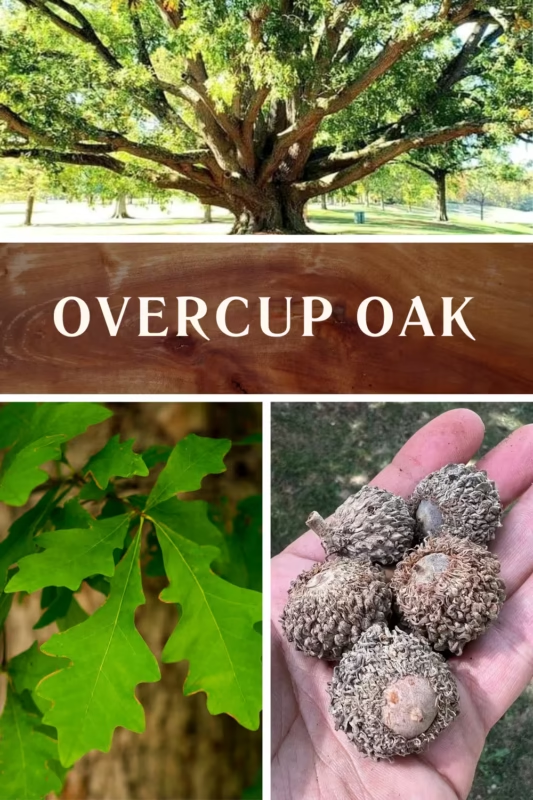
Expect a medium to large tree reaching about 45–80 feet, with rare giants taller than 100 feet in ideal sites. The crown often looks irregular, with slightly twisted limbs and a sturdy trunk that fits wet bottomlands.
Overcup oak (Quercus lyrata) forms a strong trunk that can grow up to 31 inches in diameter, giving it a solid presence in parks and yards. See key dimensions and field traits summarized in the UF IFAS tree fact sheet for quick verification.
Leaf and Bark Features
Leaves are alternate, simple, and deeply lobed, usually 6–8 inches long with a glossy dark green top and a pale, slightly hairy underside. This two‑tone foliage makes a neat ID cue for field checks.
Mature bark turns gray and blocky, breaking into rough plates with deep furrows that resemble members of the white oak group. For a quick primer on group traits, skim red oak vs white oak to see how these families differ in wood and botany.
Fall Colors and Seasonal Changes
Foliage shifts to yellow, copper, or reddish‑brown before leaf drop, which often happens a bit early compared to other oaks. In late summer to fall, start watching for its distinctive acorns as a clear sign of tree identity.
Habitat and Growing Conditions for Overcup Oak
Native Range and Natural Environment
Overcup oak is native to central and southeastern North America, most common in bottomlands, floodplains, stream edges, and swamps. It thrives where seasonal water sits, making it a smart pick for sites that stay wet for weeks.
Urban plantings work too, as long as you pick a spot that doesn’t bake in compacted, bone‑dry soil. For regional range notes and site tips, consult the NCSU plant profile.
Soil and Water Requirements
This tree handles clay, loam, or sand, and it accepts acidic to slightly alkaline pH. Moderate drought tolerance develops after year two, but young trees prefer steady moisture for strong rooting.
- Ideal textures: clay loam, silty clay, sandy loam
- pH range: acidic to slightly alkaline
- Moisture: tolerates flooding and poor drainage; water newly planted trees weekly in dry spells
- Mulch: 2–3 inches of wood chips, pulled back from trunk by 3–4 inches
- Fertilizer: light, slow‑release in spring if growth looks weak
Growth Rate and Lifespan
Expect slow to medium growth, with strong gains after roots establish by year two or three. Many trees take a few decades to fill out, trading top speed for stability.
Overcup oak can live centuries with minimal care on the right site, with reports pointing to lifespans near 400 years. Pick a space that fits an 80‑foot canopy over time, and you’ll plant for generations.
Unique Acorn Features and Wildlife Benefits
Distinctive Acorn Structure
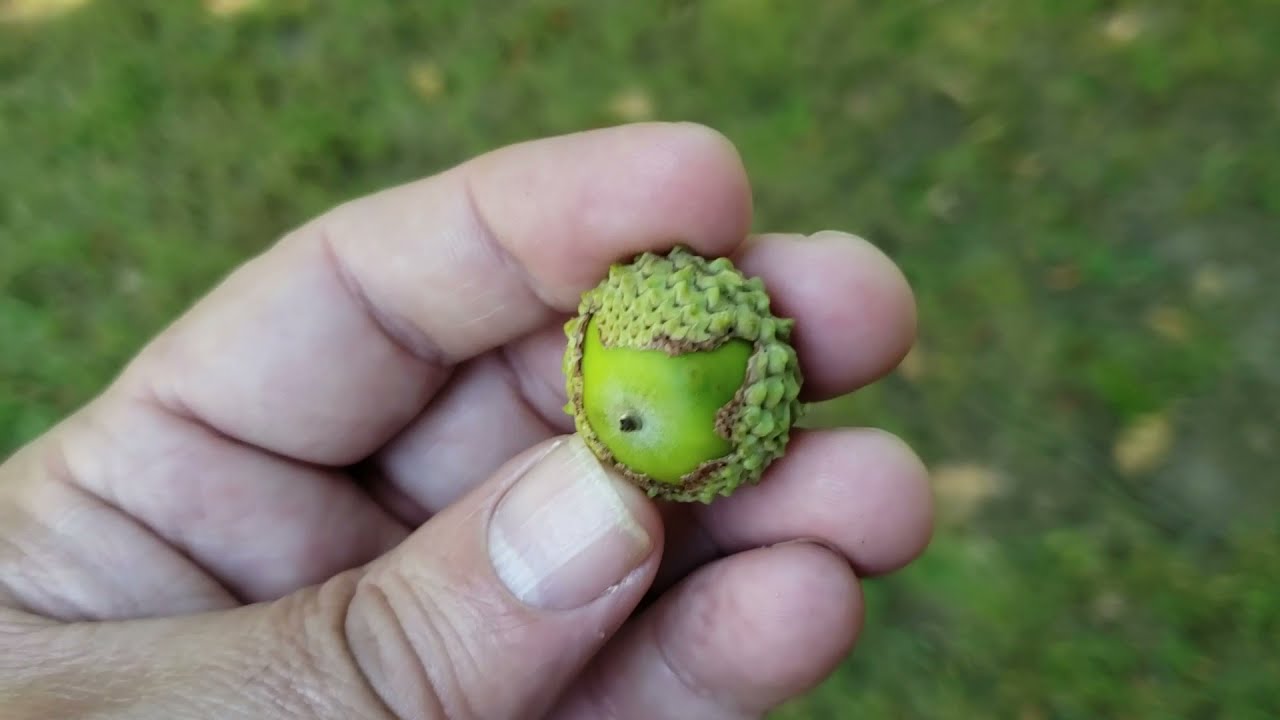
Acorns run about 1/2–1 inch long and sit inside a thick cup that covers two‑thirds or more of the nut. The heavy, bur‑like cup can make up roughly half the acorn’s mass, a standout trait for quick field ID.
Many acorns float, a handy adaptation for floodplain life. Ripening usually lands in September to October of the same year the tree flowers, so you can time collections with early fall.
Wildlife Attraction and Ecological Value
Squirrels, turkeys, waterfowl, and deer use the acorns, while foliage and twigs feed a wide range of insects. Oaks also host many moth and butterfly larvae, with overcup oak contributing to a large share of local biodiversity per the Missouri Department of Conservation profile.
Seed Dispersal Adaptations
The buoyant cup lets acorns ride floodwaters to fresh bars and low terraces where silt collects. This strategy spreads seedlings far from the parent tree and fits the species’ niche in river floodplains and swamps.
Overcup Oak vs Other Common Oak Species
Use the quick comparison below to separate overcup oak from look‑alikes that share part of its range. The nearly enclosed, buoyant acorn cup remains the clearest, repeatable clue.
| Species | Leaf shape | Acorn cup | Preferred sites | Growth | Fast ID tip |
|---|---|---|---|---|---|
| Overcup oak (Q. lyrata) | Deeply lobed, glossy top | Covers 2/3+; thick, bur‑like | Floodplains, swamps | Slow–medium | Buoyant acorns with big cups |
| Swamp chestnut oak (Q. michauxii) | Large, toothed, fewer lobes | Shallow cup | Moist bottomlands | Medium | Big, toothed leaves; sweet acorns |
| Water oak (Q. nigra) | Spatula/duck‑foot leaves | Small cup | Moist to upland edges | Fast | Triangular, spoon‑like leaves |
| Post oak (Q. stellata) | Cross‑shaped lobes | Small cup | Dry uplands | Slow | Bold cross‑like leaf |
| Scarlet oak (Q. coccinea) | Deep lobes with bristles | Small cup | Dry ridges | Medium | Brilliant red fall color |
Comparison with Swamp Chestnut Oak
Swamp chestnut oak likes moist soils too, but its leaves look larger with sharp teeth rather than deep sinuses. Its acorns sit in a shallow cup, unlike overcup’s thick cap that rides high on floods.
Differences from Water Oak Quercus Nigra
Water oak (Quercus nigra) grows faster and shows paddle‑ or spatula‑shaped leaves. It lacks the enclosed cup and flood‑ready acorns that define overcup; see broad traits on Quercus lyrata.
Post Oak and Scarlet Oak Distinctions
Post oak favors dry uplands with cross‑shaped leaves and blocky bark, so it rarely occupies the wet flats that overcup oak loves. Scarlet oak carries bristle‑tipped lobes and vivid fall red, aligning it with the red oak wood group rather than the white oak clan.
Buyer’s Guide for Overcup Oak Selection
Best Landscaping Uses
Plant overcup oak for shade in soggy yards, swales, and low spots where turf fails. It also fits wetland restoration, erosion control on floodplains, and habitat projects that feed birds and pollinators with native food per Grow Native.
Site Selection Considerations
Pick a space with full sun, at least 30–40 feet from buildings and lines, and expect an 80‑foot mature height. Plant high in the hole (root flare at grade), water deeply the first two years, and mulch for weed control and cool roots.
If your project also involves timber knowledge, skim white oak wood for background on the broader group that includes overcup oak. That context helps match site choice with long‑term goals for shade, wildlife, and aesthetics.
Maintenance Requirements
Prune lightly in late winter to set a single leader and remove crossing limbs; this species usually forms a steady structure on its own. Water during prolonged dry spells, skip heavy fertilization, and watch for weeds around the base for the first two seasons.
Expect low disease pressure and strong limb strength once established. Keep mulch refreshed yearly and avoid string trimmers near the trunk to protect the bark and growing cambium.
Recommended Overcup Oak Plants for Purchase
Below are reliable overcup oak options that ship as live seedlings for quick planting in wet or heavy soils with minimal fuss.

Overcup Oak Trio — 3 Live Seedlings for Shade & Landscaping
- Three healthy seedlings ready for planting
- Excellent for wet or poorly drained soils
- Develops broad shade and attractive form
- Strong, resilient and long-lived species
- Easy to establish for landscaping or restoration
 Buy on Amazon
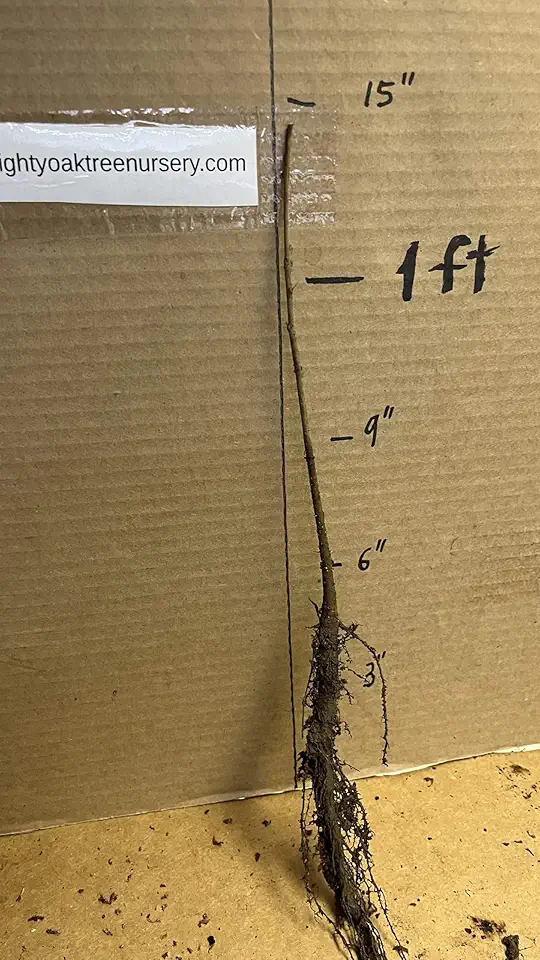
Overcup Oak Seedling — 1-Year 10–12in Nursery Plant
- Young, nursery-grown seedling ready for transplanting
- Tolerant of wet soils and seasonal flooding
- Fast-establishing and disease-resistant variety
- Grows into a dense shade tree for yards and parks
- Low-maintenance once established
Buy on Amazon
After planting, water deeply once per week in dry weather for the first growing season. Add a 2–3 inch mulch ring and check the root flare sits at or slightly above grade for healthy, long‑term growth.
FAQs
What Are The Distinguishing Features Of An Overcup Oak?
An Overcup Oak Is Noted For Its Large, Rounded Crown, Thick Lobed Leaves, And Distinctive Acorns Whose Cups Enclose Most Or All Of The Nut — Which Is Where The Tree Gets Its Name. The Bark Is Often Furrowed And Blocky, And The Tree Produces Noticeable Acorns That Can Persist On The Branches Into Winter.
How Fast Does An Overcup Oak Tree Grow?
Overcup Oaks Typically Grow At A Moderate Rate, Often Adding About 1 To 2 Feet Of Height Per Year When Young Under Good Conditions. Growth Slows As They Mature, And They Can Take Several Decades To Reach Their Full Size, Which Often Ranges From 40 To 70 Feet Tall Depending On Site Conditions.
What Is The Ideal Environment For Planting Overcup Oak Trees?
These Oaks Thrive In Low-Lying, Moist Sites Such As Floodplains, Bottomlands, And Clay Or Poorly Drained Soils. They Prefer Full Sun To Light Shade And Tolerate Periodic Flooding And Wet Soils Better Than Many Other Oaks. They Are Suited To A Wide Range Of Soil Acidity And Are Commonly Planted In USDA Zones Approximately 5–9.
Are Overcup Oak Trees Good For Urban Landscaping?
Overcup Oaks Can Be A Good Choice For Urban Areas With Wet Or Compacted Sites Because They Tolerate Poor Drainage And Urban Stress Well. However, They Grow Large And Produce Many Acorns, So They Are Best Planted Where There Is Ample Space Away From Buildings, Sidewalks, And Utilities. Consider Mature Size And Messiness When Planning Placement.
How Do I Prune An Overcup Oak Tree Properly?
Prune Overcup Oaks In Late Winter Or Early Spring While Dormant To Reduce Stress And Disease Risk. Remove Dead, Diseased, Or Crossing Branches And Make Clean Cuts Just Outside The Branch Collar Without Topping The Tree. Avoid Heavy Pruning All At Once; Disinfect Tools Between Cuts If Trees Are Susceptible To Diseases Like Oak Wilt, And Consult An Arborist For Large Structural Pruning.