
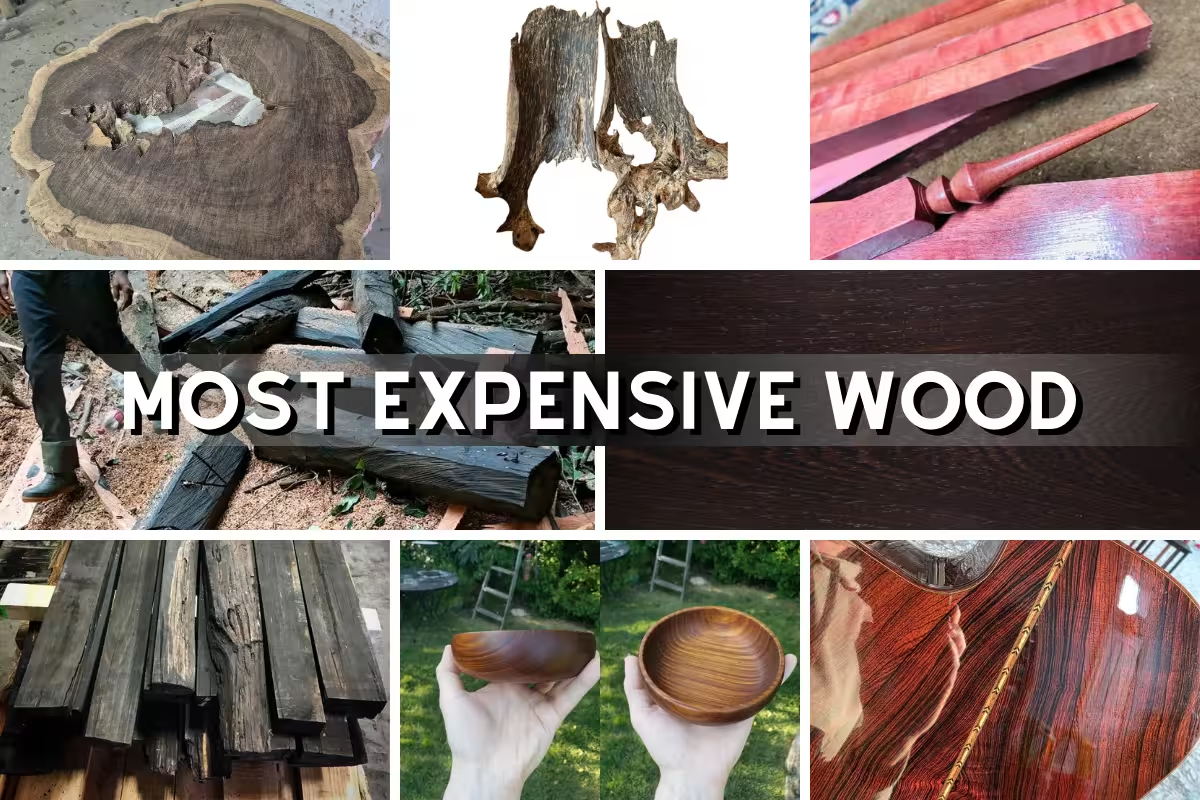
Most Expensive Wood: The Definitive Guide to the World’s Priciest Species

The most expensive wood is usually African Blackwood (Dalbergia melanoxylon), often priced around $10,000–$15,000 per m³ depending on grade and legality. People pay that much because usable heartwood yield is tiny, trees grow slowly, and trade is restricted, which limits supply even when demand stays high.
Table of Contents
This guide explains what “most expensive wood” means in real buying terms, how prices get measured, and which species command the highest prices in 2026. plus flooring options and safer substitutes that still look premium.
Most expensive wood: quick answer
Key Takeaways: “Most expensive” changes by unit (bf vs m³), form (lumber vs oil), and legality; for solid lumber, African Blackwood often sits at the top, while agarwood can dwarf everything when sold as resin or oil.
- African Blackwood commonly leads for solid timber pricing.
- Agarwood leads for resinous material and oud oil markets.
- Flooring “luxury” is often about installed cost and waste, not raw board price.
What is the most expensive wood
If you mean solid wood lumber, African Blackwood (Dalbergia melanoxylon) is the best answer to “what is the most expensive wood?” in most real transactions I see. It’s dense enough to sink in water, tools skate across it if cutters aren’t sharp, and the usable heartwood can be a narrow, dark core inside a much larger piece of pale sapwood that gets discarded.
If you mean “highest priced wood product,” agarwood (Aquilaria spp.) can cost far more when sold as resinous chips or distilled into oud oil. That’s a different market—closer to fragrance trading than lumber—so it’s easy for beginners to compare the wrong numbers and overpay.
Most expensive wood in the world
The phrase most expensive wood in the world depends on form: boards, logs, turning blanks, instrument billets, or oils. For clean comparisons, stick to price per volume (board foot or cubic meter) for lumber; treat oils and resins as a separate category with separate grading rules.
Prices swing hardest where legality, grading, and yield are unclear—two pieces that look similar can be worlds apart once you cut into them and see checks, sapwood, or resin pockets.
Shop-floor observation (sorting and milling)
Fast price snapshot
Quick reality check: published “top 10” lists are useful, yet actual invoices vary with moisture content, cut (quartersawn vs flatsawn), and defect rate. Use this snapshot as a range finder, not a quote.
| Material (common market form) | Typical pricing unit | Fast range you’ll see quoted | Why it spikes |
|---|---|---|---|
| African Blackwood (instrument billets) | m³ or bf equivalent | $10,000–$15,000/m³ (often cited) | Low yield, density, instrument demand |
| Sandalwood (carving lumber) | m³ | $8,000–$10,000/m³ (often cited) | Oil content, restrictions, demand |
| Ebony (select grades) | m³ | $7,000–$10,000/m³ (often cited) | Color uniformity, export limits |
| Snakewood (turning blanks) | bf | $400–$600/bf (often cited) | Crack risk, waste, pattern premium |
| Agarwood (resinous chips) | kg | Up to $100,000/kg (top grades cited) | Resin grade, provenance, scent profile |
For broad comparisons used in listicles, see AtoZ Wood Company and Wood U Choose, then sanity-check units and product form before using any figures.
How “most expensive wood” is measured
Key Takeaways: Price comparisons fail most often because sellers quote different units, different moisture contents, and different grades. Convert units first, then compare only like-for-like (same species, same form, similar defect rate).
- Board foot pricing fits lumber yards; m³ fits log/export markets.
- Most “shockingly high” numbers come from small blanks and high waste.
- Grade and legality can matter more than species name.
Board foot vs cubic meter
A board foot (bf) is 1 inch thick × 12 inches wide × 12 inches long. A cubic meter (m³) is a much larger volume used for logs, bulk sawn stock, and international trade—so prices look gigantic even when the wood is “only” $30–$80/bf.
Converting price units
Use one conversion consistently: 1 m³ ≈ 423.8 bf for lumber volume comparisons. The common mistake is using a rough “400” estimate and then treating the result like a precise quote; on expensive woods, that shortcut can move the number by hundreds of dollars per board.
| Conversion you need | Rule of thumb | Practical note |
|---|---|---|
| m³ → board feet | Multiply by 423.8 | Works for sawn lumber volume, not logs with bark/voids |
| board feet → m³ | Divide by 423.8 | Keep species and grade constant before comparing |
| Green → kiln-dried value | No single factor | Drying loss and checking can erase value on brittle woods |
Grades and sorting
On high-ticket species, grading isn’t cosmetic—it’s economic. One hidden end check can turn a $300 blank into firewood the moment you cut it, so sellers charge more for pieces that are longer, straighter, and proven stable.
Sorting often includes tapping and listening for a tight, glassy ring (dense woods respond differently), inspecting end grain for spiderweb checks, and checking for sapwood boundaries. Beginners often buy “pretty face grain” and ignore end grain; that’s where the bad news lives.
Why some woods cost so much
Key Takeaways: Price comes from a stack of constraints—slow growth, tiny usable heartwood, tooling and drying losses, and legal restrictions. If a wood is pricey but easy to source in consistent quality, it usually won’t stay at the top for long.
- Rarity is often yield-related, not “few trees exist.”
- Hardness raises waste and machining costs.
- Fragrance can move wood into luxury fragrance economics.
- Regulation changes supply overnight.
- Cultural demand can keep prices high even with substitutes.
Rarity and yield
Many “rare” woods aren’t rare as trees—they’re rare as usable heartwood. African Blackwood is a classic example: the dark center you want may be a small fraction of the log, with defects that only show up after you mill it.
Density and hardness
Ultra-dense species can feel almost cold and slick in hand, like polished stone. That density eats cutters, burns edges, and raises breakage risk in thin parts—so the finished “usable” yield drops and price per usable piece rises.
Fragrance and resins
Resinous woods like sandalwood and agarwood cross into scent value. When a board releases a sweet, lingering aroma the moment you plane it—warm, creamy, and almost spicy—that sensory payoff becomes part of the pricing power, especially for carving, incense, and oil distillation.
Regulation and bans
CITES listings and national export bans can turn normal procurement into a paperwork-heavy bottleneck, which raises transaction cost and shrinks legal supply. Beginners often think “I found a deal online” means they beat the market; it can also mean the wood can’t be shipped, resold, or used commercially without trouble.
Cultural demand
Some woods stay expensive because the market wants the story, not just the grain. Pink Ivory (Berchemia zeyheri) gets treated like a status material in certain craft niches, and “true” Indian sandalwood (Santalum album) carries religious and cultural pull that substitutes can’t always replace.
10 Most expensive woods in the world
Key Takeaways: Rankings change by region and product form; this list focuses on commonly traded high-value materials and why they command a premium. Treat agarwood separately if you’re comparing lumber vs resin/oil.
- Top contenders: African Blackwood, agarwood, sandalwood, pink ivory, ebony.
- High-risk machining: snakewood, lignum vitae, ebony (checking), blackwood (burning).
- High scrutiny: Brazilian rosewood and many Dalbergia species.
African Blackwood
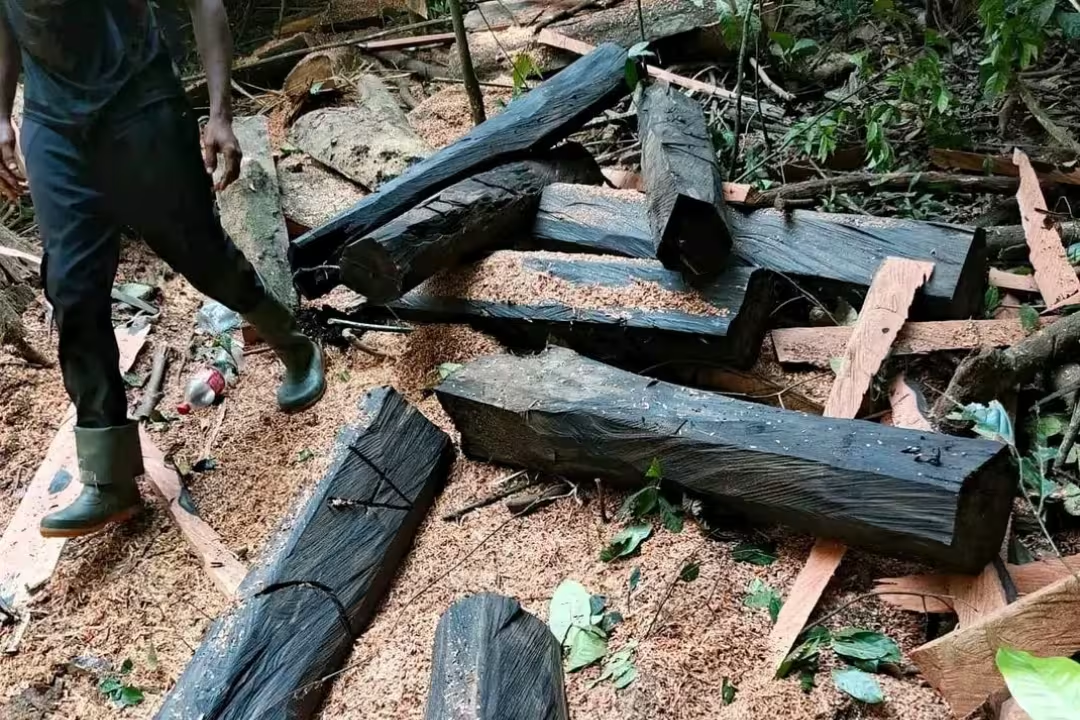
African Blackwood (Dalbergia melanoxylon) is a front-runner for the most expensive type of wood in solid form. It’s prized for dimensional stability in small, precise parts like woodwind instruments, and it polishes to a deep, near-metal black sheen.
Read the deep species guide: African blackwood.
Agarwood
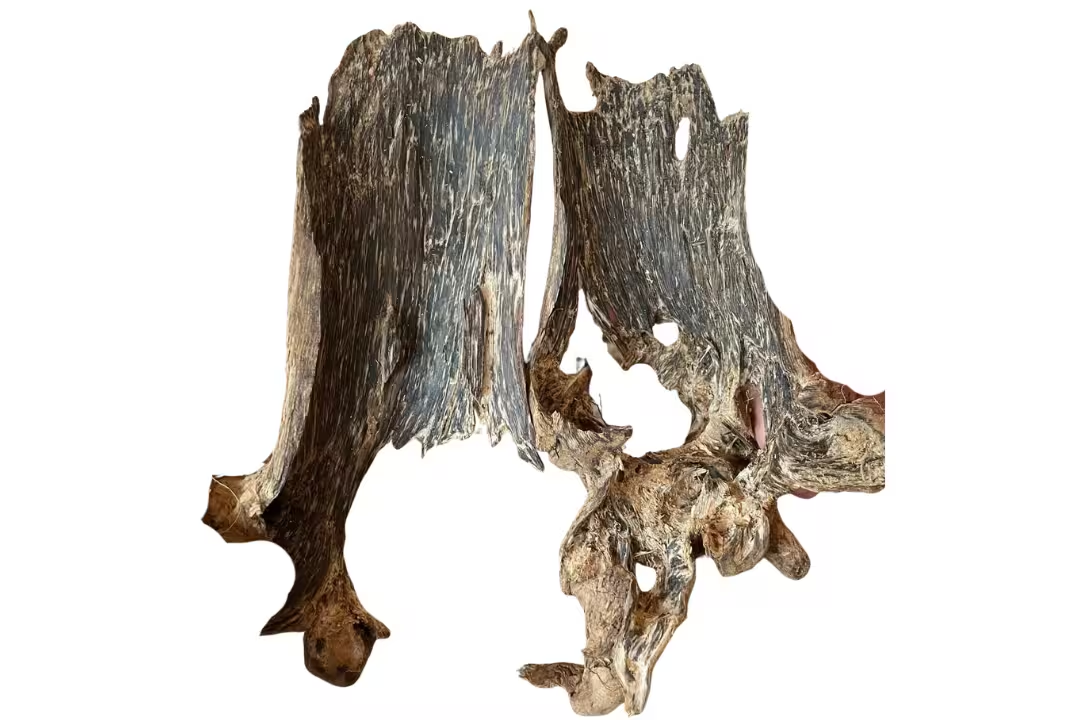
Agarwood (Aquilaria spp.) becomes valuable after a tree forms dark resin in response to infection or injury. The highest grades can price higher than any lumber, yet comparison gets messy because the market trades chips, dust, and oils with different grading systems.
Sandalwood
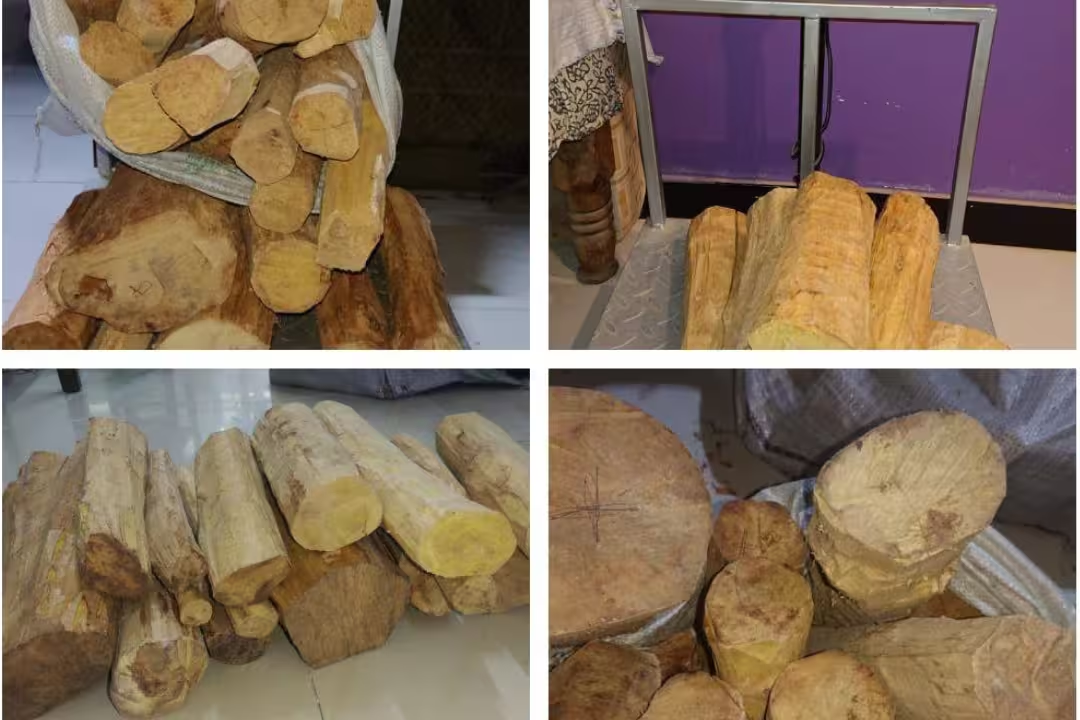
Sandalwood (often Santalum album in luxury contexts) holds fragrance for decades, so it sells as both wood and oil-bearing material. Freshly cut pieces can smell creamy and sweet right away, and that sensory hit is a big reason people keep paying premium prices.
Pink Ivory
Pink Ivory (Berchemia zeyheri) sells on color rarity: natural pink-to-red heartwood that stays striking under finish. In small turned objects, it can look almost glowing after sanding to higher grits, which is why it’s common in cues, pen blanks, and jewelry-scale work.
Ebony Wood
“Ebony” is a group name for several Diospyros species, and prices vary massively by color uniformity and defect rate. Many boards sold as ebony show pale streaking; truly uniform black stock is scarcer, so it carries a color premium.
Related reading: ebony wood.
Lignum Vitae
Lignum Vitae (Guaiacum spp.) is famous for extreme density and natural oils that make it self-lubricating in certain applications. It’s not always the “prettiest,” yet it’s one of the few woods where weight in hand immediately signals why it costs more.
See: lignum vitae.
Snakewood
Snakewood (Brosimum guianense) gets priced like a high-waste specialty blank because many pieces crack before they become finished parts. The “snake skin” flecking pattern can look unreal under oil, yet the wood can feel brittle at thin cross-sections.
More: snakewood.
Rosewood species
Rosewood (Dalbergia spp.) includes iconic species used in guitars and luxury furniture, yet regulation and paperwork drive a lot of the price. Beginners often buy “rosewood” without a species name; that’s risky because legality and value depend on exact ID.
Start here: rose wood, cocobolo, and pau ferro.
Bocote
Bocote is a favorite in premium accents and most expensive wood flooring conversations because it combines dramatic figuring with decent availability compared to the ultra-rares. Cut surfaces can show golden-brown fields with bold dark striping, and it takes a smooth finish that feels silky underfoot.
See: bocote wood.
Macassar Ebony
Macassar ebony (Diospyros celebica) is often sold for its striped black-and-amber look rather than pure black color. That streaked figure can be more forgiving than jet-black ebony for large panels because you can hide joins and small defects inside natural striping.
African Blackwood: properties and uses
Key Takeaways: African Blackwood is expensive because it’s slow-growing, yields little usable heartwood, and is demanded in precision instruments. Expect high waste, higher tooling costs, and stricter sourcing checks.
- Density and fine pores allow precise machining in small parts.
- Waste is high because defects hide until milling.
- CITES controls mean paperwork matters for resale and shipping.
Density and color
African Blackwood is famous for jet-black heartwood, sometimes showing subtle purple or chocolate undertones under bright light. When you sand it, the dust is extremely fine and can carry a sharp, dry scent; a respirator isn’t optional.
Yield and growth
Growth is slow—often cited at 50–100 years to maturity in dry regions—and the usable heartwood can be a slim core. That means a “big log” doesn’t translate into many instrument-grade billets once checking, sapwood, and twist get removed.
Instrument demand
Woodwind makers value blackwood because it machines cleanly to tight tolerances and holds detail in tone holes and sockets. The end grain can look so uniform it’s almost stone-like, which helps explain why it became standard for clarinets and oboes.
Pricing benchmarks
List sources often quote African Blackwood around $10,000–$15,000/m³ for high-grade stock, which lines up with “shock” pricing you see when converted to board feet for small premium pieces. Compare with caution: short, defect-free billets can price higher than longer boards because they’re proven usable.
CITES status
African Blackwood is regulated under CITES Appendix II in many trade contexts, so legitimate shipments may require permits and chain-of-custody records. Beginners often skip this step for “personal projects,” then get stuck later when trying to sell, ship, or cross borders with the finished item.
The following is an example of commercially available African blackwood lumber in a standard block size.

 Buy on Amazon
Agarwood: formation and value drivers
Key Takeaways: Agarwood value is resin-driven, not board-size driven. The biggest buying risk is confusing “agarwood lumber” listings with true resinous heartwood or oud-grade material.
- Resin forms after infection/trauma in Aquilaria trees.
- Oud oil pricing follows fragrance market behavior.
- Grades depend on aroma, resin content, and burn behavior.
Resin formation
Agarwood forms when Aquilaria trees respond to injury or infection by producing dark, aromatic resin deposits. Freshly exposed pieces can smell sweet, medicinal, and smoky at once, and the scent can cling to your fingertips after handling.
Oud oil market
Oud (agarwood) oil is priced like a luxury concentrate—small volumes, high variance, and strong provenance narratives. That’s why agarwood can show extreme prices per kilogram that look impossible if you’re thinking in lumber economics.
Grade differences
Grades vary by resin saturation, scent profile, and how the material burns. One practical test sellers talk about is whether chips feel slightly tacky or leave a faint resin smear; dry, pale chips marketed as “agarwood” often disappoint.
Extreme price ranges
Top-grade resinous agarwood is often cited up to $100,000/kg, yet that number is meaningless unless you know the grade definition and whether it’s chips, beads, or distillation feedstock. Many buyers get burned by paying premium rates for low-resin material that won’t produce the expected aroma.
Sandalwood: history and market trends
Key Takeaways: Sandalwood’s value is a mix of wood beauty and long-lived aroma. Supply constraints and enforcement shifts can move prices quickly, so source documentation matters.
- Traditional demand is tied to religious and cultural use.
- Oil longevity supports premium pricing.
- Restrictions can cause rapid spikes after policy changes.
Cultural uses
Indian sandalwood (Santalum album) shows up in carvings, incense, and ceremonial contexts. The scent is soft and creamy rather than sharp; when you cut a fresh surface, it’s common to get an immediate warm sweetness that lingers in the shop.
Oil longevity
Sandalwood holds aromatic compounds for a long time, so finished items can keep a noticeable smell for years. That durability is part of why people accept a higher price per volume than visually similar pale hardwoods like olive wood.
Supply constraints
Legal supply can be tight, and consistent quality is hard to find at scale. Beginners often buy “sandalwood” as a name without species confirmation; that mistake can turn into a value trap if the wood is a lower-value substitute species.
Post-2020 price spike
Many market summaries cite a noticeable post-2020 rise in sandalwood pricing tied to restrictions and tighter supply. Use published list comparisons like Branching Out Wood as a baseline, then verify what product form the numbers refer to.
Below is an example of sandalwood sold in stick form for aromatic and cultural uses.

Pink Ivory: rarity and cultural significance
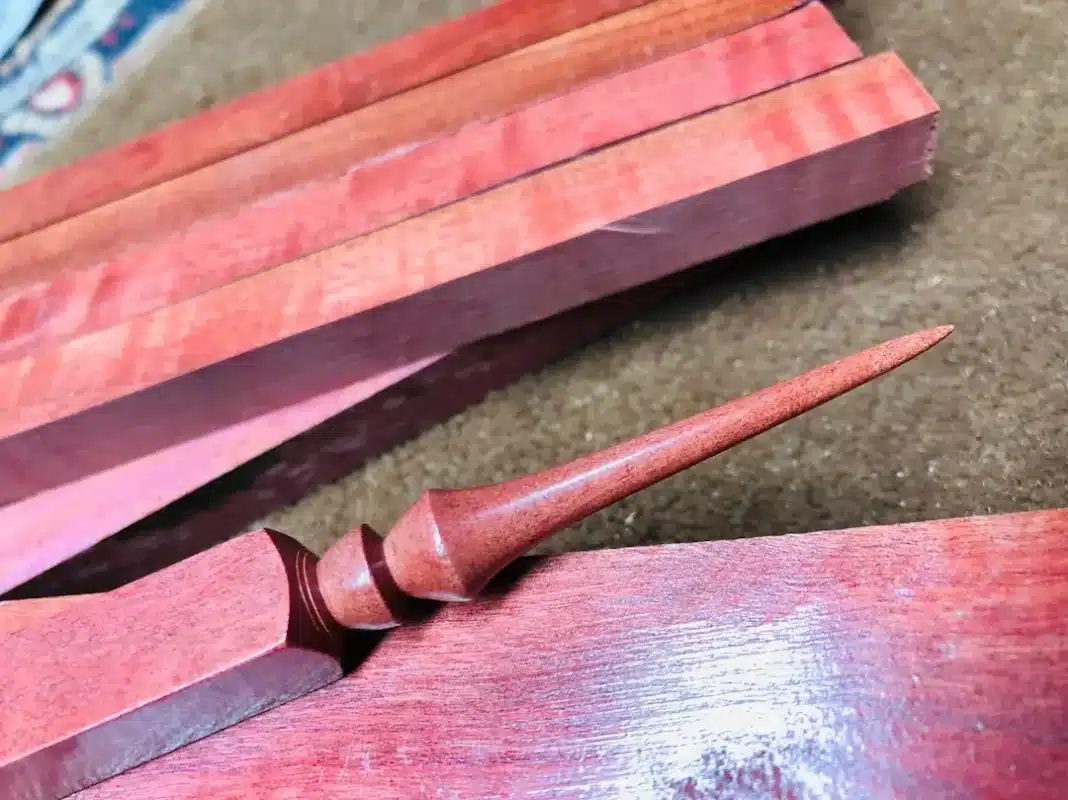
Key Takeaways: Pink Ivory is priced by color saturation and small-piece usability. The biggest risk is expecting large, defect-free boards; it’s often a small-object wood in real supply chains.
- Value rises with deep pink heartwood and clean grain.
- Availability limits push it into turning blanks.
- Color can shift with UV and finish choice.
Zulu royalty lore
Pink Ivory is often linked to Zulu royalty lore, which keeps interest high in collectibles and gift items. That story sells, yet the working reality is that you pay for consistent color and stable blanks more than the legend.
Availability limits
Supply is limited, and larger clear boards are harder to source than small turning squares. If you need big panels, you’ll often get better results using a stable base wood with pink dye or veneer rather than chasing rare solid stock.
Popular applications
Common uses include knife scales, pens, inlay, and cue parts where short lengths work. Sanding can feel almost waxy at high grits, and the dust can be very fine—use extraction and a mask.
Price context
Pink Ivory is often cited in the same pricing tier as premium ebony and sandalwood on a per-m³ basis, yet most buyers meet it as blanks priced per piece. That packaging inflates perceived cost, because you’re paying for pre-sorted yield rather than raw volume.
Some high-priced or specialty woods are also sold in processed forms such as pen blanks; the example below illustrates one such format.

Ebony: variations and pricing
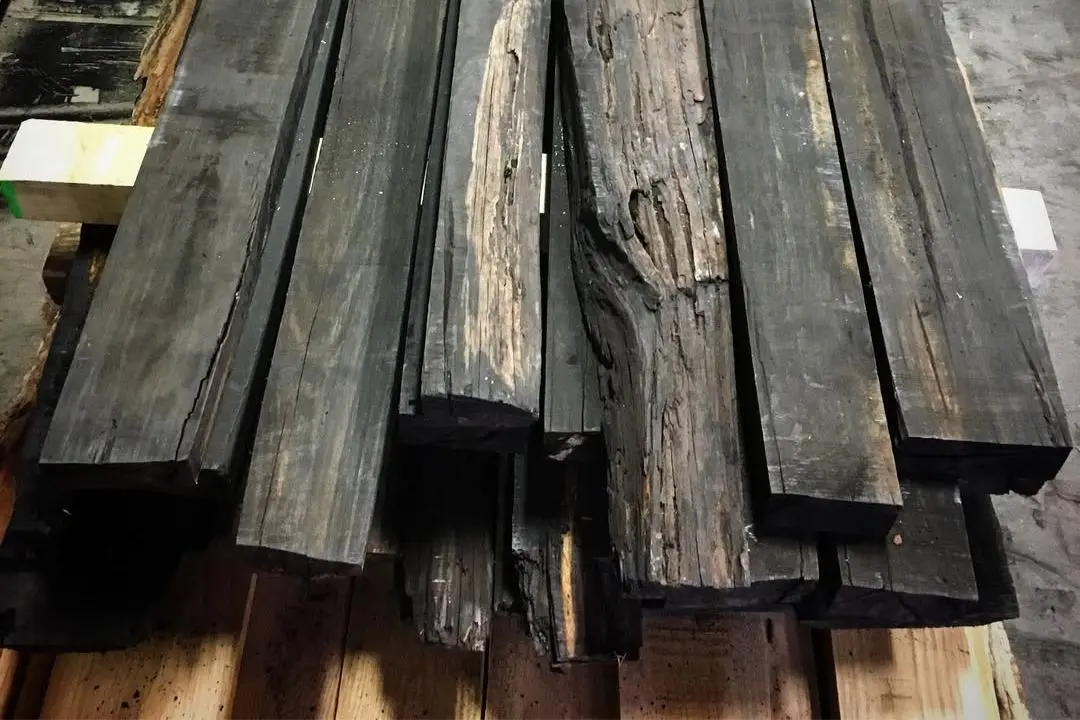
Key Takeaways: Ebony pricing is driven by species, blackness, and crack-free stability. Never buy “ebony” blind for fine work; verify the Diospyros species and expect streaking unless you pay for premium selection.
- Diospyros is a genus, not one wood.
- Black uniformity costs more than streaked figure.
- Export constraints and waste raise real cost.
Diospyros species
Ebony woods come from Diospyros species, and the market mixes names loosely. Some sellers label dark woods “ebony” as a style term, so you want the botanical name on invoices when legality or resale matters.
Macassar vs black ebony
Macassar ebony is known for bold striping, while “black ebony” is sold for uniform darkness. In practice, Macassar can be easier to use for panels because stripe patterns hide glue lines, while pure black stock shows every join under glossy finishes.
Instrument and inlay uses
Fingerboards, bridges, inlay, and small trim use ebony because it holds detail and polishes beautifully. When freshly planed, ebony can have a faint sharp, dry odor, and it’s common to get micro-tearout if the cutter is even slightly dull.
Export constraints
Export rules and enforcement vary by region and species, which is why “cheap ebony” listings can be risky. A frequent beginner mistake is importing without documentation and then discovering the wood can’t be legally resold or included in products shipped internationally.

Lignum Vitae and Snakewood: technical realities
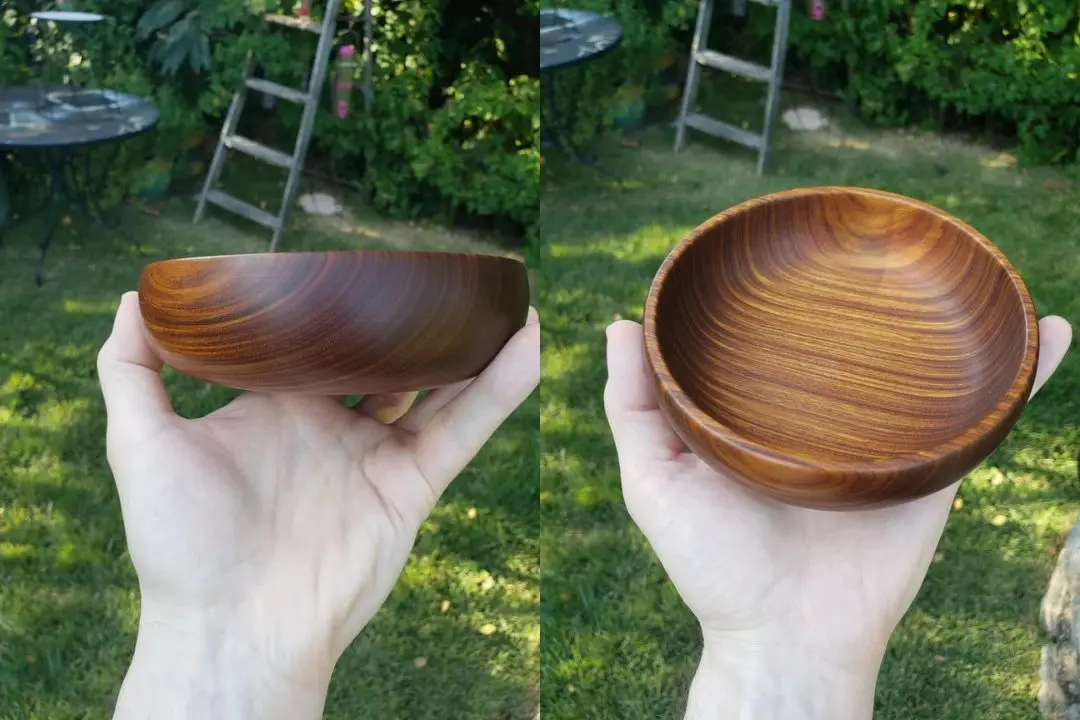
Key Takeaways: These woods can be brutally hard on tools and budgets because waste is high. Plan for slower feed rates, higher sharpening cost, and extra acclimation time to avoid cracking.
- Lignum Vitae is oily and dense; glue-up needs prep.
- Snakewood cracks easily; buy extra length for waste.
- Drying and acclimation protect your investment.
Lignum Vitae density
Lignum Vitae can feel heavy like a dumbbell for its size, and it often sinks in water. That density supports wear applications, yet it also makes machining slow, and overheating can leave burn marks that are hard to sand out.
Industrial applications
Historically, it’s used for bearings, mallets, and wear blocks because natural oils reduce friction. If you’re gluing it, wipe surfaces with a fast-evaporating solvent and use fresh adhesive; otherwise you’ll get glue failure that shows up weeks later.
Snakewood workability
Snakewood’s beauty comes with a cost: it can chip, split, and check with small humidity shifts. Thin parts can snap with a dry “tick” sound, so I avoid aggressive clamping pressure and leave extra thickness until final sanding.
Crack and waste risk
Cracking is the main budget killer on snakewood; buying the exact length you need is how projects die. A safer workaround is ordering longer blanks, sealing end grain immediately, and acclimating in the same room where you’ll machine it, so moisture swings don’t trigger end checks.
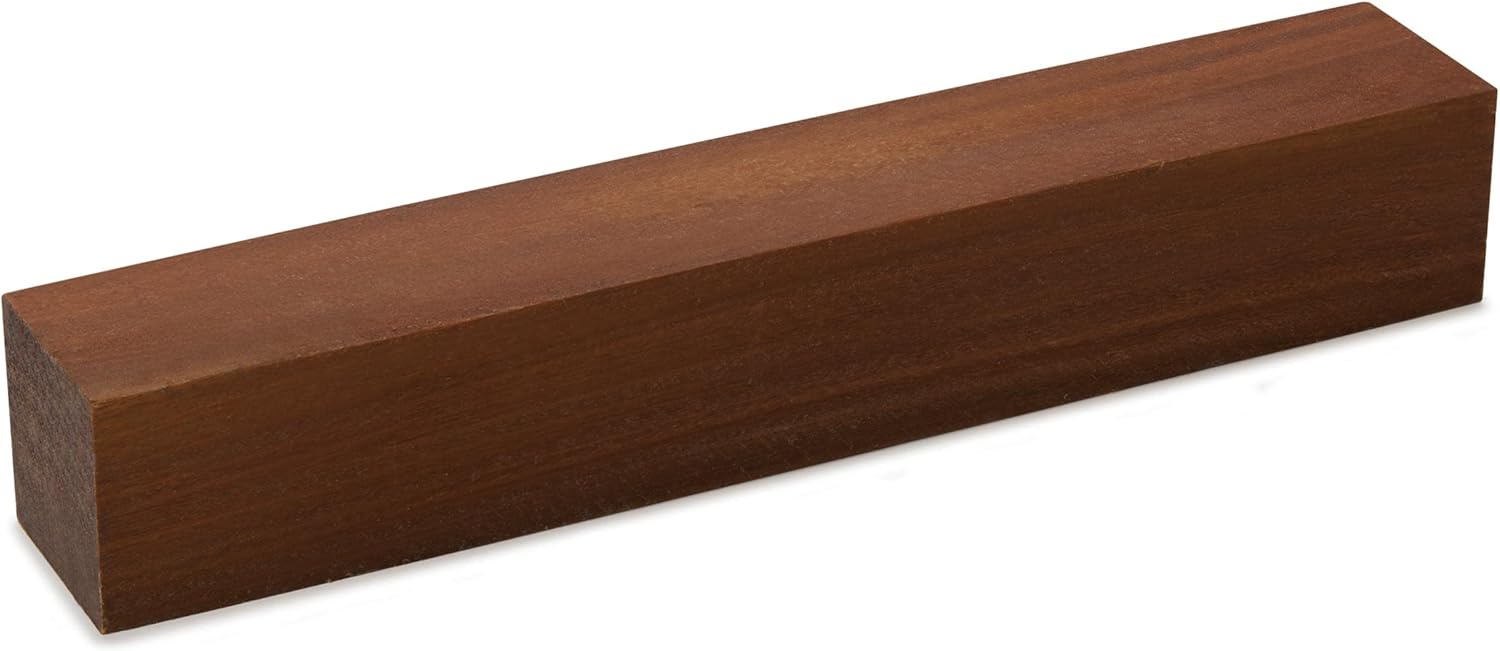
Lignum vitae is typically sold as small solid blocks for turning and tool-making; the example below represents a commonly available size.
Rosewood regulations and alternatives
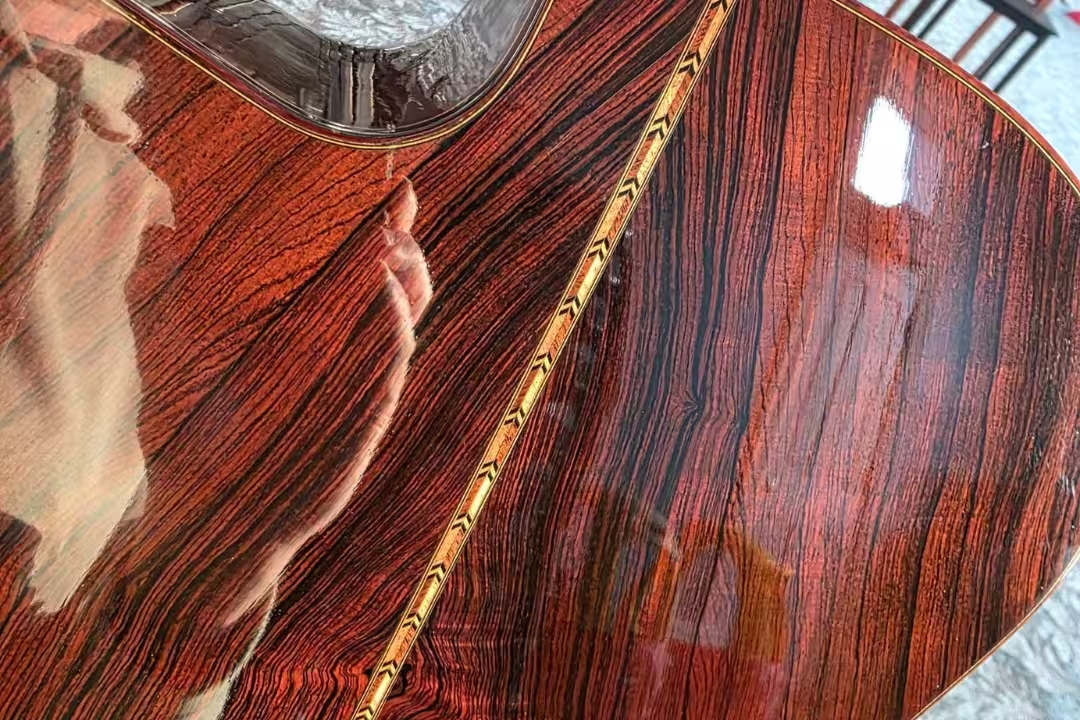
Key Takeaways: Rosewood (Dalbergia) value is tied to paperwork and provenance as much as appearance. If you can’t prove legal origin, you may not be able to move the wood across borders or sell finished goods later.
- Brazilian rosewood is heavily restricted and often counterfeited.
- CITES listings change what’s practical to buy and ship.
- Legal substitutes often get you 80–90% of the look.
Brazilian Rosewood limits
Brazilian rosewood (Dalbergia nigra) is one of the most famous restricted timbers, tied to legacy instruments and luxury furniture. If you’re shopping it, assume the burden is on you to prove legal status, especially for shipping or resale.
Species guide: Brazilian rosewood.
CITES Appendix impacts
CITES appendices affect what permits you need and how customs evaluates risk. The common mistake is thinking “it’s finished into an object” makes it free to ship; many species still require documentation even when the wood is part of a finished product.
Illegal trade seizures
Illegal rosewood trade remains a real enforcement target, and seizures can wipe out shipments and cash flow. Don’t treat bargain listings as wins; they can be liability, particularly for commercial makers who need stable, repeatable supply and clean invoices.
Legal substitutes
Often you can match the aesthetic with legal, available species or near-substitutes. Pau ferro is a common swap for rosewood in instruments, and domestic options like black walnut wood can deliver a rich, dark look with fewer legal and supply shocks.
Example of commercially available Brazilian Rosewood veneer.

If you want other dramatic exotics without the same baggage, compare figure and stability with wenge wood, purple heart wood, and burl wood.
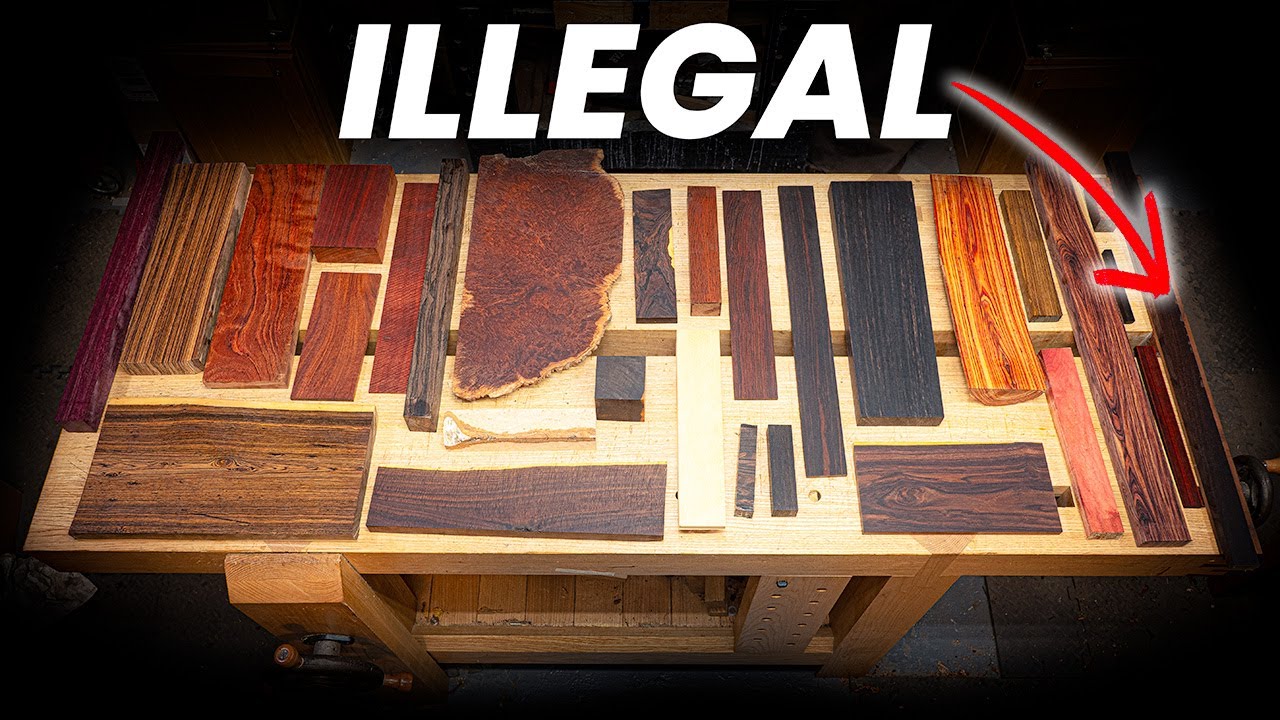
Most expensive wood flooring options
Key Takeaways: The most expensive wood flooring usually isn’t made from the same woods topping “rarest lumber” lists. Flooring cost is driven by installed labor, milling waste, movement control, and finishing—plus how hard the wood is on blades and sanding belts.
- “Luxury flooring” is about stability and service life, not bragging rights.
- Bocote can be pricey installed because waste and milling are high.
- Ipe and teak often win on lifecycle value, not lowest cost.
True “luxury floor” woods
For floors, the luxury shortlist usually includes woods with strong wear performance and consistent supply: ipe, teak, select mahogany, and dramatic exotics like bocote. Ultra-rares like African Blackwood don’t make sense for flooring because the yield and stability constraints are brutal at plank scale.
Bocote installed costs
Bocote often carries high installed pricing because milling can reveal tearout, interlocked grain, and boards that don’t behave when humidity swings. That means more rejects, more sorting time, and more time on the sander—so labor becomes a big piece of the final ticket.
Ipe performance metrics
Ipe is a popular “expensive but worth it” option for demanding applications, especially where you want dent resistance. It can feel hard underfoot and can be splintery if not finished well at edges, so installers need sharp tools and dust control.
Teak lifecycle value
Teak earns its price through stability and oil content, which helps it tolerate moisture and movement better than many exotics. A good teak floor can feel smooth and warm even when the room is cool, and it often needs less drama-prone maintenance than very hard, brittle species.
See: teak wood.
Mahogany positioning
Mahogany sits in a “premium classic” lane: stable, workable, and visually rich without the same machining punishment as ipe. For buyers who want fewer surprises, african mahogany can be a smarter pick than chasing ultra-rare boards that may arrive with hidden defects.
| Flooring wood | Why people pay more | Main risk | Best fit |
|---|---|---|---|
| Bocote | Dramatic figure, luxury look | Tearout/waste, higher install labor | Statement rooms, feature floors |
| Ipe | High wear resistance | Tooling wear, splinter risk at edges | Busy homes, durability first |
| Teak | Stability, oil content | Finish compatibility if too oily | Moisture-prone areas with proper prep |
| Mahogany | Classic look, workability | Dents easier than ipe | Bedrooms, offices, refined interiors |
Uses, limitations, and smarter substitutes
Key Takeaways: The smartest purchase is the wood that meets the performance need with the lowest legal and waste risk. You can often mimic the look of “most expensive woods” using more available species, veneers, or engineered builds.
- Pick wood for function first (movement, wear, stability).
- Plan for legality and repeat supply if you sell products.
- Use veneers or accents to get luxury looks without luxury waste.
Best-fit applications
African Blackwood and ebony shine in small, high-precision parts. Rosewoods and cocobolo excel in decorative panels and instruments when sourced legally. For dramatic visuals in furniture, many makers get better results pairing a stable core with a show layer like zebrawood or koa rather than building thick parts from brittle exotics.
Explore visuals and trade-offs: zebra wood and koa wood.
Import and availability risks
The biggest surprise for new buyers is lead time: a seller may have one stunning set but no ability to restock it for months. That matters for matching pairs, repairs, or production runs, where “close enough” color matching rarely looks right under a glossy finish.
High-waste species
Snakewood, ebony, and some rosewoods can produce painful waste from checks, twist, or hidden sapwood lines. The workaround is to buy oversize stock, seal end grain the same day it arrives, and rough-cut parts early so movement happens before final dimensioning.
Lookalike alternatives
When a project is mostly visual, swaps can save money without sacrificing the feel of luxury. For dark elegance, black walnut or wenge can stand in for ebony-style aesthetics; for reddish-brown richness, some legal rosewood alternatives or even jatoba can deliver a similar warmth under finish.
Compare options: jatoba wood and bubinga wood.
Misconceptions and common mistakes
Key Takeaways: The fastest way to waste money is comparing incompatible units and categories. The second fastest is buying a protected species without paperwork, then getting stuck with wood you can’t legally move.
- Separate wood vs oil pricing.
- Hardest doesn’t always mean best for your job.
- “Ebony” can mean many species and grades.
- Legality and documentation are part of real cost.
Confusing wood vs oil pricing
Agarwood is the classic trap: people see a per-kg oud figure and assume the lumber should match that value. Wood chips, resinous heartwood, and distilled oils are different commodities with different grading, so mixing them leads to bad comparisons.
Assuming hardest equals best
Hardness often brings headaches: tearout, burnishing, glue issues, and tool wear. For furniture, a wood that machines cleanly and stays stable can outperform a super-hard species that chips at corners and ruins crisp joinery.
Believing “ebony” is one wood
Ebony is a category, not a single material. Without the Diospyros species name, you can’t judge expected stability, legal constraints, or color consistency—and you might pay black-ebony prices for streaked stock.
Ignoring legality
Paperwork is part of the product for restricted woods. If you can’t prove legal sourcing, you risk customs seizure, forced returns, or being unable to sell finished work later—especially for Dalbergia species like Brazilian rosewood and related materials, including items sold as “Brazilian wood” in vague listings.
Related: brazilian wood.
Lessons Learned in Practice: buying and using the most expensive woods
Key Takeaways: Expensive wood fails in predictable ways—checking, waste, and finish surprises. You prevent most losses by buying extra length, controlling moisture, and verifying species and paperwork before money changes hands.
- Plan for waste on snakewood, ebony, and blackwood.
- Acclimate stock where you’ll machine it.
- Test finishes on offcuts first, especially oily woods.
- Don’t trust names without species IDs and documents.
One repeated friction point is hidden checking. A blank can look perfect until the first crosscut, when a hairline crack opens up and you hear a faint “click” as tension releases; that’s why I treat expensive stock like it’s already guilty until the end grain proves it’s clean.
Oily woods create another trap: teak and lignum vitae can reject finishes or glue if you don’t prep. Lightly scuff, wipe with a fast-evaporating solvent, and glue quickly; waiting too long lets surface oils re-bloom, which can cause bond failure after the piece sees seasonal humidity.
Tooling surprises hit budgets fast. Dense woods burn when feed is too slow or cutters dull; you’ll smell a sharp toasted note and see glazed streaks that sand reluctantly. The workaround is sharp carbide, steady feed, and leaving a little extra thickness so you can take a final clean pass after the wood relaxes.
Finally, documentation problems are real even for honest buyers. If you’re buying rosewood or ebony for anything that might be sold or shipped later, treat paperwork like part of the material—no permit trail means the best-looking board can become unsellable inventory.
Strategic outlook: trends shaping prices
Key Takeaways: Price volatility comes from enforcement, farming, and shifting luxury demand. Track supply chain signals and regulation updates if you buy these woods for production, not just one-off builds.
- Sustainable plantations can lower prices for some species, yet quality varies.
- Lab-influenced resin markets may reshape agarwood demand.
- Enforcement changes can cause sudden supply shocks.
Sustainable farming effects
Plantation-grown supply may soften pricing for certain woods where farming works and quality is consistent, though “farmed” doesn’t automatically mean “instrument-grade.” Expect the market to keep a premium tier for proven, stable billets with verified provenance.
Lab-made resin trends
Scent markets change fast: when perfumery alternatives improve, pressure can shift away from wild-sourced resin. That won’t erase demand for genuine agarwood, yet it can change the middle grades where buyers want an oud-like profile without paying top rates.
Enforcement and volatility
Trade enforcement drives sudden scarcity and price spikes, especially for Dalbergia and certain ebony shipments. If you rely on these woods, build a sourcing plan that includes legal substitutes like monkey pod wood for large furniture parts and reserve restricted woods for accents where they deliver the most value per inch.
What to watch next
Watch three signals: permit friction (longer lead times), defect rates in new supply (more checking means higher usable pricing), and buyers shifting from solid stock to veneer/engineered builds. If your goal is the “most expensive woods” look without the volatility, use a stable core and add premium faces—especially burls and highly figured cuts that deliver maximum visual impact with minimal restricted material.
FAQs
What Is The Most Expensive Wood In The World Right Now?
Agarwood (oud) is currently the most expensive wood in the world.
It forms when certain Aquilaria trees become infected and produce fragrant, resinous heartwood used in perfumery and incense. Prices vary widely by grade, origin, and age, often reaching thousands to tens of thousands of dollars per kilogram for high-quality oud.
Why Is Agarwood So Expensive Compared To Other Woods?
Agarwood is expensive because only a small percentage of Aquilaria trees produce resinous heartwood, and the formation process is rare and slow.
High global demand for oud in perfumery, limited supply, complex cultivation or wild-harvest methods, and strict trade controls drive prices higher. Top grades command premium rates.
Is Ebony More Expensive Than African Blackwood?
Prices vary, but African blackwood is generally pricier than most ebony species on a per-volume basis.
African blackwood (Dalbergia melanoxylon) is dense, rare, and highly valued for woodwind instruments and fine turning, while “ebony” covers several species with different values. Local availability, legal protections, and grade determine exact pricing.
What Is The Most Expensive Wood Flooring And How Much Does It Cost Installed?
Exotic hardwoods like Brazilian rosewood, reclaimed ebony, and rare teak are among the most expensive wood flooring options, with installed costs commonly ranging from $25 to over $150 per square foot.
High-end custom installations, premium grades, complex patterns, and finishing increase total cost. Local labor and material availability can push prices even higher.
Are Rosewoods Still Legal To Buy And Sell Under CITES?
Many rosewood species are regulated under CITES, so buying and selling them legally requires checking the species and obtaining proper permits or certificates.
Several Dalbergia species are listed on CITES Appendix II, and some populations have stricter controls; trade rules vary by country and by whether timber is raw, sawn, or finished. Always verify documentation before purchase.





AGAR WOOD IS MOST COSTLY
Hi Dr. Kamaljeet,
Thanks for sharing your thoughts! Agarwood is indeed incredibly valuable and often considered one of the most expensive woods in the world. Its unique fragrance and rarity certainly make it a prized material in luxury products and craftsmanship. It’s fascinating how different woods have distinct characteristics that contribute to their value. Do you have any personal experiences or favorite items made from agarwood?