Types of Wood: The Definitive Guide to Wood Names, Properties, and Uses

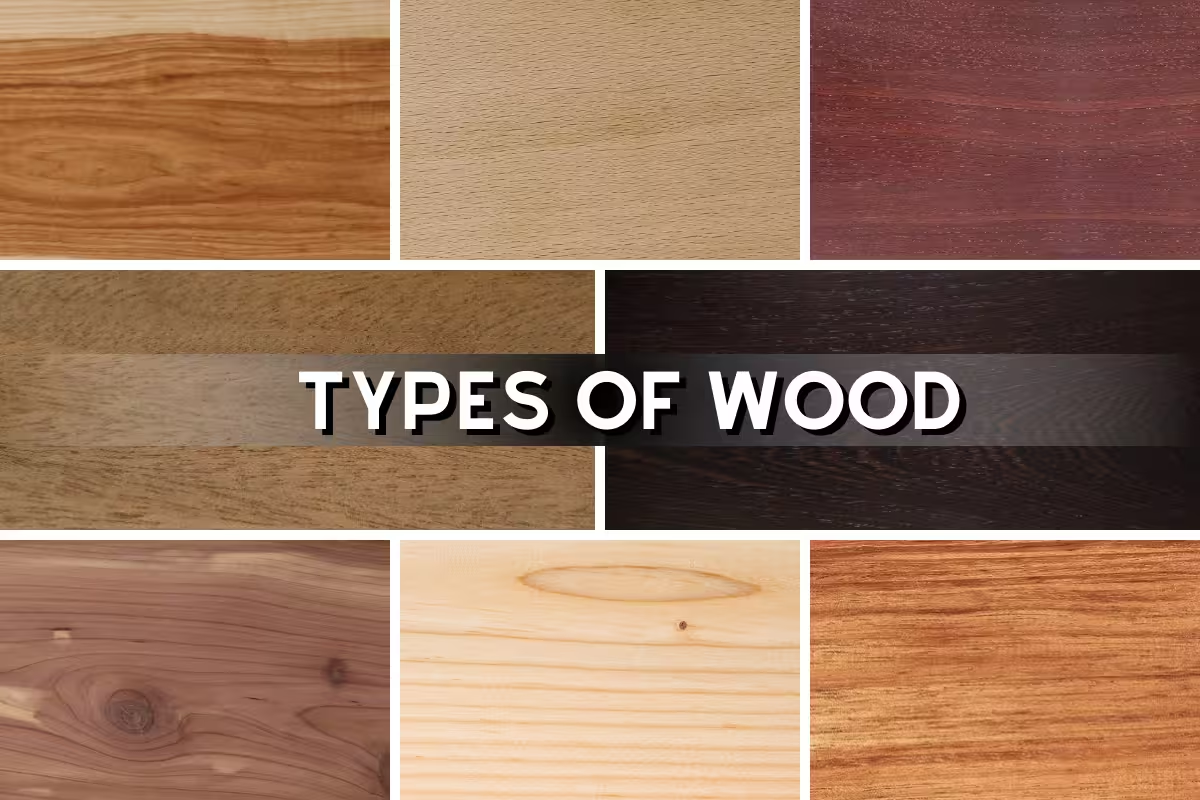
Types of wood means grouping wood by where it comes from and how it’s built: hardwoods (from broadleaf angiosperms), softwoods (from conifer gymnosperms), and engineered wood (panels made from veneers or fibers). Wood names can be misleading because “hardwood” doesn’t always mean hard, and common names vary by region and trade.
Table of Contents
This guide explains wood classification, common wood names, how to choose wood for real projects, and how to avoid waste, failures, and sketchy sustainability claims.
Types of wood: quick definition
Key Takeaways: “Types of wood” usually means hardwood/softwood/engineered; wood names can refer to different species; the right choice depends on movement, moisture, and end use—not just looks.
What “types of wood” means
In practice, people use types of wood to mean a mix of classification (hardwood vs softwood vs engineered), plus everyday wood names like oak, maple, pine, cedar, or mahogany. On a job site, the “type” often really means grade and moisture content, because those decide whether boards stay flat and joints stay tight.
Wood type also includes species and cut (plain-sawn vs quarter-sawn), since the same species can act very differently once it’s milled. A fresh planed face can feel waxy (oily tropicals) or slightly fuzzy (open-pored ring-porous woods) under your fingertips, and that sensation hints at finishing and glue behavior.
The three main categories
Most woodworking decisions get easier once you sort choices into hardwoods, softwoods, and engineered wood. Each category reacts differently to humidity swings, fasteners, and surface wear, which is why material lists for furniture, framing, and cabinets rarely overlap.
| Category | Where it comes from | Typical strengths | Common weaknesses | Examples |
|---|---|---|---|---|
| Hardwoods | Angiosperms (broadleaf trees) | Often denser; strong joinery; attractive figure | Can move more across grain; some splinter/tear-out | Oak, beech, maple, walnut |
| Softwoods | Gymnosperms (conifers) | Good strength-to-weight; easy to nail; cost-effective | Dents easily; resin pitch issues; knots | Pine, spruce, fir, cedar, larch |
| Engineered wood | Veneers/fibers with adhesives | Stable panels; predictable sizes; efficient yield | Edge durability; moisture vulnerability (some types) | Plywood, MDF, OSB, LVL |
If you’re planning renovation or built-ins, browse the dedicated engineered guides like engineered wood and types of plywood for panel selection details that don’t show up in species-only lists.
When names get confusing
Common wood names can point to multiple species, families, or even continents. “Cedar” might mean a true cedar (Cedrus) or a Cupressaceae like Western Red Cedar, and “mahogany” could mean Swietenia (true mahogany) or Khaya (African mahogany). That confusion matters because density, rot resistance, and even allergic reactions can change.
A practical rule: treat the botanical name (genus/species) as the “real” identifier, and treat the trade name as a starting point. The reference lists at Wood Database common names and List of woods help cross-check what a seller might be calling the same timber.

Wood Guide for Hundreds of Species
- Extensive identification keys for hundreds of wood species worldwide
- Practical advice on selecting woods for different projects
- Coverage of workability, durability, and finishing methods
- Photographs and diagrams to aid accurate identification
- Useful resource for woodworkers, restorers, and hobbyists
 Buy on Amazon
Wood classification: hardwoods, softwoods, engineered
Key Takeaways: Hardwood/softwood is about tree biology, not hardness; engineered panels solve movement issues but create edge and moisture trade-offs; always match category to environment (indoor dry vs damp exterior).
Hardwood basics
Hardwoods come from angiosperms—trees that typically have broad leaves and produce seeds inside fruit. Many hardwoods form visible pores (vessels) that affect finishing. On oak, you can feel those pores as faint tracks when you wipe stain across the grain, and they can “telegraph” through thin paint films.
Hardwoods often shine in joinery because their fiber structure holds crisp edges. That said, ring-porous hardwoods (like oak and ash) can split if you drive screws without proper pilot holes near board ends—one of the fastest beginner mistakes that turns a clean build into firewood.
Softwood basics
Softwoods come from conifers (gymnosperms). Their structure is dominated by long tracheids, which is one reason they can perform so well in structural applications despite lower density. In fresh-cut pine or fir, you’ll often smell a sharp resin note, and that same resin can clog sandpaper and reduce paint adhesion if you don’t prep correctly.
Softwoods are often plantation-grown, which helps supply stability. Still, knots cause grain deviation that can weaken studs and cause tear-out during planing, so “construction grade” doesn’t equal “straight-grained.” For more species detail, see cedar wood, pine boards, and spruce wood.
Engineered wood basics
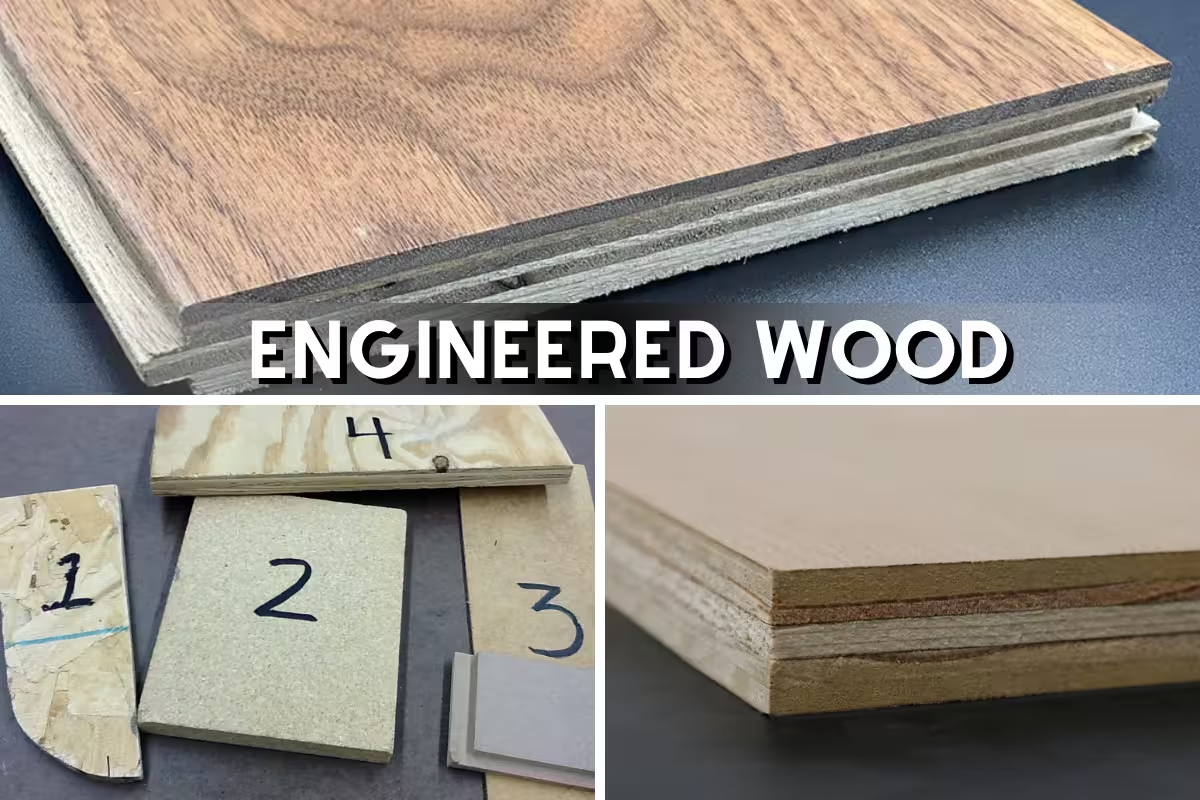
Engineered wood uses veneers, strands, or fibers bonded with adhesives so panels stay consistent in size. That stability is real: cabinet sides made from plywood stay flatter across seasons than wide solid-wood panels, which reduces sticking doors and drawer rub.
The trade-off is edge durability and moisture sensitivity on some products. MDF edges can swell and feel slightly spongy if water gets in, while OSB can “flake” at cut edges if it cycles wet/dry. For deeper comparisons, use cabinet-grade plywood and marine plywood.
Hardwoods vs softwoods: key differences
Key Takeaways: Biology drives pore structure and grain; density influences denting but not always strength; workability is about grain direction, silica, and resin—keep blades sharp and plan for movement.
Tree biology differences
Hardwood trees are angiosperms with vessels that move water, which is why many hardwoods show visible pores and dramatic grain. Softwood trees are gymnosperms that move water through tracheids, so their grain can look more uniform—until you hit knots that twist fibers like braided rope.
This biology matters for finishing. Open-pored hardwoods often need grain filling for smooth gloss finishes, while many softwoods need knot sealing to stop resin bleed through paint.
Strength and density
Density influences how easily a surface dents, which is why flooring specs often reference hardness. Still, density doesn’t tell the whole story for framing: many construction softwoods have excellent strength-to-weight, and engineered lumber can outperform solid timber in predictable loads.
A common pitfall is picking a very dense exotic for a project and then fighting split fasteners and glue issues. Pre-drilling, using the right thread type, and wiping oily woods with solvent (per finish maker guidance) can be the difference between a tight assembly and joints that creep open.
Workability and grain
Workability is where most builds are won or lost. Straight-grained maple machines cleanly, while interlocked grain (common in some tropical hardwoods) can tear out in a planer, leaving ragged patches you can feel as raised fibers even after sanding.
Softwoods can be deceptively tricky: a sharp chisel that slices walnut cleanly may crush earlywood in pine, leaving a bruised dent line. A pro workaround is taking lighter passes with very sharp tools, plus a high-angle plane setup or a card scraper when grain reverses.
Typical applications
Hardwoods show up in furniture, flooring, and trim where appearance and wear matter. Softwoods dominate framing, roof structures, and sheathing. Engineered panels control movement in cabinets, subfloors, and built-ins.
Project-based selection gets easier with focused guides like wood for furniture and wood for outdoor furniture.
Common hardwood types and wood names
Key Takeaways: Learn “paired” hardwoods (white/red oak, hard/soft maple) because names hide performance differences; choose by pore structure, movement, and finishing goals; check sustainability for mahogany-style names.
Oak (white vs red)
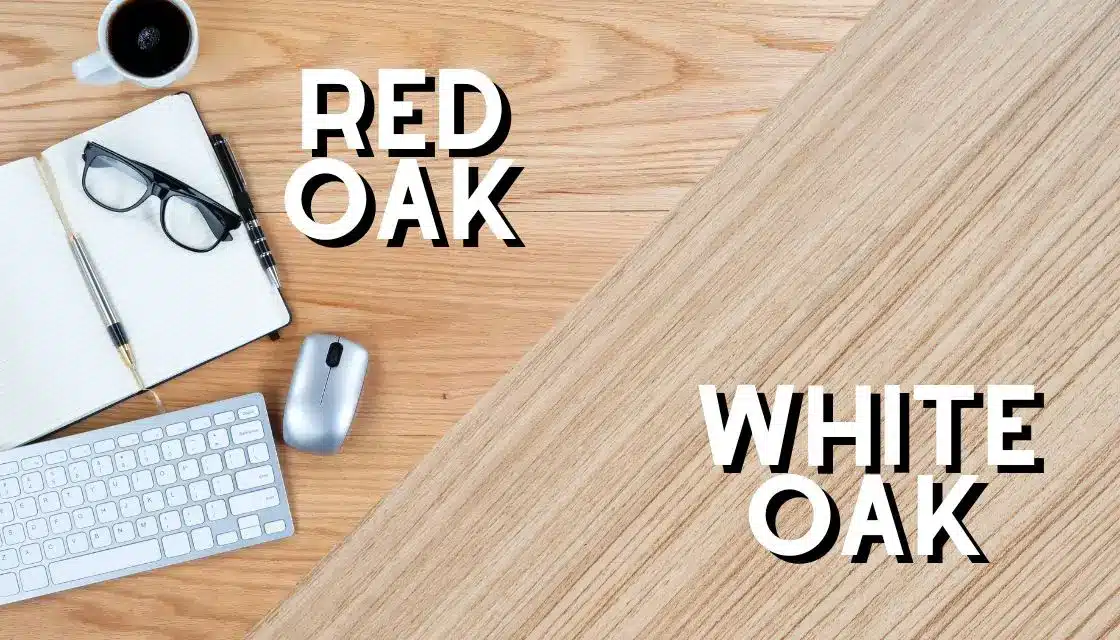
Oak (Quercus spp.) is a core hardwood for flooring and furniture, but “oak” alone isn’t enough. White oak has a closed pore structure that makes it more watertight (classic barrel wood), while red oak has more open pores that can wick moisture more readily.
You’ll often feel white oak as slightly more stringy under a hand plane, with rays that pop when quarter-sawn. For deeper buying guidance, compare white oak wood, red oak wood, and the overview at oak wood.
Beech (European vs American)
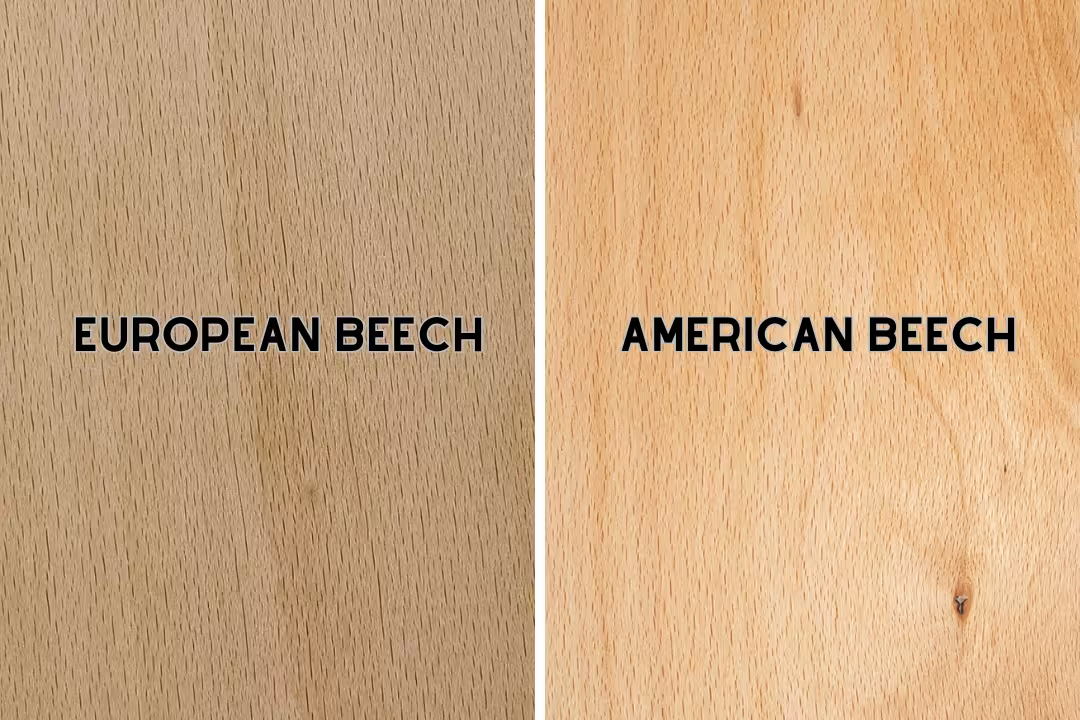
Beech (Fagus spp.) is common in furniture parts, worktops, and tool handles. European beech (Fagus sylvatica) and American beech (Fagus grandifolia) share a similar tight, subtle grain that takes paint and clear finishes cleanly, but movement can be noticeable in wider boards.
Beginners often glue up beech panels without planning for seasonal movement, then watch seams print through the finish months later. A reliable workaround is narrower staves, balanced construction, and finishing all faces to slow moisture exchange.
Maple (hard vs soft)
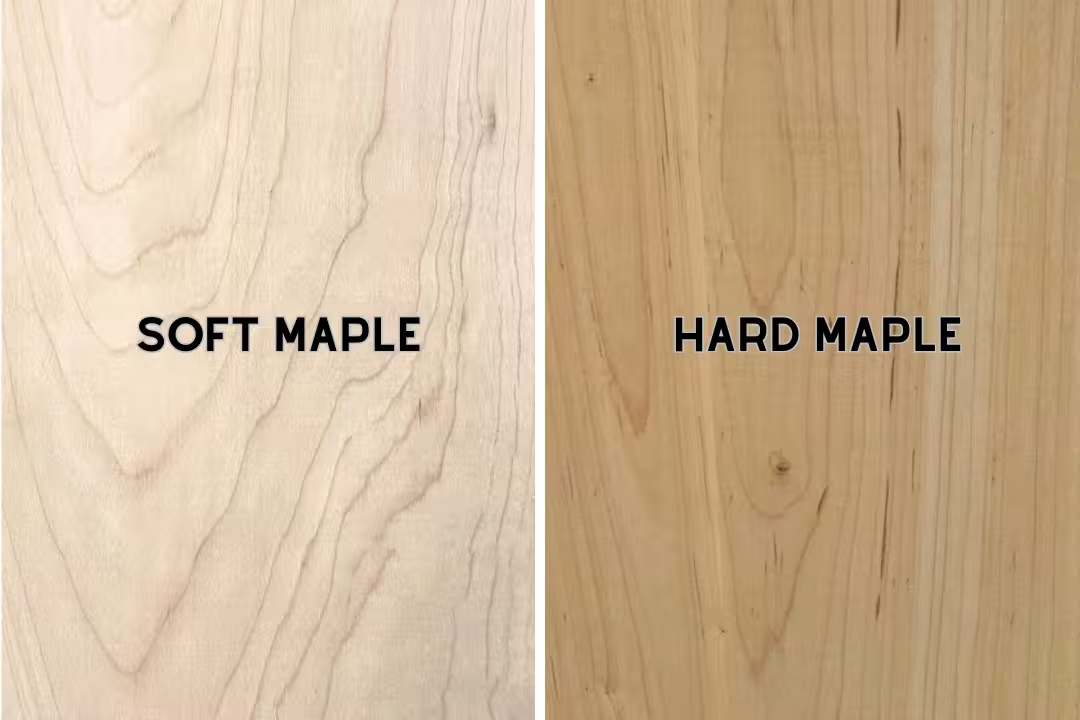
Maple (Acer spp.) splits into “hard” maple (often sugar maple) and “soft” maple (red/silver types). Hard maple is a favorite for floors and butcher-style tops because it resists denting and can feel almost glass-smooth after final passes with a sharp plane.
Blotching is a common finishing problem on maple when stain soaks unevenly. A pro fix is a washcoat or conditioner, then a dye-based color schedule. See the species deep-dive at maple wood and food-safe considerations at best wood for cutting boards.
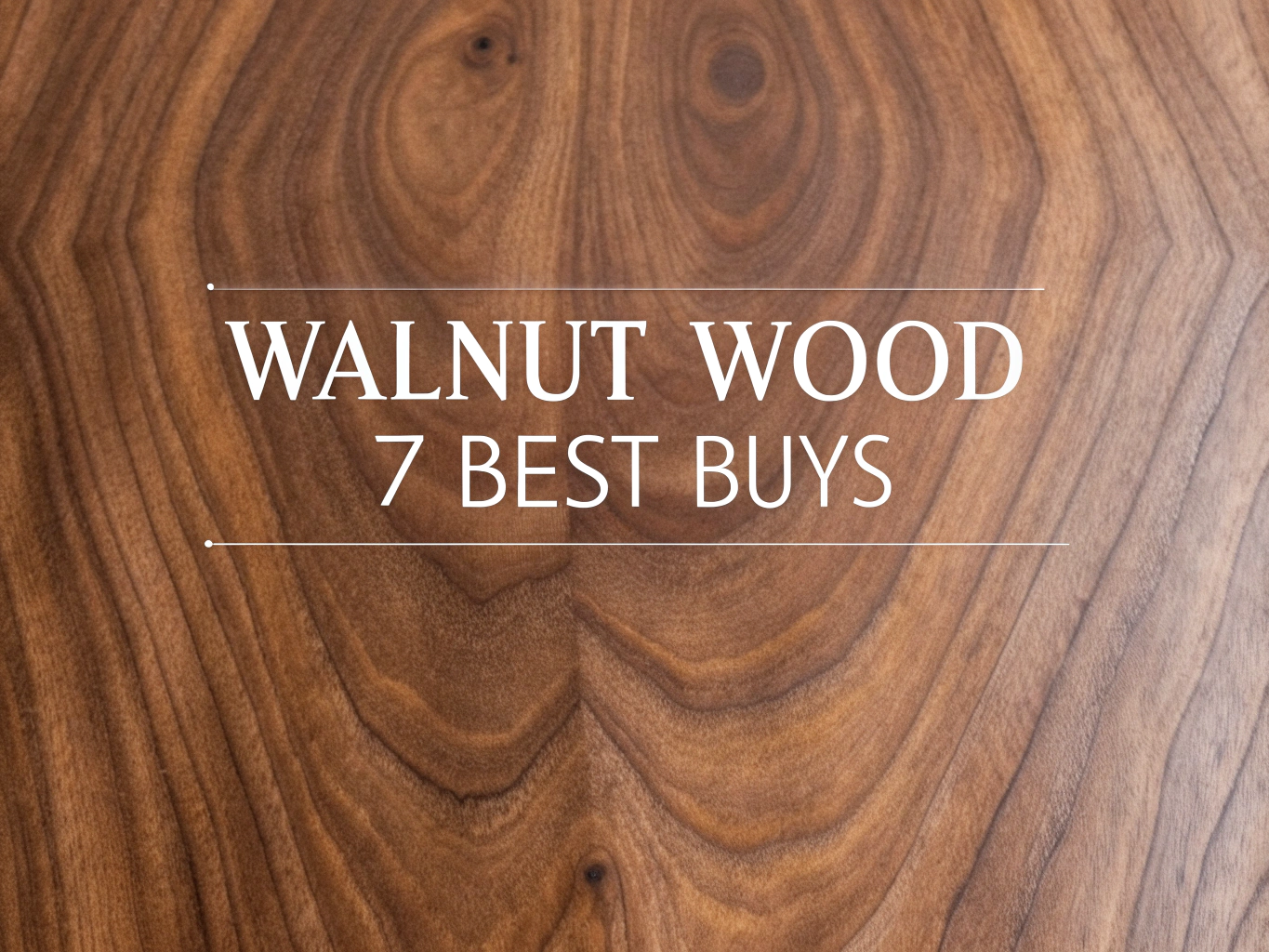
Walnut (black vs common)
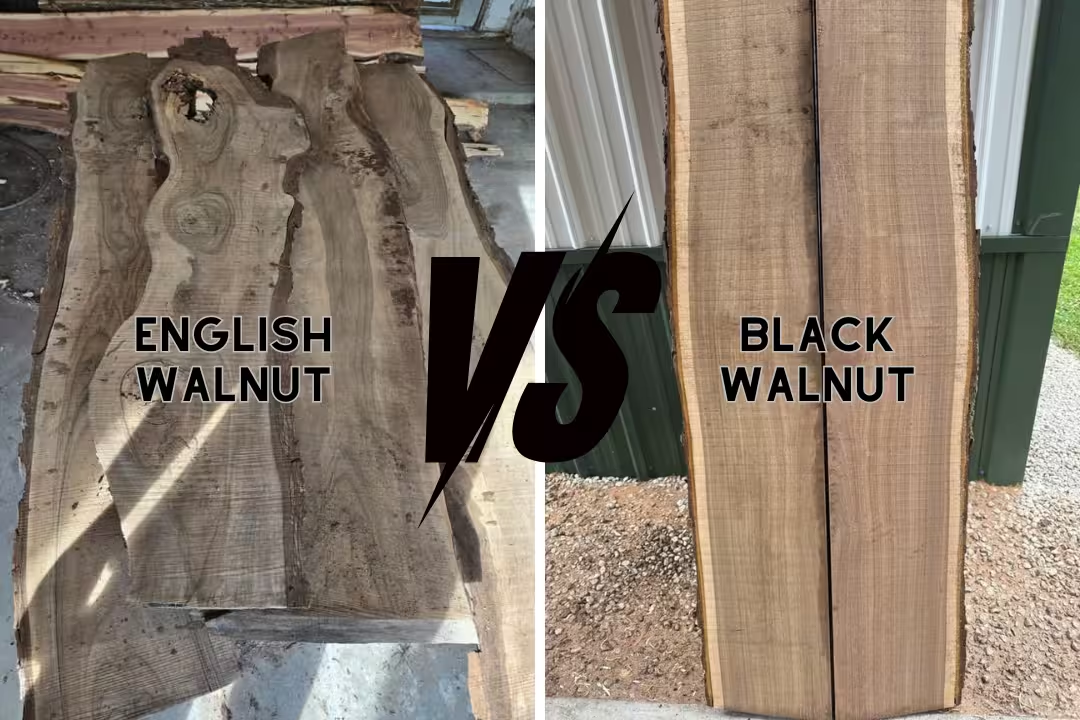
Walnut usually means black walnut (Juglans nigra) in North America, while “common” or English walnut (Juglans regia) is a different look and supply chain. Black walnut’s rich brown can shift toward purple/gray under some finishes, and fresh sanding dust has a faint sweet smell that lingers in the shop.
Walnut is friendly to work, but it can dent at sharp edges in high-use furniture. Small chamfers and a tougher topcoat help. For a focused guide, use black walnut wood, black walnut vs walnut
Mahogany (Swietenia vs Khaya)
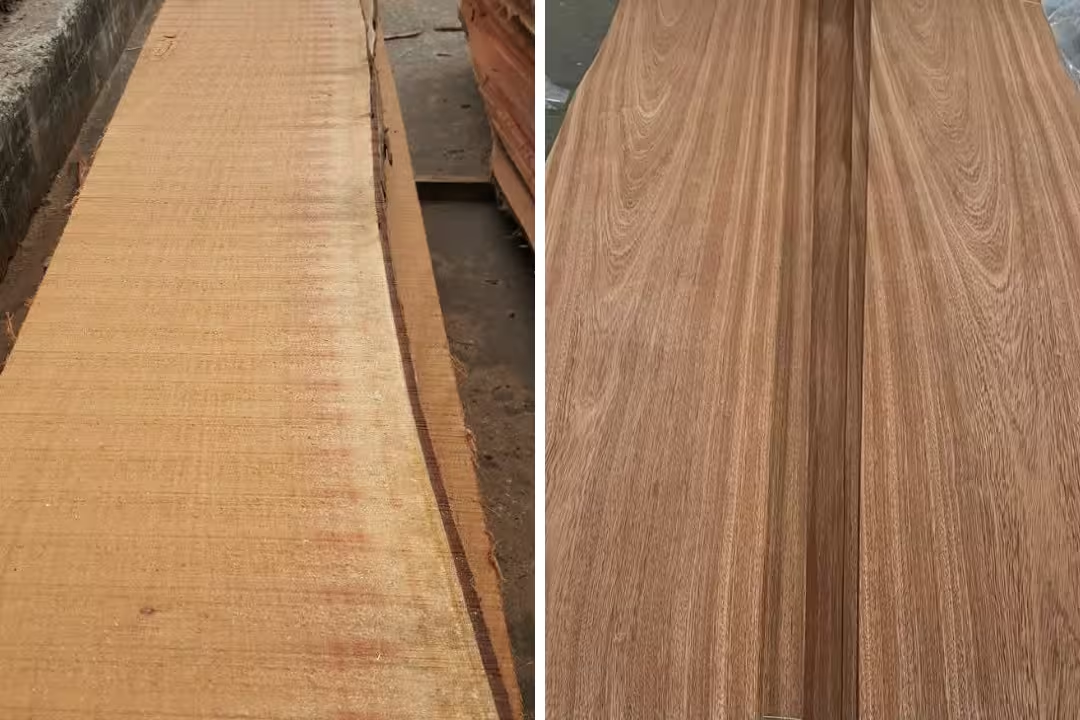
Mahogany is one of the most confusing wood names in the trade. “True” mahogany points to Swietenia (like bigleaf mahogany, Swietenia macrophylla), while African “mahogany” often points to Khaya species, which can differ in color, interlocked grain, and movement.
Interlocked grain can create tear-out that shows up as shiny patches after finishing. A practical fix is scraping instead of planing, and switching to finer cut angles. For more detail, see mahogany wood.
Other common hardwoods
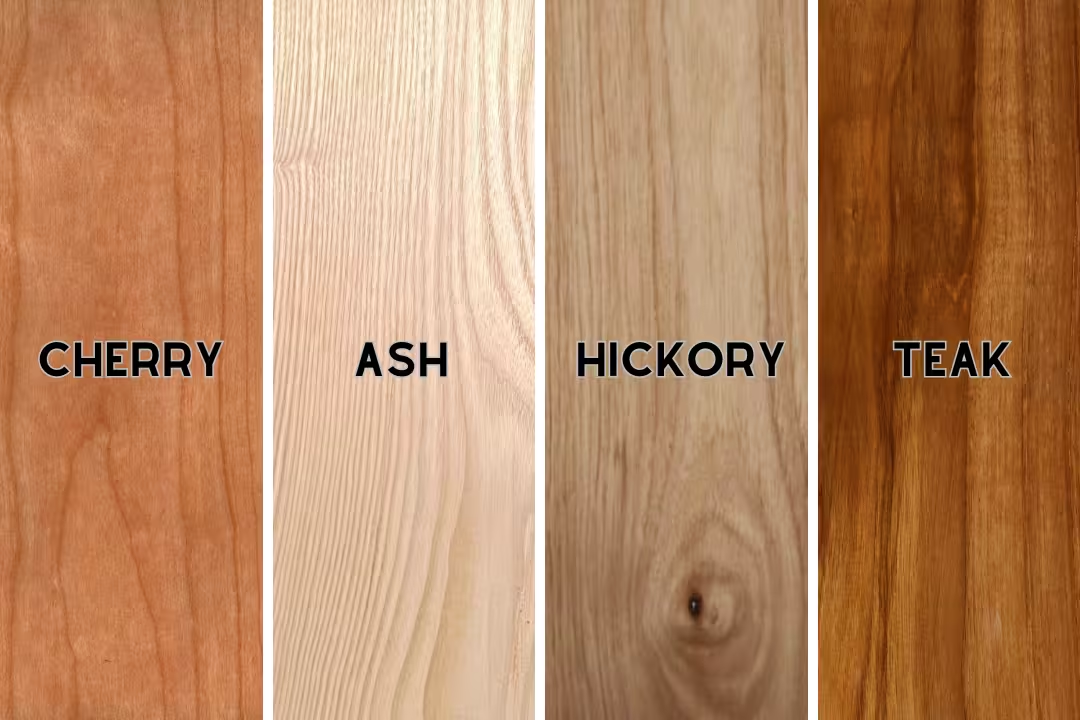
Several “daily use” hardwoods show up in furniture, trim, handles, and utility builds. Picking among them is often about grain, movement, and how forgiving they feel under tools.
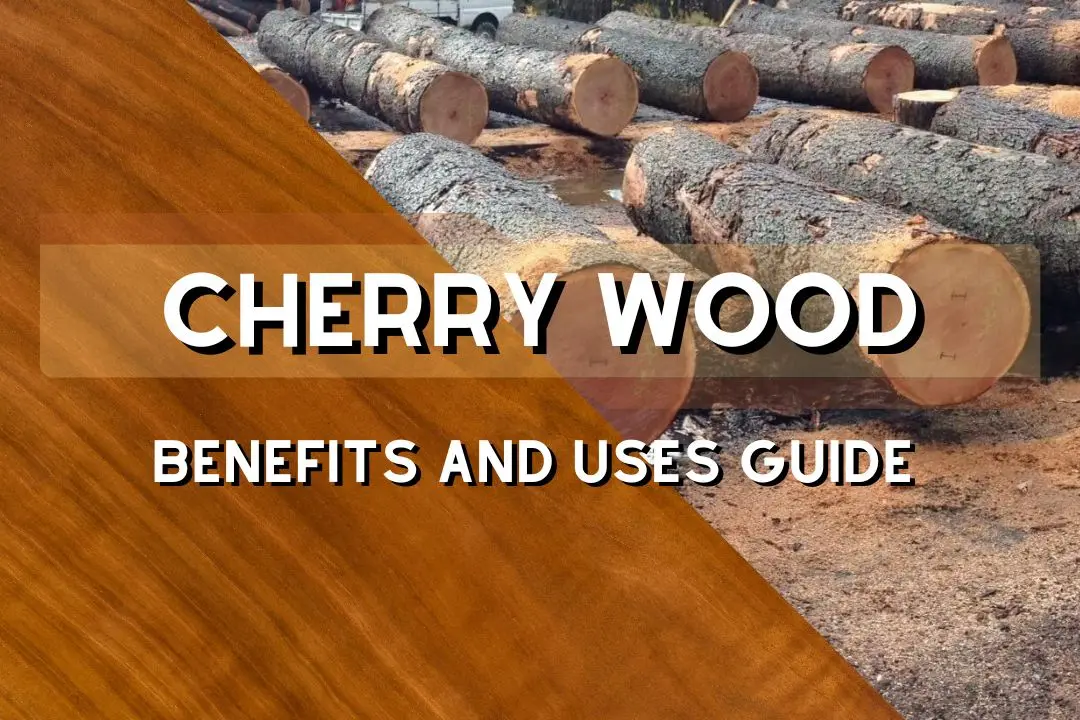
- Cherry: smooth, fast to work, darkens with light; see cherry wood.
- Ash: springy, ring-porous, strong tool handles; see ash wood.
- Hickory: very tough, hard on blades; see hickory wood.
- Teak: oily, outdoor-friendly, finishing requires prep; see teak wood.
If you want a cross-check list of common woods and typical use cases, compare what you see here with Commonly Used Woods.
Common softwood types and construction uses
Key Takeaways: Softwoods dominate construction because they’re abundant and strong for their weight; “cedar” and “fir” are groups, not single woods; resin, knots, and denting drive most real-world problems.
Cedar varieties
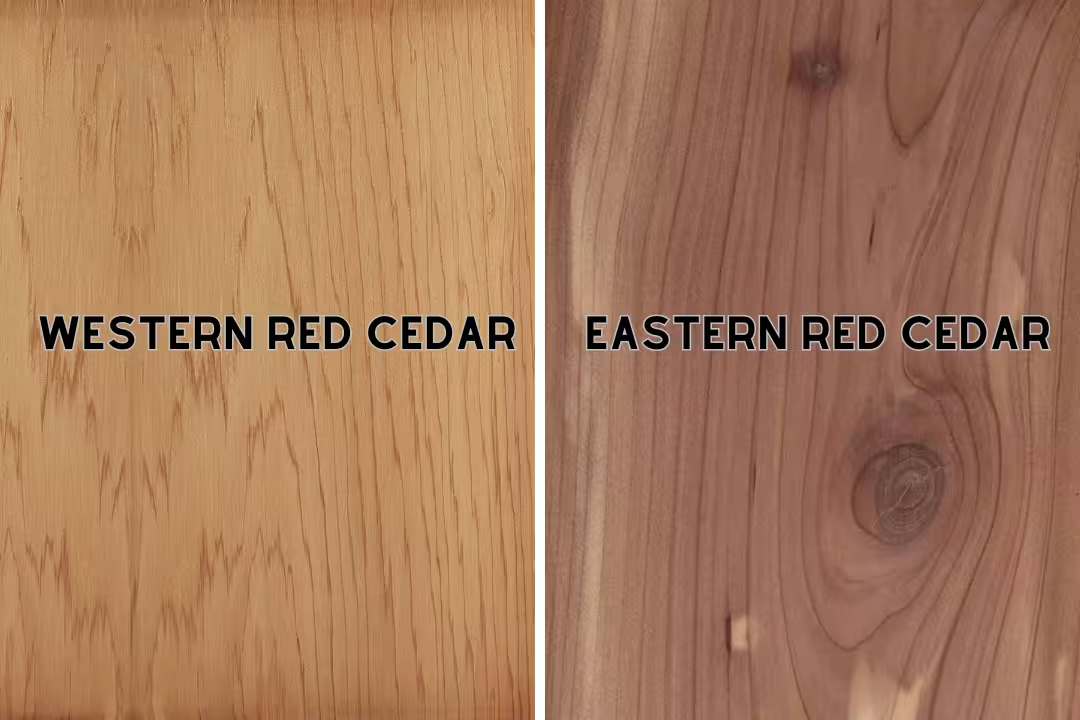
Cedar varies widely: Western Red Cedar, Eastern Red Cedar, Northern White Cedar, Yellow Cedar, and “Spanish cedar” (often not a true cedar). Many cedars have aromatic oils—that closet smell—and the dust can irritate skin or lungs, so respirators and long sleeves prevent the itchy, hot feeling that can show up after sanding.
A common mistake is assuming all cedar has the same rot resistance. Verify the exact type and intended exposure. Use the species guide at cedar wood.
Fir varieties
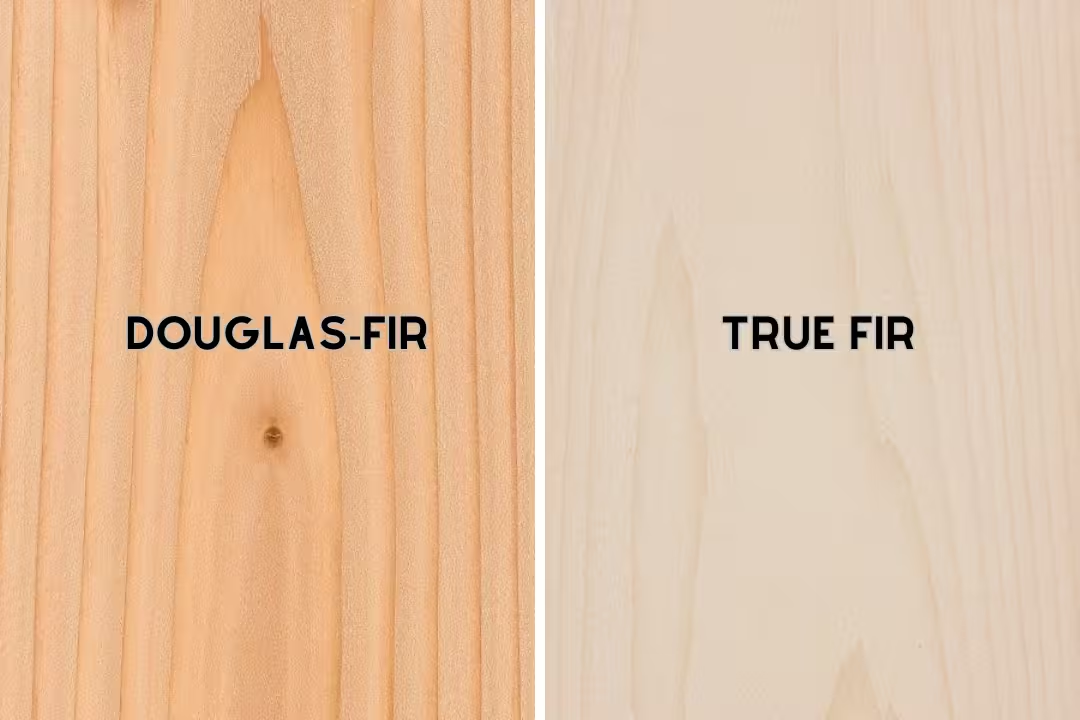
Fir in construction often means Douglas-fir (Pseudotsuga), prized for framing, beams, and plywood cores. “True firs” (Abies) can appear in joinery and general building stock. Douglas-fir can splinter with long, sharp needles at cut edges, so break edges before handling and finish sanding.
Fir’s grain can also show latewood bands that absorb stain unevenly. If you want a uniform look, use a dye schedule or paint, or move to a more even-textured species.
Larch and tamarack
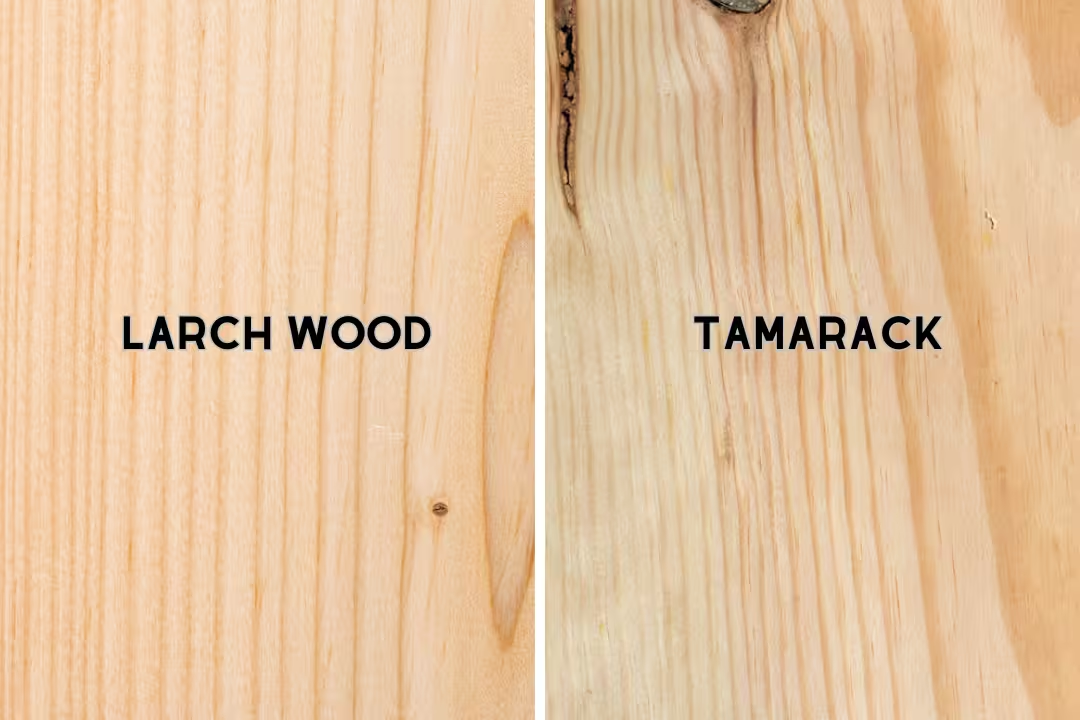
Larch (Larix spp.) and tamarack (often Larix laricina) are durable softwoods often chosen for exterior and utility use where a tougher softwood helps. They can be resinous, and warmed boards can release a piney scent and sticky pitch that transfers to gloves.
Pitch bleed is the big risk. Shellac-based knot sealer and longer acclimation time reduce failures under paint or clear finishes.
Pine and spruce
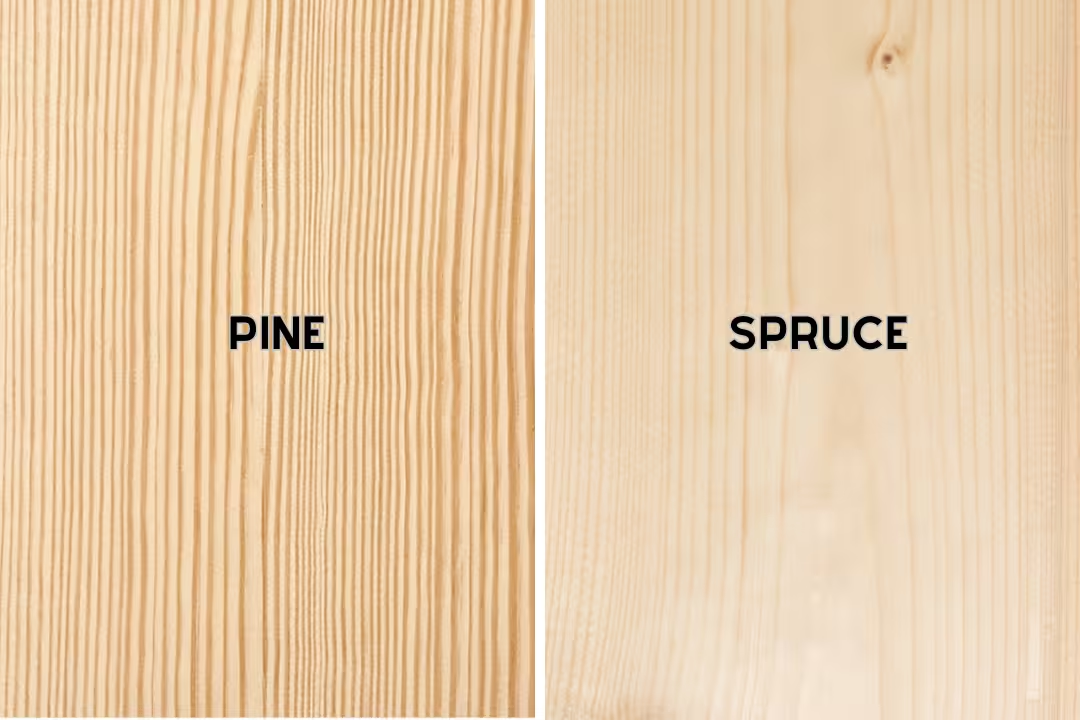
Pine and spruce are staples for framing, shop projects, and painted furniture. The main beginner trap is judging straightness only in the store aisle; pine can look flat, then twist after it dries at home if it was stored wet or tight-bundled.
Pick boards with straighter grain and fewer knots for anything that must stay true. For species notes, see pine board and spruce wood.
Balsa as an outlier
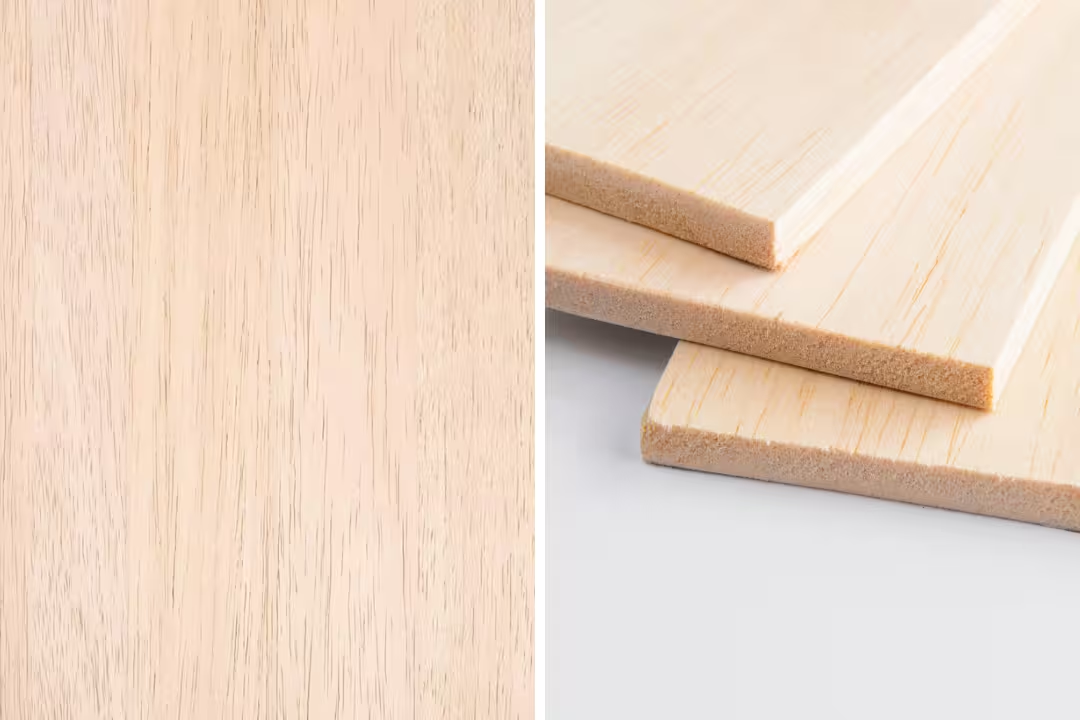
Balsa (Ochroma pyramidale) is a hardwood botanically, but it behaves “softer” than most softwoods in use. It dents if you look at it wrong, and a fingernail can leave a visible impression, which is why it’s popular for models, prototypes, and lightweight cores.
That contradiction is the easiest proof that “hardwood vs softwood” is about plant type, not a guarantee of hardness. For more, see balsa wood.
Exotic and tropical hardwoods worldwide
Key Takeaways: Exotics can solve specific problems (wear, rot, stability) but add risks (silica dulling, oily glue failures, sourcing legality); always verify species and paperwork; consider substitutes when performance gains are minor.
Africa: wenge and azobe
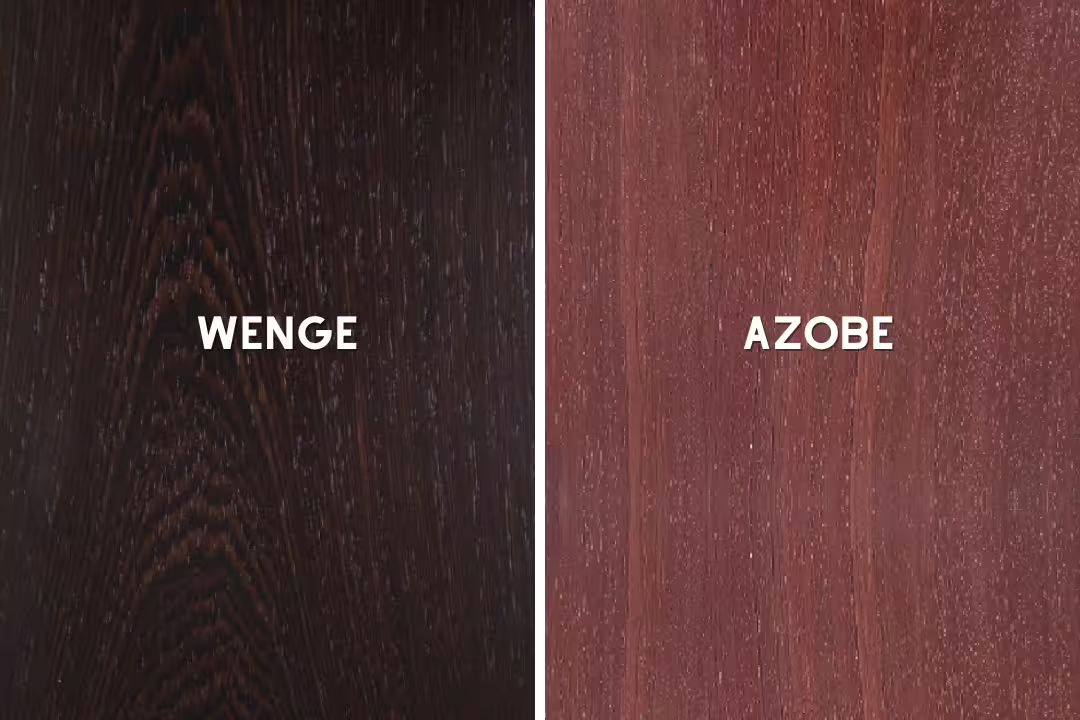
Wenge (Millettia laurentii) is famous for its dark color and bold striping, often used in furniture accents and veneers. It can splinter aggressively—thin, sharp slivers that sting—so gloves and careful edge treatment matter during milling.
Azobe (often Lophira alata, also sold as Ekki) shows up in heavy-duty marine and civil uses. Expect extreme density, fast tool dulling, and higher drilling effort. If you’re researching sustainability claims around timber, cross-check broad guidance like Friends of the Earth: different types of wood and timber.
South America: andiroba and wallaba
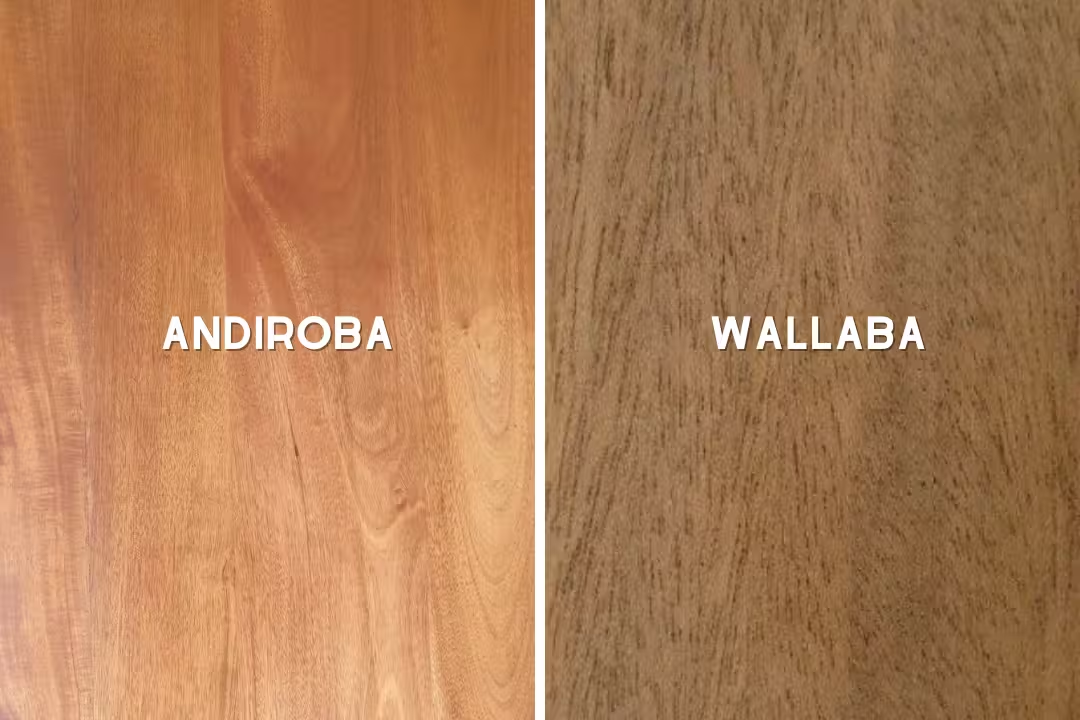
Andiroba (Carapa guianensis) is used for furniture and turnery, often chosen as a workable tropical option. Wallaba (Eperua spp.) is commonly used in heavy construction and exterior settings, with a reputation for durability in tough environments.
A common failure with dense tropicals is using the wrong adhesive or skipping surface prep. If the surface feels oily right after cutting, bond strength can suffer; fresh machining and the correct glue choice reduce delamination.
Asia: sepetir and medang
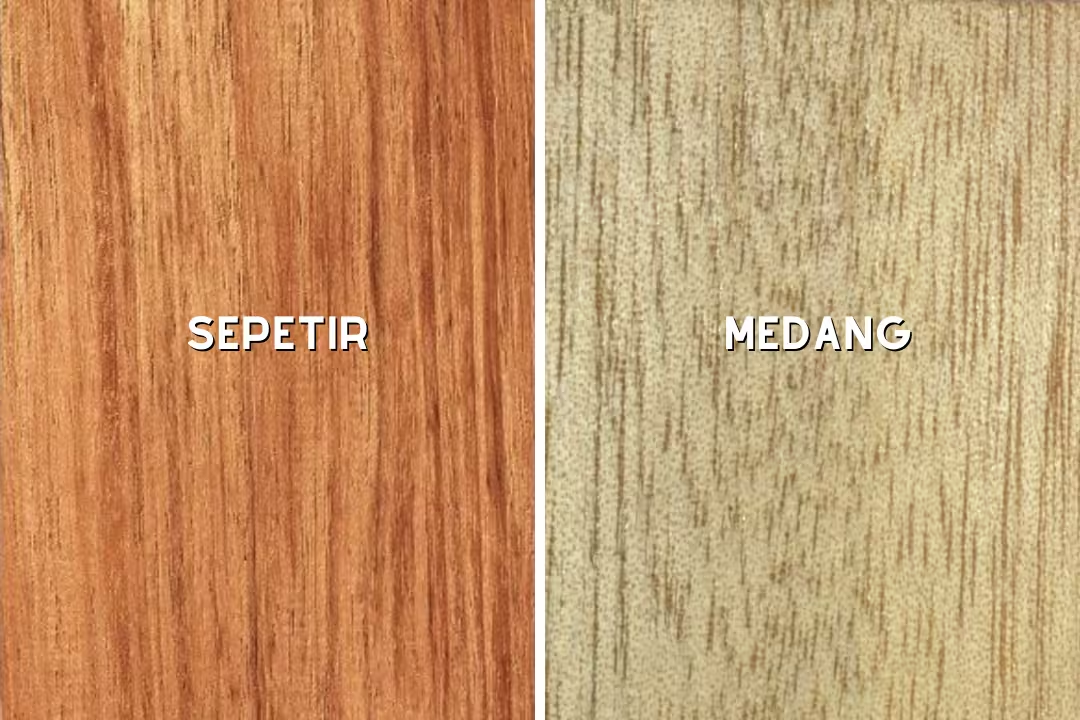
Sepetir (Pseudosindora palustris) and medang (often Litsea spp.) can show up in furniture, plywood, and general timber trade under variable local names. That name variability is the risk: you can receive different densities and movement profiles under the same order label.
Ask suppliers for scientific name, country of harvest, and certification paperwork up front. The “mystery wood” problem is one reason many shops limit exotic inventories to a short approved list.
When exotics make sense
Exotics make sense when they solve a specific constraint: extreme wear, insect resistance, moisture exposure, or a visual match for restoration. They make less sense when a local hardwood plus a good finish would last just as long with fewer sourcing risks.
If you’re evaluating “premium” claims, supplier directories like Cook Woods: wood by species can help you compare what’s commonly stocked, but treat catalogs as availability signals, not proof of sustainability.
Wood hardness and durability (Janka scale)
Key Takeaways: Janka measures dent resistance, not rot resistance; use it to select flooring and work surfaces; high Janka often means harder machining and more splitting; durability needs a separate check.
How Janka is measured
Janka hardness measures the force needed to press a standardized steel ball into wood to a set depth. It’s reported in lbf (pounds-force) in many references, making it practical for comparing dent resistance between species.
If you want the “why it matters” version for projects, use wood hardness scale alongside density notes like density of wood.
Interpreting lbf numbers
Higher lbf means more resistance to dents, which helps for floors, tabletops, and workbenches. It also often means tougher machining, more burn marks on router bits, and a bigger need for pre-drilling to avoid split screw holes.
A practical benchmark: if a wood feels “soft” under a fingernail and sands to a fuzzy surface, it’ll likely show heel dents and chair scuffs quickly unless you use rugs, pads, or a protective finish.
Common woods on Janka
Common species span from carving-friendly to flooring-ready. Basswood is often cited around 410 lbf, while sugar maple is commonly referenced around 1,450 lbf, and many oaks land around the 1,200–1,360 lbf band depending on type and source.
| Wood (common name) | Category | Typical Janka (lbf) | What it’s good for | Main risk in use |
|---|---|---|---|---|
| Balsa | Hardwood (botanical) | ~100 | Models, lightweight cores | Dents instantly |
| Basswood | Hardwood | ~410 | Carving, painted projects | Edge bruising |
| Spruce (many types) | Softwood | ~400–500 | Framing, soundboards | Surface denting |
| Red oak (typical range) | Hardwood | ~1,290 | Flooring, furniture | Open-pore moisture wicking |
| White oak (typical range) | Hardwood | ~1,360 | Flooring, barrels, outdoor-ish parts | Tannin staining with iron |
| Sugar maple | Hardwood | ~1,450 | Floors, worktops | Blotchy staining |
For a broader list of hardness numbers and use notes, cross-check against consolidated rankings like 75 types of wood ranked by Janka hardness.
Extreme hardwoods on Janka
Some woods reach extreme Janka values (often cited in the 4,500–5,000+ lbf range in rankings). They’re impressive on paper, but they can be punishing in real builds: carbide tooling becomes a requirement, drilling generates heat fast, and any mistake costs real money in wasted stock.
One overlooked issue is burning during routing and ripping. Slower feed or dull blades can leave black scorch that stays visible under clear finish, even after sanding, because the heat can penetrate deeper than you expect.
Hardness vs durability
Hardness is dent resistance; durability is how wood holds up to fungi, insects, and moisture cycling. A hard wood can still rot quickly outdoors if it lacks natural decay resistance, and a softer cedar can last longer outside because its chemistry fights decay.
That’s why outdoor selection should combine decay ratings, finish plan, and design details like drainage and ventilation. If you’re comparing aesthetics too, use colors of wood to avoid surprises after finishing.

Wood Identification and Use Guide
- Clear identification features for common and rare woods
- Guidance on best uses and suitability for projects
- Notes on durability, stability, and finishing approaches
- Compact practical format for field or workshop reference
- Valuable for woodworkers, craftsmen, and conservationists
Buy on Amazon
Identify wood by grain, color, origin
Key Takeaways: Use a mix of grain, end grain, smell, and weight; freshly cut surfaces reveal more than aged faces; ID is probabilistic—confirm with scientific name when it affects safety, compliance, or performance.
Grain patterns
Grain is one of the fastest ID cues. Oak often shows strong rays (especially quarter-sawn), ash shows ring-porous bands, and maple can show subtle grain with occasional figure like curl. For visual vocabulary, see wood grain pattern.
Beginners often judge from a single face. Flip boards and check all sides because stain, UV, and oxidation can disguise the true grain, especially on reclaimed material.
Color ranges
Color is helpful but unreliable alone. Freshly planed cherry can look pale pink before darkening, and walnut sapwood can look almost blond next to heartwood. Use comparison guides like light-colored wood and dark wood types to narrow options.
One “shop trick” is to wipe a small area with mineral spirits: it temporarily simulates a finish and makes figure and grain contrast pop without committing to stain.
Smell and oils
Smell can be a strong clue: cedar is unmistakably aromatic, while some tropicals smell spicy or rubbery right after cutting. Those aromas come from extractives and oils that also affect gluing and finishing.
Dust reaction is a real risk. If a wood causes burning eyes, tight chest, or skin itch, treat it as a hazard: improve dust collection, wear a better respirator, and avoid dry sweeping that re-aerosolizes fine particles.
End grain clues
End grain is often the decisive test because pore layout and vessel size reveal hardwood families. A hand lens and a freshly cut end help you see whether pores are ring-porous (oak/ash) or diffuse-porous (maple/beech).
Skipping end-grain checks is a common mistake when buying “mystery boards.” It’s easy to be fooled by stain or age on the face, while end grain still shows the real structure.
ID tools and references
A practical ID kit is simple: a hand lens, a sharp knife for fresh cuts, a small scale to estimate density, and a notebook of known samples. For a broad database of common names and cross references, check wood-database.com/common-name.
When ID affects legal sourcing or safety, treat your guess as a hypothesis and confirm with the supplier’s documentation. “Looks like teak” is not the same as proven teak.
Choosing wood by application
Key Takeaways: Start from the job (wear, moisture, structure), then pick species and cut; plan for movement; design beats species for outdoor life (drainage, airflow, replaceable parts).
Furniture and joinery
For furniture, you want predictable movement, strong glue joints, and good machining. Oak, maple, cherry, walnut, and beech are common choices. If you want a faster path, build a short list from types of wood for furniture.
Beginner mistake: choosing wood for looks, then discovering it won’t behave for joinery (tear-out, splits, blotches). A workaround is testing the full process on offcuts—milling, sanding, staining, topcoat—before you commit your best boards.
Flooring and wear surfaces
For flooring and wear surfaces, use hardness as a filter, then confirm stability and finishing. Maple and oak are popular because they handle daily foot traffic, but you still need finish systems that match the environment (pets, grit, humidity).
A real-world wear issue is grit acting like sandpaper under shoes. Even hard woods scratch if the finish is soft or thin, so entry mats and regular vacuuming keep floors looking new longer.
Construction and structural
For structural work, species matters, but grading and engineered options often matter more. Spruce, pine, and fir show up because they’re strong for their weight and available in standardized sizes. Panel choices like OSB and plywood also control shear and racking in walls and roofs.
A common mistake is using interior-grade panels where moisture shows up. If a space can get damp, pick the right panel type and edge-seal cut edges to avoid swelling and fastener “mushrooming.”
Outdoor and rot resistance
Outdoor projects need rot resistance, drainage-friendly design, and maintenance planning. Cedar and teak are common, while modified woods and high-quality engineered options can outperform many natural boards in stability. If you’re comparing upgraded alternatives, see Accoya wood.
The biggest outdoor failure isn’t the species—it’s trapped water. Flat horizontal surfaces, end grain exposed upward, and no gap spacing lead to soft, dark punky spots and fast decay.
Specialty uses and veneers
Veneers and specialty panels let you get premium looks with stable cores. That’s why many “walnut” cabinet sides are walnut veneer over plywood, with solid wood reserved for edges and doors.
Don’t sand through veneer—another classic beginner mistake. If you feel the surface warming fast and the grain pattern starts to fade, stop and switch to lighter pressure and finer grit.
Sustainable and endangered wood species
Key Takeaways: Certifications help but don’t replace due diligence; IUCN status flags risk; CITES can restrict trade; plantation stock can stabilize supply; choose lower-risk substitutes early to avoid redesign later.
FSC-certified timber basics
FSC certification is one of the more recognized systems for responsible forestry and chain-of-custody. In real buying, the key is matching invoice/pack labels to the claim—because “FSC mix” and “FSC 100%” are not the same thing in practice.
A common mistake is trusting a website badge. Ask for the chain-of-custody code and keep it with your project records, especially for commercial work.
IUCN status and risk
IUCN categories (like Vulnerable or Endangered) are a useful risk signal for species pressure, even if they don’t automatically make a wood illegal. If a species is flagged, treat it as a cue to verify sourcing and consider substitutions before your design depends on it.
One practical issue: substitution late in a build can change color match and finishing. Doing a small finish sample board early avoids the dreaded “this isn’t the same brown” moment after installation.
CITES and trade limits
CITES listings can limit how certain species move across borders. Paperwork matters for import/export, commercial makers, and even personal instrument or furniture travel in some cases. Trade names like “mahogany” can hide a CITES-listed species if you don’t confirm the botanical ID.
When you’re buying tropical hardwoods, treat missing paperwork as a red flag. If a seller can’t tell you species and origin, you can’t assess risk.
Plantation vs wild sourcing
Plantation timber can improve supply predictability, reduce pressure on wild forests, and stabilize pricing for common softwoods and some hardwoods. Still, plantations can create different wood characteristics (faster growth, wider growth rings), which can change stability and finishing behavior.
Faster-grown boards can feel slightly more soft in earlywood zones, which affects denting and sanding. Adjust expectations and finish schedules accordingly.
Lower-risk alternatives
If you need the look of a pressured species, use alternatives with similar properties, or use veneer over stable cores to reduce total volume. Engineered and modified options can deliver consistency with less risk of supply interruption.
Cost shock is also real: if a wood becomes scarce, your replacement boards may arrive months later with different color and figure. Building a backup option into the design saves schedules and budgets.
Engineered wood alternatives to natural timber
Key Takeaways: Engineered panels improve stability and yield; pick the right panel for moisture; think about edges and fasteners; for premium builds, use better cores and face veneers.
Plywood and veneers
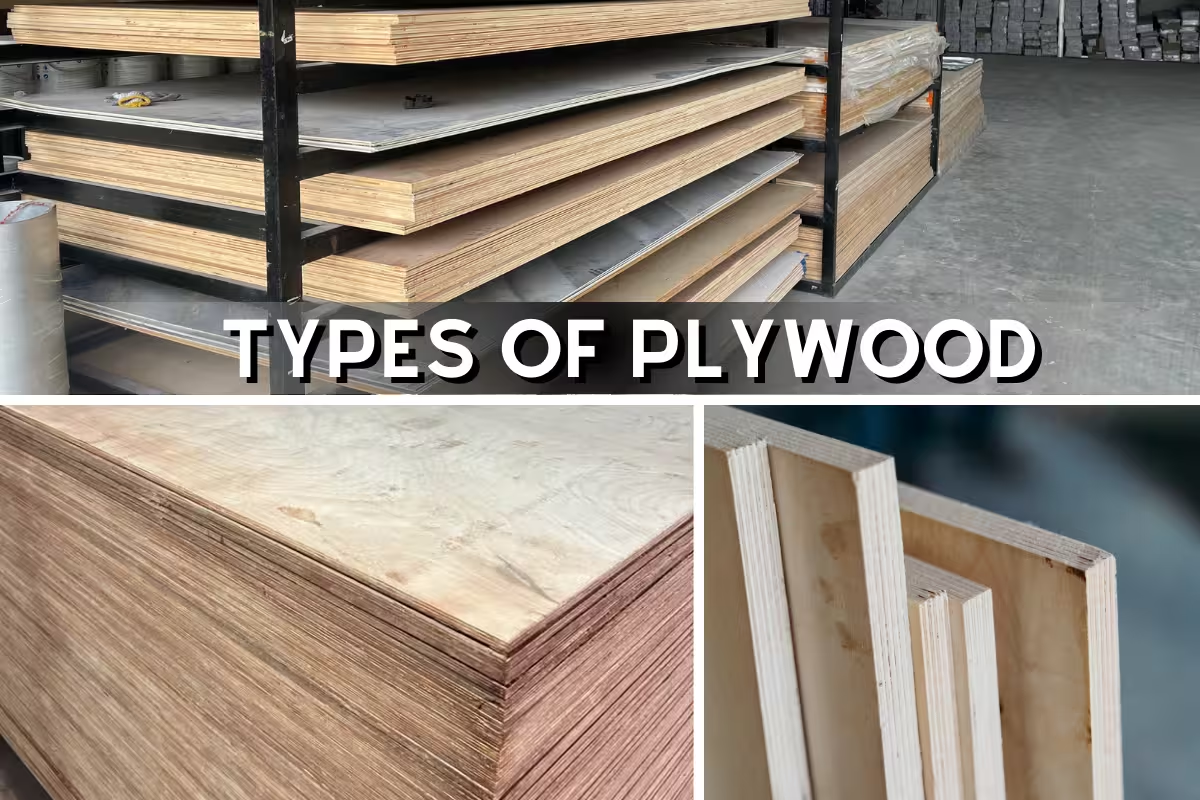
Plywood uses cross-laminated veneers that reduce movement and increase dimensional stability. It’s a go-to for cabinets, shelving, and substructures where solid wood would cup or split. For deeper picks, see marine plywood, luan plywood, and phenolic plywood.
Beginner mistake: using low-grade plywood for exposed cabinetry. Thin face veneers sand through fast and leave blotchy patches that won’t take stain evenly.
MDF and fiber panels
MDF is flat, smooth, and paint-friendly, which is why it shows up in doors, trim profiles, and interiors. It also creates very fine dust that feels dry in the throat and hangs in the air, so good extraction and a proper respirator matter.
The primary risk is moisture. Swollen MDF edges can telegraph through paint, so seal edges with primer or dedicated edge sealer before topcoats.
OSB and structural panels
OSB is engineered for structural sheathing and can perform well under proper building detailing. Its weakness is cut-edge exposure to water, where swelling and strand lift can reduce pull-out strength and create uneven wall planes.
Edge sealing, correct wrap details, and keeping panels off wet slabs prevent many avoidable failures.
Stability and warp control
Stability is the reason engineered goods keep gaining share: cross-laminated layers and fiber bonding resist cup and twist in ways solid wood can’t. This matters most in wide surfaces like cabinet ends, built-in side panels, and long shelving runs.
If you’re fighting warped panels, look beyond material and check storage. Panels stored leaning against a wall can take a set; store flat with support stickers.
When engineered is better
Engineered is often the better choice for painted cabinetry, large flat surfaces, and anything that must fit tightly across seasons. It also reduces waste because you can cover more area per tree than wide, clear solid boards.
For alternative materials beyond typical panels, compare laminated wood, bamboo lumber, and Richlite.
Limitations, risks, and supply trends
Key Takeaways: Health risks come from dust and extractives; supply can shift fast from disease or trade limits; cost and yield depend on defects and cut; regional sourcing affects lead times; engineered adoption keeps rising because it’s predictable.
Allergies and dust safety
Dust safety is a wood-selection issue, not just a shop issue. Cedar and many exotics can irritate skin and lungs, and MDF generates fine particulate that can feel like chalk in your nose after cutting. Use localized dust collection, a good respirator, and avoid dry sweeping.
Common mistake: sanding without extraction because “it’s just a small job.” Short exposures add up, and irritation often starts mild—dry throat, watery eyes—then worsens over repeated sessions.
Disease and availability shocks
Disease can change availability quickly. Elm is a classic example in many regions where disease reduced supply and shifted it from common stock to specialty/reclaimed channels. That shift affects pricing, board quality consistency, and matching for repairs.
A workaround is to design projects to accept multiple species from the start, then confirm availability before final drawings. That approach prevents last-minute substitutions that don’t match color or machining behavior.
Cost and yield realities
Cost isn’t only about species. Yield losses from knots, checks, sapwood, or twist can make a “cheap” board more expensive than a stable premium board. When you buy rough lumber, plan for milling waste, and check boards for end checks before you pay.
If budget is the driver, compare guidance like cheapest wood and contrast it with the reality of defect rates on the stack.
Regional sourcing risks
Regional sourcing affects lead time, moisture content, and even sizing. Lumber shipped long distances may arrive wetter or drier than your shop environment, which can cause fast movement after you break down the boards.
Let boards acclimate, then joint and plane close to final size later. Milling everything to final thickness immediately is a common mistake that leads to cupping overnight.
Market shift to engineered wood
Engineered wood keeps gaining popularity because it’s consistent, efficient, and stable. For many builds, it reduces callbacks: fewer stuck doors, fewer cracked panels, fewer warped shelves. The downside is that some products are less forgiving after water exposure and need better edge detailing.
If you want to compare premium panel choices for wet areas or long spans, use marine plywood and phenolic plywood as starting points.
Misconceptions and common mistakes
Key Takeaways: Hardwood doesn’t mean harder; no wood is fully waterproof; cedar varies by species; ignoring movement causes cracks and warps; certification claims need proof.
Hardwood isn’t always harder
Hardwood and softwood describe tree type, not a guaranteed hardness level. Balsa is a hardwood botanically but dents easily, while some softwoods can outperform low-density hardwoods in practical strength-to-weight scenarios.
A better filter is a combination of hardness, density, and grain structure. Use wood hardness scale and density of wood together.
“Waterproof” wood myths
No common wood is truly waterproof. Some species resist decay better, and some finishes slow water entry, but water eventually gets into end grain, joints, and screw holes. Outdoor longevity comes from design: slopes, gaps, ventilation, and replaceable parts.
A strong workaround is sealing end grain, using stainless fasteners where needed, and keeping boards off standing water. Species choice helps, but detailing wins.
Assuming all cedar is the same
Cedar can mean multiple species with different density, rot resistance, and aroma intensity. Some are feather-light and dent easily; others are tougher and heavier. Always confirm which cedar you’re getting and match it to exposure and wear.
For a practical guide to what changes between cedars, see cedar wood.
Ignoring movement and grain
Wood movement across the grain causes split panels, cracked finishes, and racked frames. The classic beginner mistake is screwing a solid-wood tabletop down tight across its width with no slots or hardware to allow movement.
Pro fixes include elongated holes, figure-eight fasteners, Z-clips, and frame-and-panel construction. Grain orientation also matters: quarter-sawn boards can reduce cupping and show different figure on oak rays.
Overlooking certification claims
Certification claims without paperwork are marketing, not proof. Check chain-of-custody numbers, match them to invoices, and keep copies for any project that may be audited or resold with sustainability claims.
If you want a broad, consumer-friendly overview of responsible wood choices, compare with WSRI: different types of wood and their uses, then bring those questions back to your supplier.
Lessons Learned in Practice: what projects teach you about wood
Key Takeaways: Acclimation beats rushing; moisture problems show up at cut edges and end grain; oily woods break glue-ups; boards can look perfect then twist overnight; keeping a “known good” short list saves rework.
The biggest surprise people hit is how fast wood can move after milling. A board that comes off the planer dead flat can turn into a shallow potato chip by morning if internal stress releases or the shop humidity swings. I’ll rough-mill, sticker the parts, then final-mill later so the movement happens before joinery.
Another friction point is blotchy finishes on maple and pine. The surface can look perfect after sanding, then the first wipe of stain reveals cloudy patches. The workaround is building a finish schedule: washcoat/conditioner, then dye or gel stain, then topcoat, tested on offcuts under the same lighting you’ll live with.
Dense tropicals create a different headache: tool wear and glue failure. You’ll feel it as extra resistance in the cut and hear a sharper, higher-pitched whine from the blade as it dulls. Freshly cut oily surfaces can weaken bonds; plan glue-ups right after machining, use the correct adhesive, and clamp with cauls to keep pressure even.
Softwoods teach humility too. Pine can crush and dent during assembly, leaving thumbprints that show after paint. A simple fix is using padded clamps, pre-finishing parts where possible, and breaking edges early so handling doesn’t leave shiny compression marks.
Finally, supply surprises happen more often than people expect. A species that’s “always available” can vanish for months, or arrive with different color and wider growth rings. Keeping a substitute list—and designing pieces that accept veneer over stable cores—keeps projects moving without ugly mismatches.
Strategic outlook: how to use this guide
Key Takeaways: Build a short list by category and risk; match specs to environment and tooling; plan for substitutions; use engineered options for stability and repeatability.
Build a wood short list
Start by listing 3–6 woods you can reliably source in your region across the year. Mix at least one stable engineered panel option with two common hardwoods and one construction softwood, so you can adapt without redesign.
Use your aesthetics filters too: wood colors, light woods, and dark woods help narrow fast without guessing in the lumber aisle.
Match specs to projects
Match wood to the constraints: dent resistance for flooring, stability for cabinets, rot resistance for outdoor, and predictable strength for structural. When wear matters, start with hardness and density; when moisture matters, start with durability and detailing.
If you’re balancing budget, performance, and appearance, it helps to keep a matrix like this:
| Application | Primary need | Good choices | Common failure | Pro workaround |
|---|---|---|---|---|
| Painted cabinets | Stability + smooth surface | MDF faces, cabinet-grade plywood cases | Swollen edges | Seal edges + moisture-rated panel where needed |
| Solid tables | Joinery strength + movement control | Oak, walnut, cherry, maple | Cracked tops / fastener splits | Allow movement with clips/slots; pre-drill |
| Framing | Strength-to-weight + availability | Spruce/pine/fir | Twist after install | Sort crowns; store dry; brace correctly |
| Outdoor seating | Decay resistance + detailing | Cedar, teak, modified woods | Rot at joints/end grain | Drainage gaps; seal end grain; avoid water traps |
| Counter/worktops | Dent resistance + finish | Maple, oak; engineered surfaces where better | Stain rings / dents | Hardwax or tough film finish; use trivets |
Plan for supply uncertainty
Assume at least one material in your build will be delayed or swapped. Write your cut list to allow substitutes (same thickness, similar movement behavior), and buy all visible boards at once to avoid color mismatch across batches.
If you’re using premium species, price swings can be sharp. It helps to know both ends of the spectrum by comparing most expensive wood and cheapest wood so you can pivot without wrecking the design.
When to choose substitutes
Choose substitutes when the original species adds risk (sourcing uncertainty, unclear paperwork, extreme tool wear) without meaningful performance gains. Veneer over stable cores often gives the same look with fewer movement problems and better yield.
If your goal is a panel that stays flat in a wet-prone area, choosing the right engineered product can beat “better” solid wood. Use marine plywood or phenolic plywood when the environment demands it.
FAQs
What Are The Main Types Of Wood And How Are They Classified?
The main types of wood are hardwoods and softwoods, classified by the tree’s reproductive method rather than by actual hardness. Hardwoods come from broad-leaved trees and often show varied grain, while softwoods come from conifers and tend to grow faster. Other useful categories include appearance, density, and manufactured products like plywood and engineered lumber.
What’S The Difference Between Hardwood And Softwood If Hardwood Isn’T Always Harder?
Hardwood and softwood are botanical categories: hardwoods come from flowering (angiosperm) trees and softwoods from conifers, so the names don’t always indicate density. Hardwoods often have complex grain and suit furniture and flooring, while softwoods are generally lighter, straighter-grained and used for framing and trim. Some softwoods can be harder than certain hardwoods, so consult Janka ratings for strength-sensitive projects.
What Is The Janka Hardness Scale And What’S A Good Rating For Flooring?
The Janka hardness scale measures the force required to embed a steel ball halfway into wood and indicates resistance to denting and wear. For most homes, a Janka rating around 1,000–1,500 lbf provides good durability; higher ratings are recommended for heavy-traffic or commercial areas. Remember finishes and board construction also affect real-world performance.
How Can I Identify Wood Species By Grain And Color?
You can identify wood species by observing grain pattern, pore structure, color, and growth rings as primary clues. Use a magnifier to inspect pores and rays, compare samples with field guides or online databases, and note weight, smell, and how the wood takes finish. Be cautious as stains and finishes can obscure natural color and pattern.
Which Wood Species Are Endangered And What Are Sustainable Alternatives?
Many tropical hardwoods such as certain rosewoods, mahoganies, and ebony are endangered due to overharvesting and illegal trade. Choose certified woods (FSC/PEFC), reclaimed timber, plantation-grown species, or alternatives like oak, maple, engineered wood, and bamboo to reduce environmental impact. Always check supplier certification and local regulations before buying protected species.